What hazards can exposed wires reveal during an electrical safety inspection?
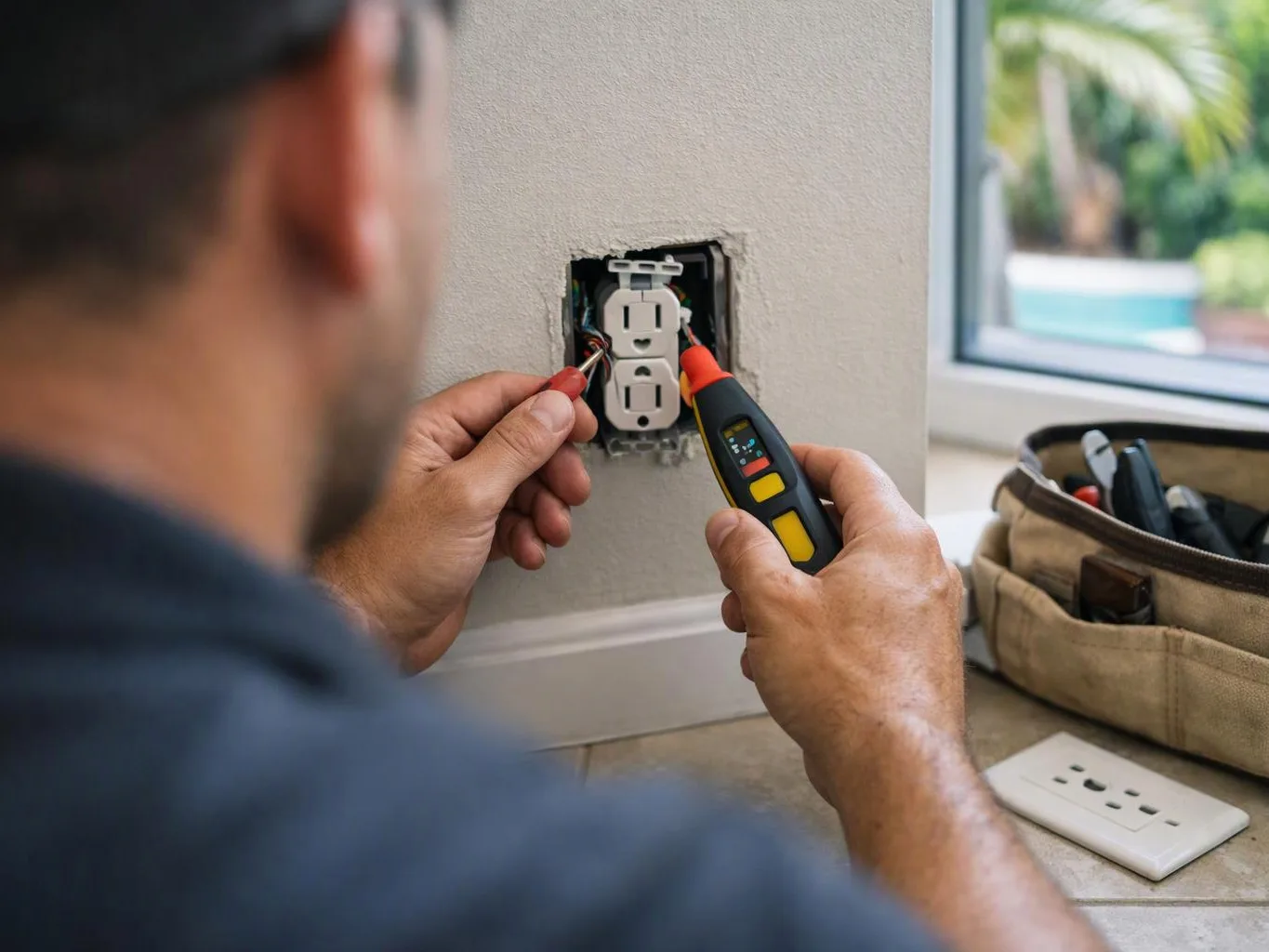
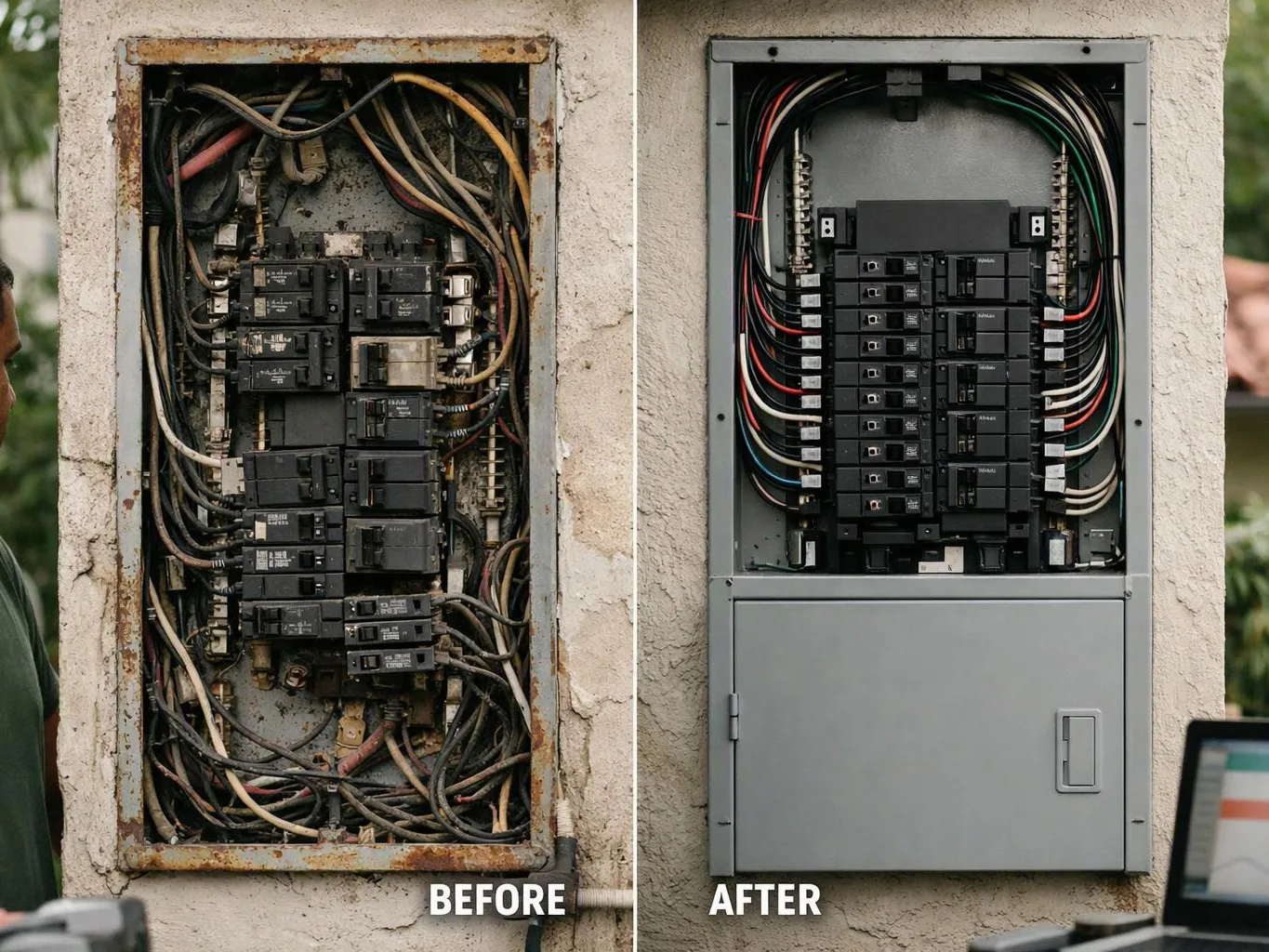
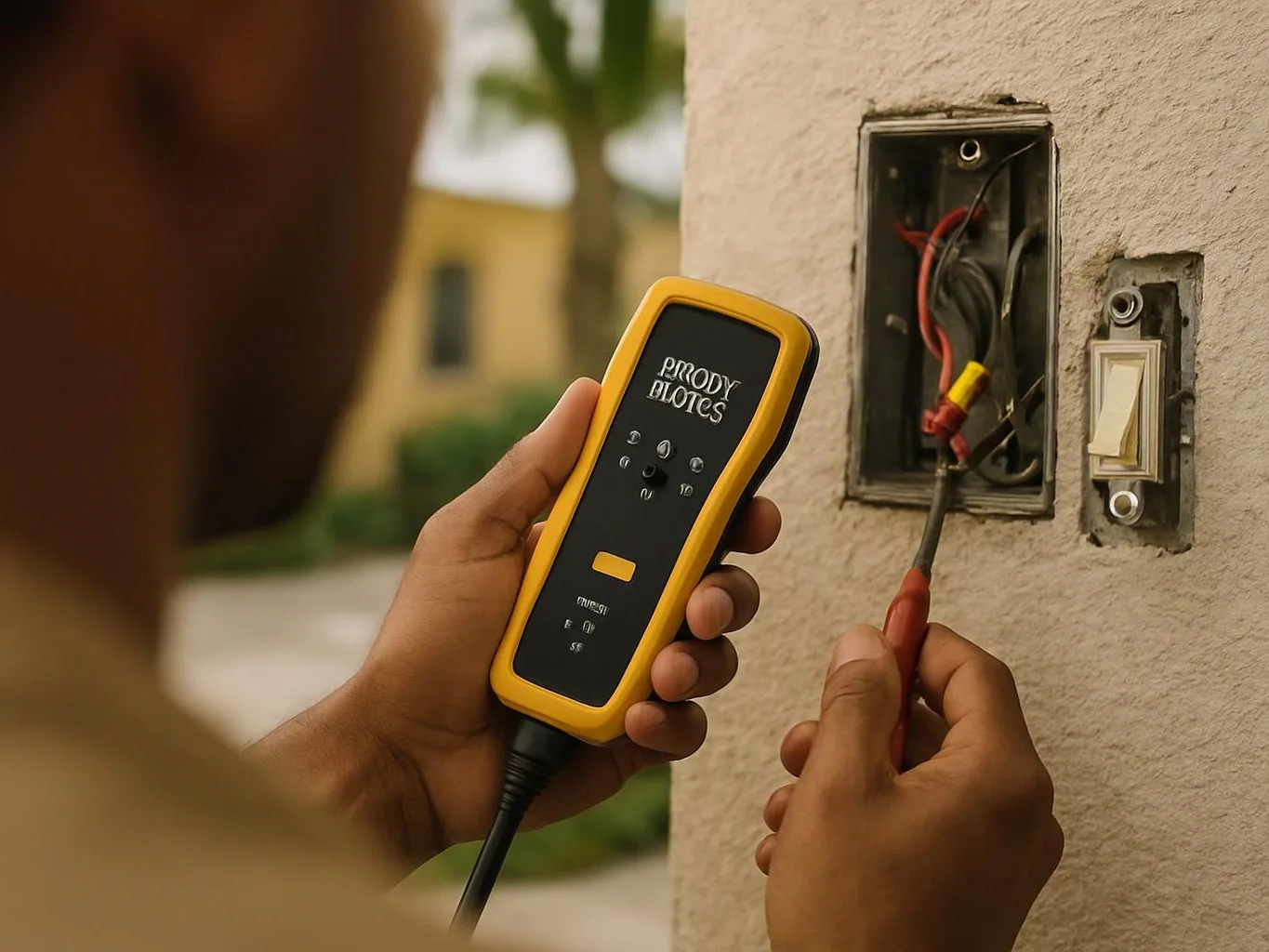
Exposed wires can reveal damaged insulation, loose connections, shock risks, short circuits, and fire hazards. Earth Electric checks the wire, its connection point, nearby devices, and the breaker serving that circuit. We also look for signs that the damage extends beyond the visible area. The inspection then separates immediate repair needs from conditions that require deeper troubleshooting.
How does an electrical safety inspection visit move from the first call to the last step?
The visit moves from symptom review to visual inspection, circuit checks, hazard explanation, and repair planning. We first discuss the property and warning signs. Next, we inspect accessible wiring, panels, outlets, switches, breakers, and grounding. We finish by explaining the findings and the next repair or testing decision.
Which material changes how long the electrical safety inspection takes?
The amount of concealed wiring changes the inspection time because hidden sections need different access and testing. Open access to panels and outlets supports a more direct review. Finished walls, blocked panels, and limited crawl access can add inspection steps. We explain any access issue before expanding the scope.
How can a customer tell whether an electrical safety inspection fits the property?
An electrical safety inspection fits when you need a broad hazard review across a home or business. Repeated breaker trips, warm outlets, flickering lights, damaged wiring, and burning smells support that choice. A single known failure may need a focused repair call instead. We help match the service to the property concern.
What changes the estimate for this type of electrical inspection?
The inspection area, property type, access, and number of electrical concerns change the estimate. A review of one panel differs from a property-wide check of circuits, outlets, and visible wiring. Earth Electric provides free estimates and explains the work included. Repairs or added testing are discussed as separate scope decisions.
When should a business request an electrical safety inspection?
A business should request an inspection before using a space with electrical warning signs or after a serious circuit problem. We review panels, outlets, switches, wiring, grounding, and equipment connections that are accessible. The owner receives findings that support repair planning. Urgent danger, smoke, or active sparking requires immediate safety action before inspection work.
Why do overloaded circuits matter during a property inspection?
Overloaded circuits can overheat wiring and trip breakers during normal use. We review the circuit’s connected outlets, appliances, breaker, and visible wire condition. The inspection helps show whether the concern involves load use, damaged parts, or a larger wiring issue. We then explain which repair or troubleshooting step fits the finding.