Which panel types are available for upgrades?
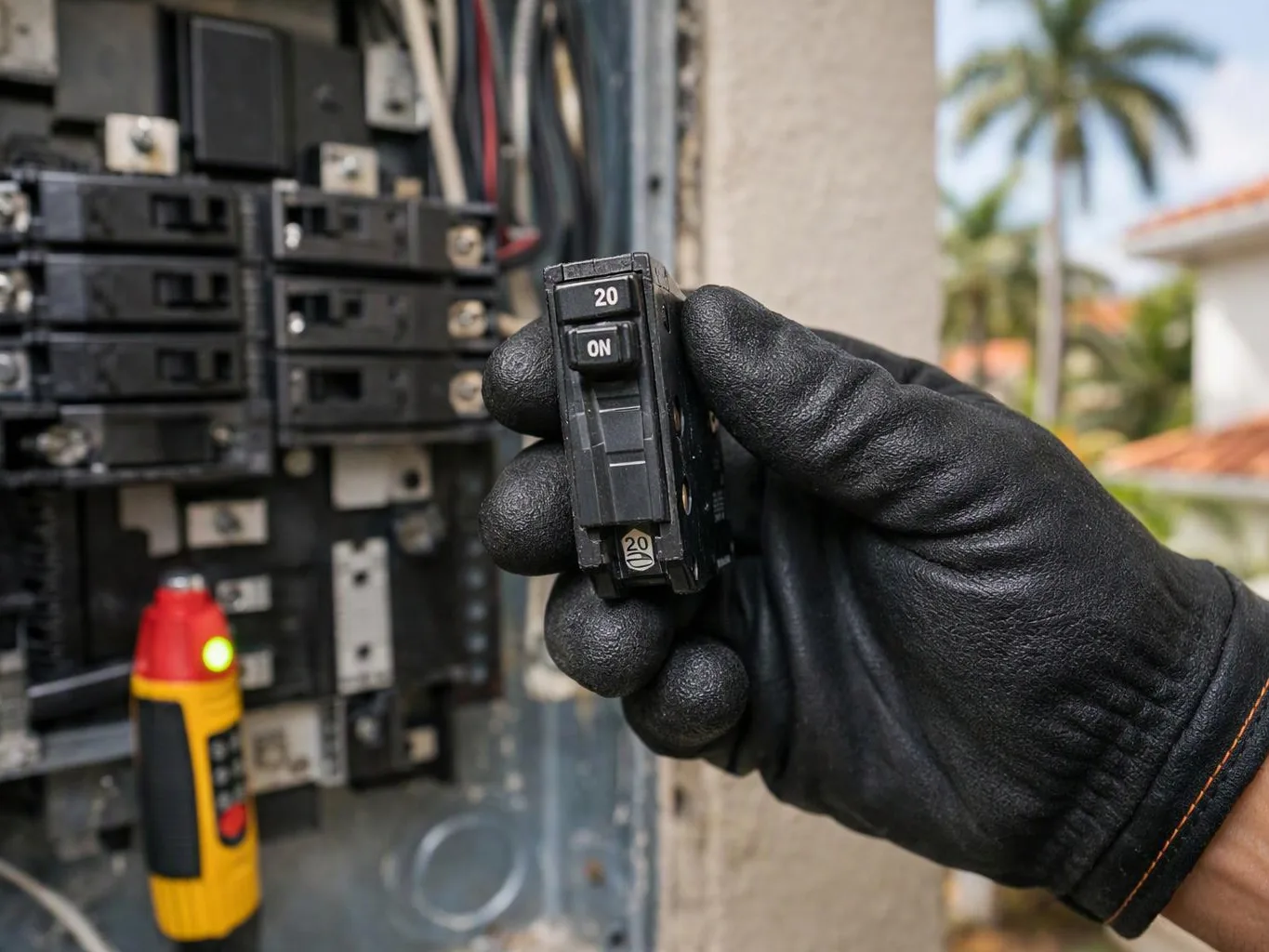
Load center choices include a main breaker panel, subpanel, meter panel, or distribution board when each fits the property's electrical layout. Earth Electric reviews the existing equipment, available space, breaker needs, and wiring before recommending a suitable option. The right choice depends on where power enters, how circuits are arranged, and what equipment the property needs to support.
What should be checked before an upgrade is scheduled?
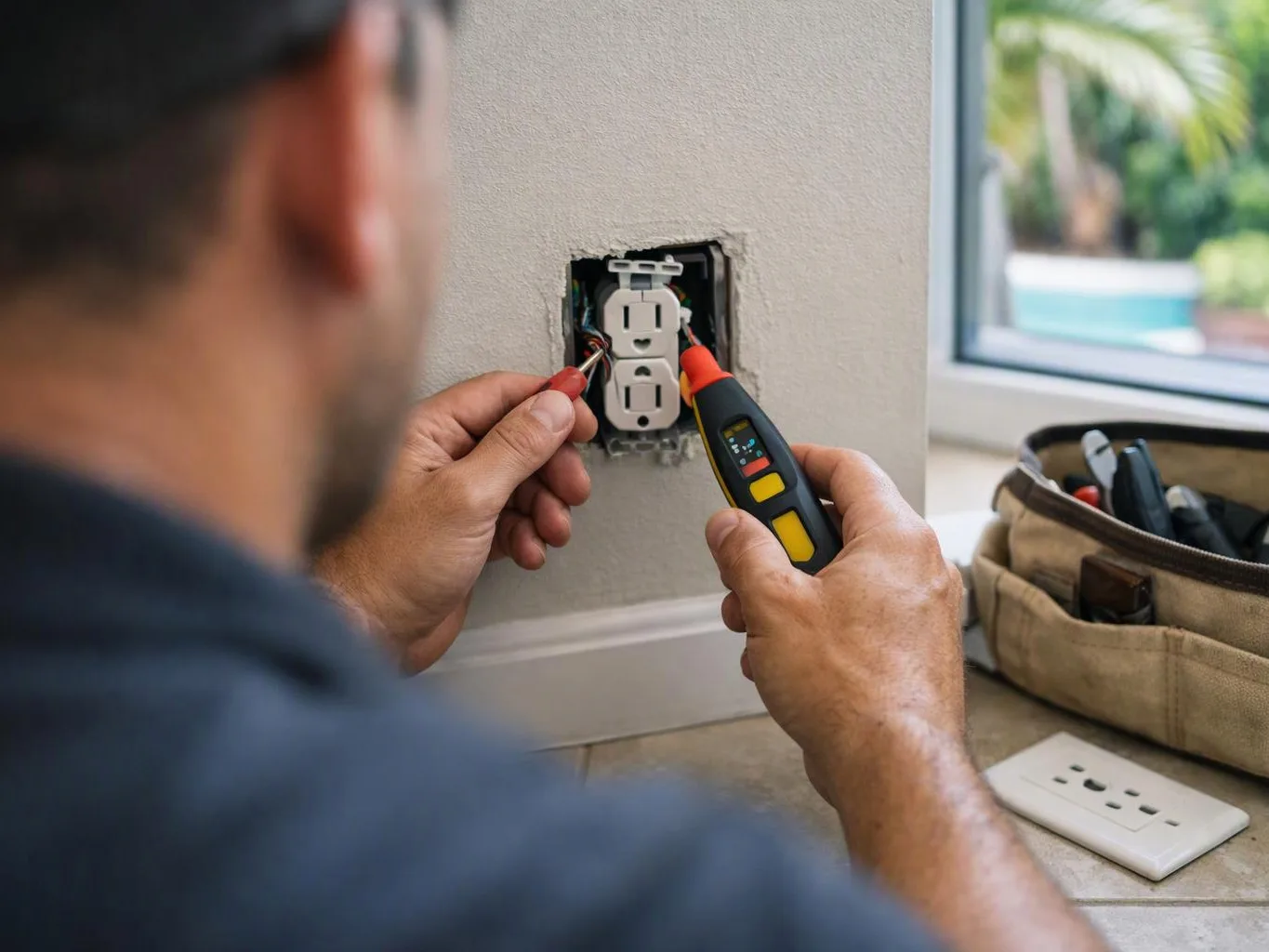
The existing panel, breakers, wiring, available spaces, connected loads, and planned equipment should be checked first. We also review symptoms such as heat, buzzing, discoloration, or repeated trips. Photos of the panel cover and labels can help us understand the request, but we inspect the equipment before setting the final work scope.
Who is a good fit for panel upgrade work, and who needs a different service?
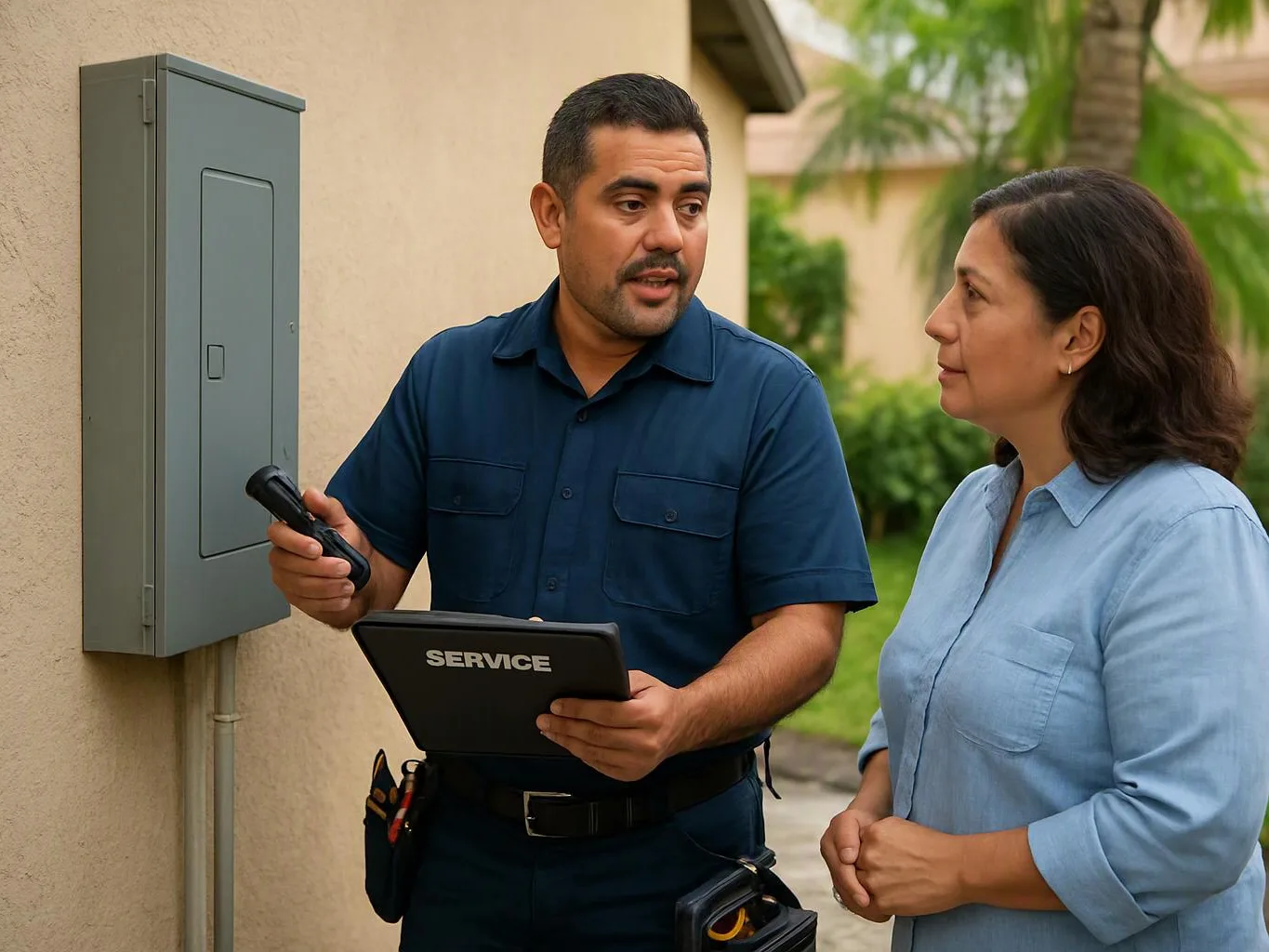
Homeowners and businesses with limited panel capacity, damaged equipment, or planned electrical additions may fit this service. A single failed breaker may need breaker repair, while a utility-side outage may require the power company. We diagnose the source first and explain which electrical service matches the condition.
What happens at each stage of the upgrade?
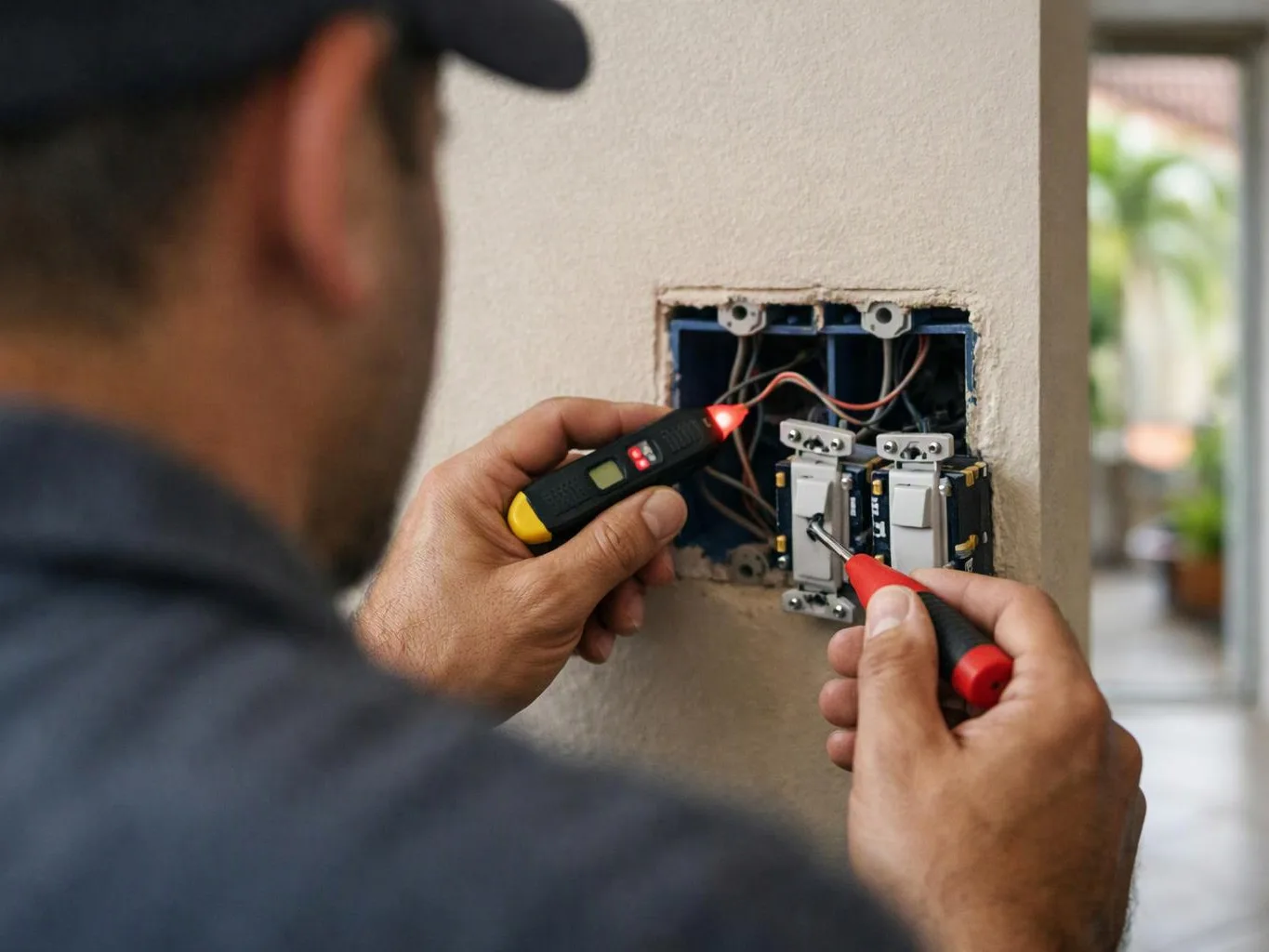
The work moves from inspection to load review, scope planning, installation, and testing. We check the existing panel and wiring, plan compatible breakers and connections, complete the approved work, then test and label the circuits. Customers receive an explanation of the work included in the estimate.
How does panel condition change the estimate?
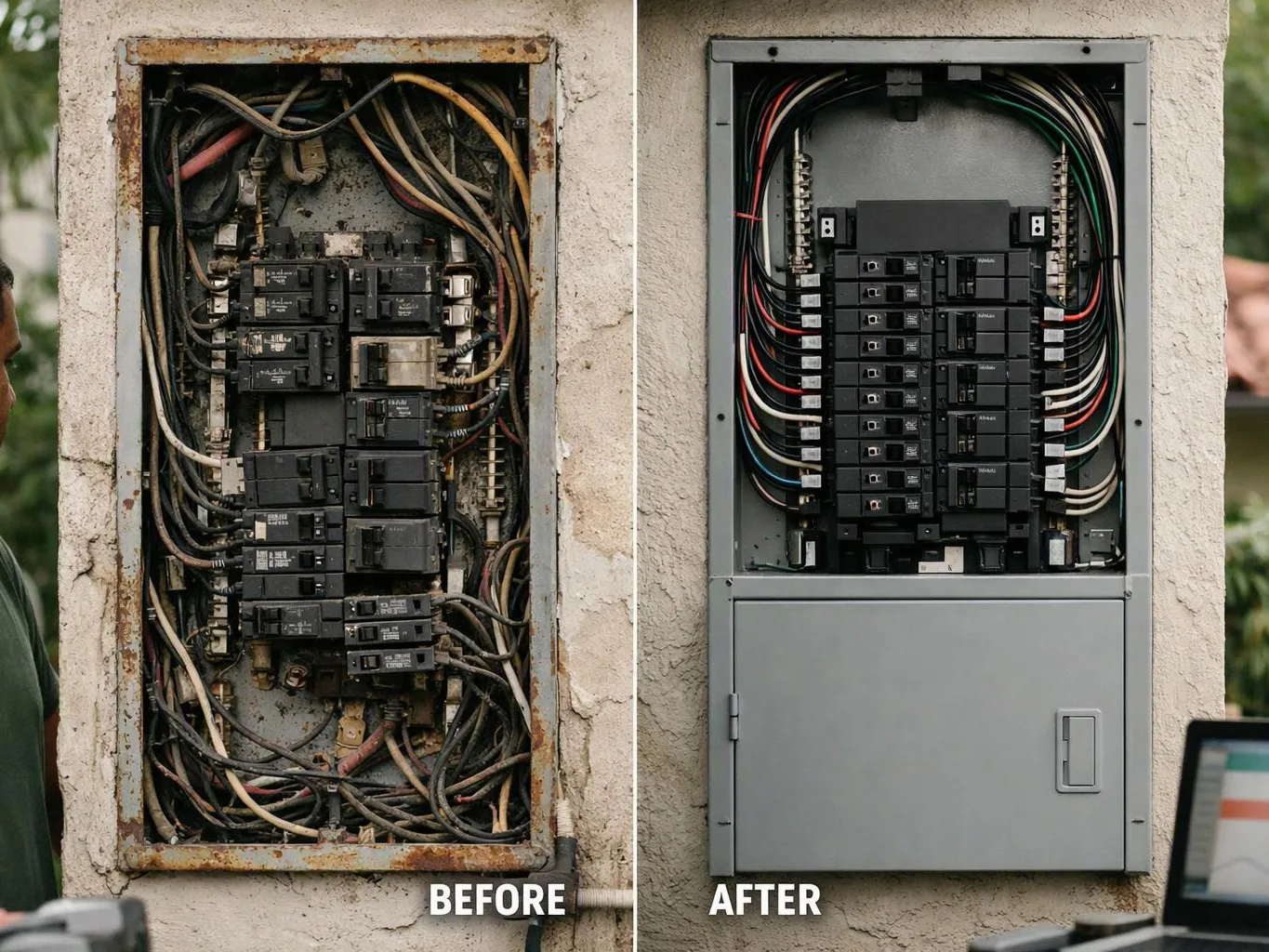
Panel condition changes the estimate when the inspection finds damaged breakers, heat marks, worn connections, limited space, or related wiring trouble. We separate those findings from the requested upgrade and describe each needed task. Customers receive a free estimate based on the property, equipment, access, and approved scope.
When does a panel issue point to a wiring repair?
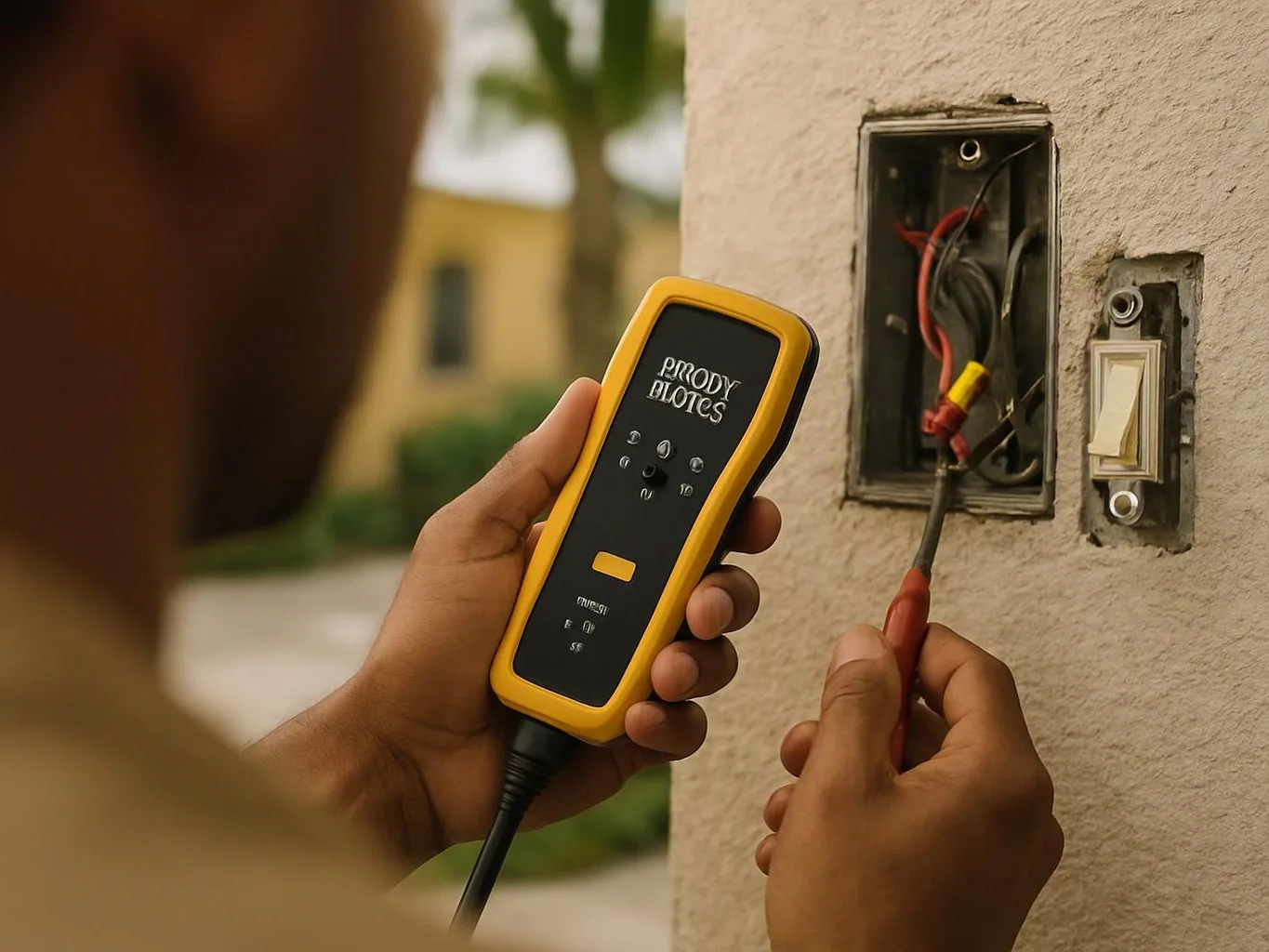
Wiring repair becomes the focus when a circuit has damaged insulation, loose connections, heat damage, or a fault away from the panel. We trace the affected circuit and inspect its connections before deciding on panel work. A new panel alone will not correct a separate branch-circuit fault.
Why should I avoid resetting a breaker that keeps tripping?
A breaker that trips repeatedly signals a fault or overload that needs inspection. Continued resets can leave a damaged breaker, hot connection, or overloaded circuit in service. Turn off affected equipment and request an assessment if the breaker trips again, smells burnt, feels hot, or shows visible damage.