What does an electrical safety inspection check?
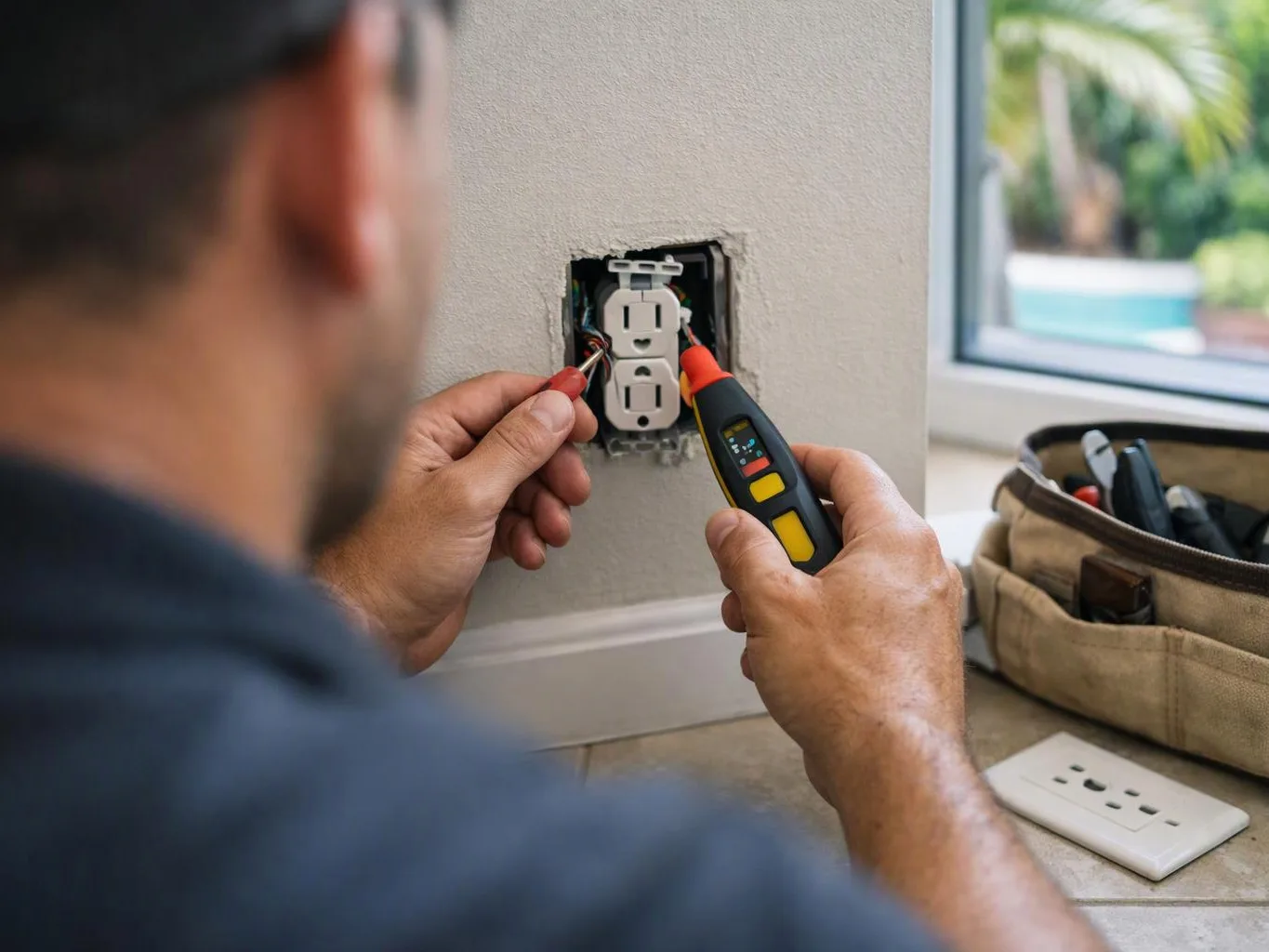
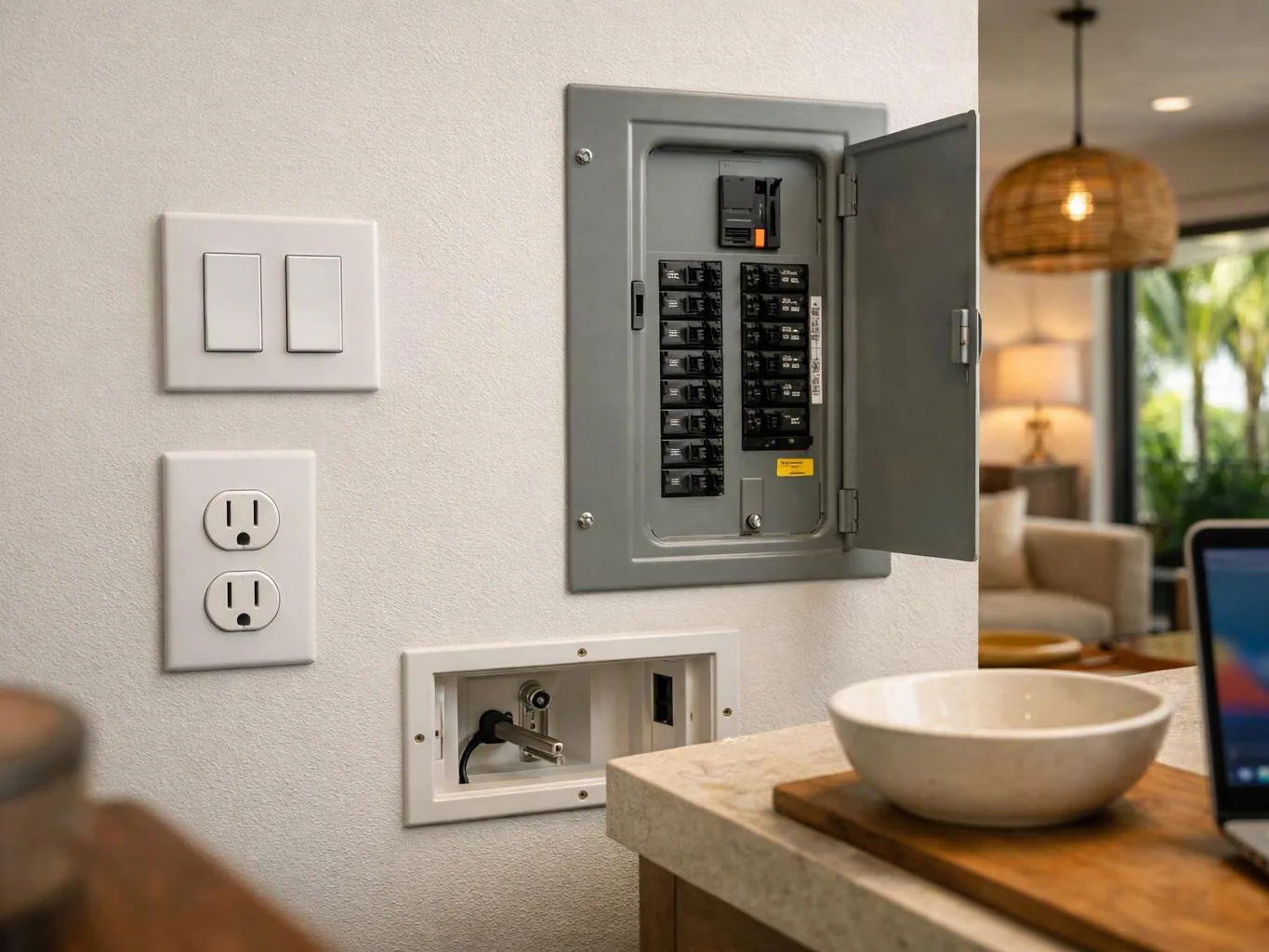
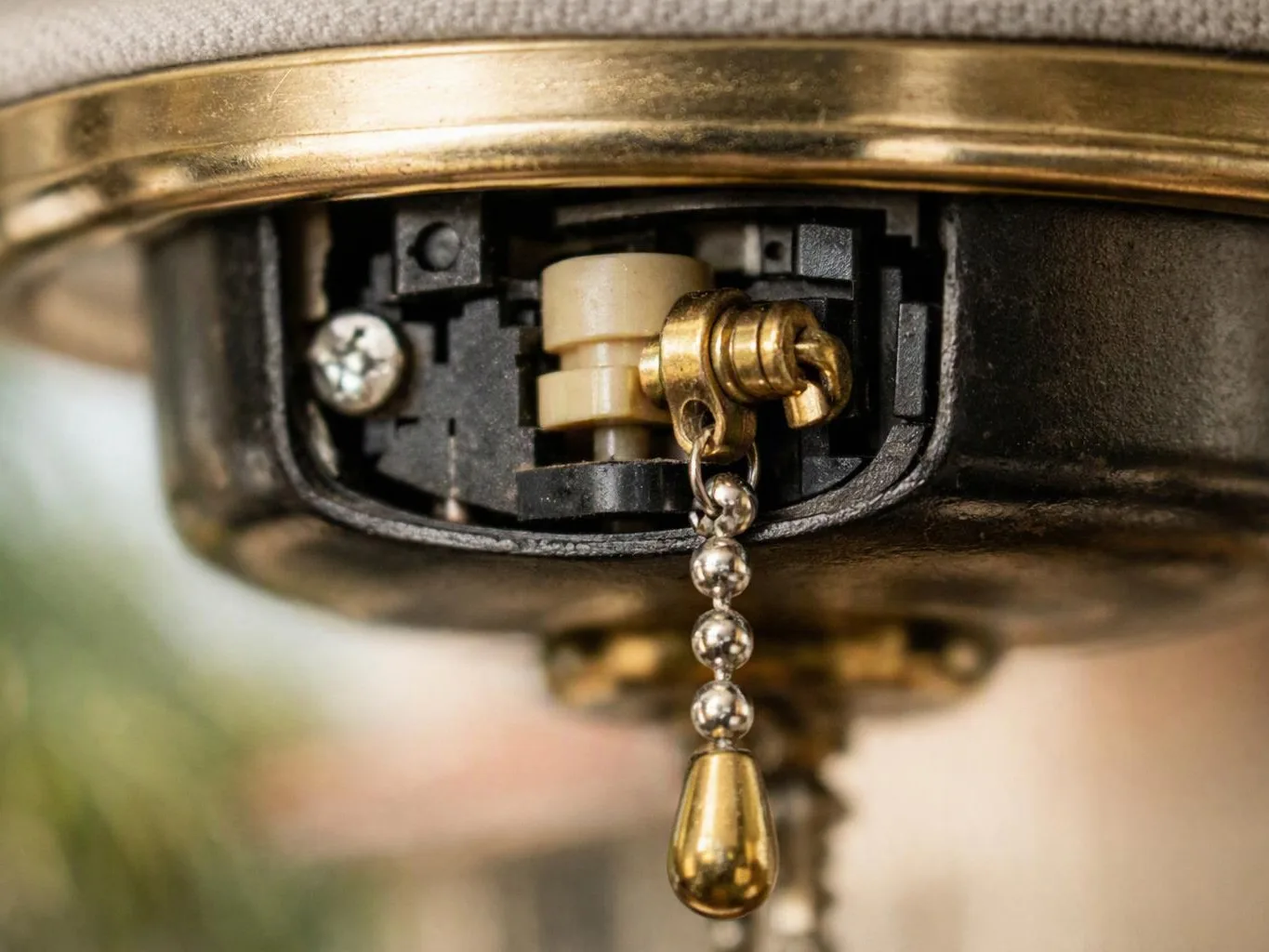
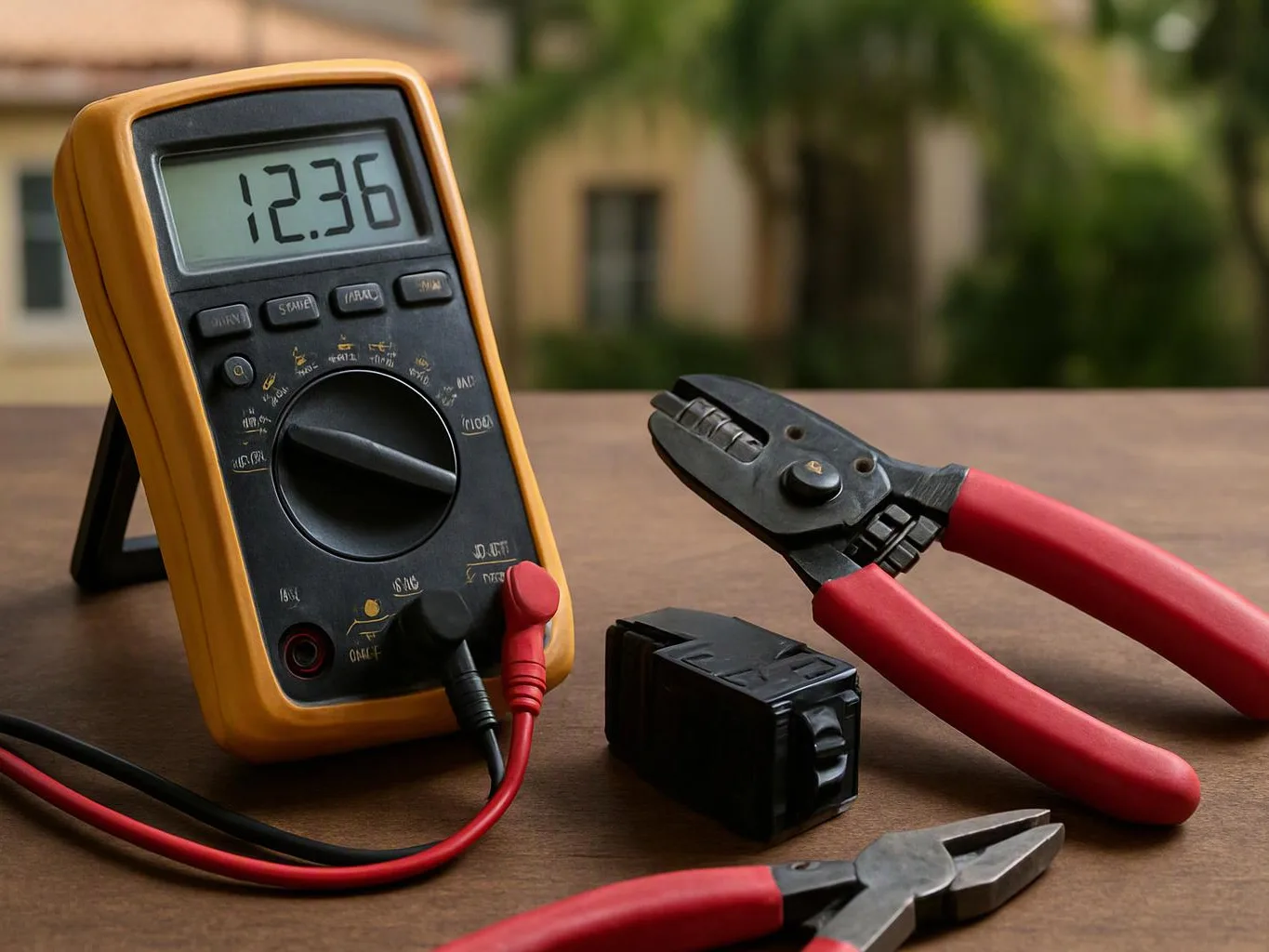
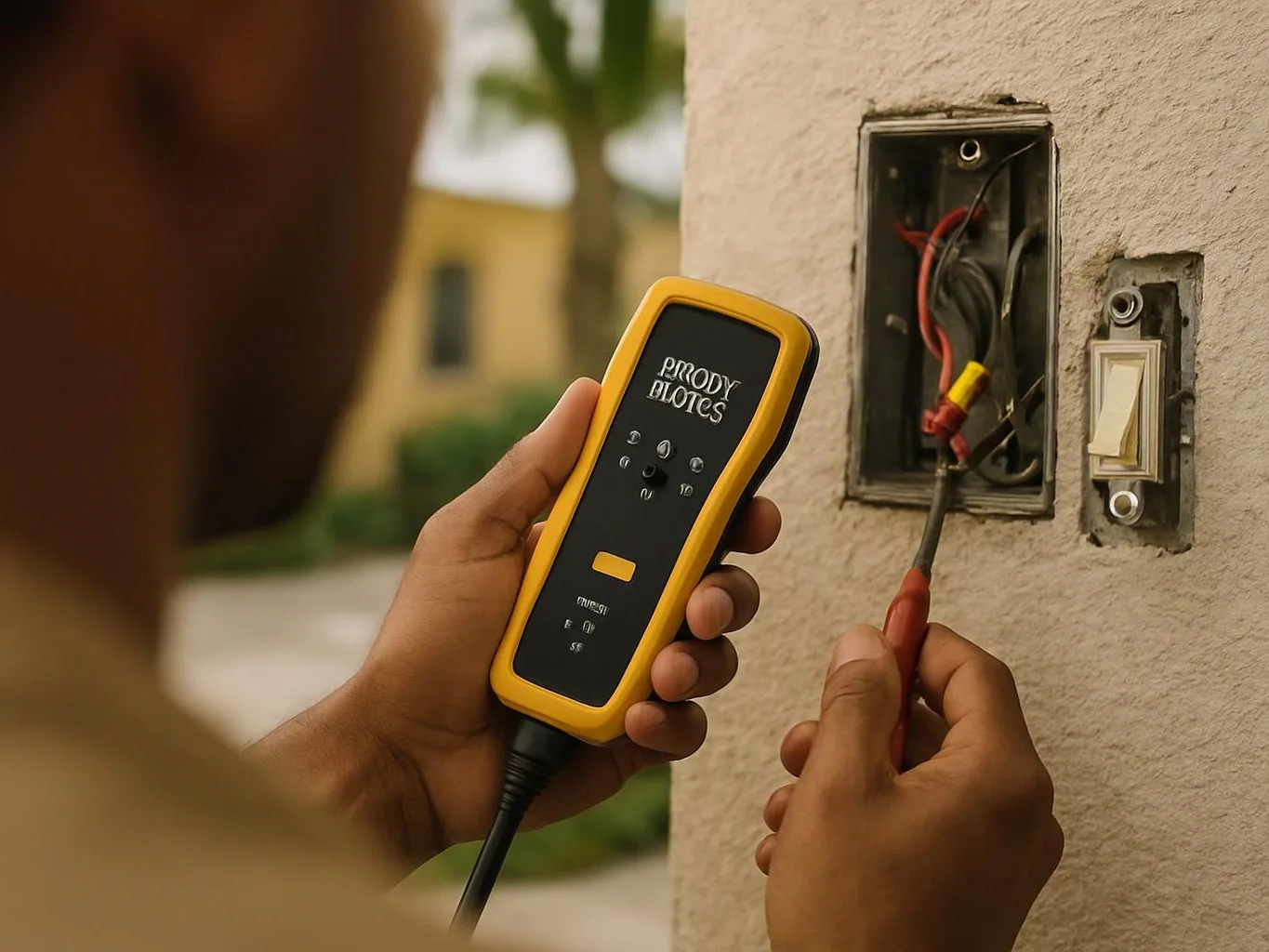
Earth Electric checks the grounding system, wiring condition, circuit breakers, outlets, switches, panel, and visible electrical hazards. The inspection connects each finding to the affected circuit when possible. Customers receive an explanation of unsafe conditions and the repair or troubleshooting work that may follow. This review helps separate a single faulty part from a wider system concern.
Which material changes how long the inspection takes?
Limited access to wiring changes the inspection time because concealed cable cannot be reviewed like exposed or accessible wiring. Panel location, wall finishes, crowded electrical boxes, and the number of affected circuits also matter. We explain what access is needed before expanding the inspection scope. Customers should share photos and known symptoms when arranging the visit.
How does an electrical safety inspection visit move from the first call to the last step?
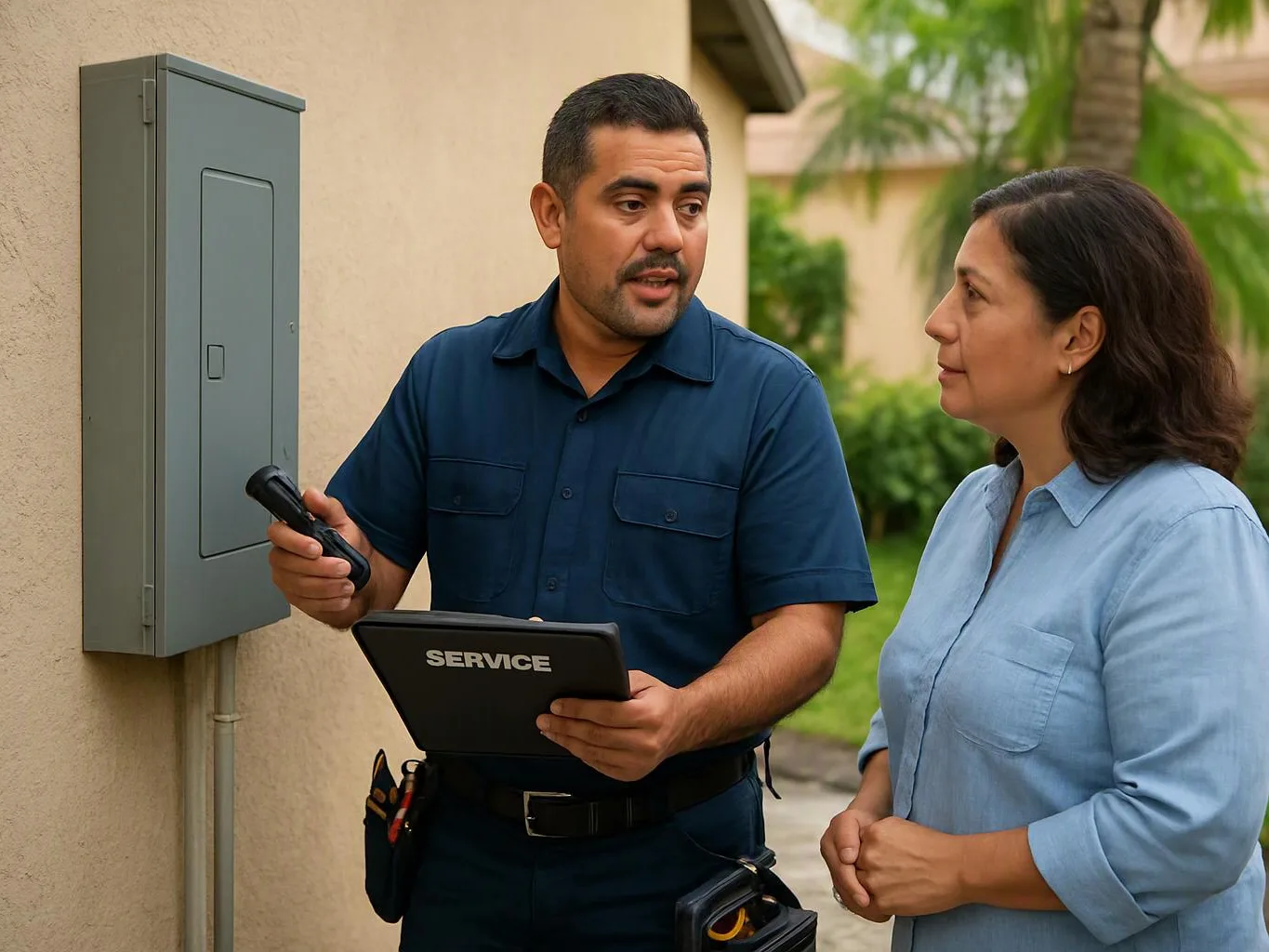
The visit moves from symptom review to panel checks, circuit tracing, device inspection, and a discussion of findings. We begin by identifying the reported concern and affected equipment. Customers then receive a clear explanation of the condition and any repair choices. Earth Electric can provide a free estimate for requested electrical work after the inspection.
What makes an electrical safety inspection fit a property?
An electrical safety inspection fits a property when the owner needs a broad safety review, not only a repair for one known failed part. Repeated breaker trips, warm outlets, flickering lights, or pre-use concerns all support this type of review. A single confirmed repair may need a narrower service. We explain that difference after hearing the symptoms.
Why do circuit breakers trip when appliances still work?
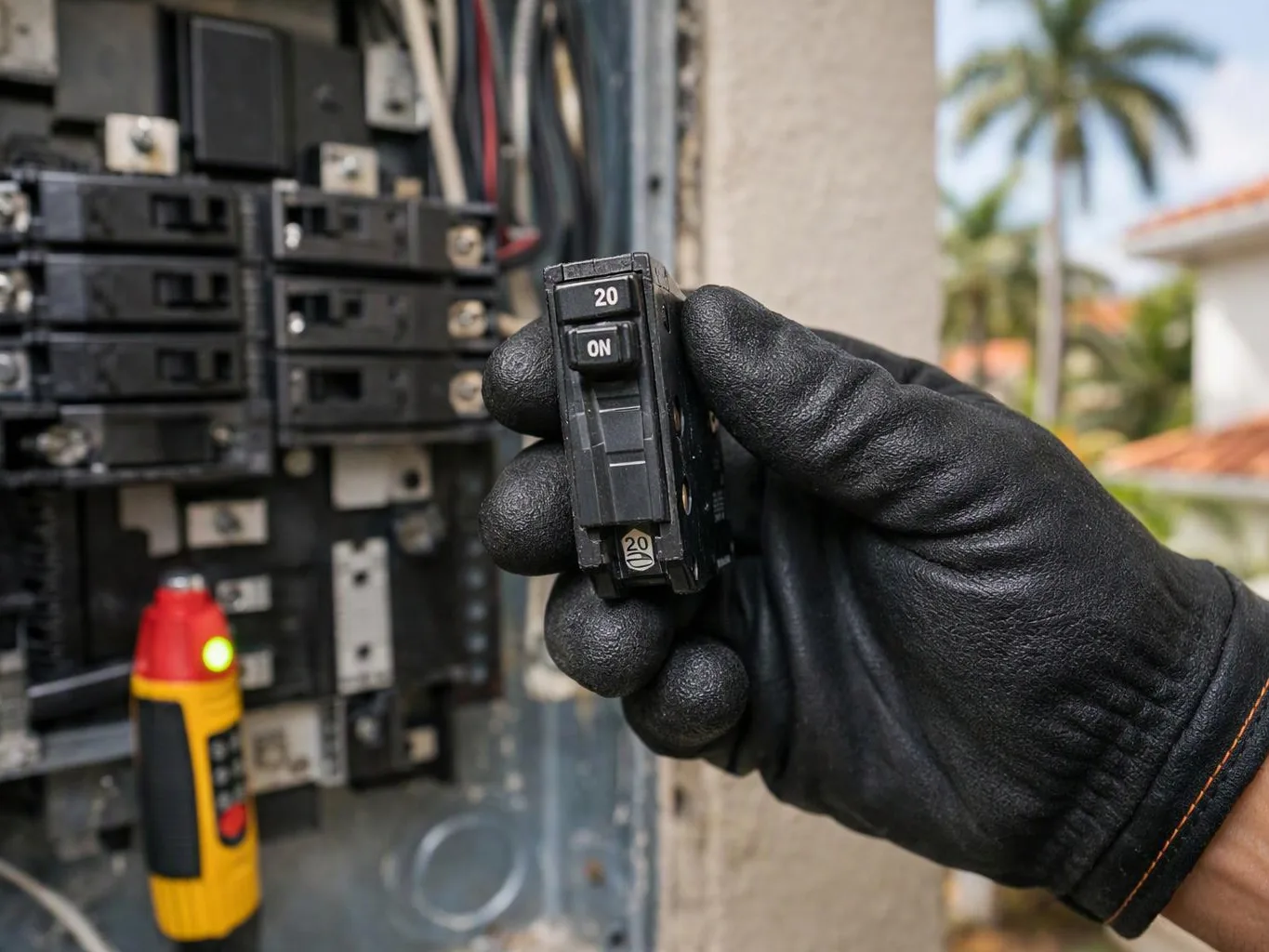
Circuit breakers trip when a circuit develops an overload, fault, weak breaker, or wiring problem. The appliance may still work while the circuit remains unsafe or overloaded. We inspect the breaker, connected wiring, outlets, and equipment to identify the likely cause. Stop using the affected circuit if heat, smoke, sparks, or burning odor appears.
Can a homeowner replace a circuit breaker after an inspection?
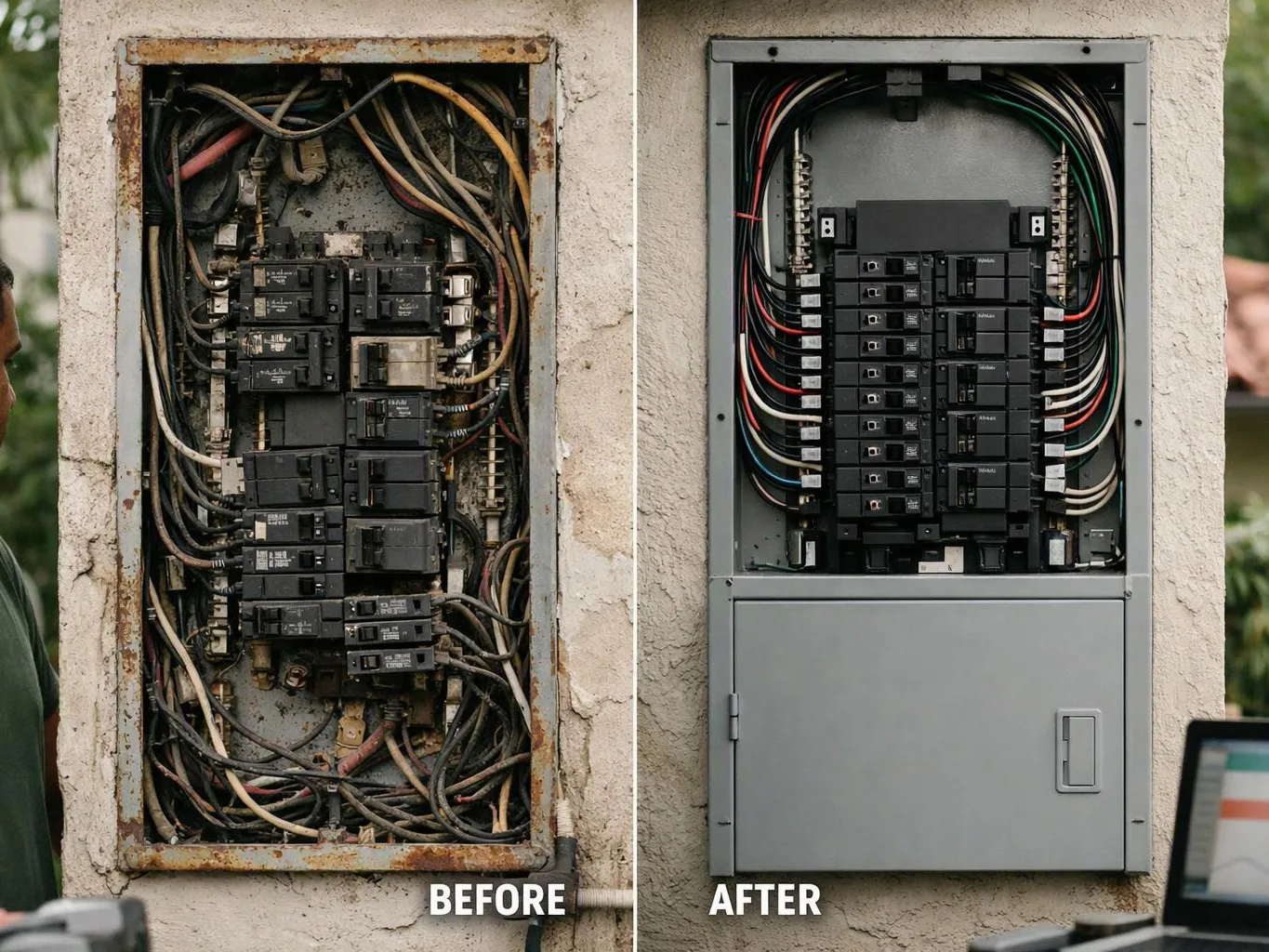
A homeowner should not replace a circuit breaker based only on an inspection finding. Breaker fit, panel condition, circuit wiring, and the fault cause all need review before replacement. We identify the affected parts and explain the repair scope. Turn off the affected circuit and request electrical service if the breaker keeps tripping.
Which findings need urgent electrical attention?
Smoke, sparks, burning odor, exposed live wiring, or a hot electrical panel need urgent electrical attention. These signs can point to active overheating or a serious fault. Leave the affected area, avoid touching damaged parts, and request urgent service. Do not reset a breaker repeatedly when the same problem returns.