Skip to content

Smoke Detector Installation in South Miami Heights, Florida

Photoelectric sensors suit many smoke risks in South Miami Heights, and we match the detector type to the property and wiring. Earth Electric provides smoke alarm installation for homes and businesses, with electricians available 24 hours.

Licensed & InsuredFree EstimatesWarranty AvailableSame-Day Service

Quick Summary: Smoke detector installation in South Miami Heights, Florida

Smoke Detector Installation in South Miami Heights is provided by Earth Electric for residential and commercial properties. The work covers detector selection, mounting, wiring checks, battery backup, and alarm testing, with electrical support available 24 hours.

  • What we do: Earth Electric provides Smoke Detector Installation for South Miami Heights, Florida homes and commercial properties, including detector fitting, wiring checks, and alarm testing.
  • What is included: detector selection, photoelectric sensors, ionization sensors, dual sensing, battery backup, and hardwired connections.
  • What you get: The completed work leaves the selected smoke detector mounted, powered, connected, and tested.

Why does my smoke detector keep chirping after I change the battery?

A chirping detector can have a weak backup battery, a fault in the unit, or a hardwired connection problem. We check the alarm, battery, wiring, and power source before replacing or installing the correct detector.
Smoke detector installation for homes and businesses in South Miami Heights

Smoke detector installation covers the full job of choosing, mounting, powering, and testing an alarm. The right choice depends on the property, the existing alarm system, and the power connection already in place.

Photoelectric sensors respond to smoke particles from smoldering fires. Ionization sensors use a different sensing method, while dual sensing combines both types in one device. We explain the choice in plain language so you can decide what fits the property.

This page serves buyers who need a detector installed or replaced, not customers seeking a general electrical repair. If the alarm needs new wiring, access work, or a new power feed, we include that condition in the quote before work begins.

  • Confirm whether the existing detector is battery powered or hardwired.
  • Check the mounting point, wiring, power source, and backup battery.
  • Compare photoelectric, ionization, and dual-sensing detector options.
  • Test the alarm after installation and explain the basic controls.
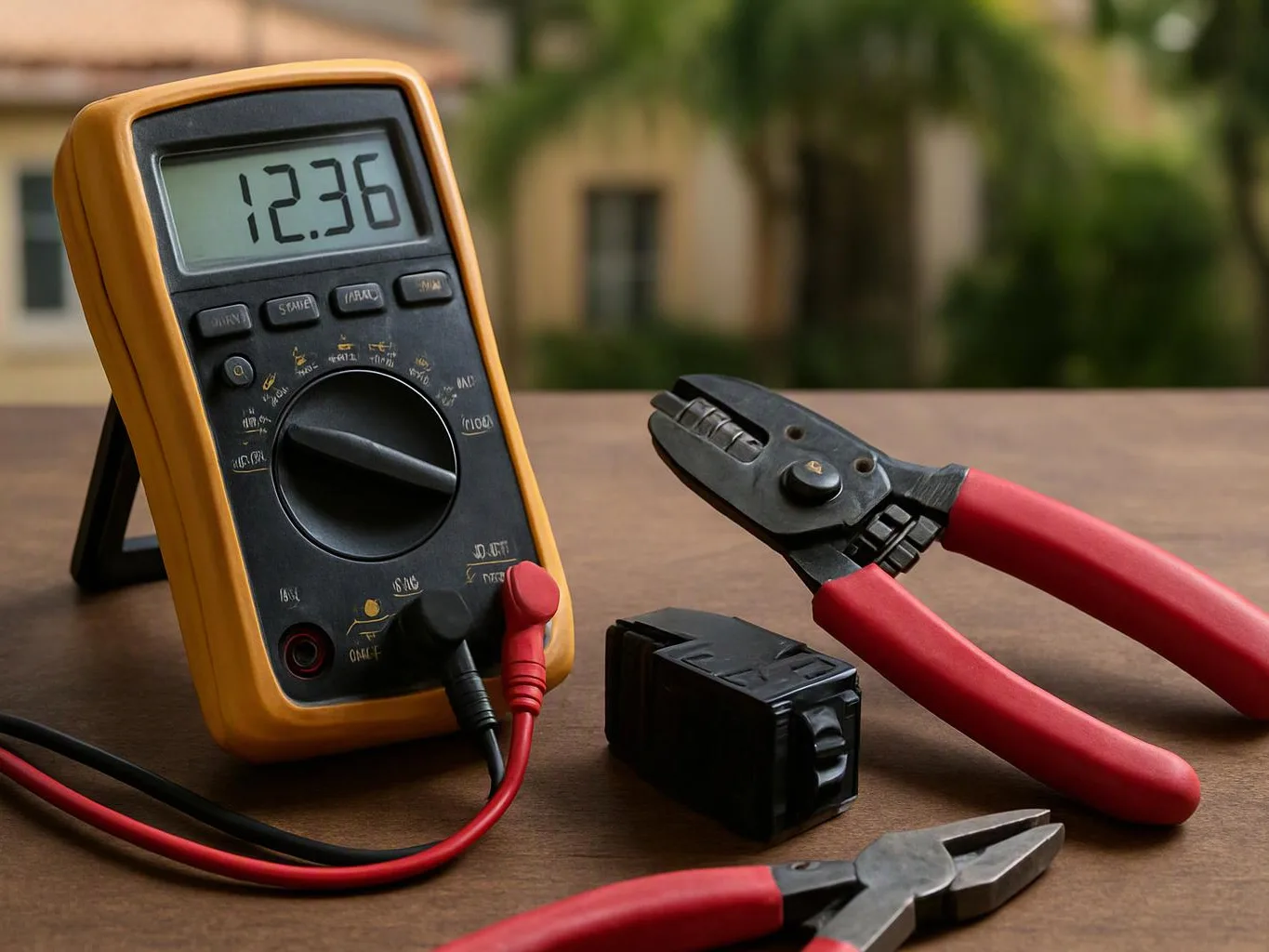
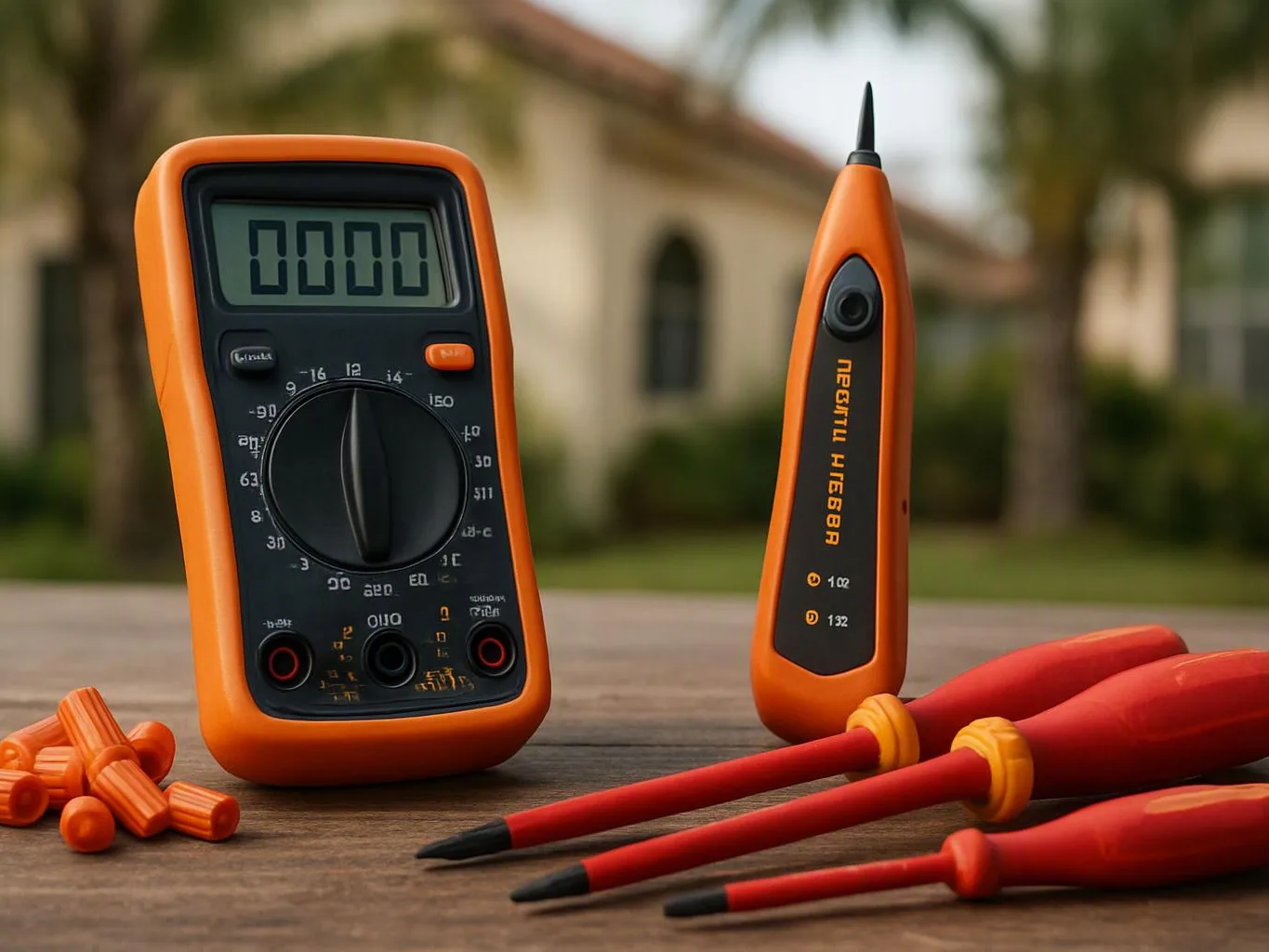
Orange digital multimeter and voltage tester sit on a wooden table with red probes and wire connectors outdoors

Service Overview

Smoke Detector Installation is an electrical service that mounts, powers, connects, and tests smoke alarms.

  • The work differs from a battery replacement because it can include wiring checks, new mounting, detector selection, and connection testing.
  • Earth Electric provides this service for homes and businesses in South Miami Heights.

What smoke detector installation includes

Earth Electric provides comprehensive Smoke Detector Installation in South Miami Heights. Here's what you get:

  • We review the property’s current smoke alarm setup and the reason for the installation.
  • We check the mounting point, electrical connection, and available power source.
  • We help select a photoelectric, ionization, or dual-sensing detector for the job.
  • We install the detector and connect the battery backup or hardwired supply.
  • We test the alarm and confirm that the controls respond as expected.

What a new smoke alarm changes

A correctly fitted detector gives the property a working alarm at the selected location.

A battery backup keeps the alarm powered when the hardwired supply is interrupted.

Testing checks the alarm after installation instead of leaving the final step undone.

A clear detector choice helps you match the alarm to the property and its existing setup.

Process

How we install and test a smoke detector

1

Review the existing alarm

We identify the reason for the work and inspect the current detector, mounting point, battery, and electrical connection.

2

Select the detector type

We compare the available sensing method and power setup, including photoelectric, ionization, dual sensing, battery backup, and hardwired connection.

3

Prepare the mounting point

We confirm that the mounting point and wiring are suitable for the selected alarm before securing the detector.

4

Connect and mount the alarm

We fit the detector, connect the power source, install the backup battery when required, and secure the unit.

5

Test the completed installation

We use the test control to check the alarm and explain the basic operation before the job is complete.

A client scenario this service addresses

A typical property situation involves a detector that chirps after a battery change or fails its test button. We check the alarm, battery, wiring, and power source, then install or replace the unit that fits the setup. The quote identifies added wiring or access work before installation proceeds.

How we approach smoke detector installation

Choose the sensing method first

The sensing method affects the detector choice. We explain photoelectric, ionization, and dual-sensing options before installation, so the selected unit fits the job.

Check power before mounting

A hardwired alarm needs a sound electrical connection and a suitable backup battery. We inspect the power source and wiring before securing the detector.

Know when another service fits

Smoke detector installation is the wrong job when the main issue is a wider power failure, damaged branch wiring, or a panel fault. We identify that condition and explain the next electrical step.

Smoke alarm sensing choices

These sensing options differ in how they detect smoke and how they fit the property.

Detector optionWhat it usesWhen we discuss it
Photoelectric sensorsLight changes inside a sensing chamberA common option for the installation decision
Ionization sensorsAn ionized sensing chamberA different sensing method from photoelectric technology
Dual sensingPhotoelectric and ionization methodsWhen the property owner wants both sensing approaches

The Earth Electric Standard

  • Any-Hour Response
  • System Inspection
  • Clear Scope
  • Safe Practices

Questions about choosing and installing smoke alarms

What type of smoke detector should I install?

Photoelectric sensors are the first option we discuss for many smoke alarm installations. Earth Electric also reviews ionization sensors and dual sensing when the property or existing system calls for another choice. We check the power source, mounting point, and backup battery before recommending the detector, then test the installed alarm.

What should be ready before smoke detector installation starts?

Access to the mounting point and information about the existing alarm should be ready before installation. Keep the property owner or manager available to approve the detector type and power setup. Photos of the alarm, wiring, and ceiling or wall area can help us understand the scope before providing an estimate.

Which property condition changes the time needed for installation?

A damaged hardwired connection changes the work more than a direct replacement on sound wiring. We check the mounting point, power source, wiring access, and existing alarm before setting the scope. Added electrical repair or difficult access can require work beyond fitting and testing the detector.

What should I ask before agreeing to smoke detector installation?

Ask which sensing method, power source, detector, and testing steps the work includes. The estimate should also identify any wiring repair or access work that falls outside a direct replacement. We explain those points before installation so the selected alarm and connection match the property.

How does a hardwired alarm differ from a battery-only detector?

A hardwired alarm receives power through building wiring, while a battery-only detector relies on its battery. Hardwired units can also include battery backup for power interruptions. We inspect the existing connection and explain the suitable power choice before mounting the new alarm.

When should a smoke alarm be replaced instead of repaired?

A smoke alarm should be replaced when the unit fails testing, has a damaged case, or has an internal fault. We check the battery, wiring, and alarm controls before choosing replacement. A wiring issue may need electrical repair, while a failed detector needs a compatible new unit.

Why does a smoke detector chirp after installation?

A post-installation chirp usually points to a battery, power, connection, or detector fault. We test the alarm, check the backup battery, and inspect the hardwired connection when one is present. The correct fix depends on which part fails the check, not on the sound alone.
Contact

Get a Free Estimate for Smoke Detector Installation in South Miami Heights

Need a new alarm, a replacement, or a wiring check? Request your smoke detector installation estimate, and urgent requests get priority scheduling.

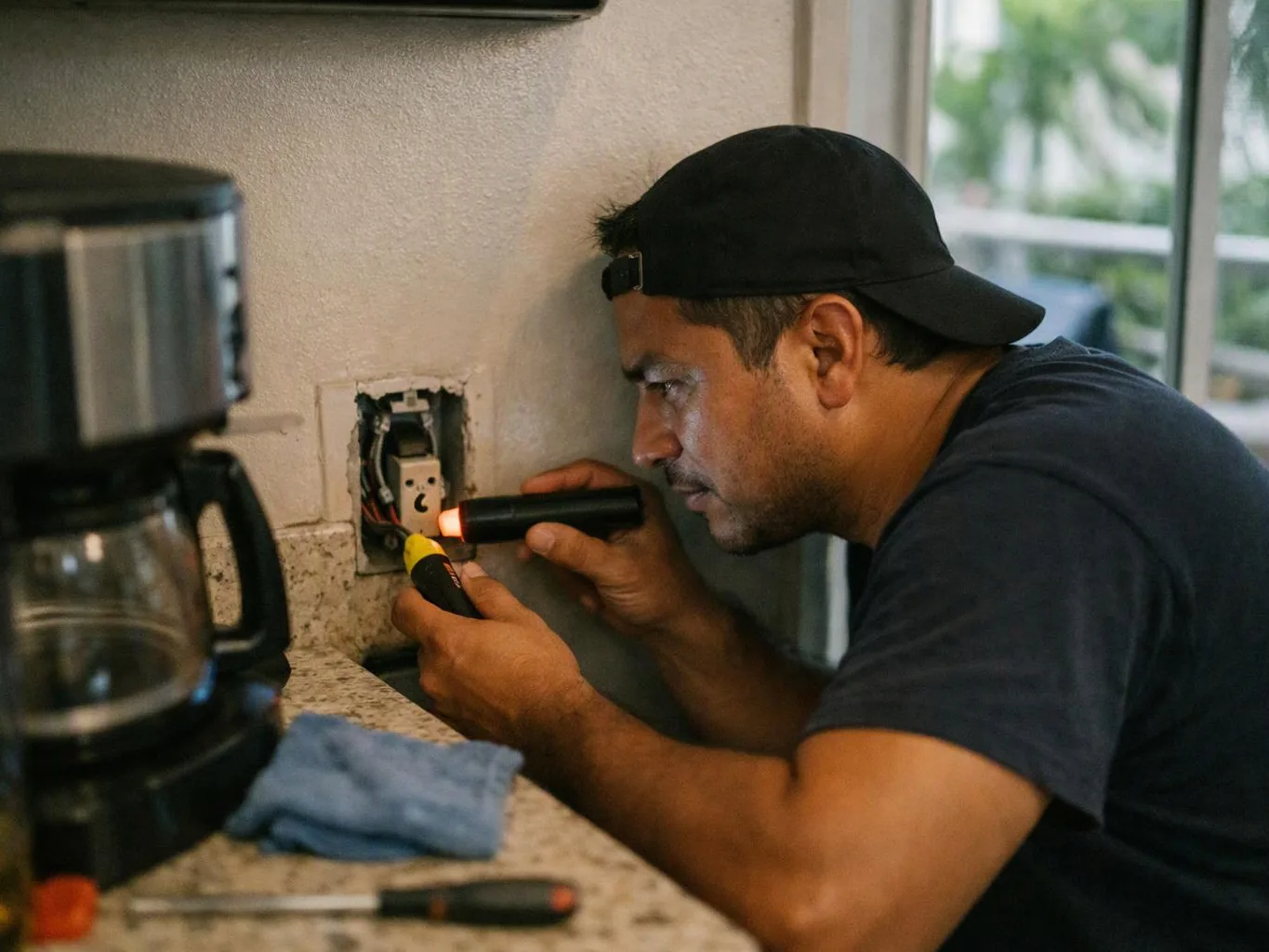
A man in a backward cap inspects an electrical outlet with a flashlight in a kitchen corner

Smoke Detector Installation in Other Areas

(786) 917-4169