What type of smoke detector should I install?
Photoelectric sensors are a strong choice for many rooms because they detect smoke from smoldering fires. Earth Electric compares photoelectric, ionization, and dual sensing alarms with the property and power source in mind. Battery backup suits some locations, while a hardwired connection suits properties with compatible wiring. The final choice follows the room, existing connection, and requested safety plan.
Who installs smoke detectors for homes and businesses?
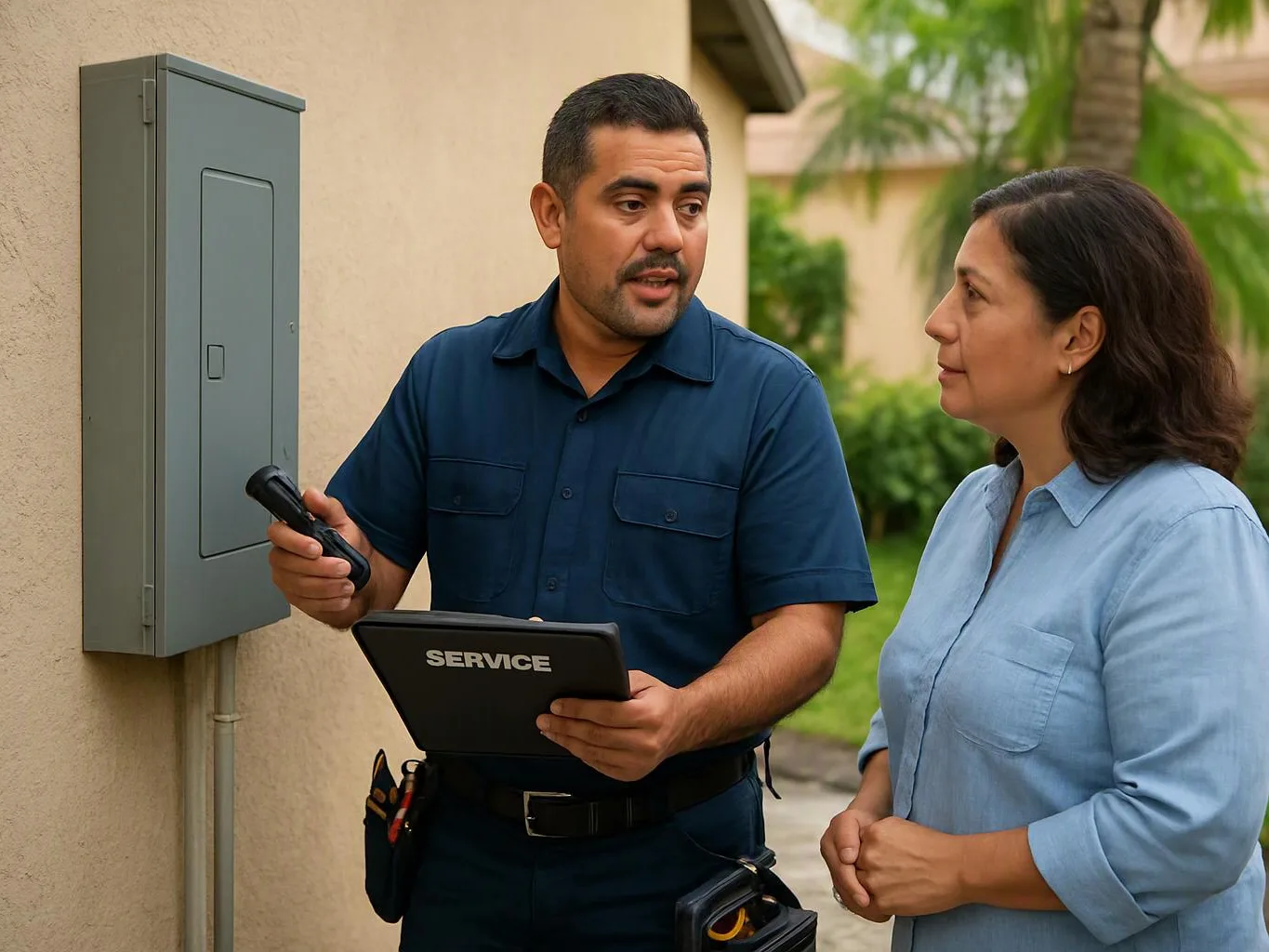
Earth Electric installs smoke detectors for residential and commercial properties. We inspect the alarm base, power source, wiring, and mounting surface before connecting a device. Our licensed and insured electricians also test the alarm after installation and explain battery backup or hardwired operation.
How can I tell whether smoke alarm installation fits my property?
Smoke alarm installation fits a property when it needs a new device, replacement alarm, or checked power connection. The property type, room use, existing alarm, and available wiring guide the scope. We assess those points before recommending a battery-powered or hardwired device.
Which part of the property decides the installation scope?
The room and its existing power connection decide much of the installation scope. Ceiling access, the alarm base, visible wiring, battery space, and nearby electrical faults also matter. We check those conditions before quoting the work, and we explain when a separate wiring repair is needed.
Which material changes how long smoke alarm installation takes?
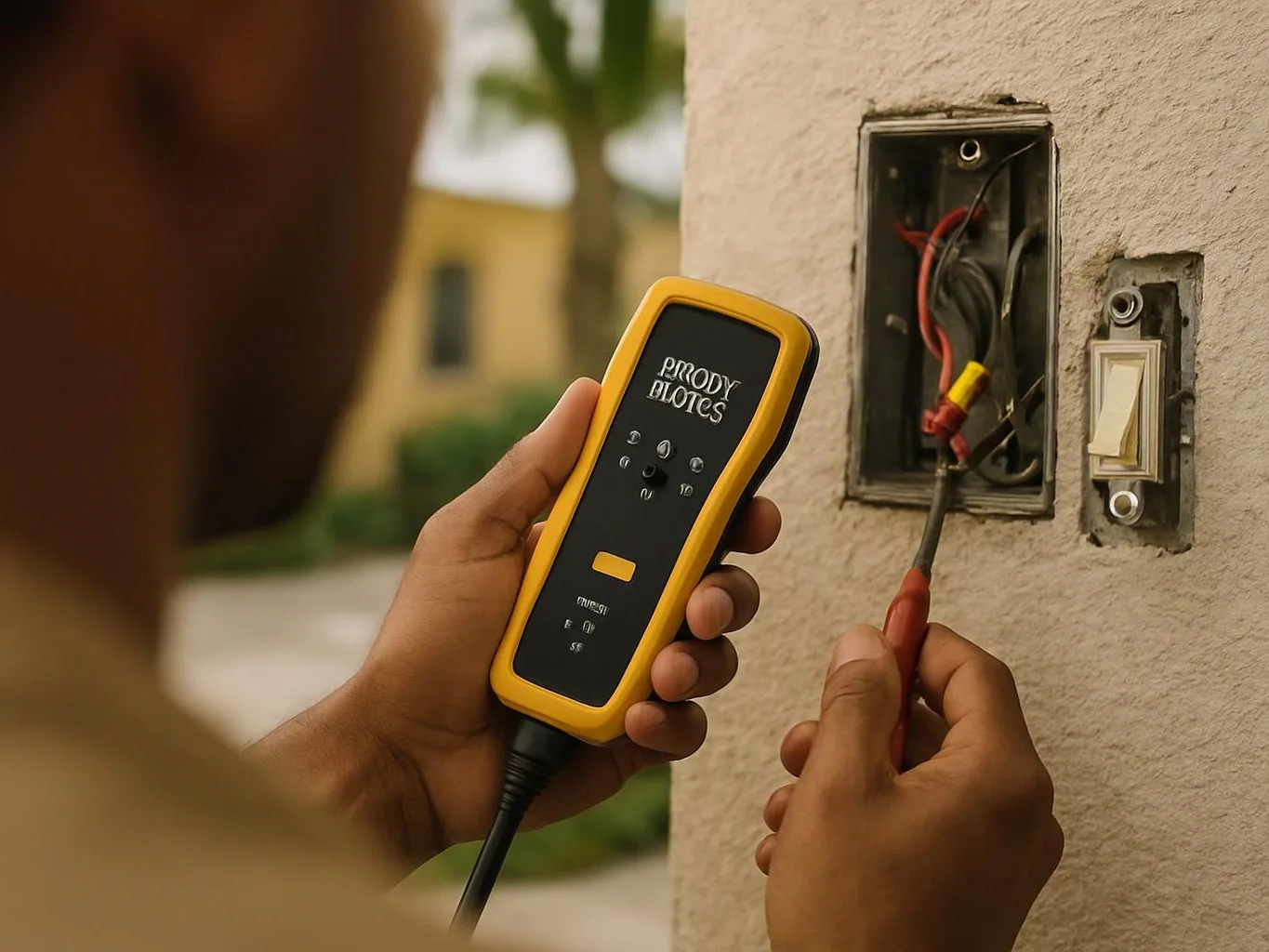
The ceiling and wall material can change the installation work because mounting access differs between drywall, wood, and masonry. Existing wiring also affects the job because a hardwired alarm needs a suitable connection. We inspect the mounting surface and power path before giving a project assessment.
Why does a smoke detector beep after the battery is changed?
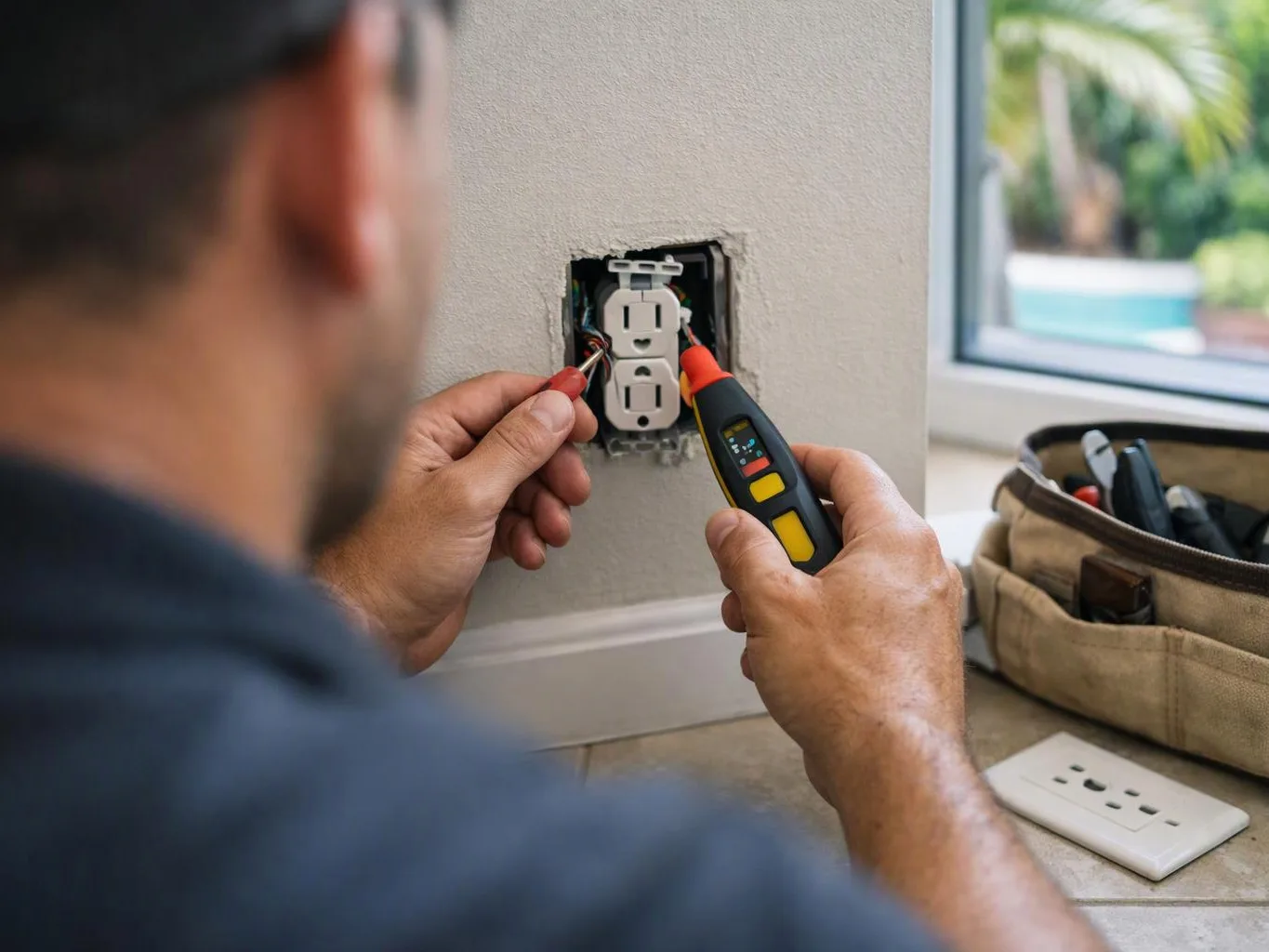
A smoke detector may keep beeping after a battery change because the alarm has a wiring fault, a poor battery connection, or a device fault. We check the battery contacts, power indicator, alarm base, and hardwired connection. A replacement device may be needed when testing shows an internal fault.
What should I do before the electrician checks the alarm?
Keep the alarm accessible and note whether the sound is a single beep, a full alarm, or a low-battery warning. Do not disconnect a hardwired alarm if doing so creates a safety concern. We use those details, along with photos of the alarm and wiring when available, to plan the assessment.