How does a troubleshooting visit move from the first call to the last step?
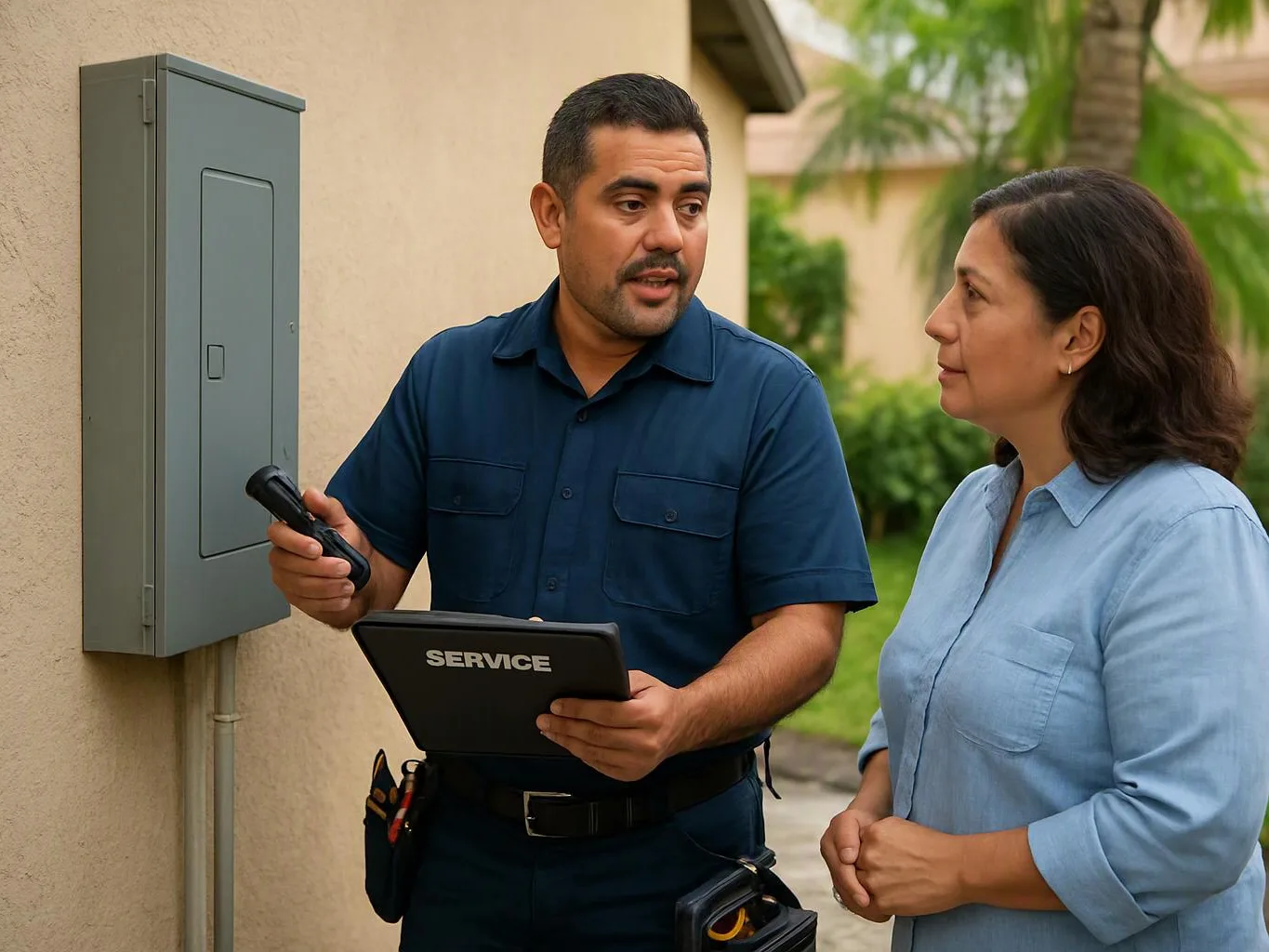
The visit moves from symptom review to inspection, circuit checks, fault tracing, and a repair estimate. Earth Electric starts with the affected room, device, or breaker pattern. We then inspect accessible parts, test the circuit safely, explain the cause we found, and outline the work needed.
What does voltage testing show during a recurring fault check?
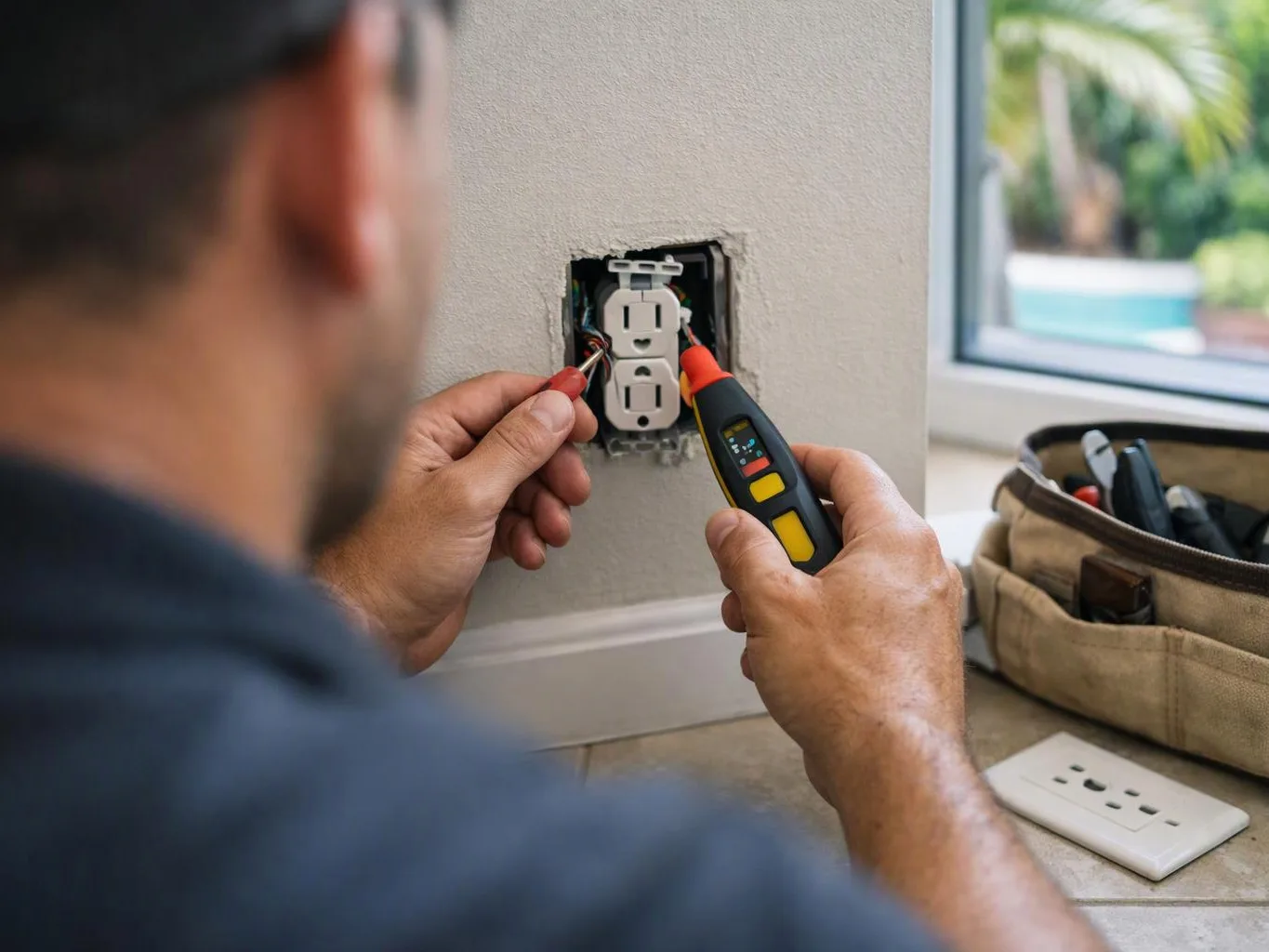
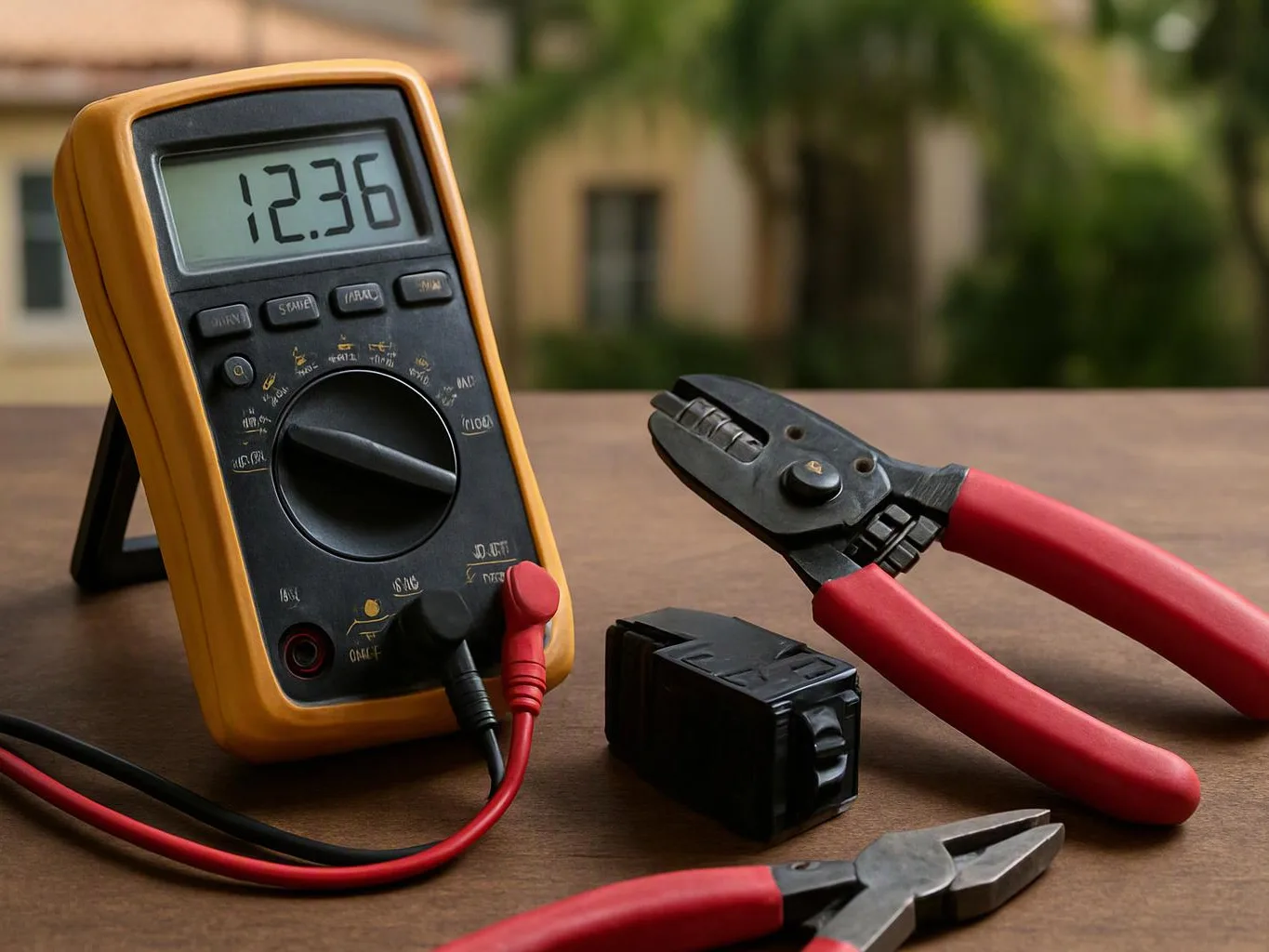
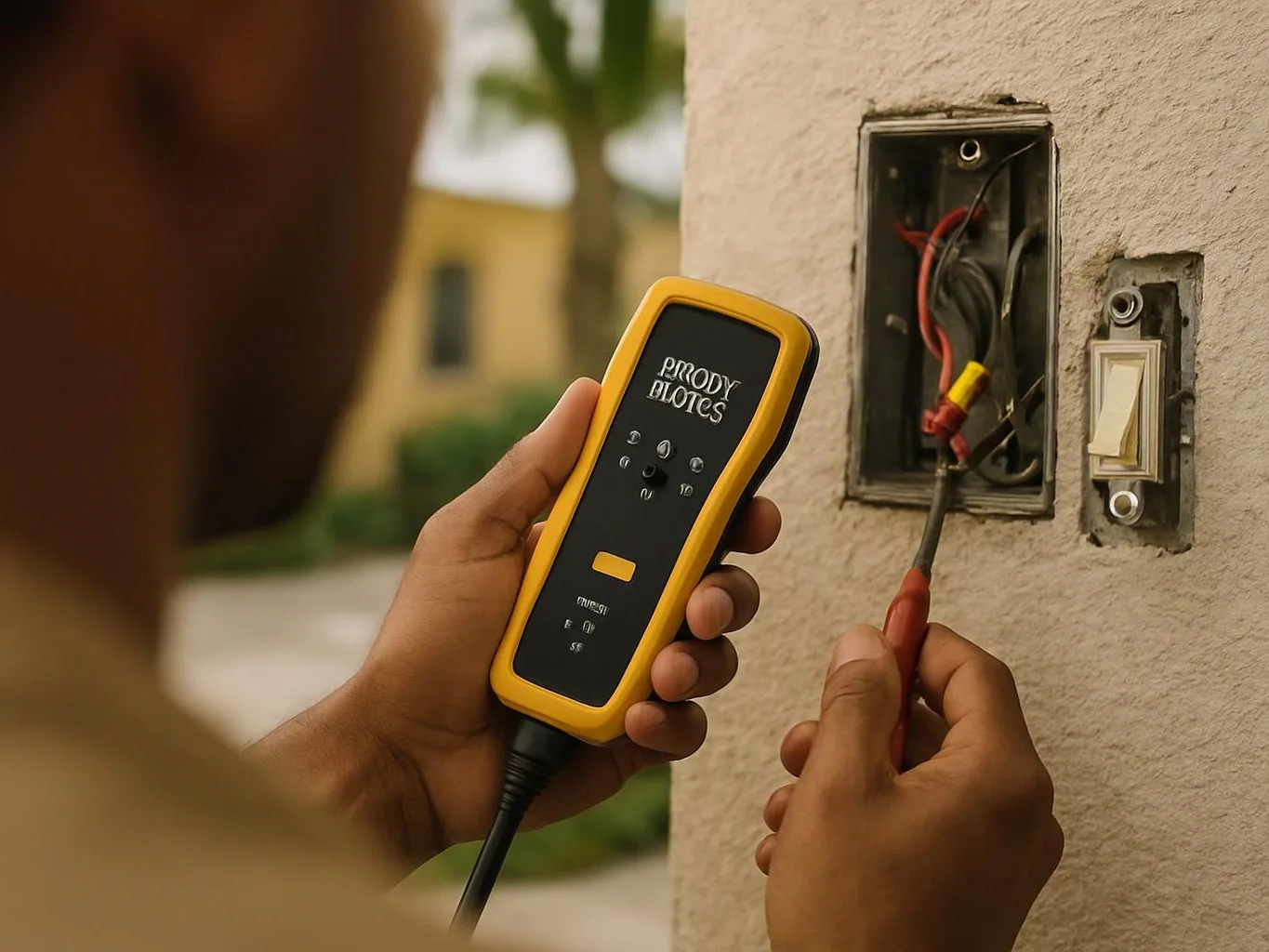
Voltage testing shows whether power reaches the breaker, circuit, device, or outlet being checked. The result helps us separate a supply problem from a failed component or open connection. We use that finding with circuit tracing and visual inspection before setting the repair scope.
Which part of the property decides the scope of electrical troubleshooting?
The affected circuit and its connected load usually decide the scope. A single outlet may need a focused check, while several rooms can point toward the panel or branch wiring. We inspect the affected path and explain whether the work calls for repair, replacement, or a wider safety inspection.
When should a breaker trip lead to a service request?
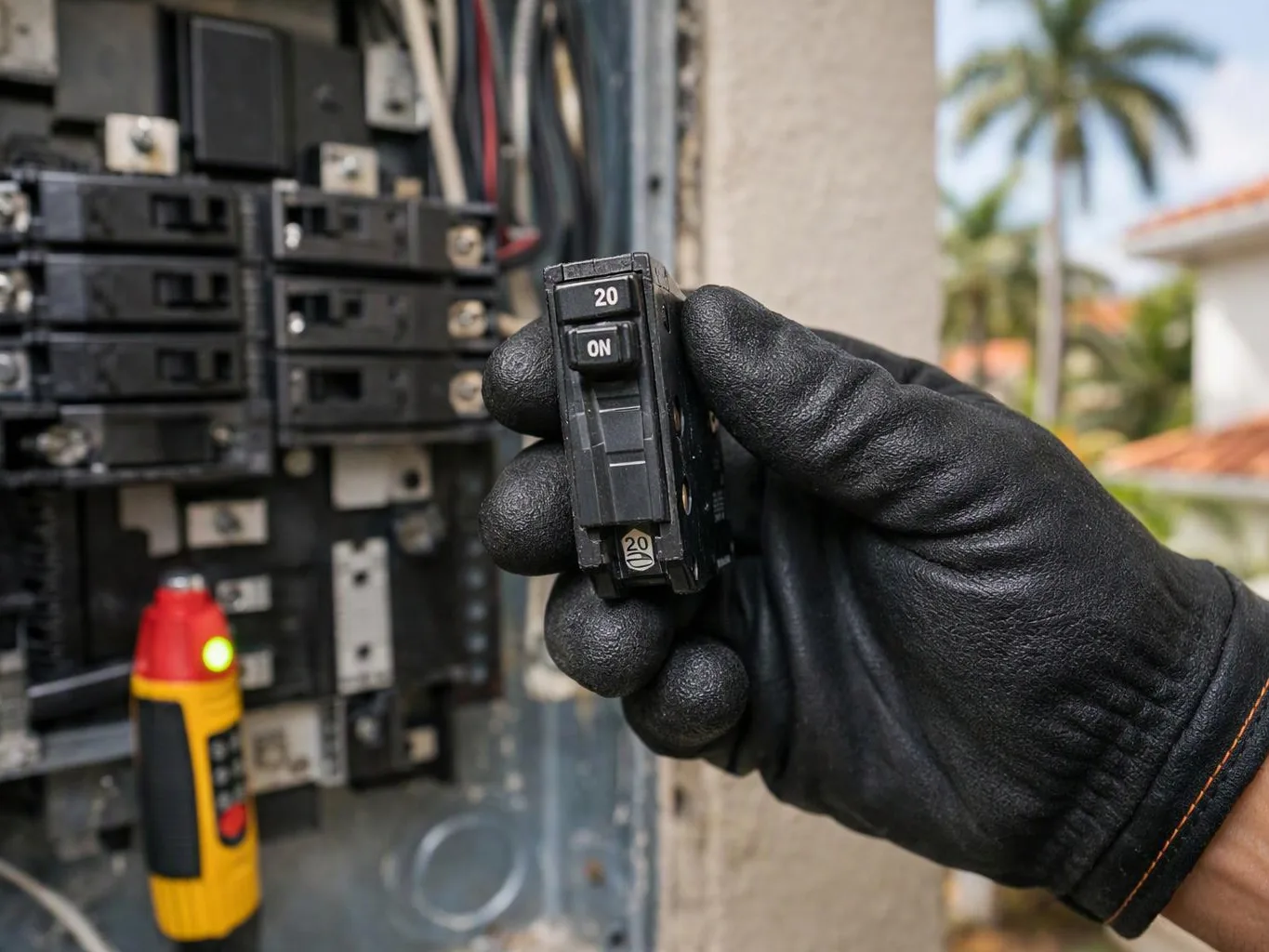
A breaker that trips again after reset should lead to a service request. Repeated trips can involve an overload, damaged wiring, a faulty device, or a worn breaker. Leave the circuit off when possible, and let Earth Electric inspect the panel and connected circuit before further use.
Can this service tell whether a property needs rewiring?
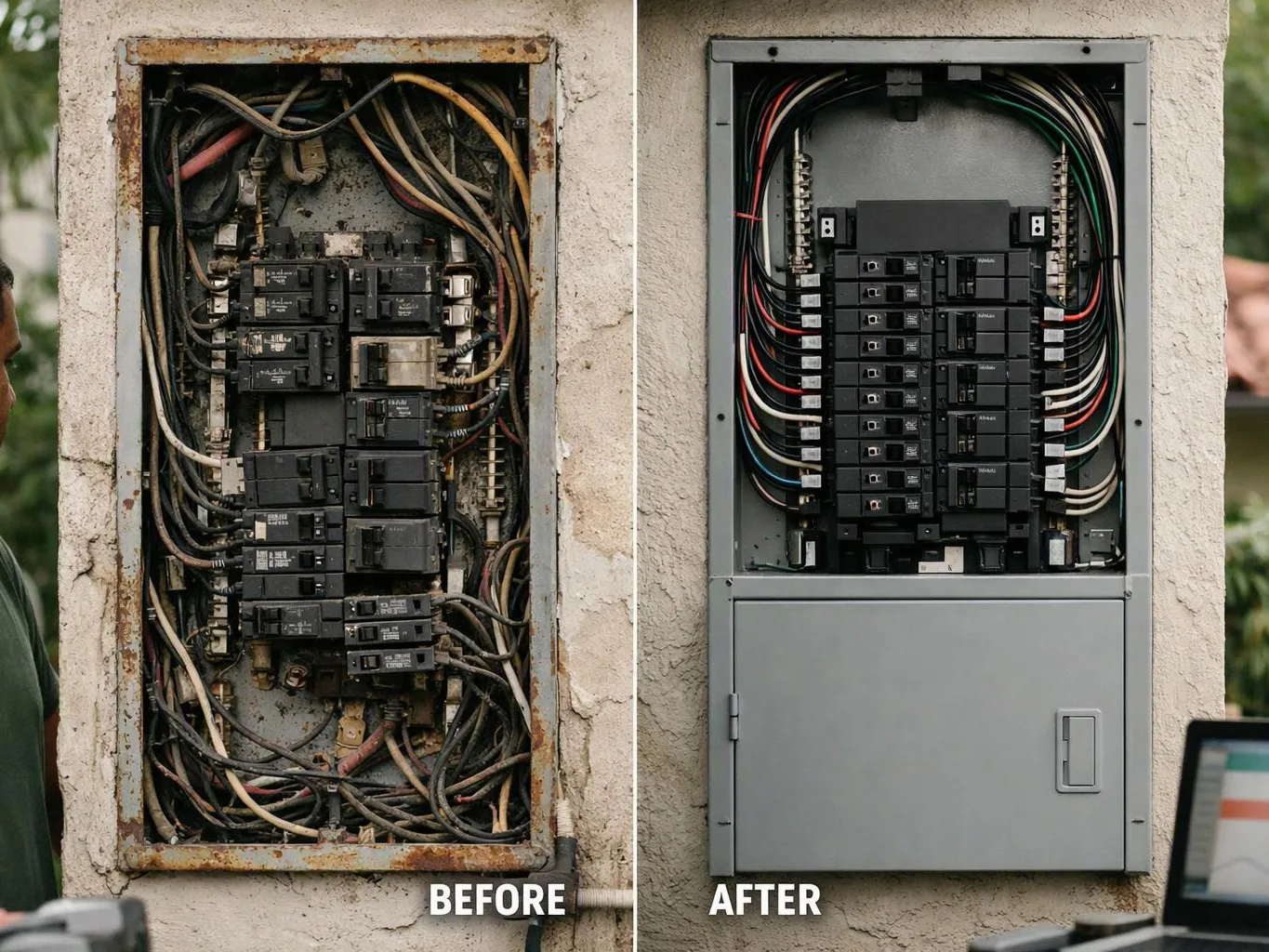
Electrical troubleshooting can show whether a fault involves limited damage or wider wiring concerns. We inspect accessible wiring, connections, breakers, and affected devices before explaining the scope. Rewiring becomes a separate project when the condition extends beyond the isolated fault and needs broader replacement work.
How can a customer tell whether troubleshooting fits the property?
Electrical troubleshooting fits a property with an active or recurring electrical fault. It suits breaker trips, dead outlets, lighting failures, surges, and unexplained power loss. A planned fixture, fan, panel, or charger installation needs an installation assessment when no existing fault requires diagnosis.
What information should customers provide before scheduling an assessment?
The affected room, device, breaker position, and fault pattern help us prepare for the assessment. Tell us whether power returns, whether the breaker trips, and which equipment was running. Photos of a damaged outlet or panel label can add context, but customers should not remove covers or open electrical parts.