How can damaged landscape lighting wiring be repaired?
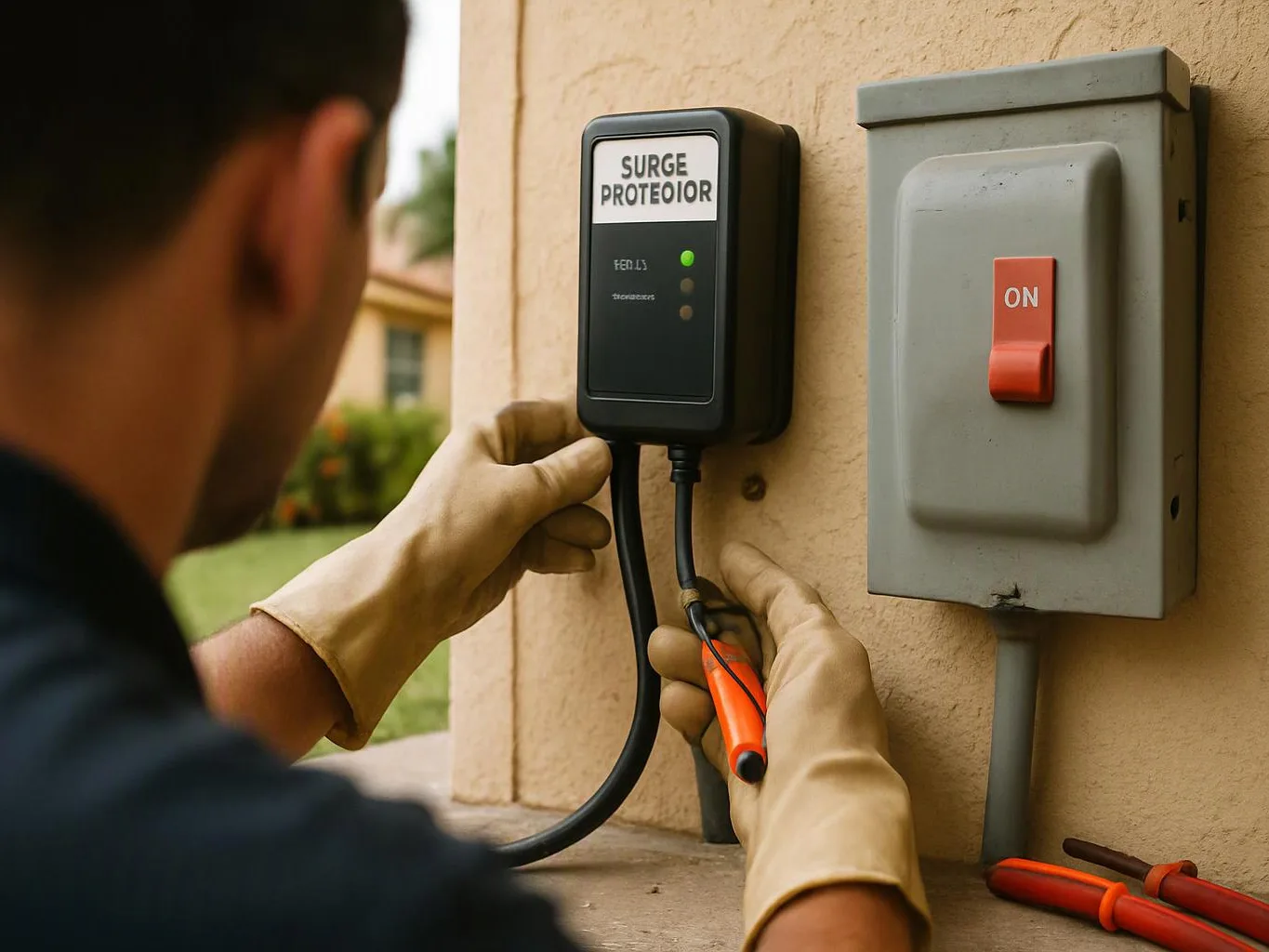
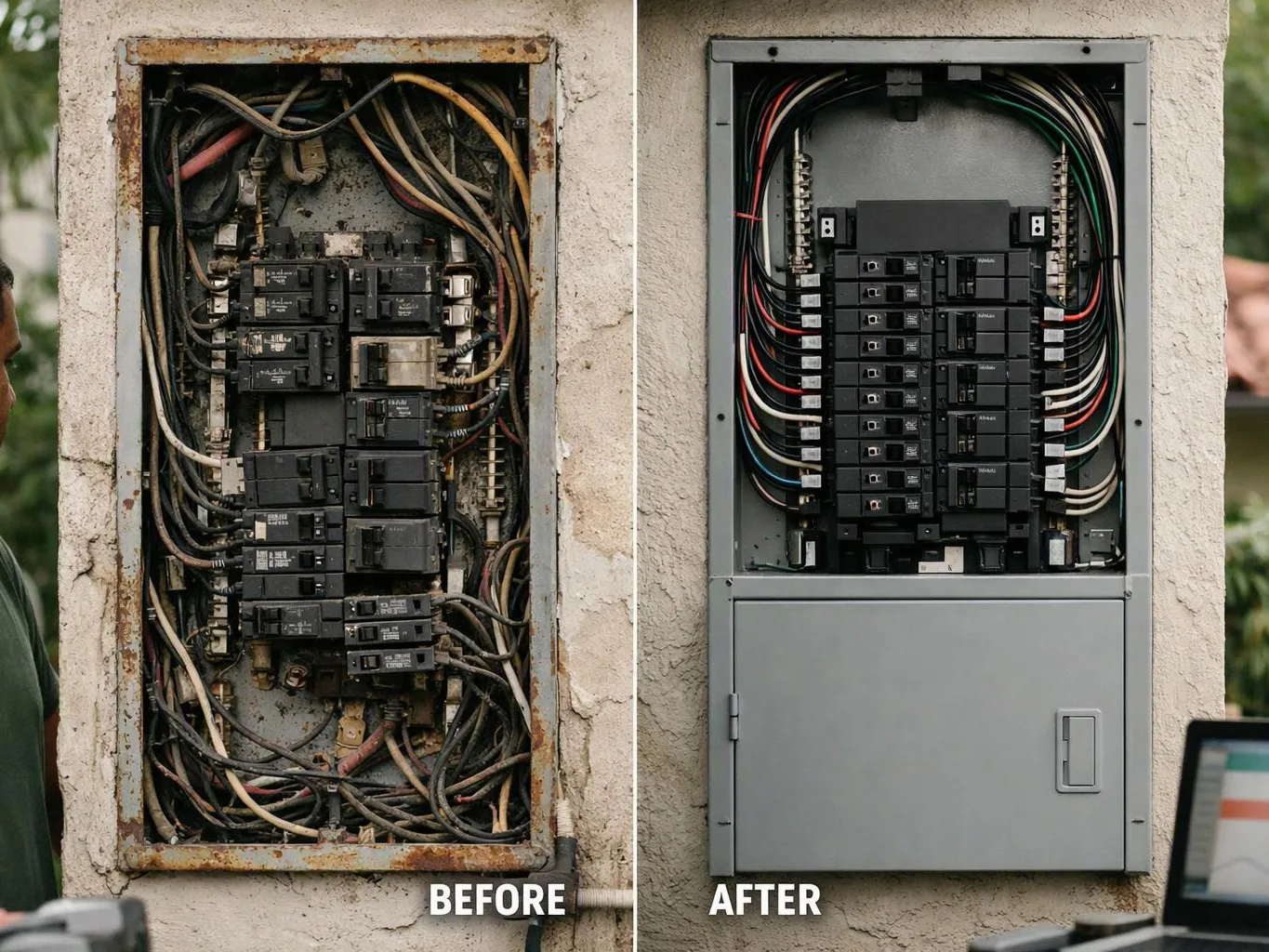
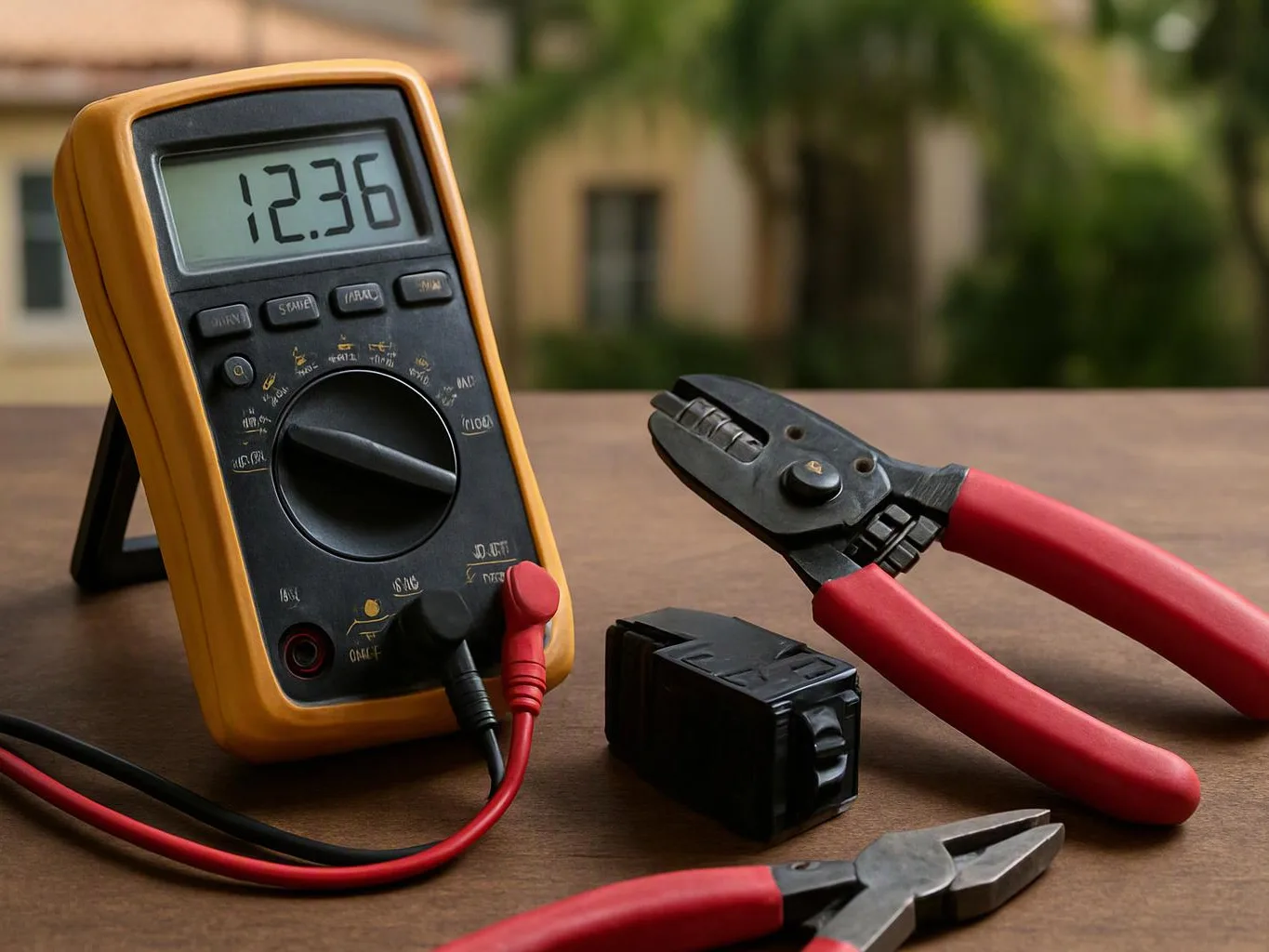
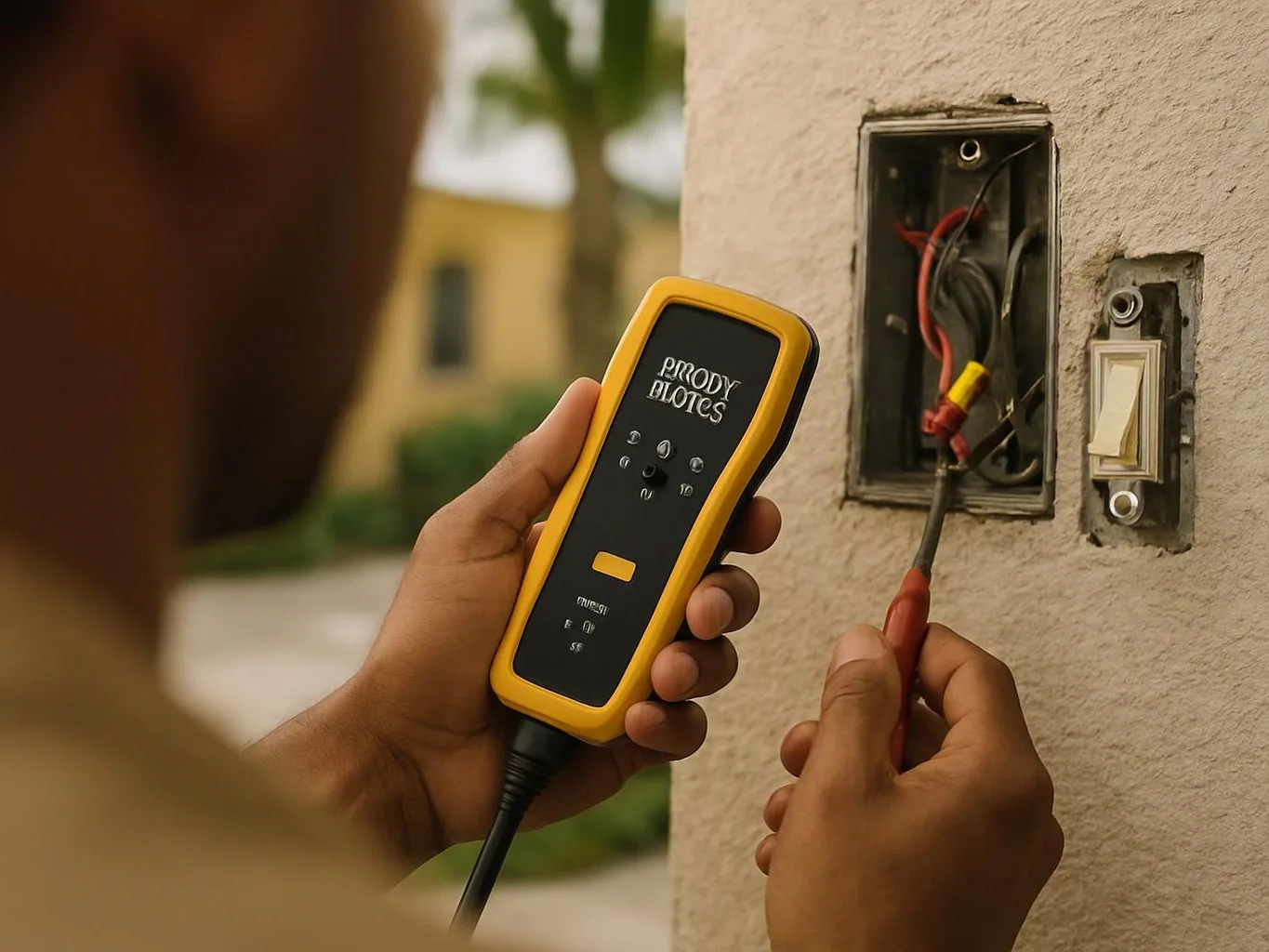
Buried cable damage is repaired by isolating the fault, removing unsafe wiring, and restoring the circuit with a suitable splice, connector, or replacement section. Earth Electric checks the surrounding cable and terminals before testing the lights. The repair method depends on the damage and access, so customers receive an estimate after the affected area is assessed.
Which part of the property decides the repair scope?
The affected cable path decides the repair scope because access and damage location control which parts can be tested or replaced. A fixture connection may need terminal work, while a damaged run may need cable or conduit repair. We inspect accessible sections and explain any area that needs further access before work begins.
Which material changes how long a wiring repair takes?
The existing cable and conduit material can change the repair work because each has different access and connection needs. Copper conductors, outdoor cable jackets, waterproof connectors, and conduit all need compatible repair parts. We identify the materials during diagnosis, then set the work scope from their condition and location.
What should I do before an electrician checks outdoor lighting?
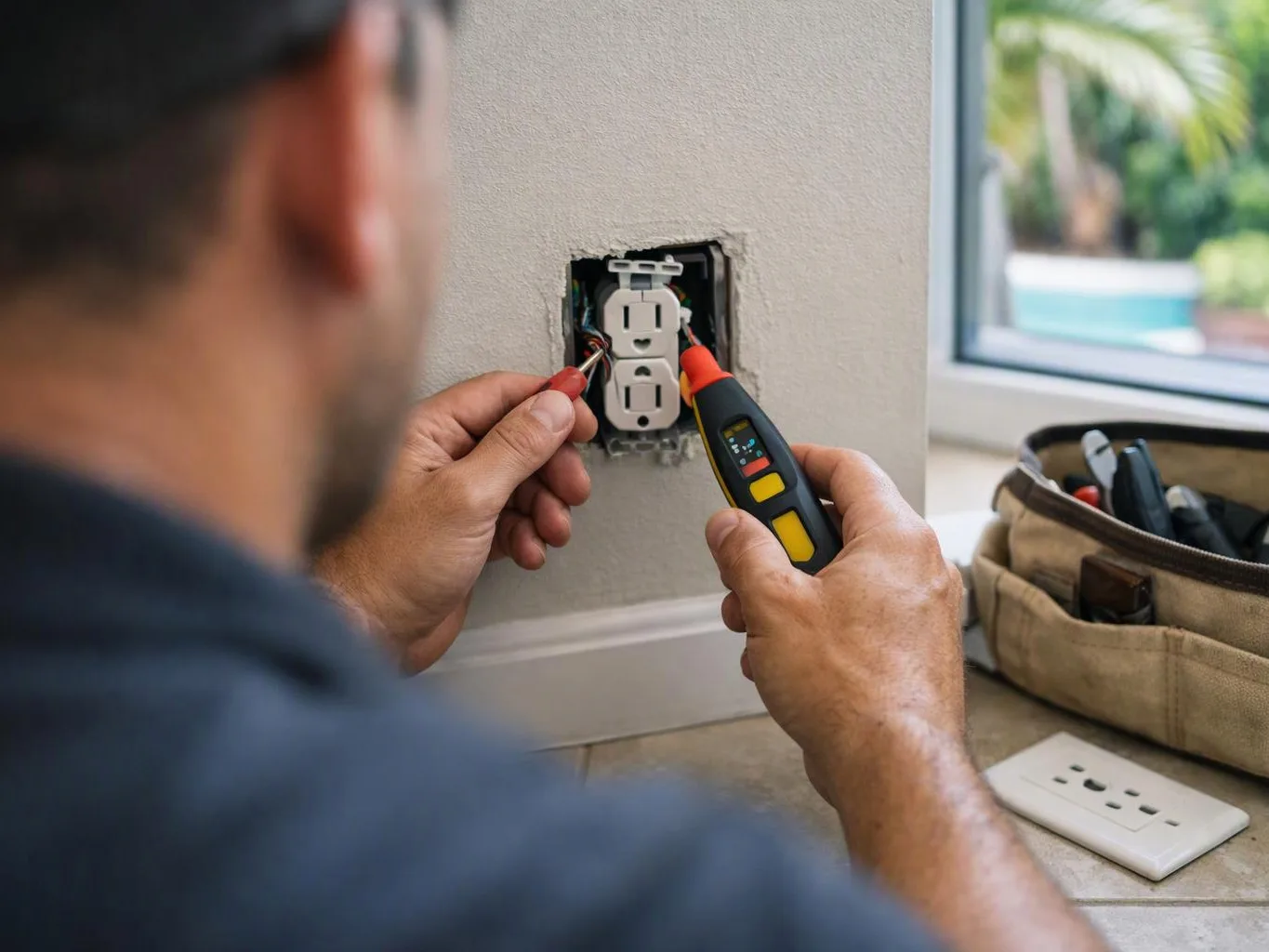
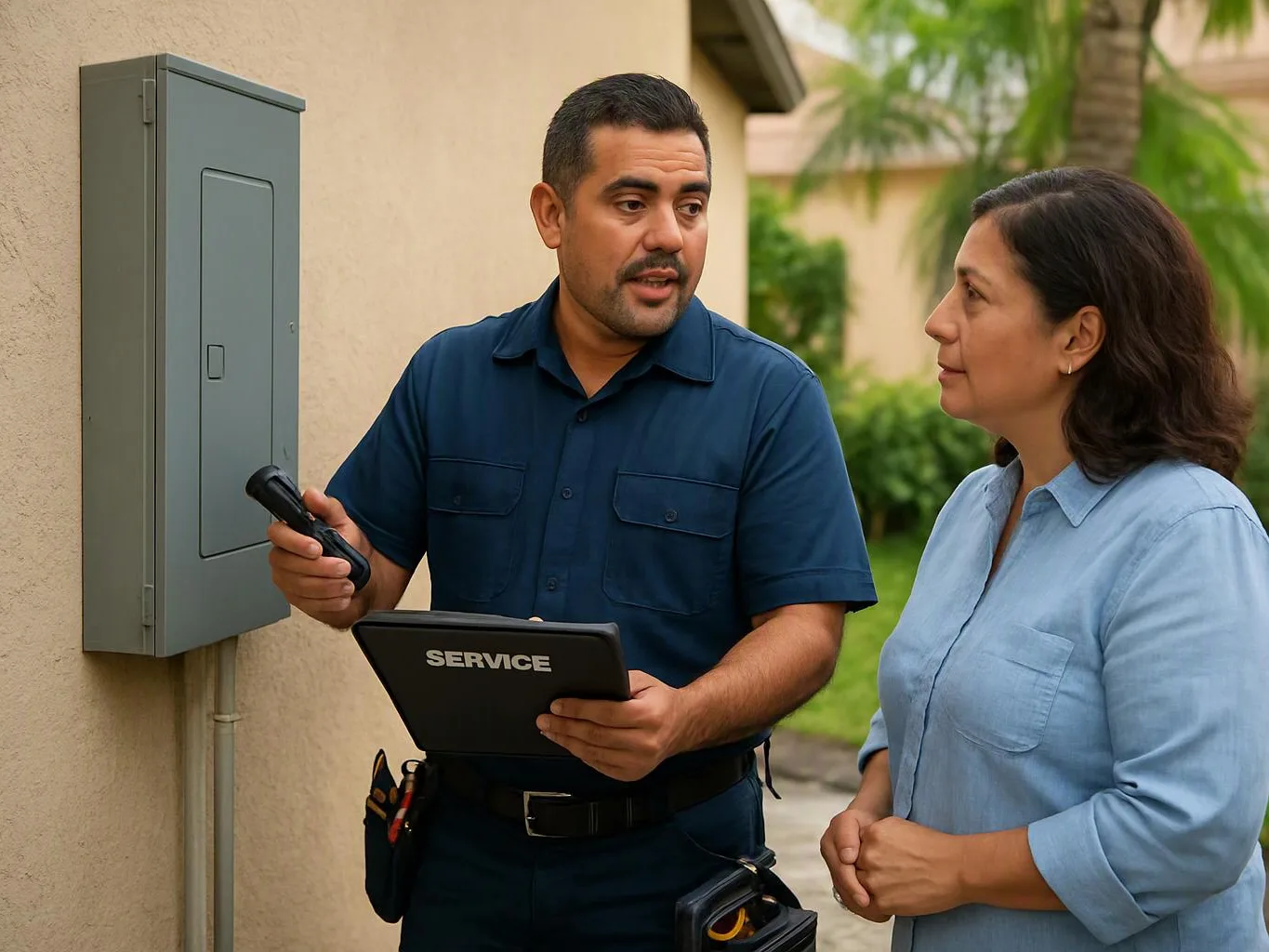
Turn off the affected lighting circuit and keep people away from exposed wiring before the inspection. Customers can photograph accessible fixtures, junction points, and control boxes without opening electrical parts. We use those details to focus the assessment, but the circuit still needs a safe inspection before repair.
When should a connector be replaced instead of reused?
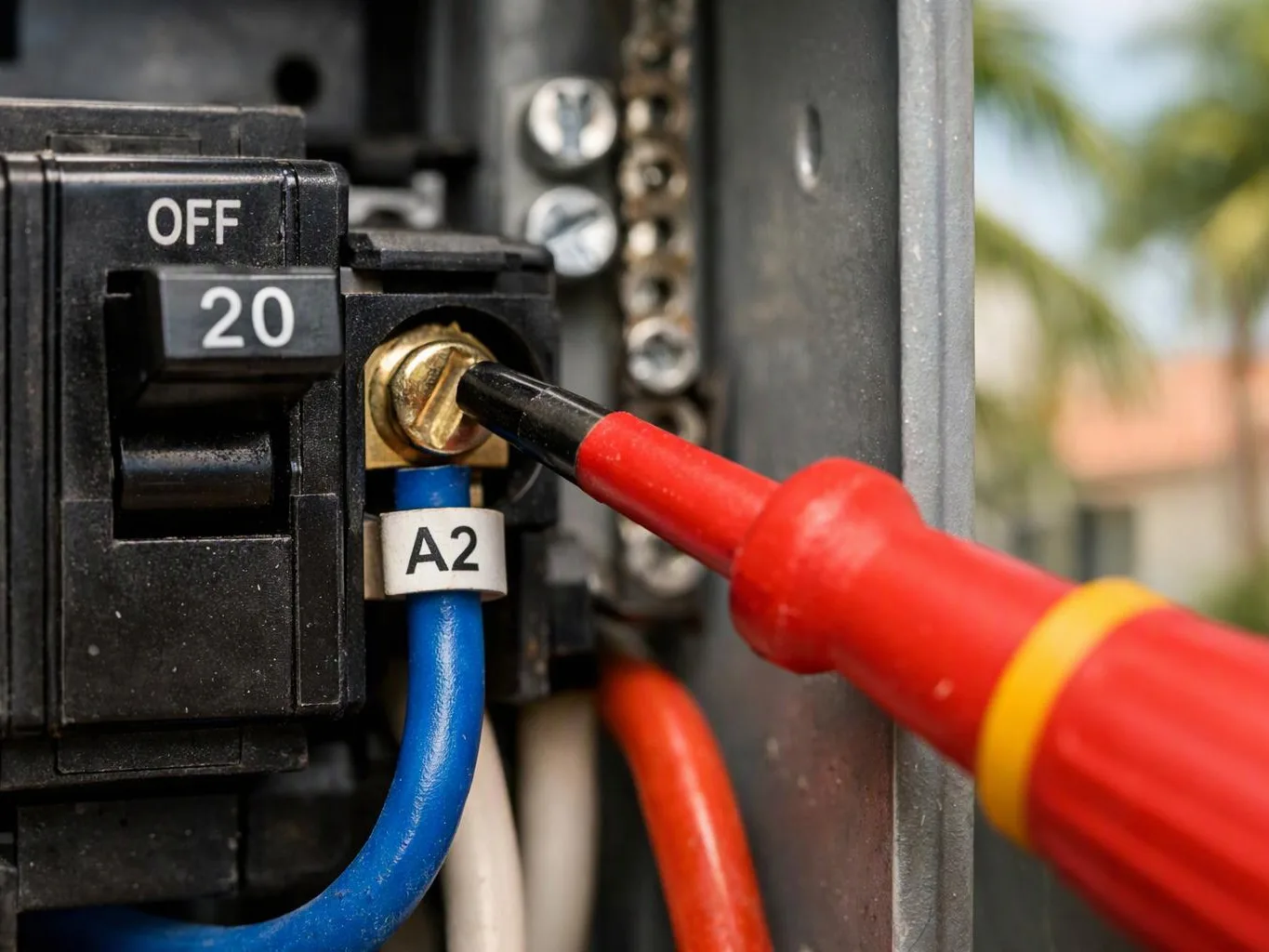
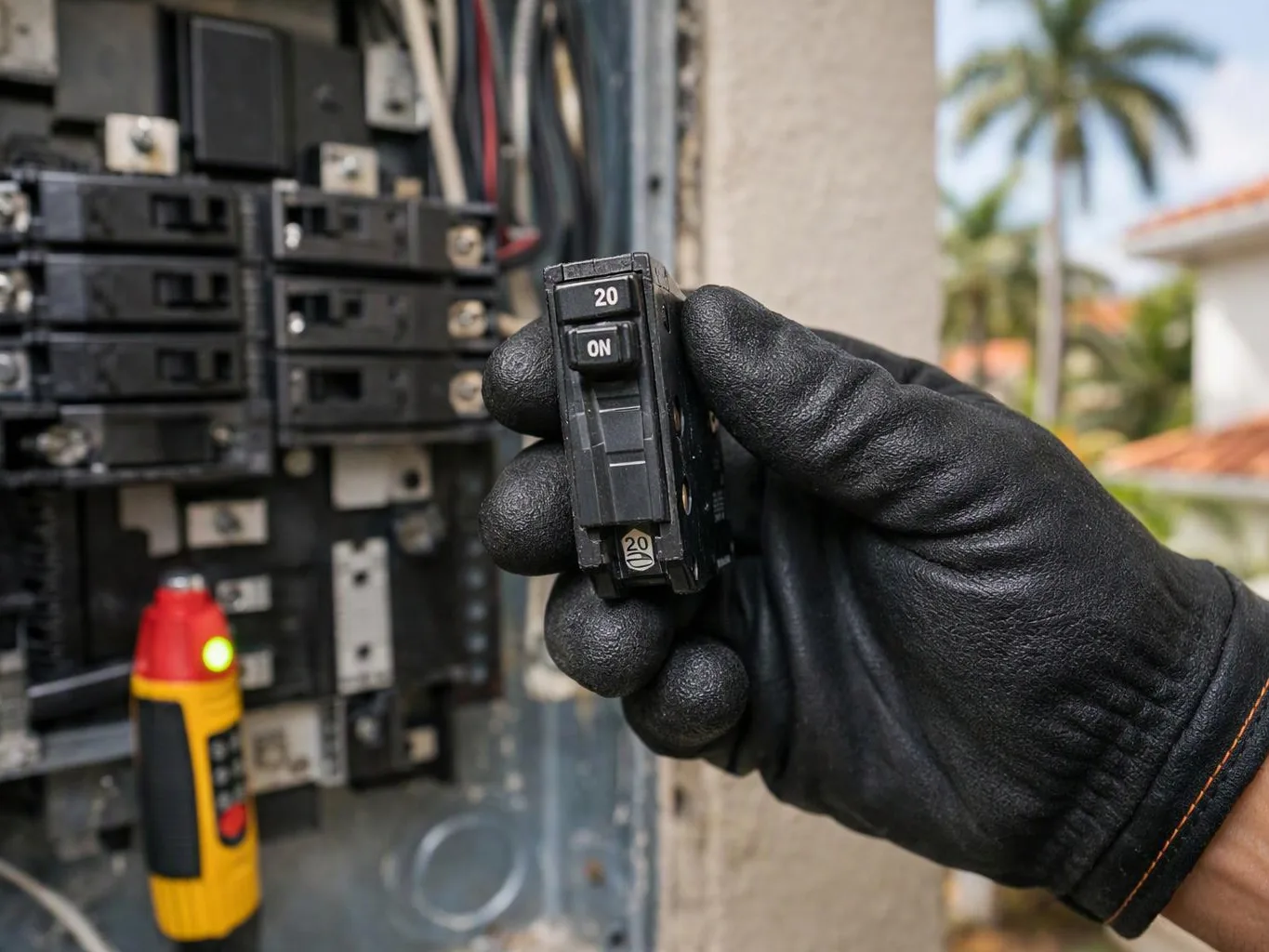
A connector should be replaced when it is damaged, loose, corroded, or unable to protect the cable joint. Reusing a failed connector leaves the same connection problem in place. We inspect the joint, check the cable ends, and select a suitable waterproof connector when the wiring remains repairable.
Why does one fixture stay dark after a new bulb?
A dark fixture after bulb replacement often points to a terminal, cable, or connection fault. The bulb change does not test the full circuit path. We check the fixture connection and nearby wiring, then explain whether terminal replacement, cable repair, or another electrical repair fits the finding.
How does a repair visit move from the first call to the last step?
The repair visit moves from symptom review to circuit inspection, fault isolation, estimate, repair, and testing. Customers describe which lights fail and share safe photos when available. We then check the affected parts, complete the agreed repair, and explain what was tested before the circuit returns to normal use.