How are electrical panel faults diagnosed?
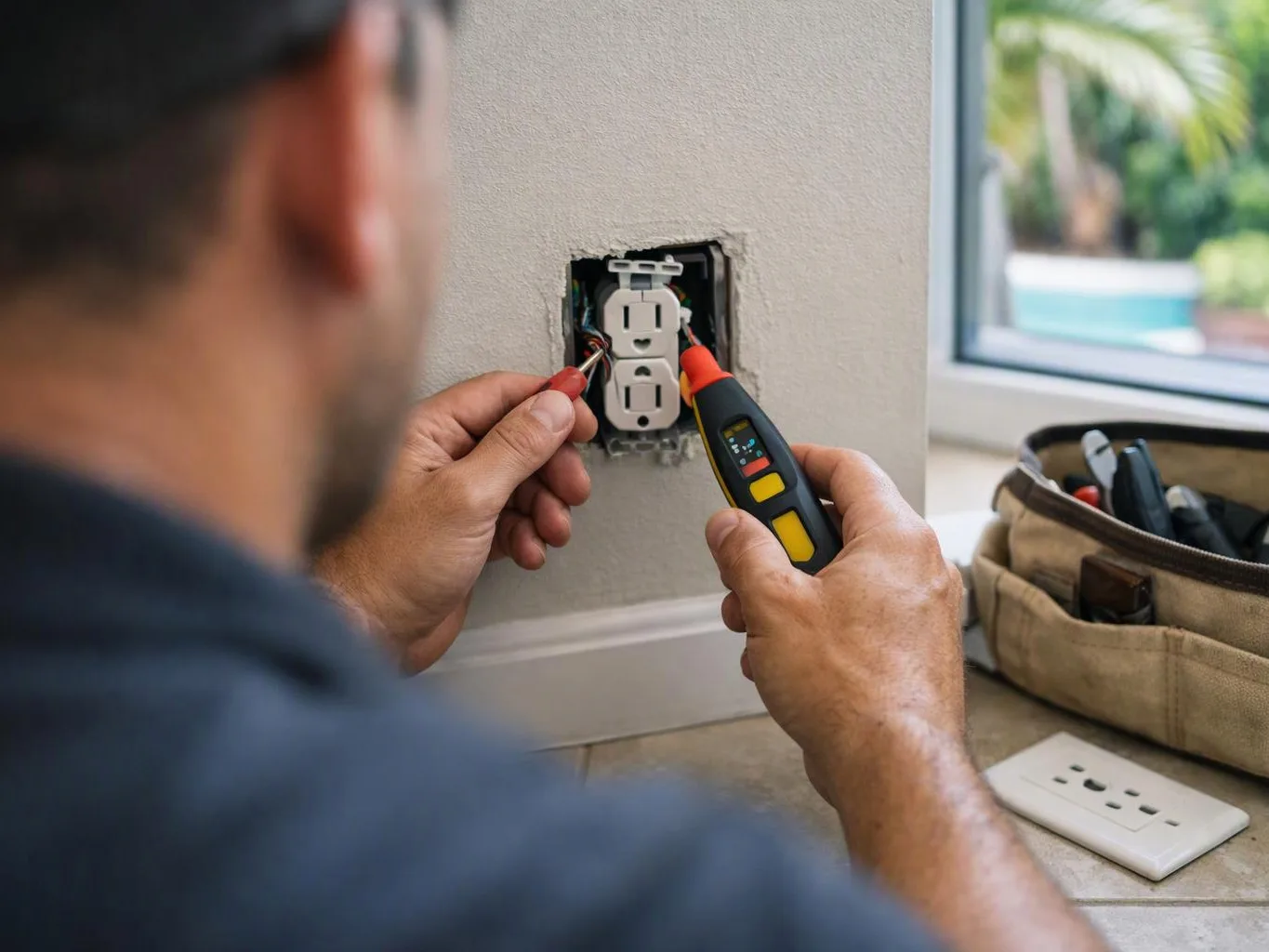
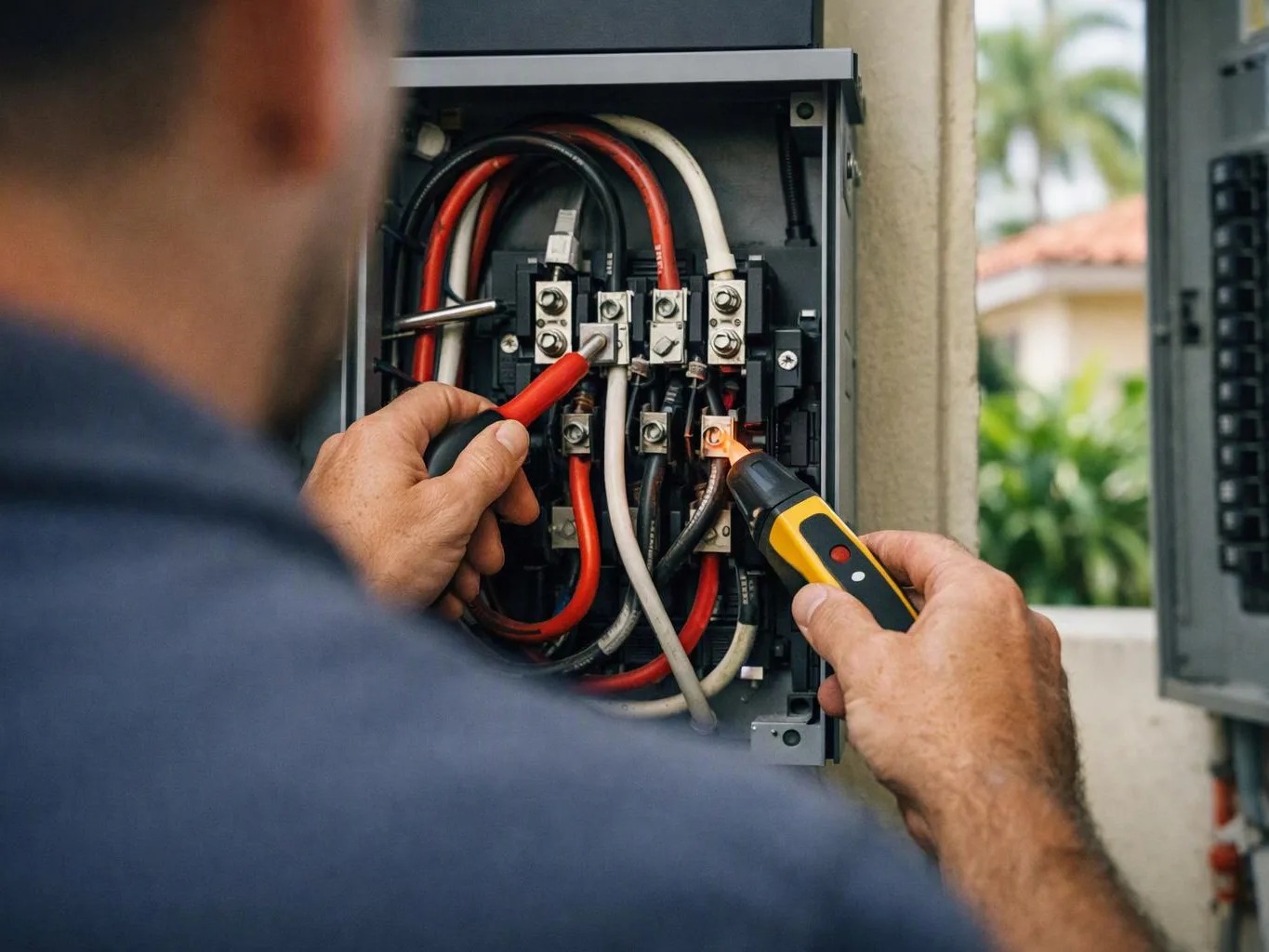
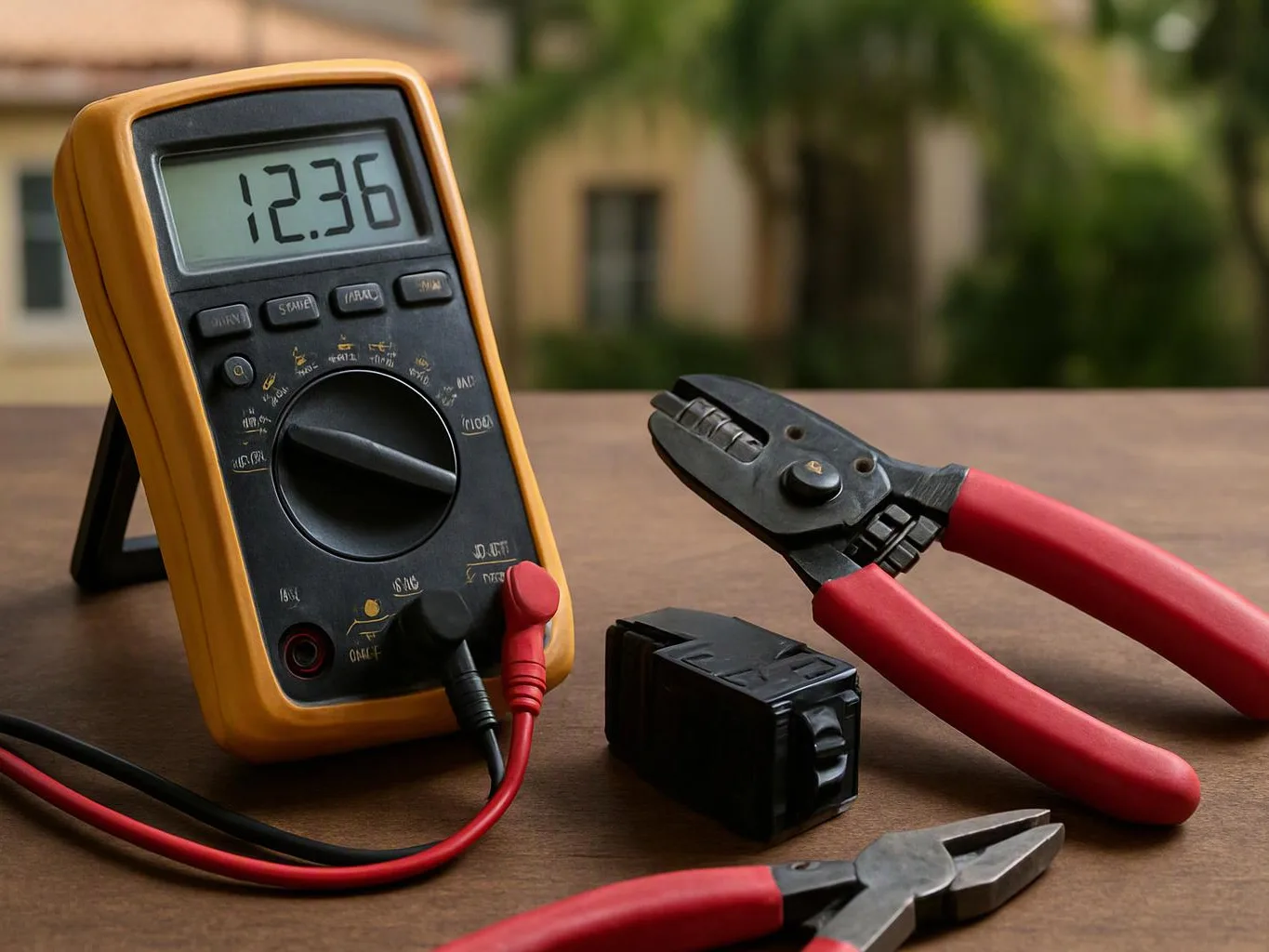
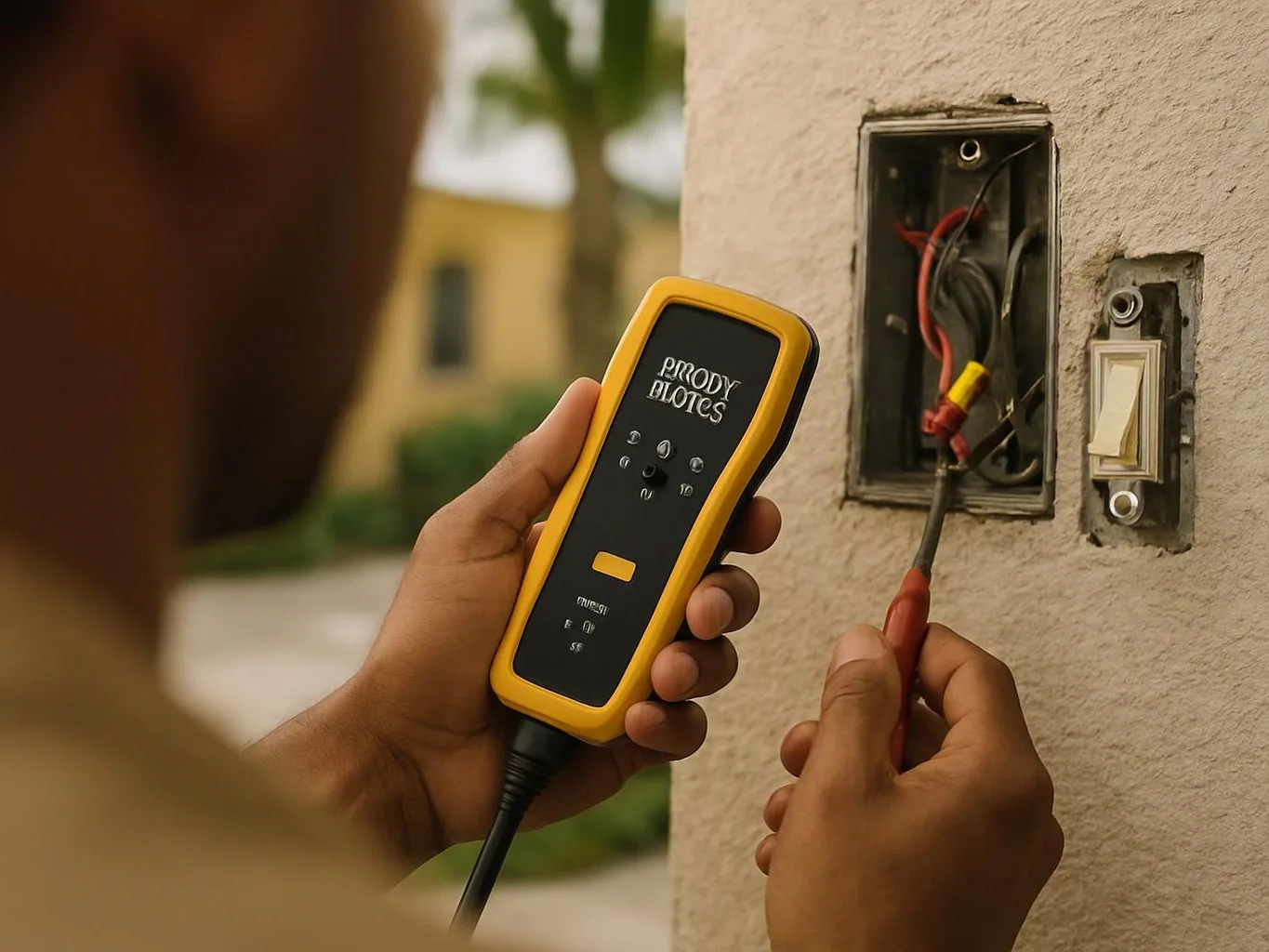
Torque testing helps diagnose panel faults when a connection needs adjustment or replacement. Earth Electric starts with a visual inspection, then checks voltage, measures load, and tests connections. These findings show whether the fault involves a breaker, terminal, conductor, bus connection, or a circuit outside the panel.
What does the crew look at first during panel repair?
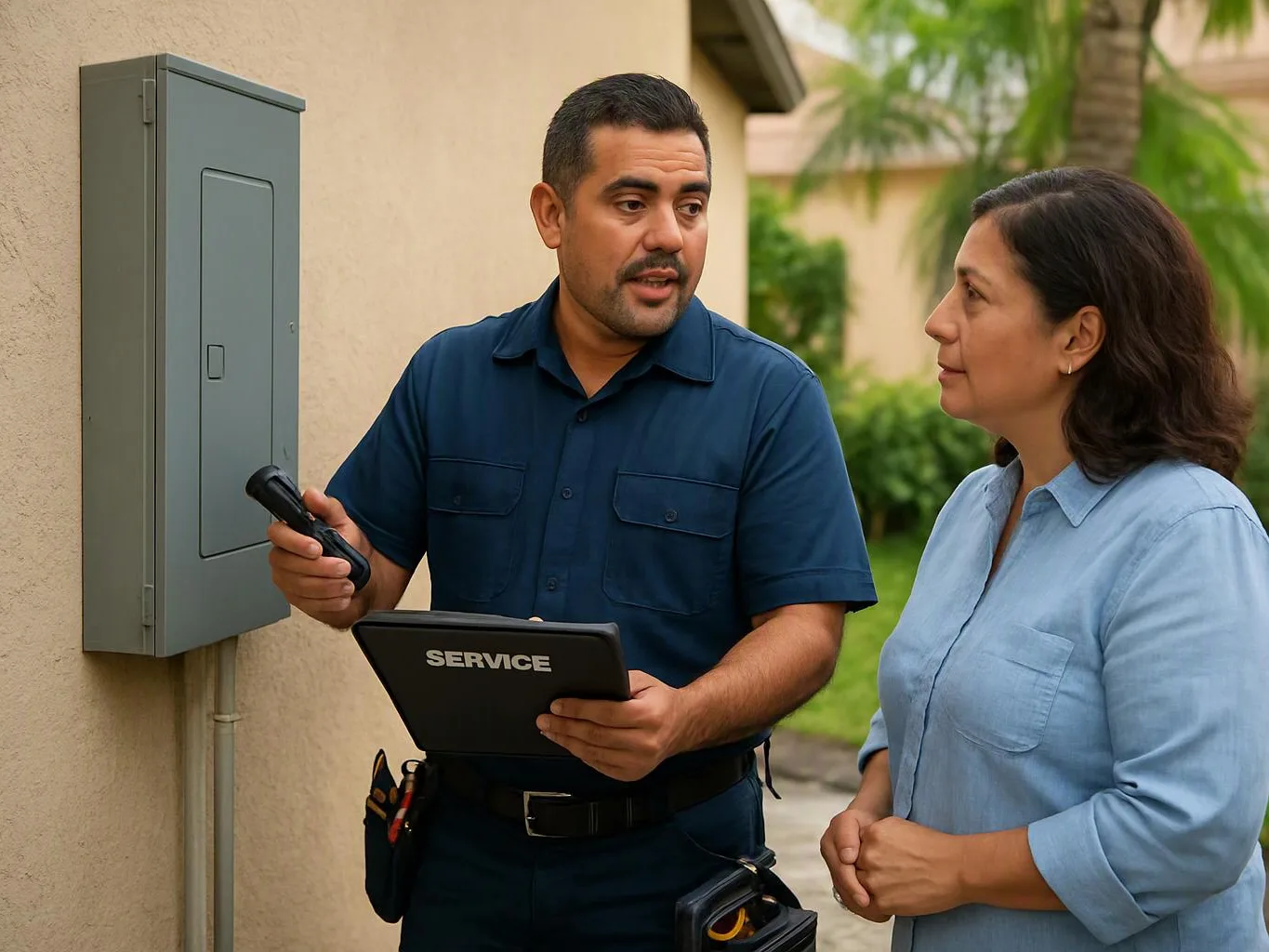
The panel enclosure and visible components receive the first inspection. We check breakers, conductors, terminals, and signs of heat or damage. The reported symptom then guides voltage checks and load measurement, so the repair scope follows the actual fault.
What should be checked before panel repair is scheduled?
The affected circuit, breaker behavior, visible damage, and loss-of-power pattern should be checked before scheduling. Photos of the panel label and affected area can help, but do not remove the cover. Our team uses the available details to plan the assessment.
Which panel problem changes the repair price?
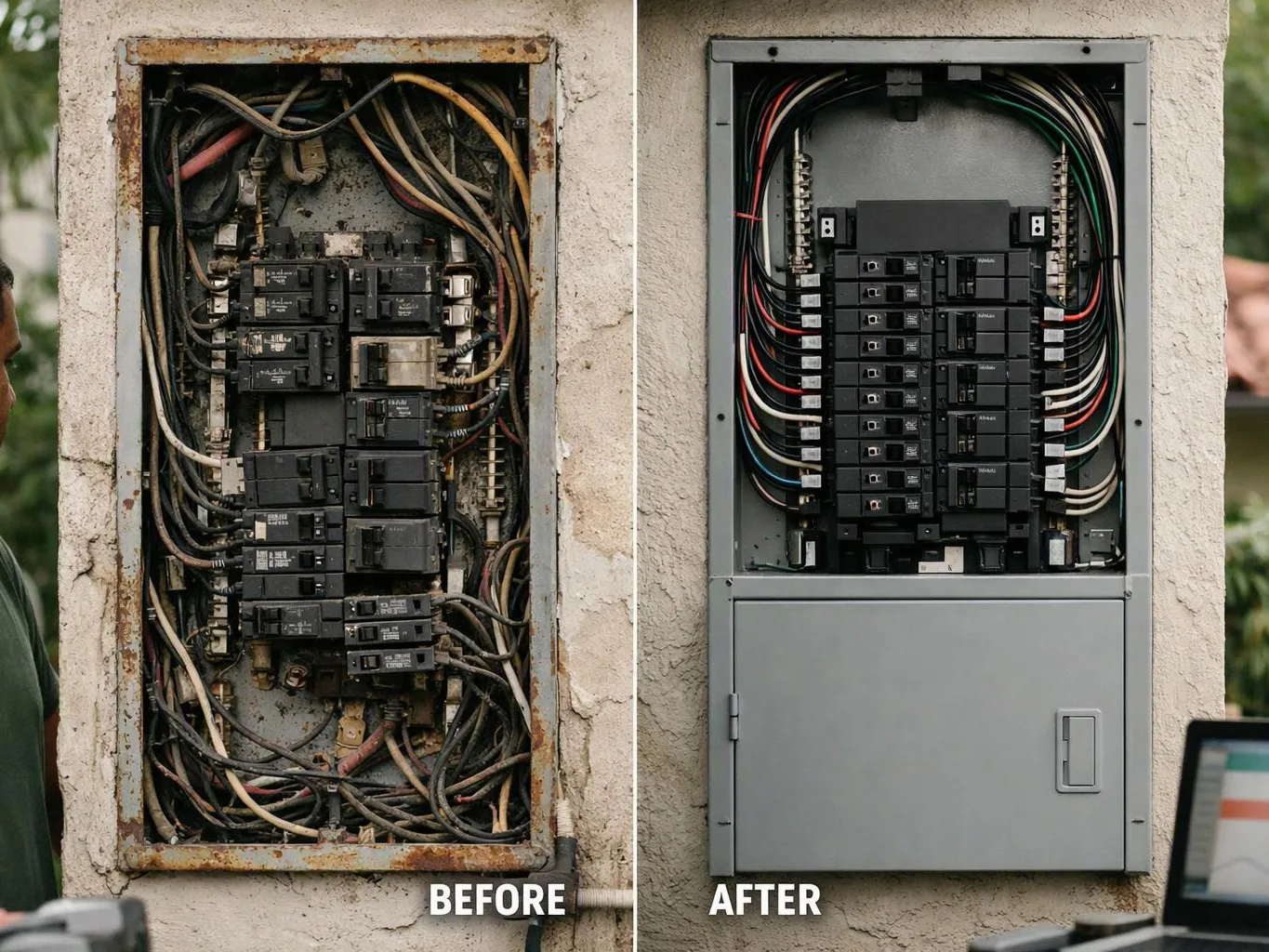
The repair price changes with the fault location, part condition, wiring access, and need for broader circuit testing. A failed breaker may require a different scope from a damaged bus connection or wiring fault. We review those factors before providing a free estimate.
Why can a breaker trip even after replacement?
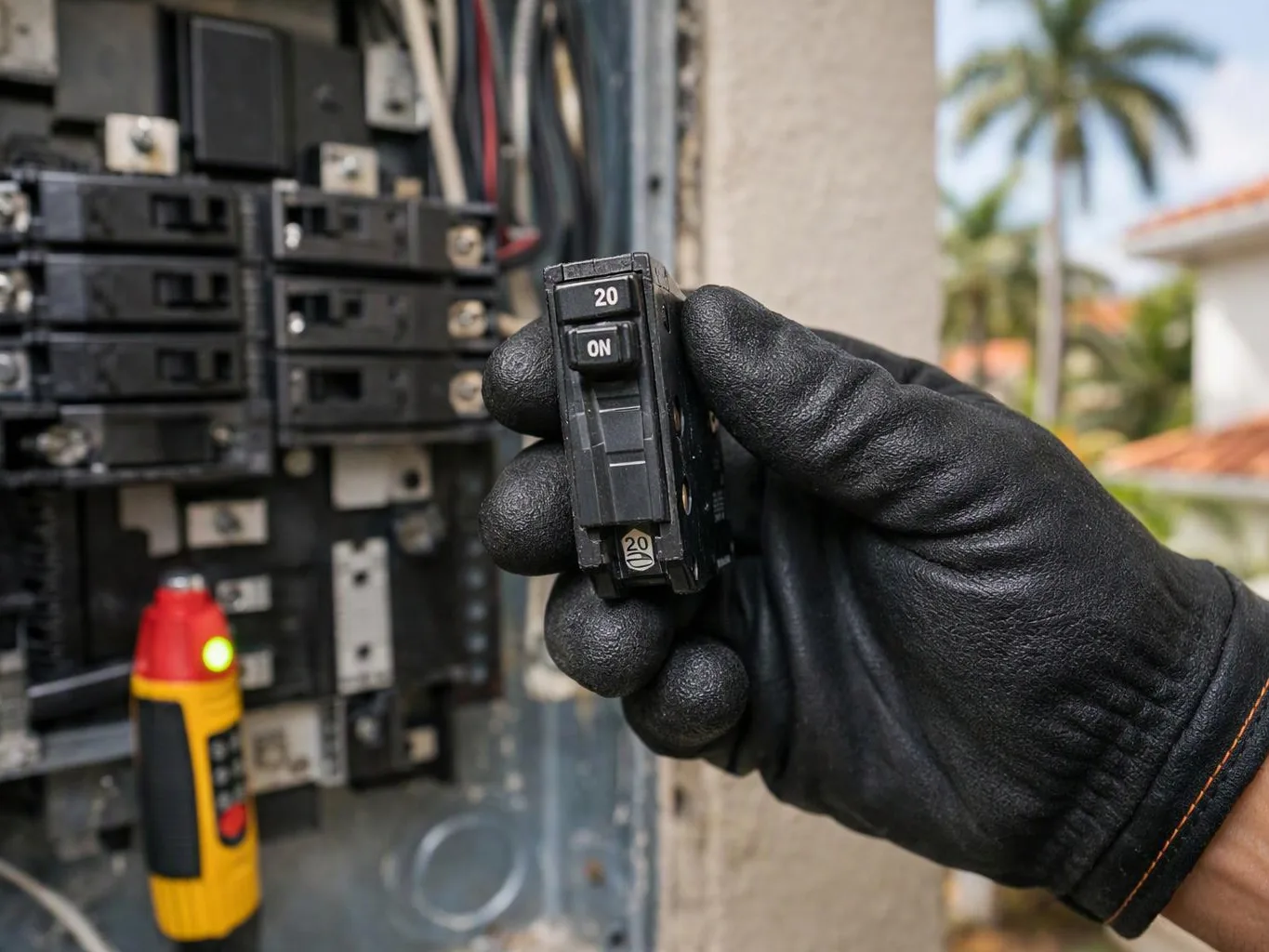
A replacement breaker may still trip when the circuit has excess load, damaged wiring, a faulty connection, or another active fault. We test the circuit and panel together, then identify the cause. Repeated resets can add heat, so leave the breaker off if the problem continues.
Who is a good fit for panel repair, and who needs a different service?
Panel repair fits properties with a diagnosed breaker, connection, wiring, or enclosure fault. Earth Electric handles those residential and commercial repairs. A full panel upgrade, new installation, or property-wide troubleshooting needs a different scope, which we explain after inspection.
Should I replace a circuit breaker myself?
No, homeowners should not replace a circuit breaker without electrical training and proper testing. The panel can remain energized, and the visible breaker may not be the source of the fault. We isolate the work area, inspect the circuit, and set the repair scope safely.