What electrical requirements are needed for home EV charger installation?
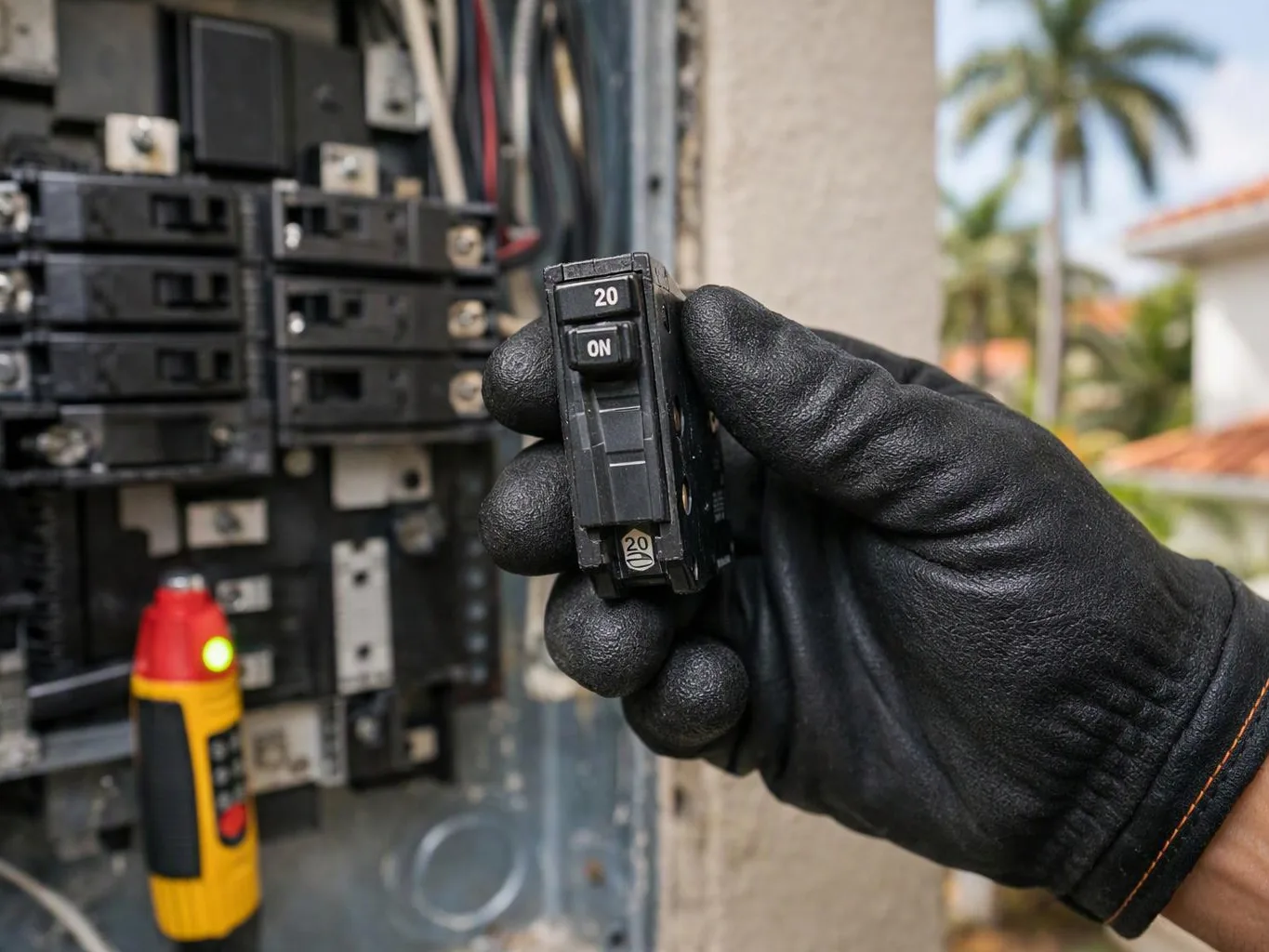
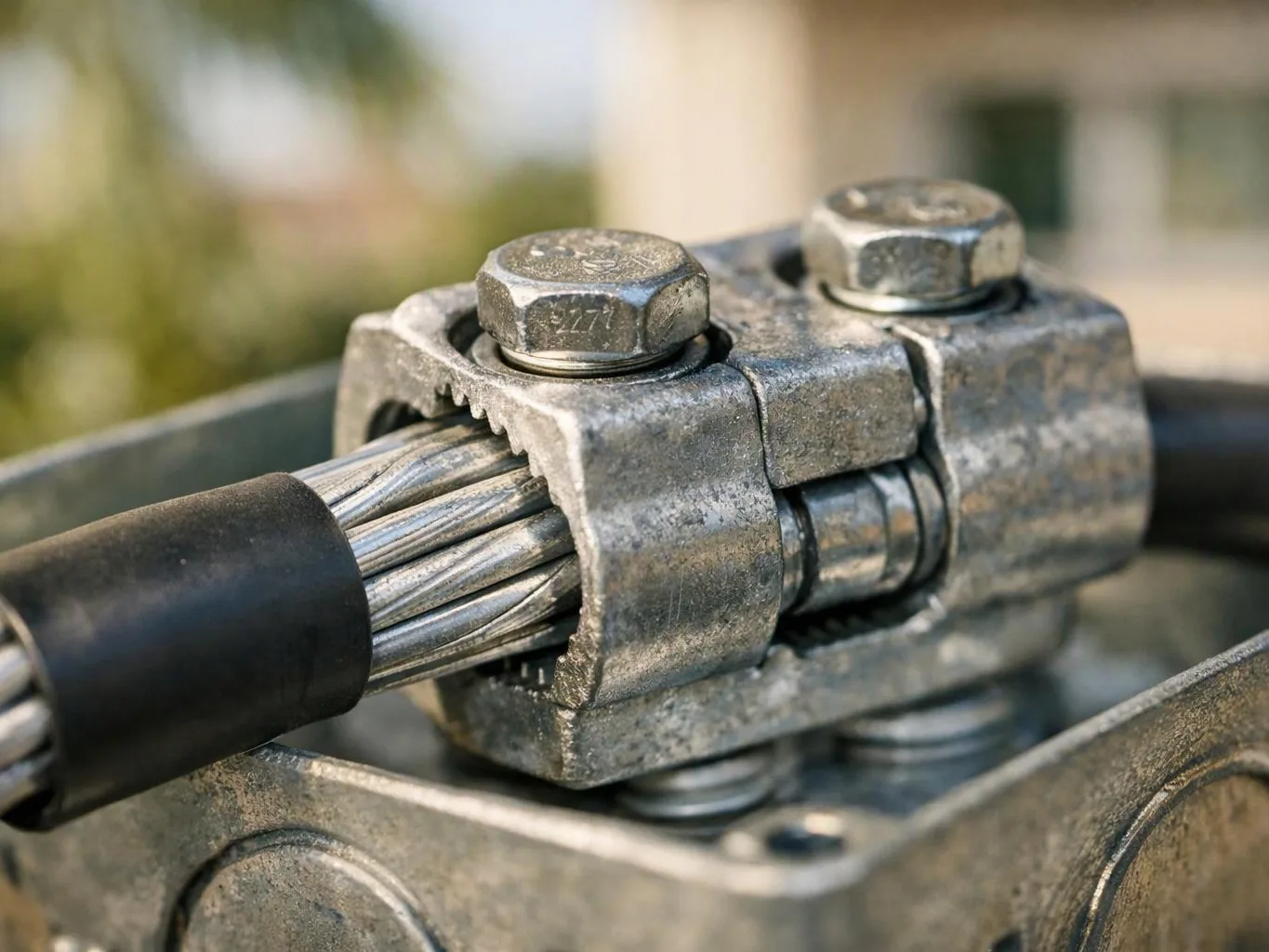
Service panels must support the charger’s dedicated circuit, protection, conductors, and grounding path. Earth Electric installs the work after checking panel condition, circuit space, wiring routes, conduit fittings, and connection points. The required setup depends on the charger and property, so we review those details before providing a free estimate.
Who installs EV chargers for homes and businesses?
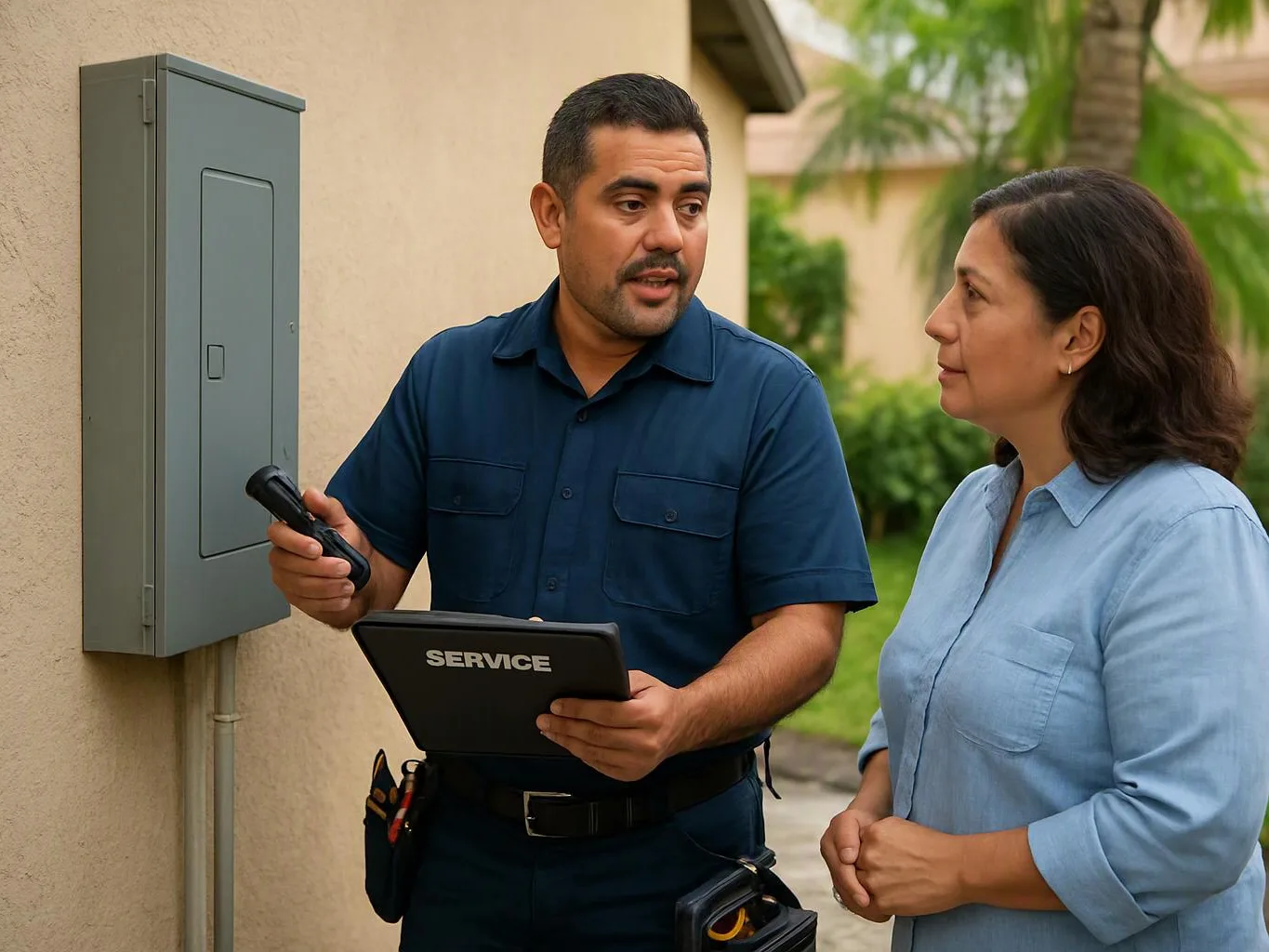
Earth Electric installs EV chargers for residential and commercial properties. We review the service panel, dedicated circuit, conductors, conduit, grounding, and charger connection before setting the work scope. Licensed and insured electricians complete the electrical work, and background-checked, uniformed technicians may handle the service visit.
Which part of the property decides the installation scope?
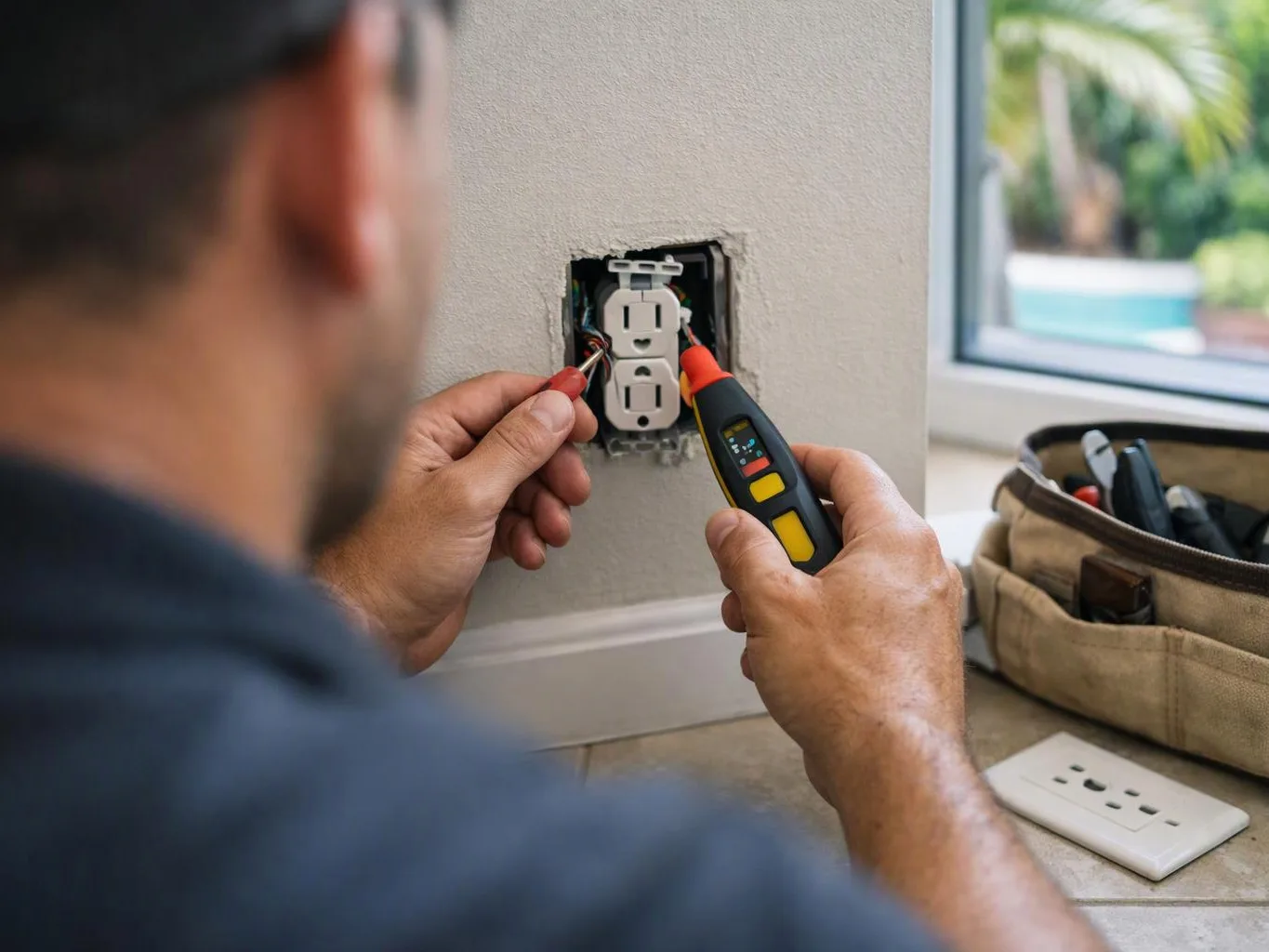
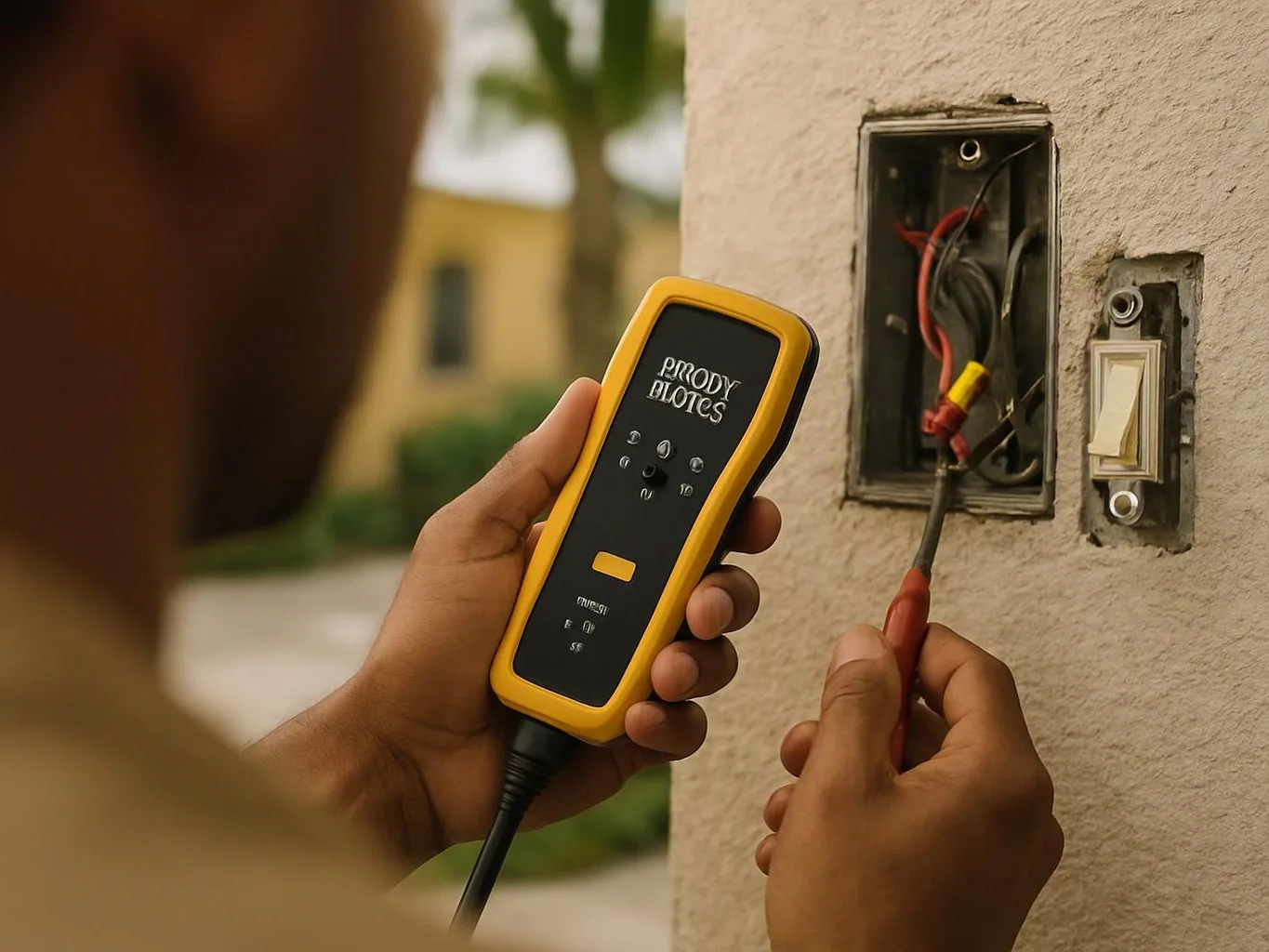
The electrical path from the service panel to the charger location usually decides the installation scope. Panel space, conductor routing, conduit fittings, grounding access, and wall or ceiling access affect the work. Customers can provide charger details and site photos, but Earth Electric must inspect the electrical setup before confirming the scope.
Which material changes how long charger installation takes?
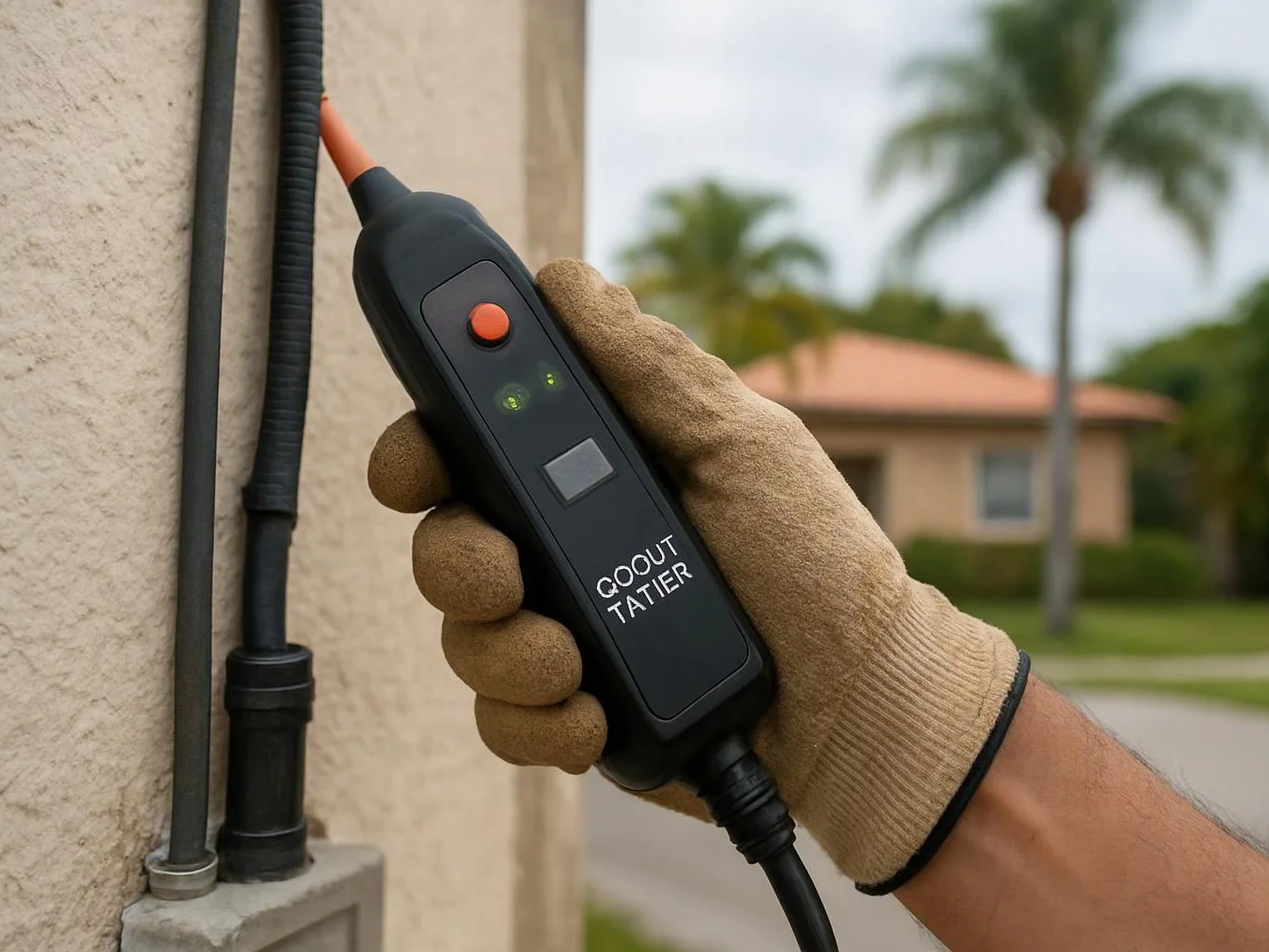
Conduit material and the conductor route can change the work time because each path needs different fittings and access steps. Earth Electric reviews exposed runs, finished walls, panel access, and grounding connections before planning the installation. We don’t promise a duration without seeing the property and the proposed charger location.
How does a charger installation visit move from the first call to the last step?
The visit moves from charger review to electrical inspection, scope planning, installation, and final checks. Earth Electric first reviews the property and service panel, then installs the circuit, conduit, conductors, and grounding path as needed. We finish by checking the connection and explaining the completed work.
When should I stop using a charger before an electrical inspection?
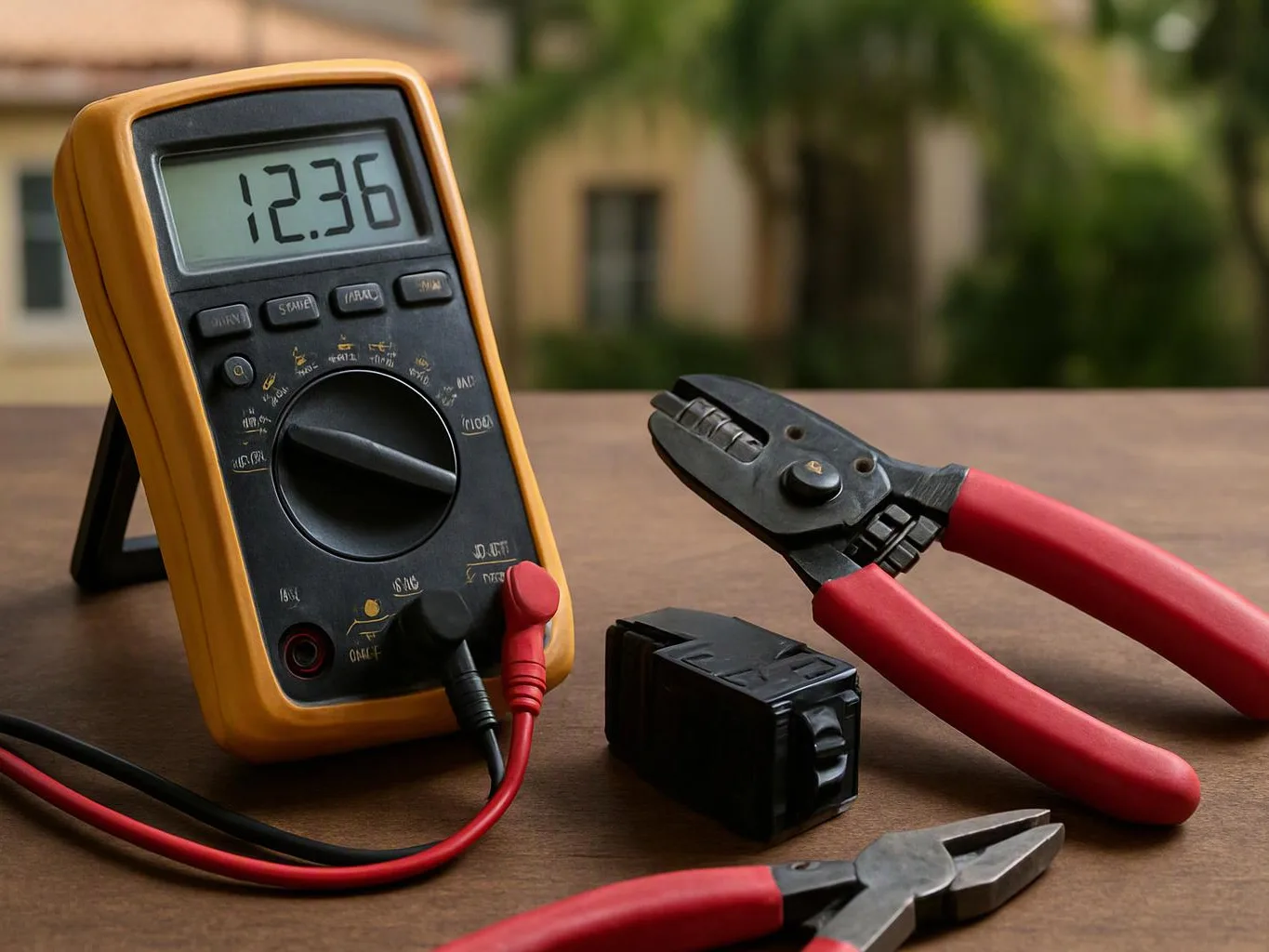
A charger should be disconnected when it trips a breaker, smells hot, shows damaged wiring, or makes unusual sounds. Customers should avoid repeated breaker resets and keep the area clear. Earth Electric can inspect the panel, circuit, connections, and grounding path to identify whether the issue needs repair or new installation work.