How can I tell if a circuit breaker needs repair?
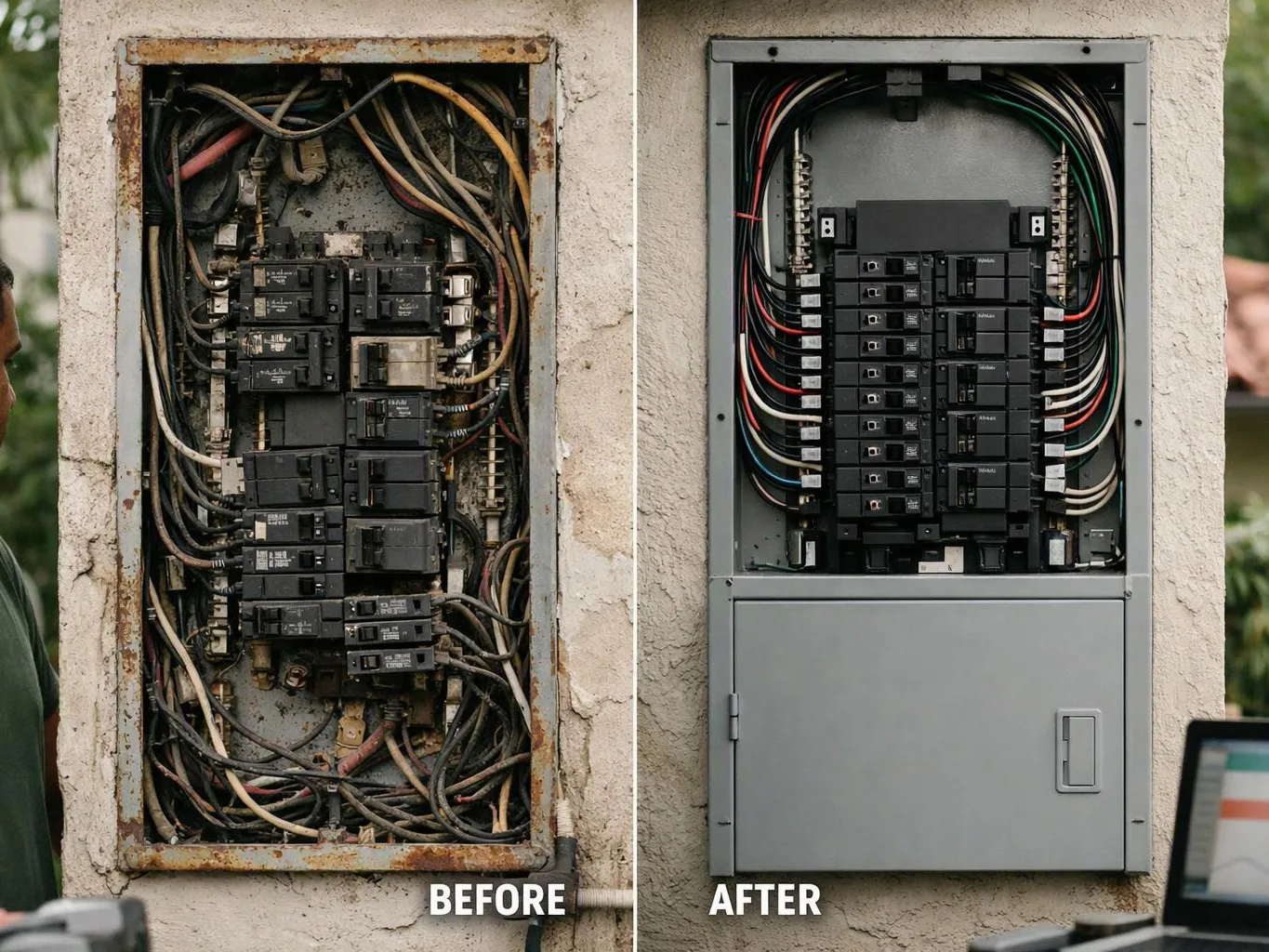
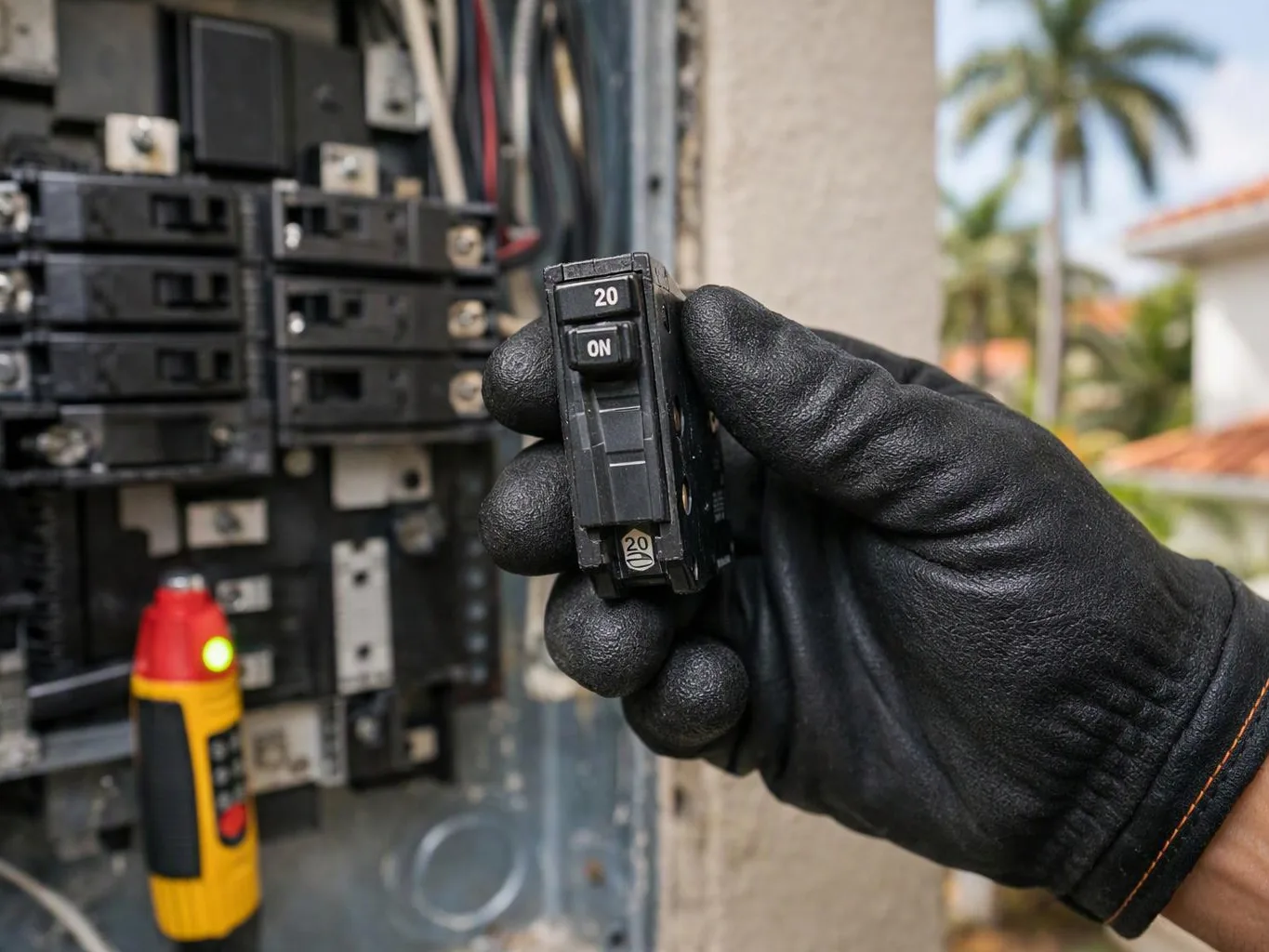
Repeated tripping is a strong warning that the breaker or its circuit needs inspection. A weak reset, heat, burning smell, corrosion, or dark marks adds concern. Earth Electric checks the breaker, panel connections, wiring, and connected load before recommending repair or replacement. Keep the circuit off when visible damage or a burning odor is present.
Which part of the property decides the repair scope?
The affected panel and branch circuit decide the repair scope. We check the breaker, terminals, wiring path, outlets, lights, and connected equipment. A fault limited to the breaker may need focused work, while damaged wiring or panel connections can require broader troubleshooting. Tell us which parts of the property lose power.
What should I do before requesting breaker service?
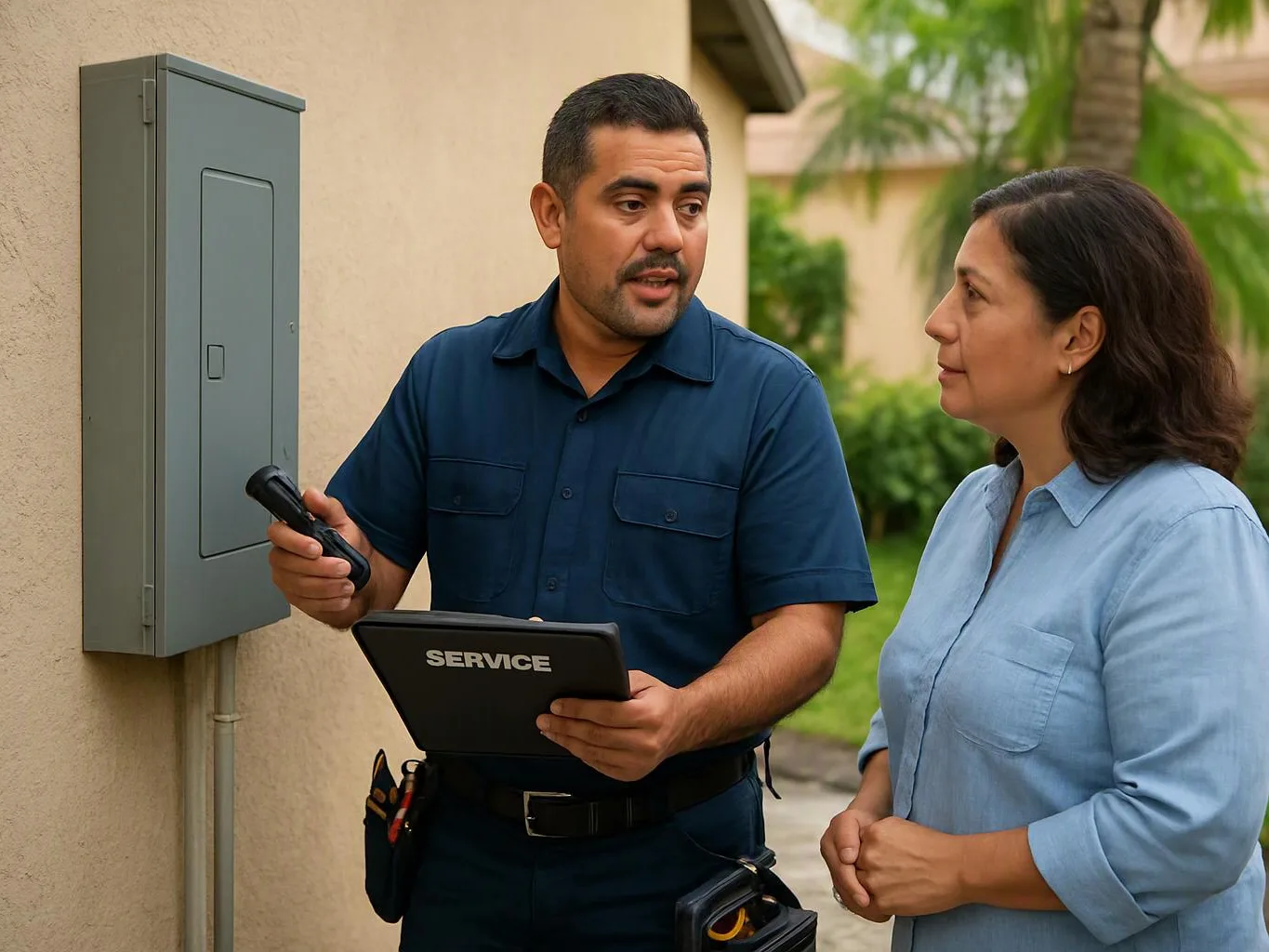
The safest first step is to leave a damaged or repeatedly tripping circuit off. Do not remove the panel cover or touch hot, corroded, or burned parts. Note the affected rooms, appliances, outlets, and lights, then share those details with us. Photos can help if they show the panel clearly without opening it.
Which material changes how long the repair takes?
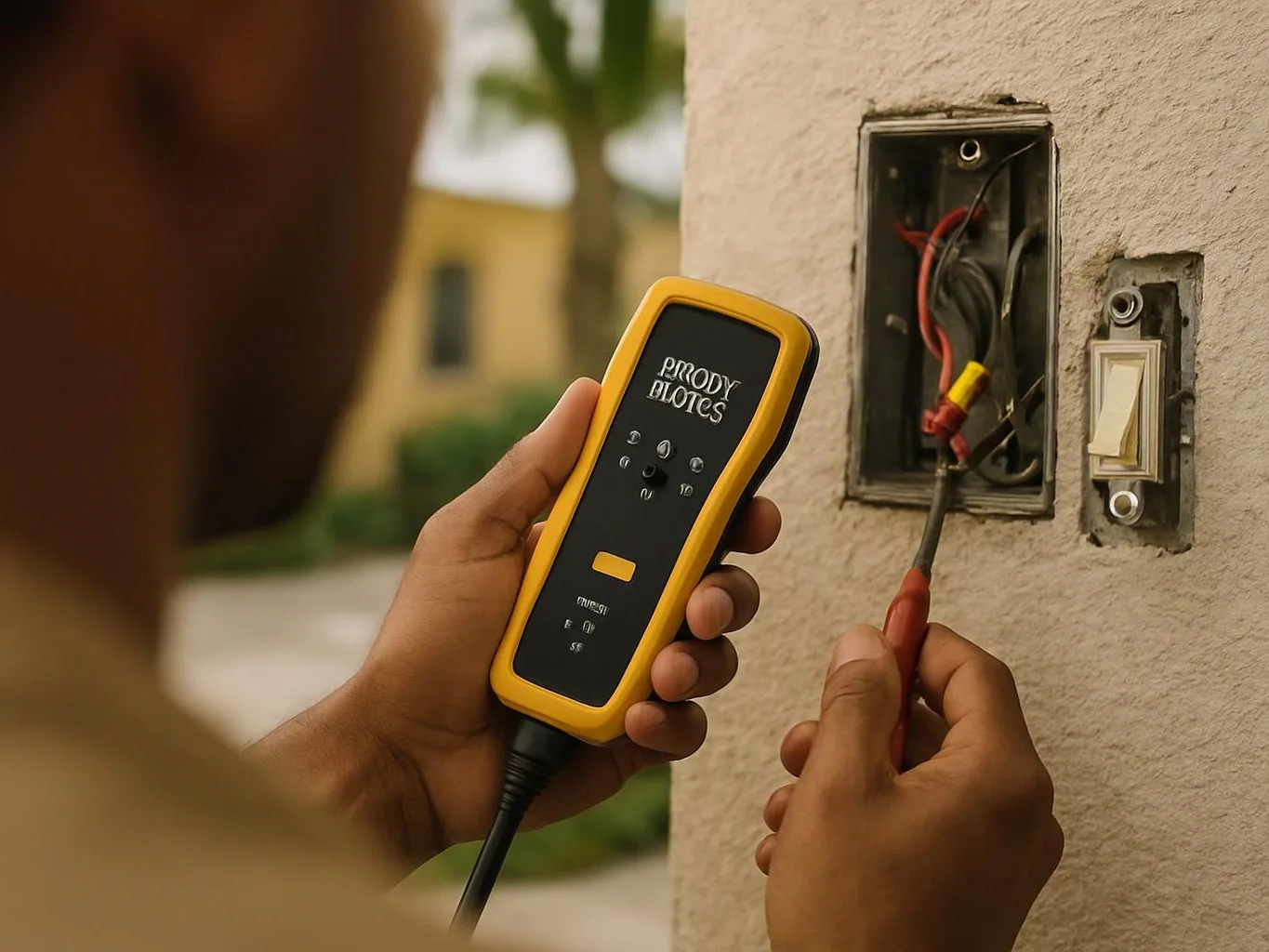
The condition and placement of the wiring can change the work time. Copper or aluminum conductors, damaged insulation, tight panel access, and buried connections each affect the inspection and repair steps. We assess the actual circuit before discussing timing. A breaker swap may differ from work that follows heat damage into the wiring.
When should I request urgent electrical help?
Urgent help is appropriate when a breaker trips with smoke, burning odor, heat, sparks, or visible panel damage. Turn off the affected circuit if it is safe to do so, and keep people away from the panel. Earth Electric provides 24-hour electrical support for urgent electrical problems.
Why might a new breaker fail to solve the problem?
A new breaker may not solve a wiring fault, overload, damaged connection, or problem with connected equipment. We test the circuit before selecting a replacement so the repair matches the cause. If the panel or wiring needs wider work, we explain that scope instead of treating the breaker as the only part involved.
How does a breaker repair visit move from the first call to the last step?
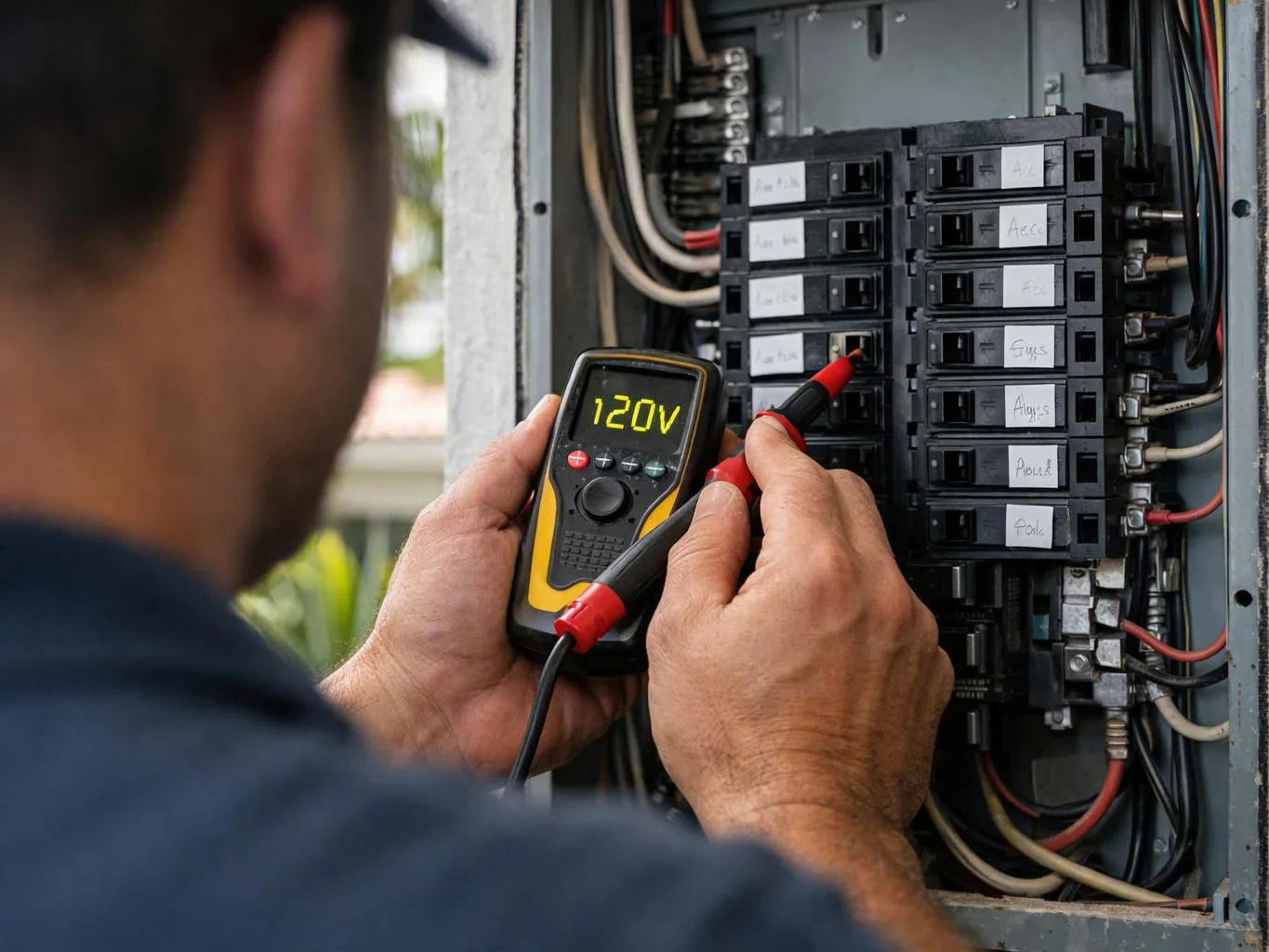
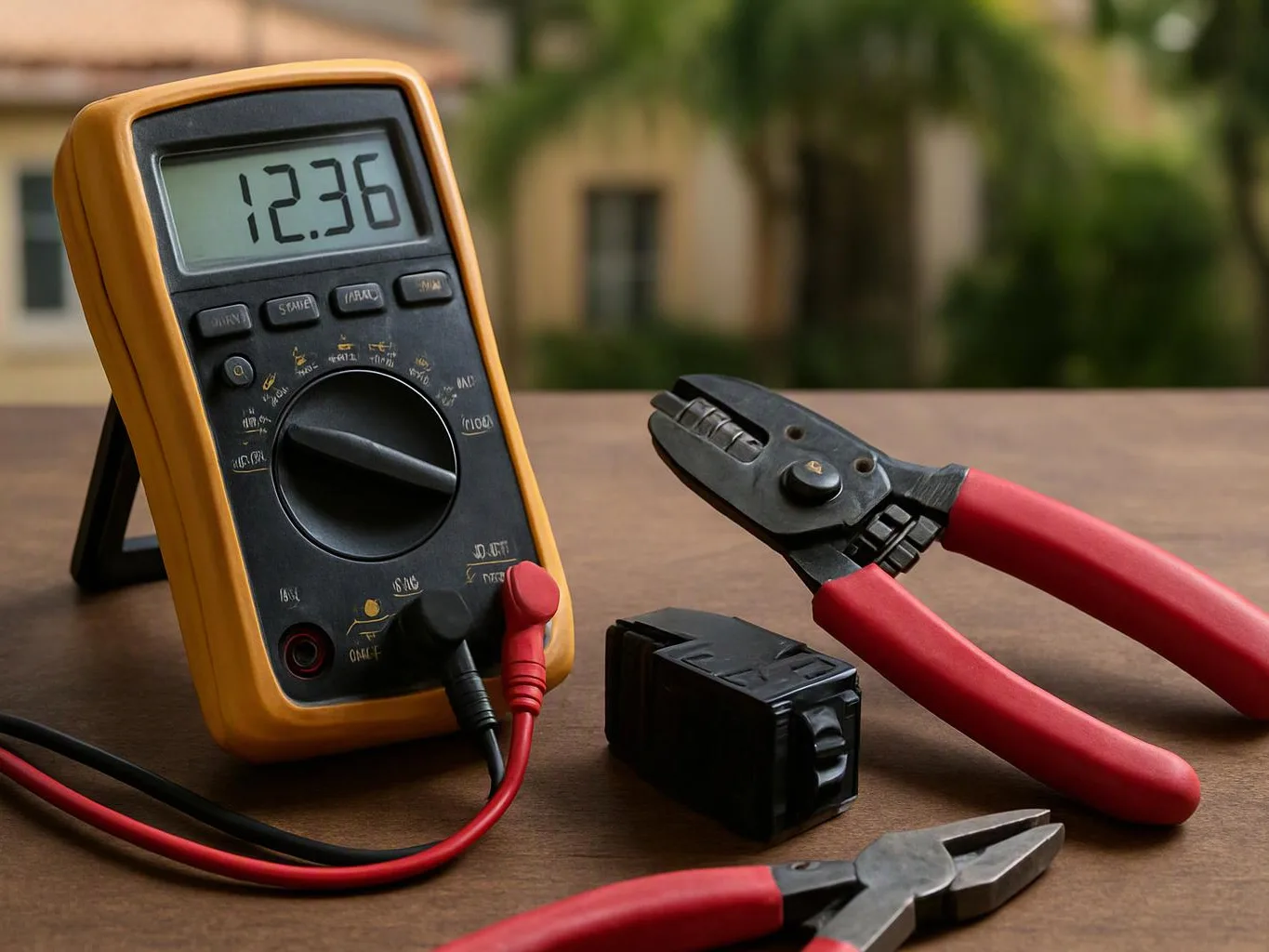
The visit moves from symptom review to circuit isolation, panel inspection, electrical testing, repair, and a final operating check. We first identify the affected circuit and safety concern. Then we explain the repair scope and estimate. The closing check confirms the work area and circuit condition before we discuss any further electrical needs.