What electrical requirements are needed for home EV charger installation?
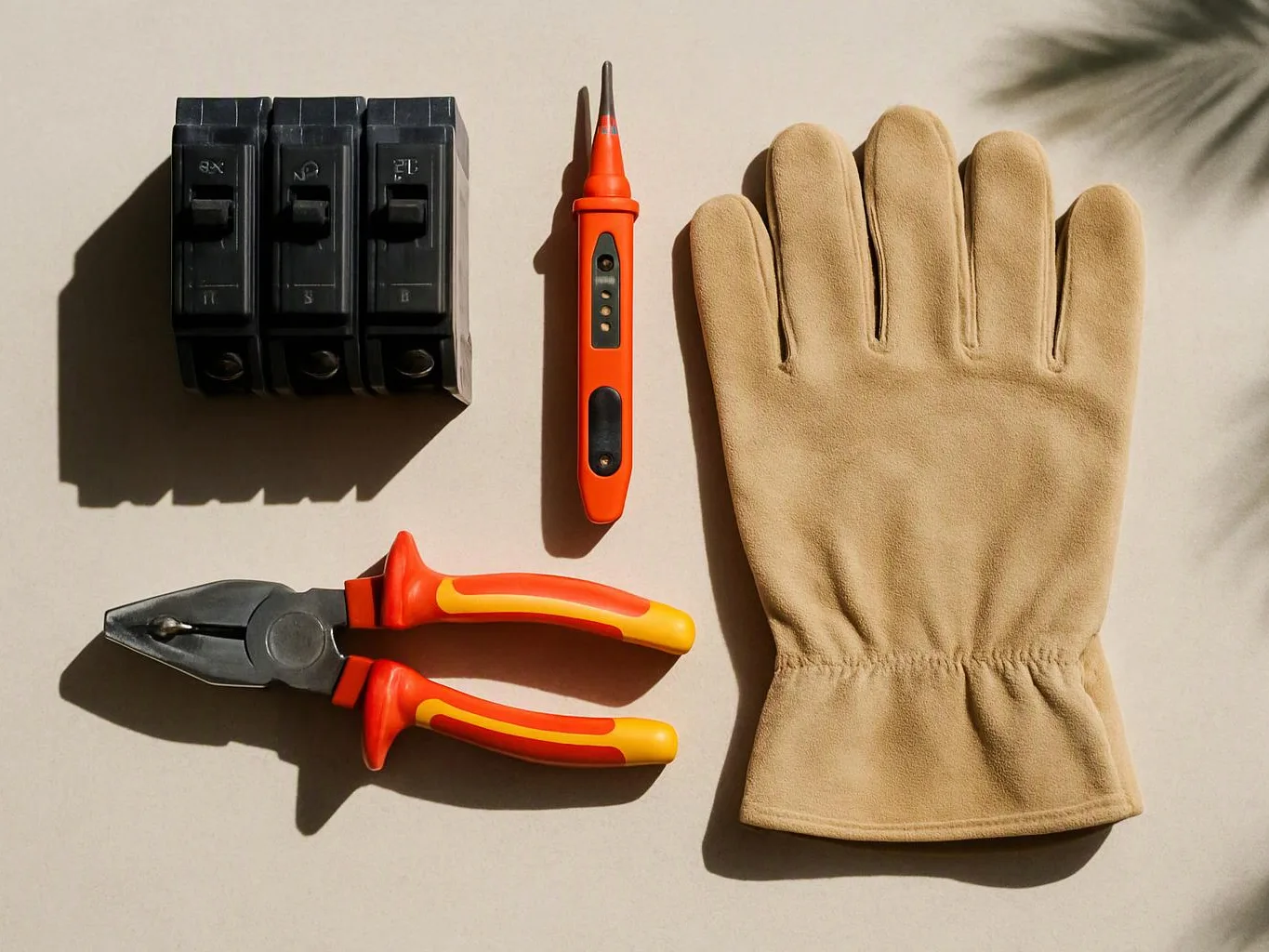
Dedicated circuits are the main electrical requirement for home charger installation. Earth Electric checks the service panel, breaker space, conductors, conduit fittings, grounding, and charger connection. The existing wiring must support the planned load, and any unsafe panel or circuit condition needs attention before the equipment is connected.
Who is a good fit for home charger installation, and who needs a different service?
Homeowners and businesses needing a new charging connection are good fits for this service. A faulty existing charger may need troubleshooting or repair first. We inspect the equipment, circuit, panel, and wiring so the job matches the actual electrical problem.
What happens at each stage of home charger installation?
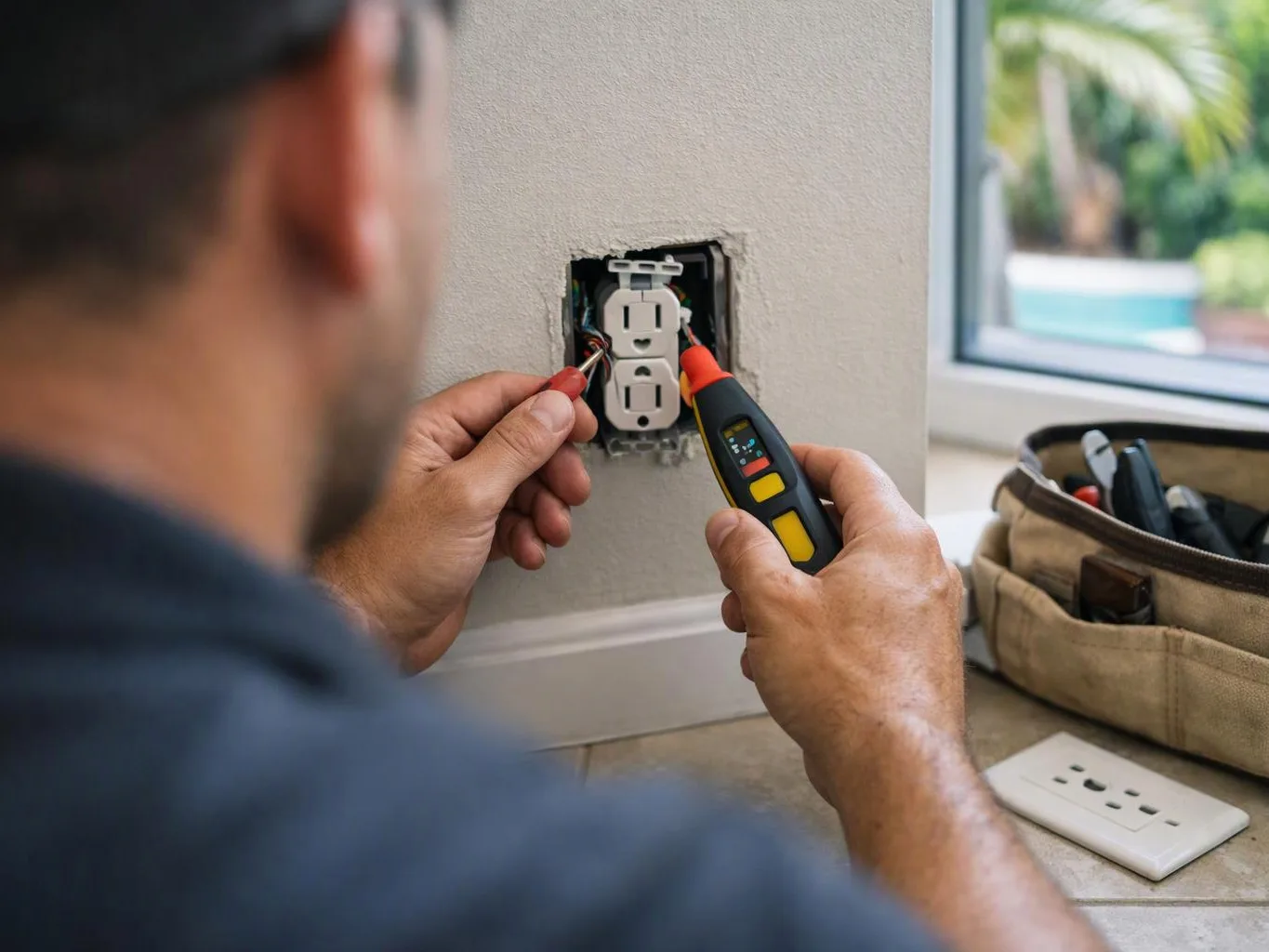
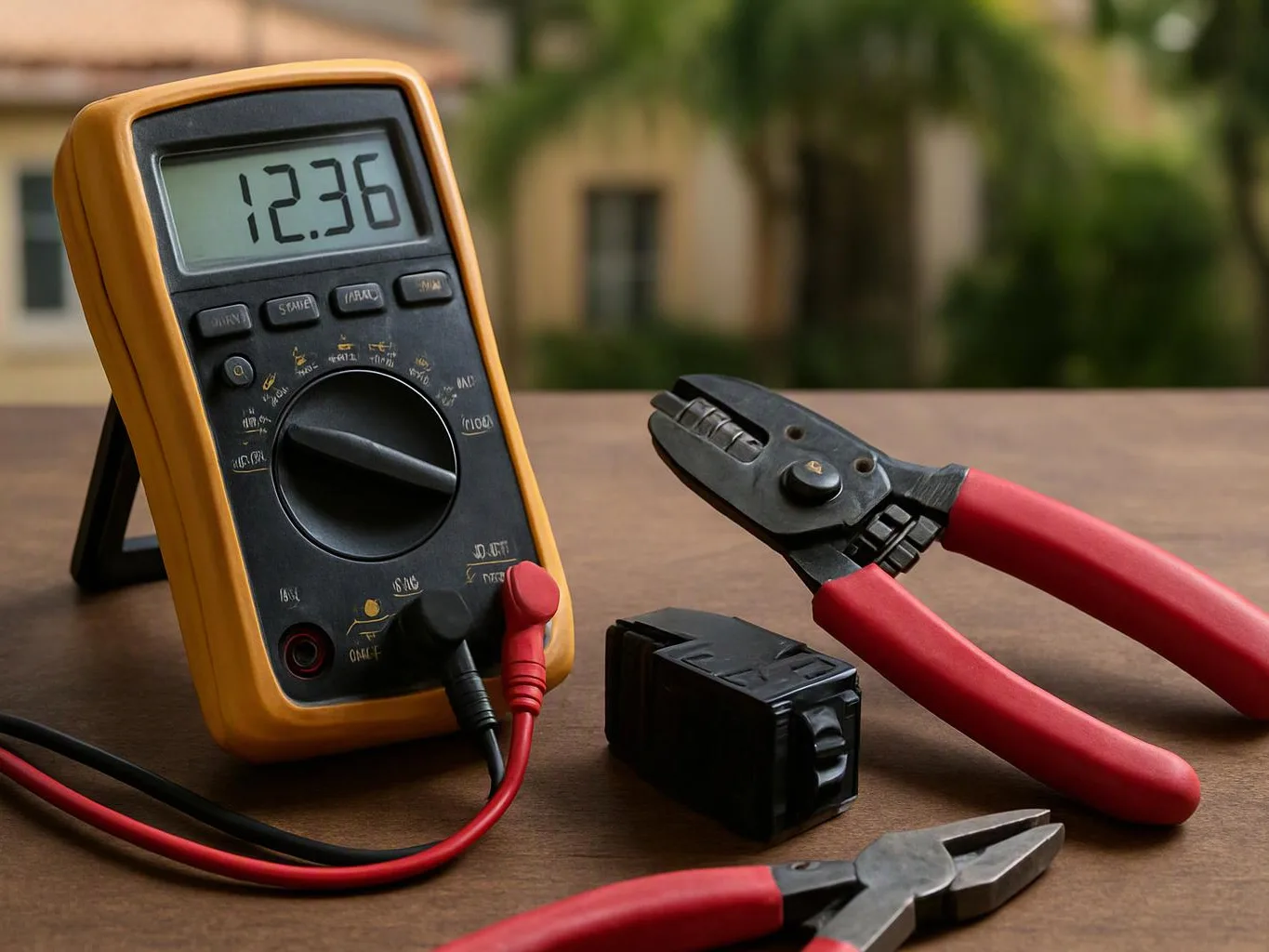
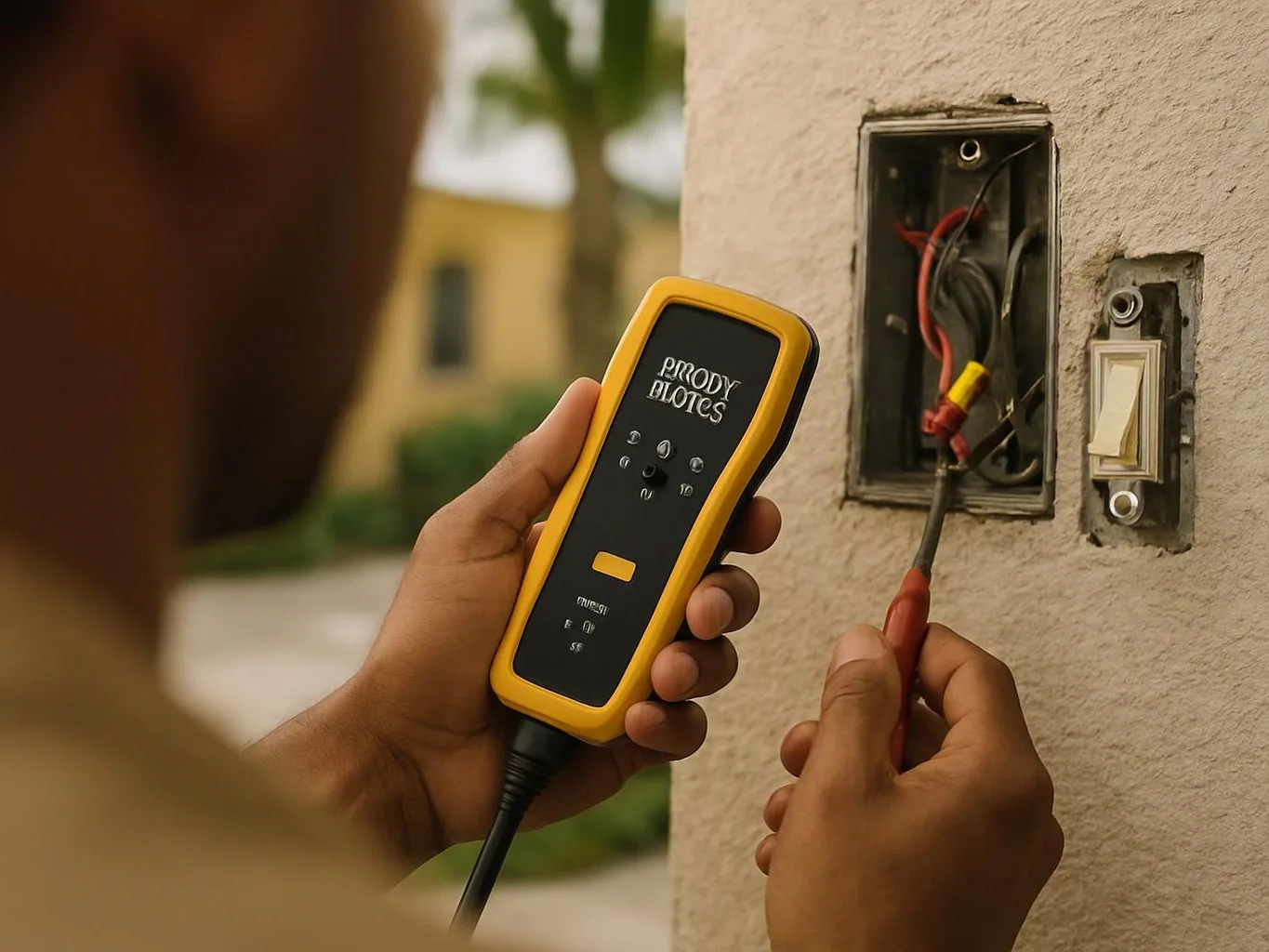
The work starts with a property and service panel review, then moves to load checks, wiring route planning, equipment connection, and testing. We explain the scope before installation. The final check covers the breaker, conductors, grounding, conduit, and charger connection.
What does the crew look at first during charger installation?
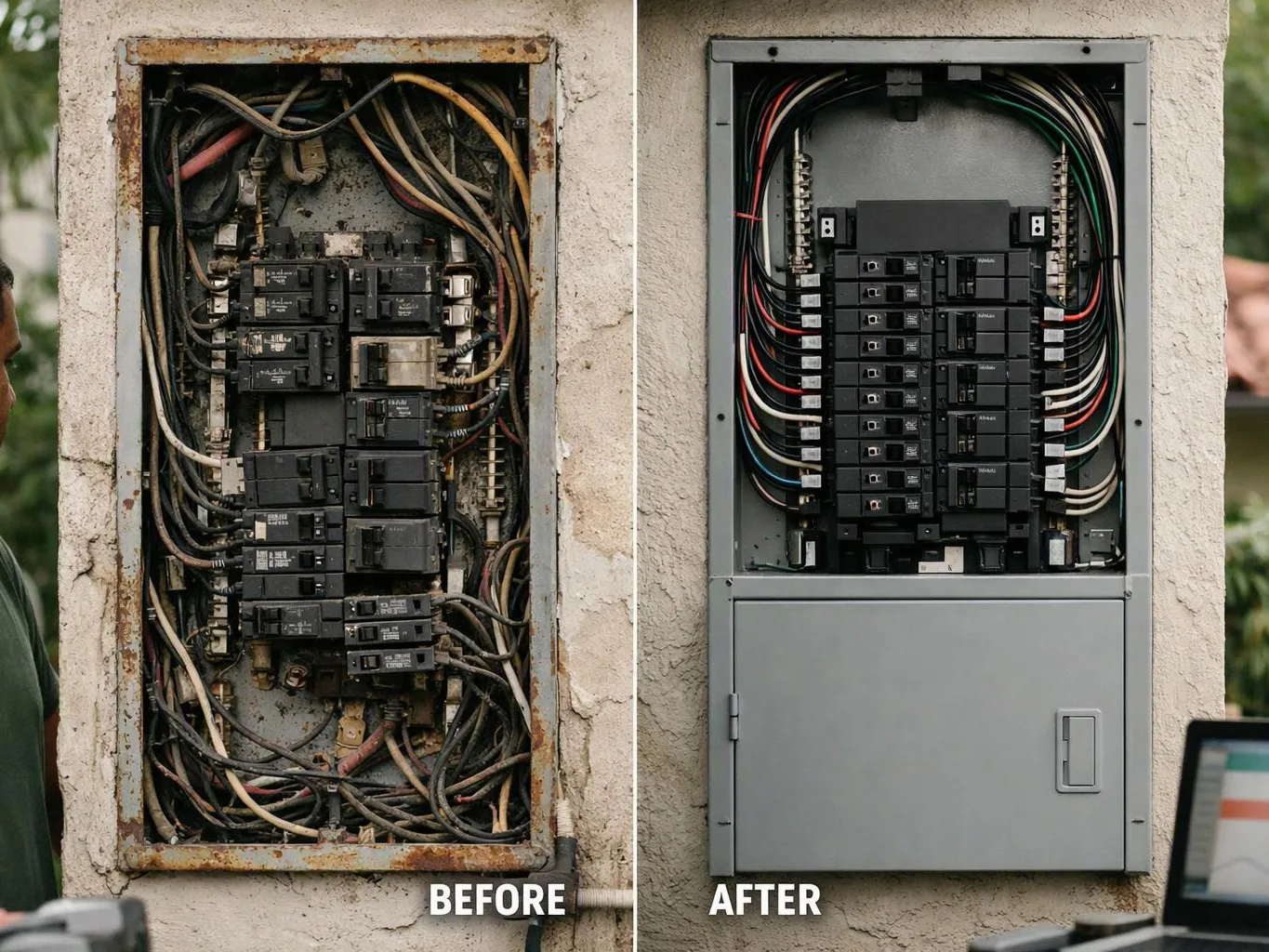
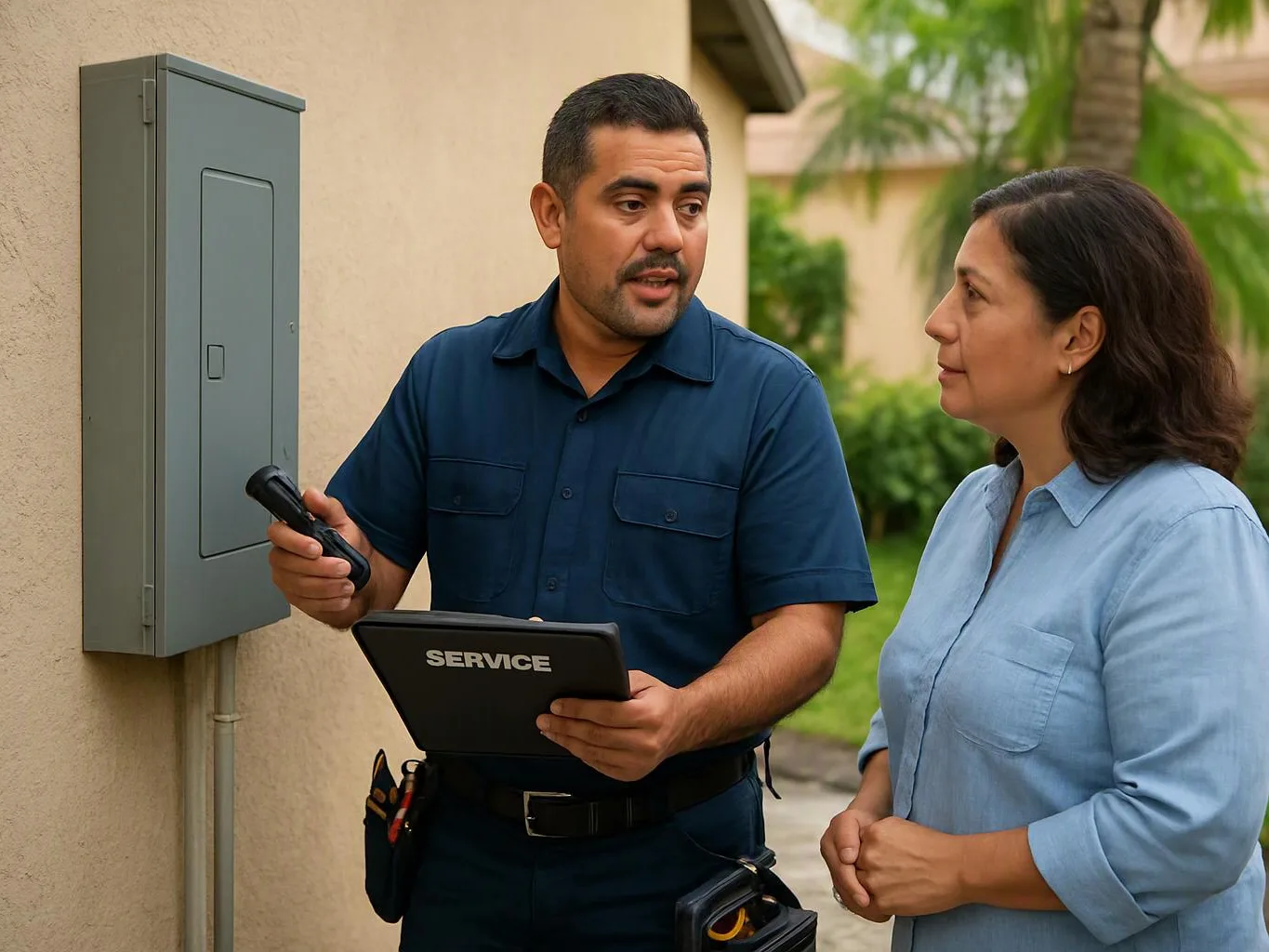
The service panel is the first major electrical point we inspect. We check breaker space, panel condition, wiring, grounding, and the planned cable route. This review shows whether the property needs a new circuit, a repair, or more electrical work before the charger is connected.
Which part of the job changes the installation price?
The wiring route and service panel usually shape the installation scope most. Longer routes, added conduit fittings, panel repairs, grounding work, and difficult connection points can change what the estimate includes. We review those conditions before providing a free estimate.
Why does an EV charger need its own circuit?
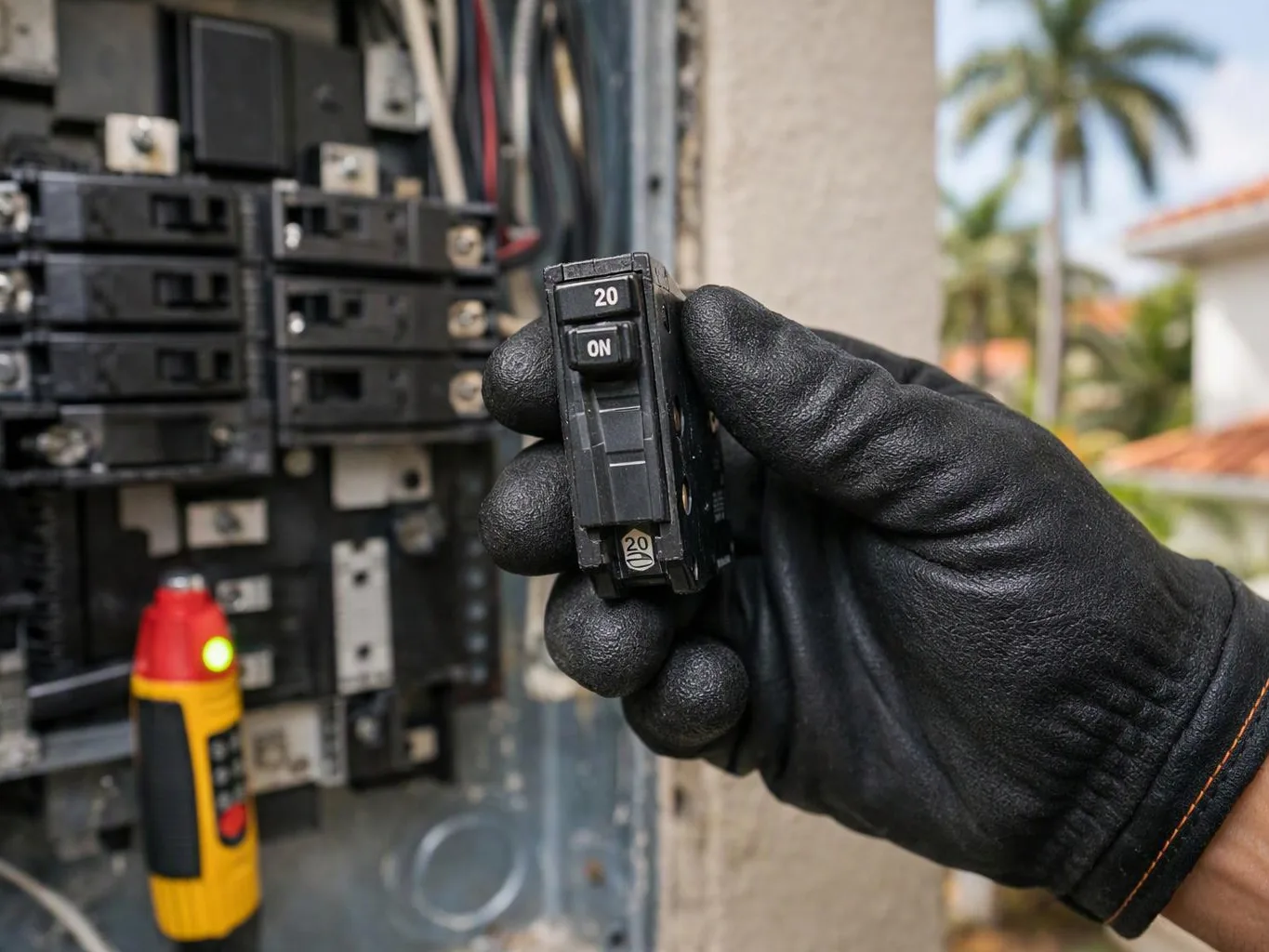
A dedicated circuit gives the charger a planned power path and limits dependence on shared outlets. We check the breaker, conductors, panel, and grounding before connecting it. A shared or damaged circuit may need repair before charging equipment is installed.
How should I prepare for an electrical assessment?
Keep the service panel, planned charger location, and wiring path accessible. Have the charger information available, and mention any breaker trips, heat, smells, or charging faults. We use those details with the inspection to set a safe and accurate work scope.