What problems can affect EV charger operation?
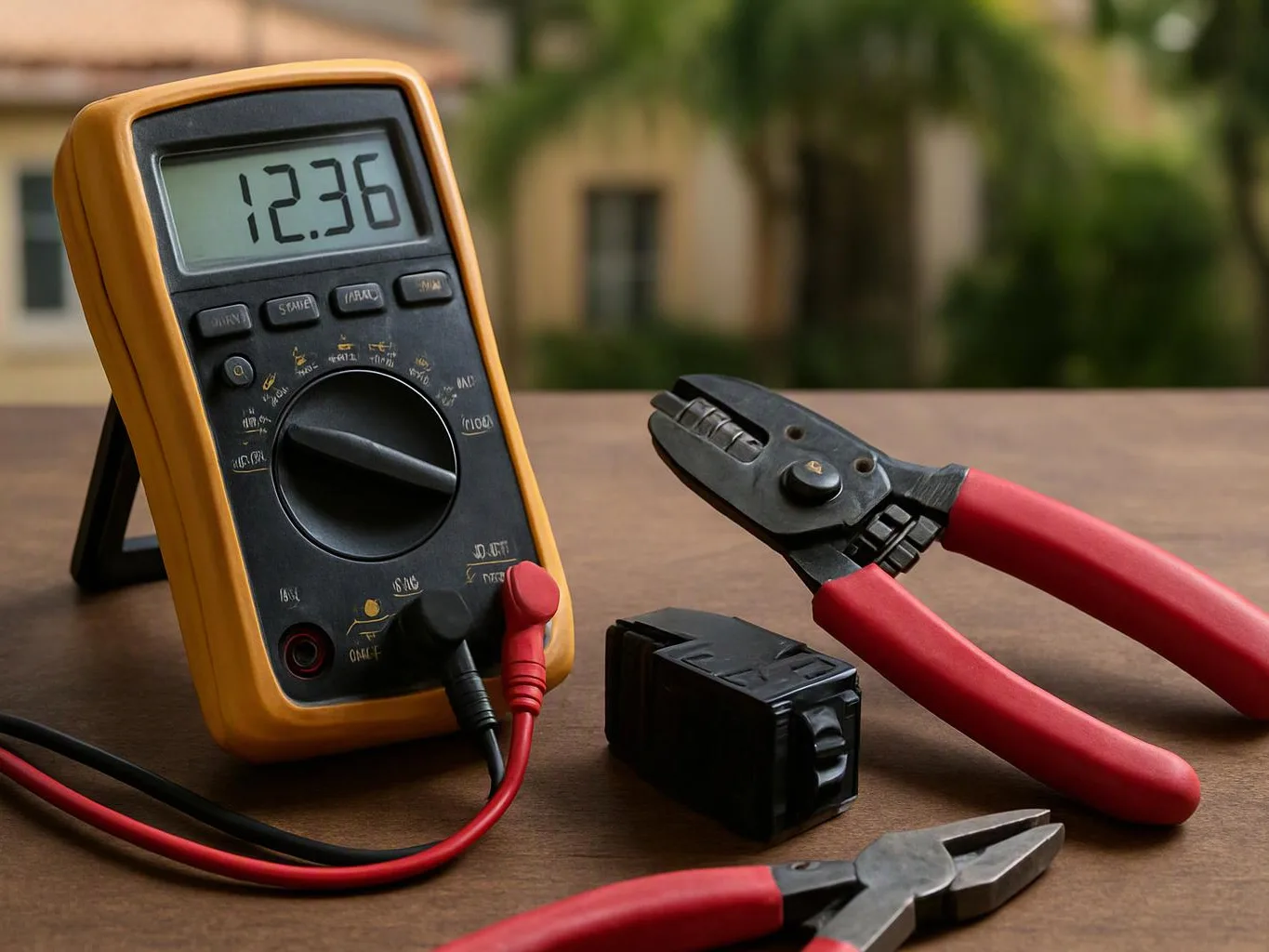
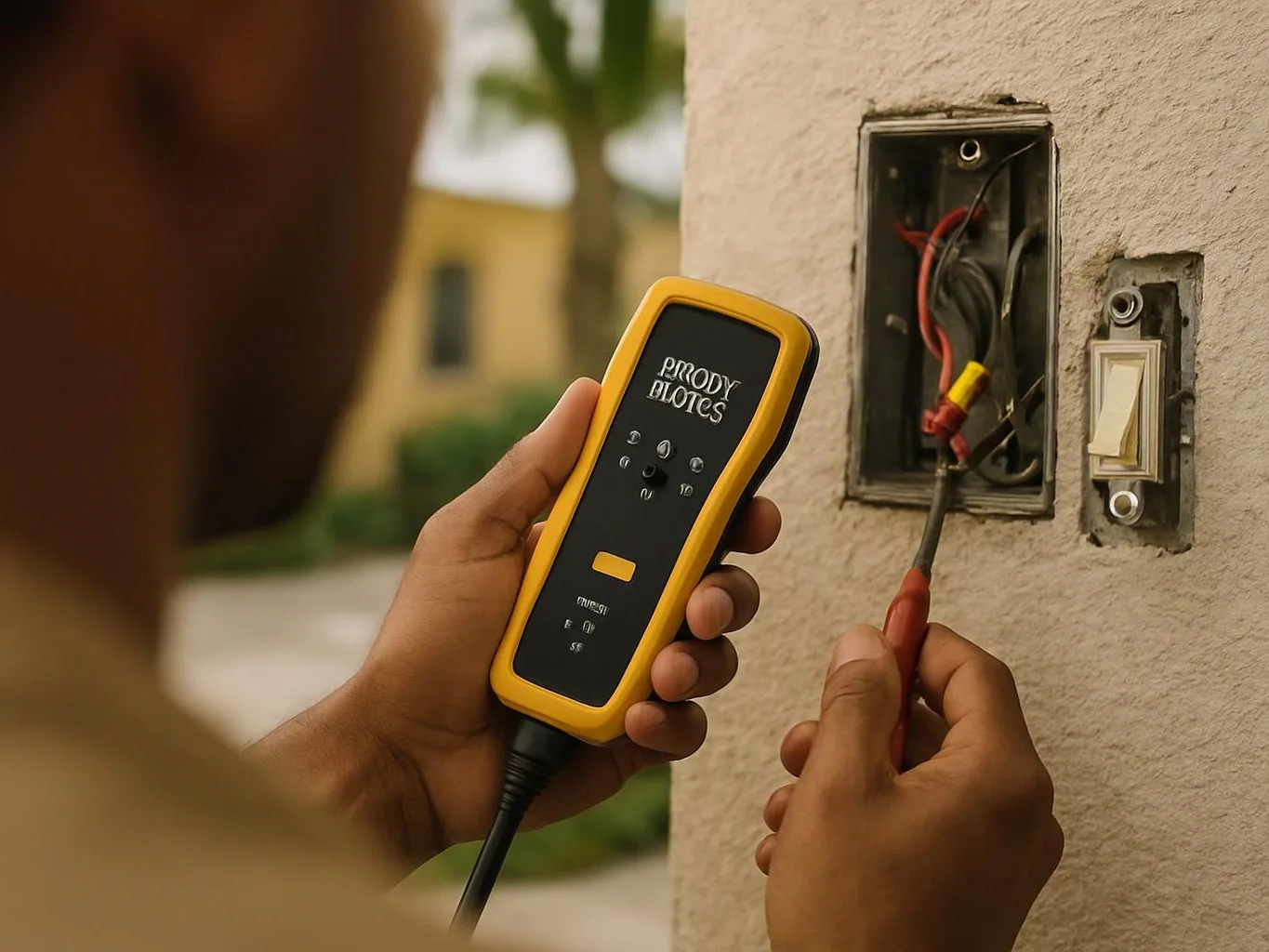
Overheating cables can affect charging and create a safety concern. Earth Electric checks voltage drops, ground faults, loose terminals, cable damage, and the charger connection. Stop using the charger if you notice heat, burning odor, smoke, or visible damage. We then inspect the electrical path and explain whether the work involves installation, repair, or troubleshooting.
Who is a good fit for EV charger installation, and who needs a different service?
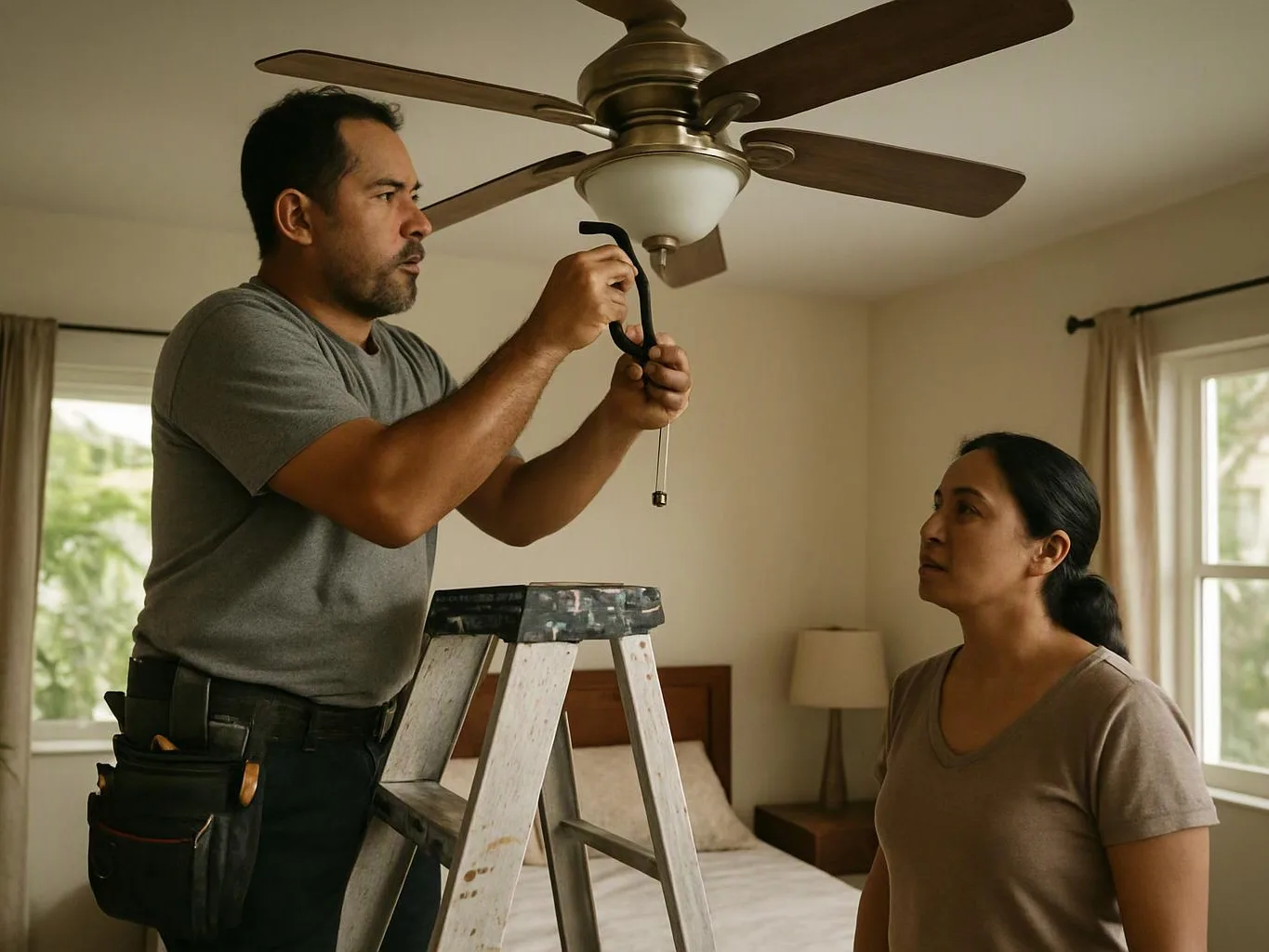
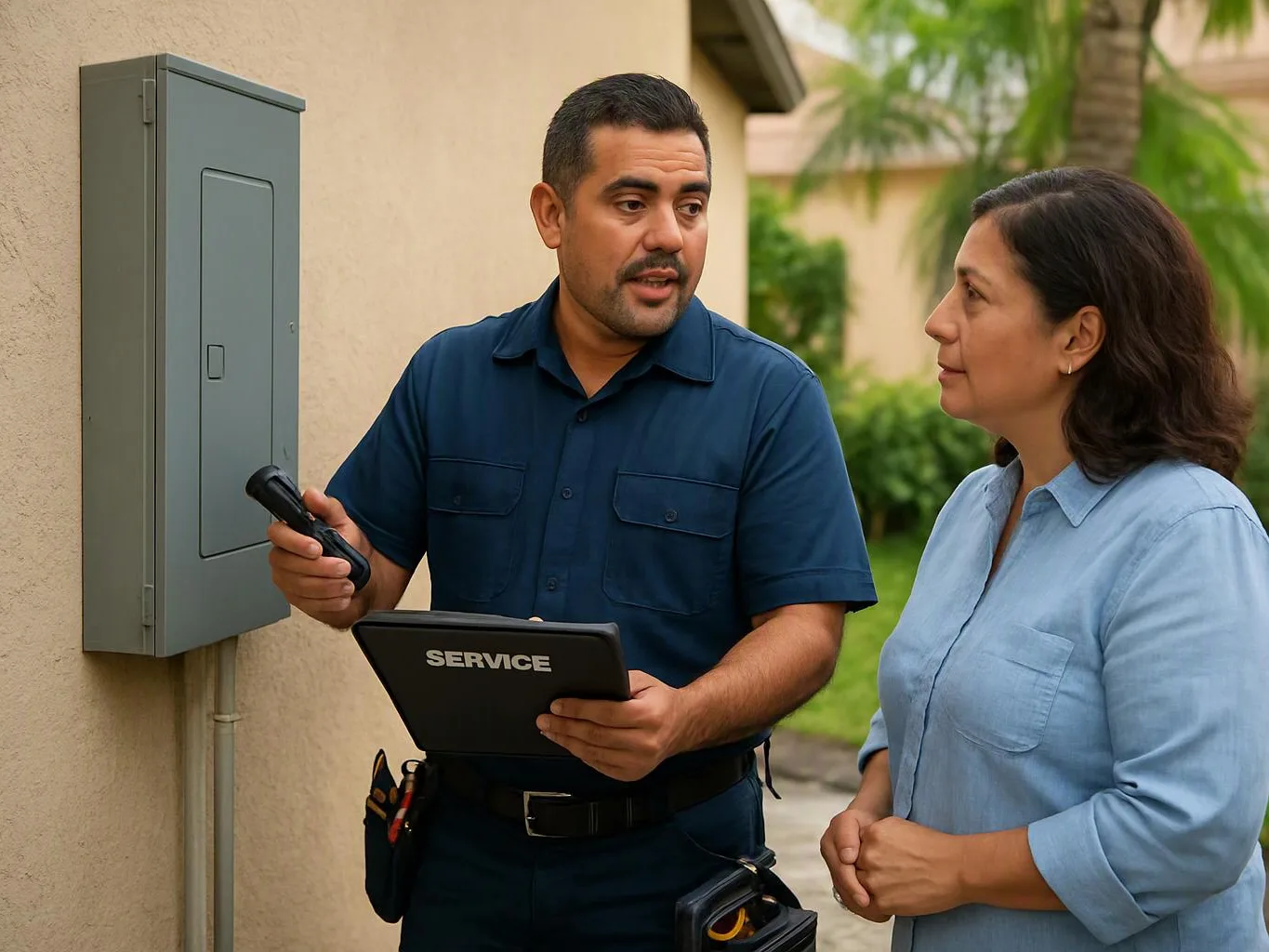
Earth Electric installs chargers for homeowners, commercial property owners, and businesses with a suitable electrical connection. A charger with damaged equipment, a vehicle fault, or a utility outage may need a different assessment. We inspect the property's wiring and connection first, then explain which part of the issue falls within electrical service.
What happens at each stage of EV charger installation?
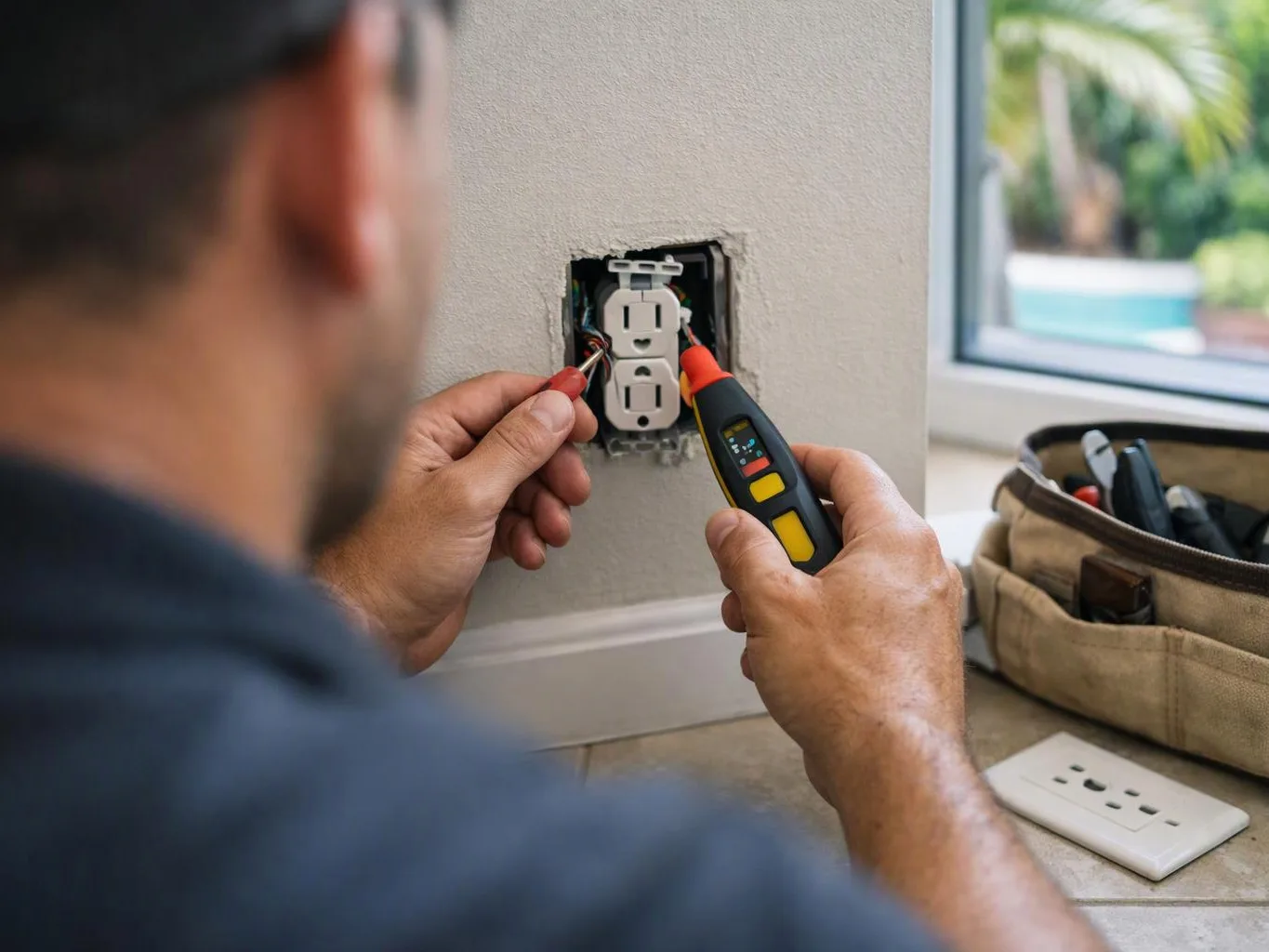
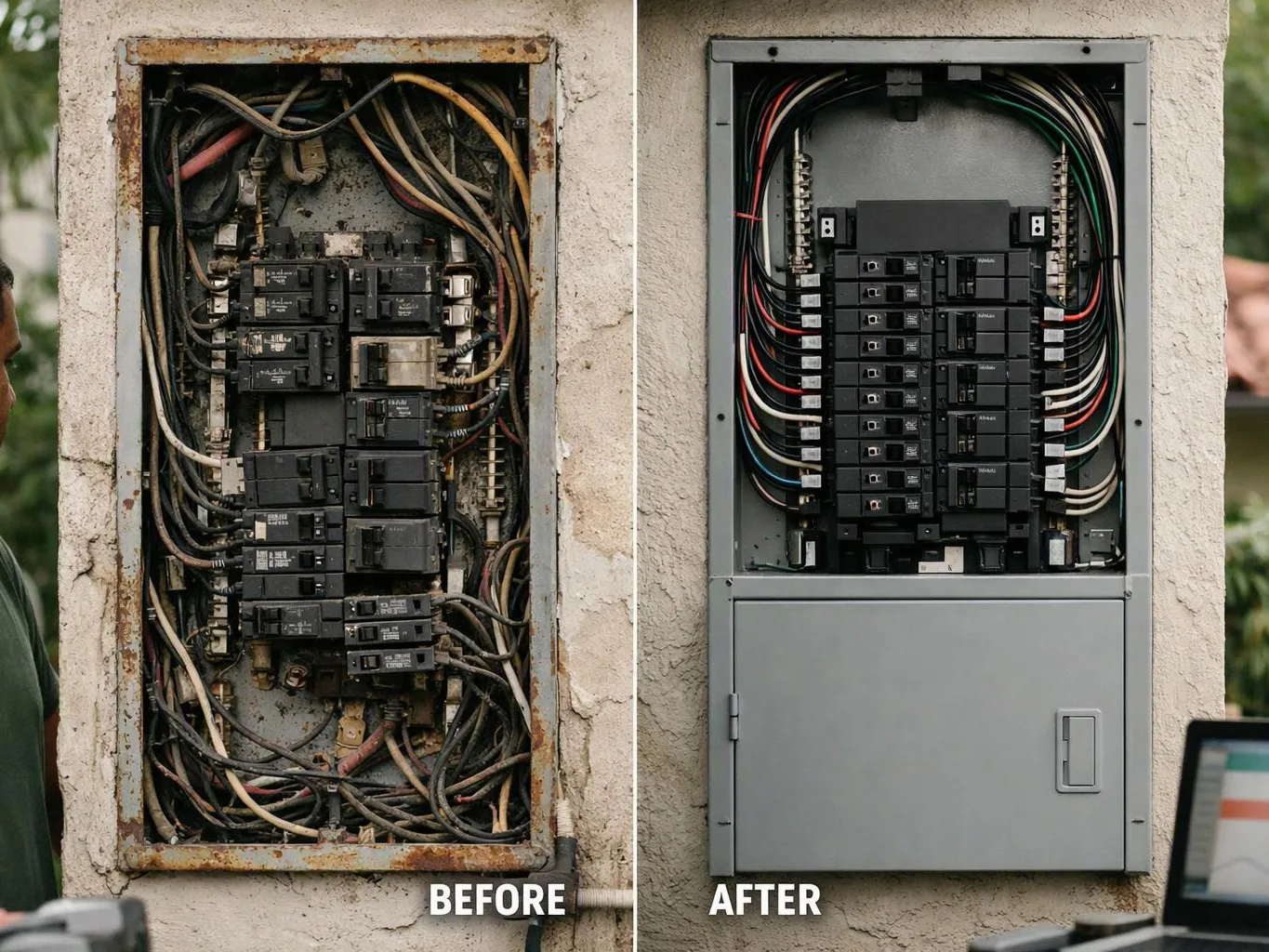
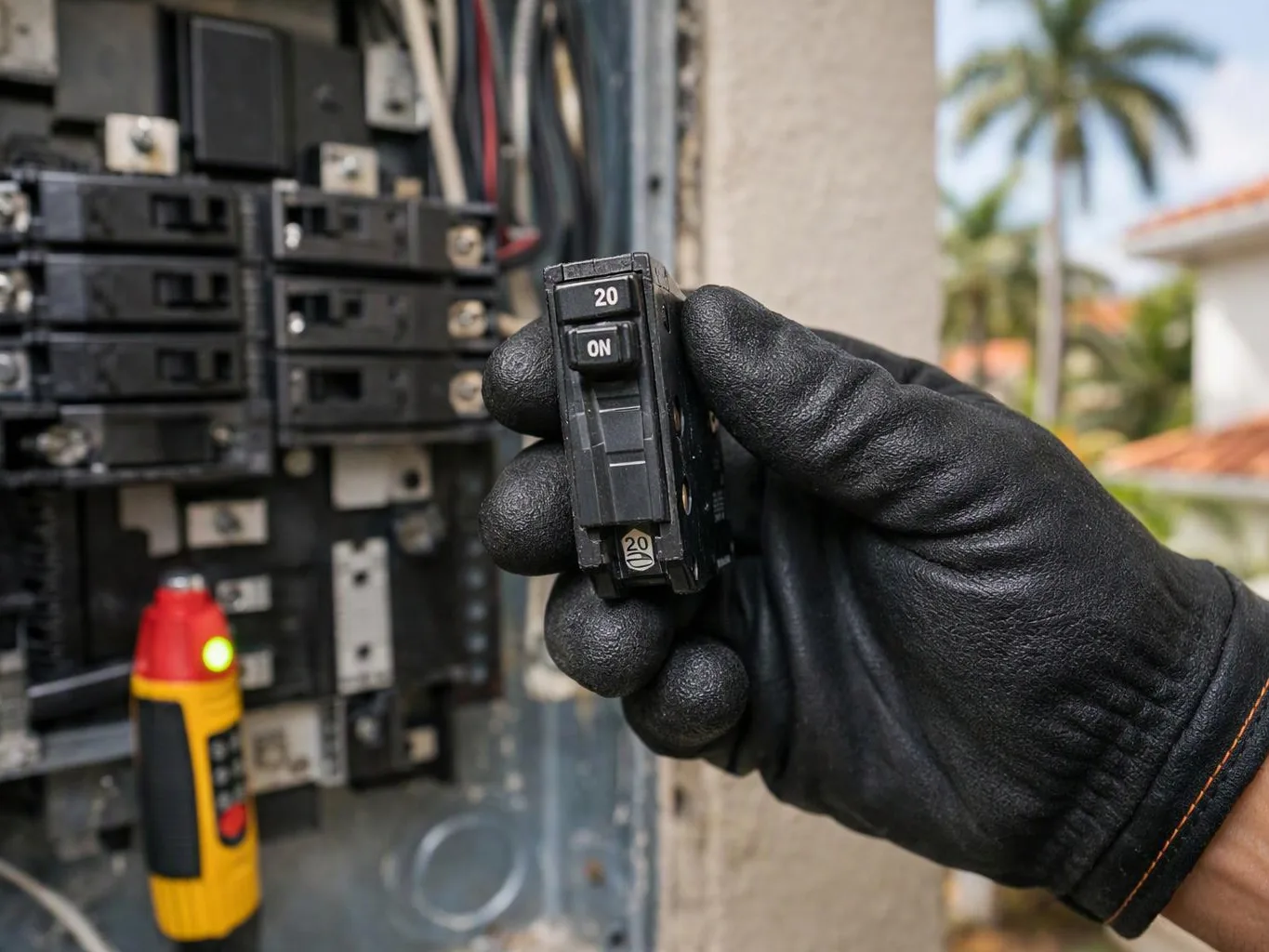
The work starts with a review of the charger and the property's electrical connection. We then inspect the circuit, cable route, terminals, breaker, and charger feed. Next, we trace any charging fault and explain the scope. After approval, we complete the electrical work and check the connection before use.
What does the crew look at first during EV charger installation?
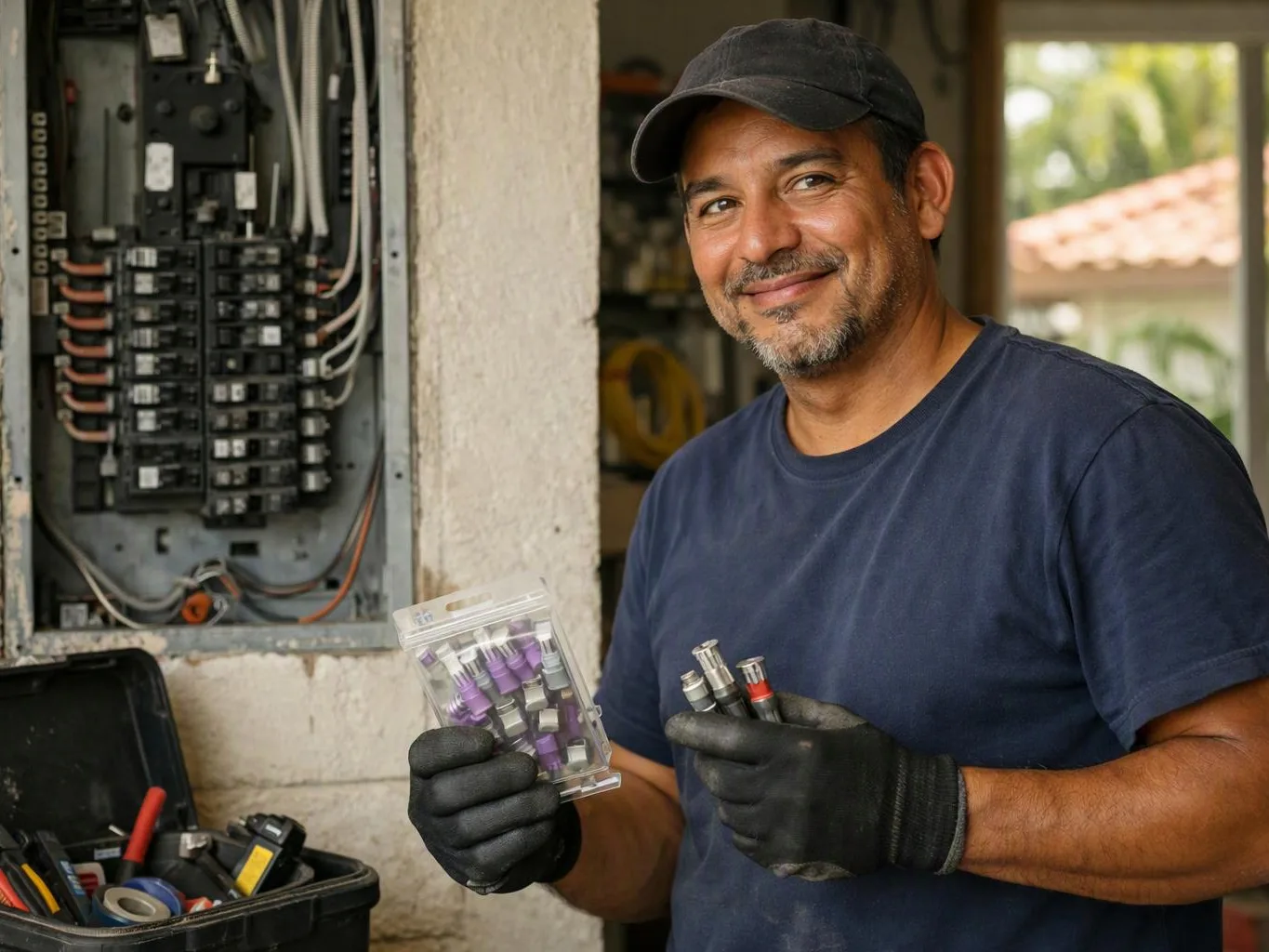
The electrical connection comes first because it shows whether the charger receives a safe supply. We inspect visible cable condition, terminals, the breaker, and the charger feed. In Doral, our team provides this assessment for residential and commercial properties. The findings guide the estimate and any needed repair.
How do voltage drops affect vehicle charging?
Voltage drops can reduce the supply reaching the charger and interrupt charging. We trace the circuit and inspect connections, cable condition, and related electrical parts. The repair scope depends on where the drop occurs. A charger that repeatedly stops should be assessed before continued use.
When should I stop using an EV charger?
Stop using the charger when the cable is hot, damaged, discolored, or producing a burning smell. Those signs can point to insulation damage, poor contact, or another electrical fault. Turn off the charger if it is safe to do so, and request an electrical inspection before reconnecting it.
Which information should I provide when requesting a charger assessment?
The charger model, charging symptom, visible cable condition, and recent breaker activity help define the assessment. Photos of the charger connection can also help if they are safe to take. Tell us whether the property is residential or commercial, and describe any heat, odor, or repeated charging interruption.