Can a damaged breaker affect other electrical circuits?
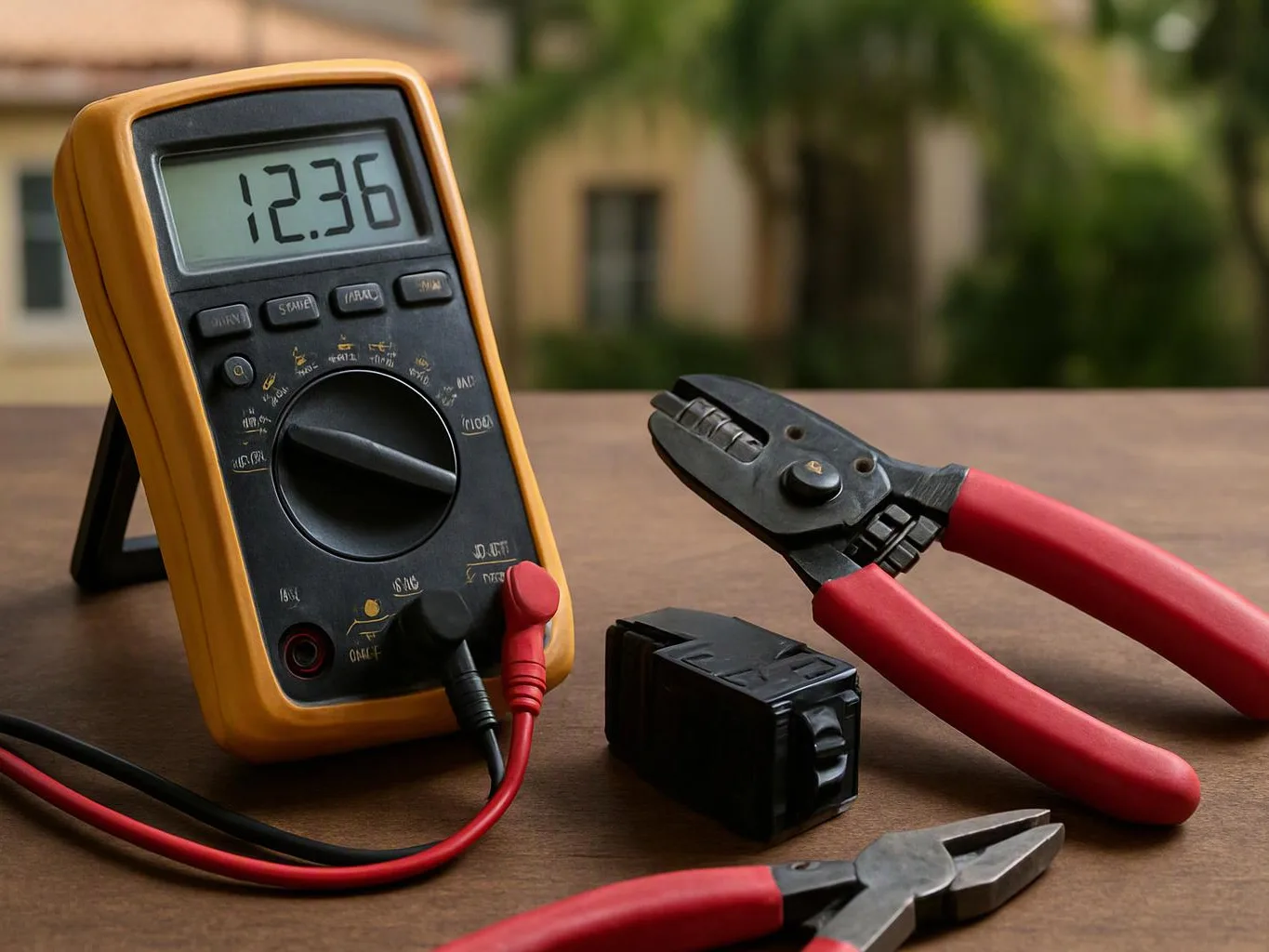
Circuit outages can spread when a damaged breaker connects to shared wiring, a faulty neutral, or a heat-damaged panel connection. Earth Electric checks related circuits, voltage stability, and the panel before repair. Keep affected equipment off until the fault is assessed, especially if the breaker feels warm, buzzes, or will not reset.
Which part of the property decides the repair scope?
The electrical panel and affected branch circuit decide most of the repair scope. Access, breaker type, wiring condition, neutral connections, and visible heat damage also matter. We inspect those parts together because a breaker problem may point to wiring or panel work.
Which material changes how long breaker repair takes?
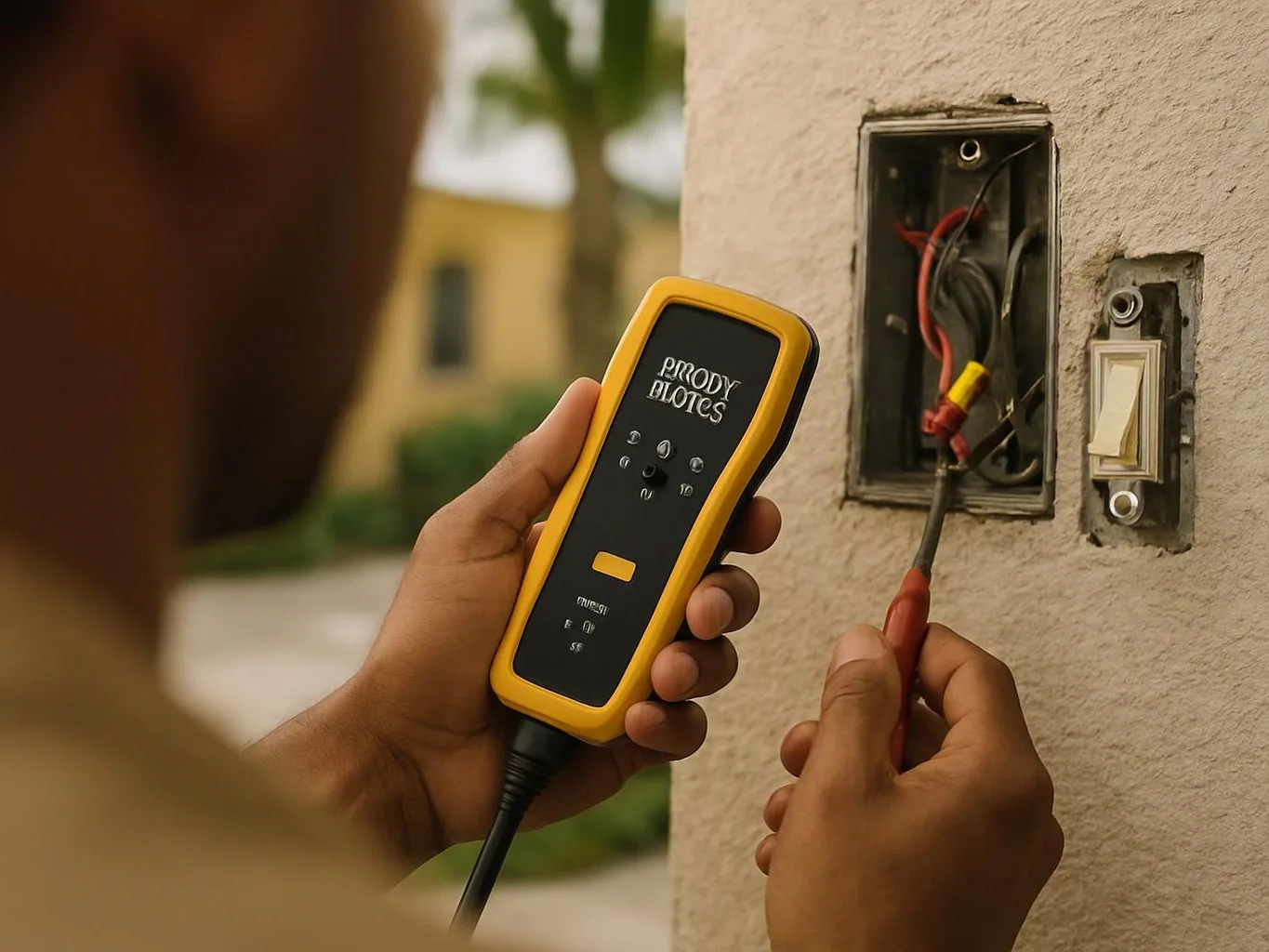
Damaged copper or aluminum wiring can change the repair work because each material needs a suitable connection and inspection. Panel parts, breaker fit, access, and heat damage also affect the work sequence. We identify the materials in the affected circuit before giving a repair estimate.
How does a breaker repair visit move from the first call to the last step?
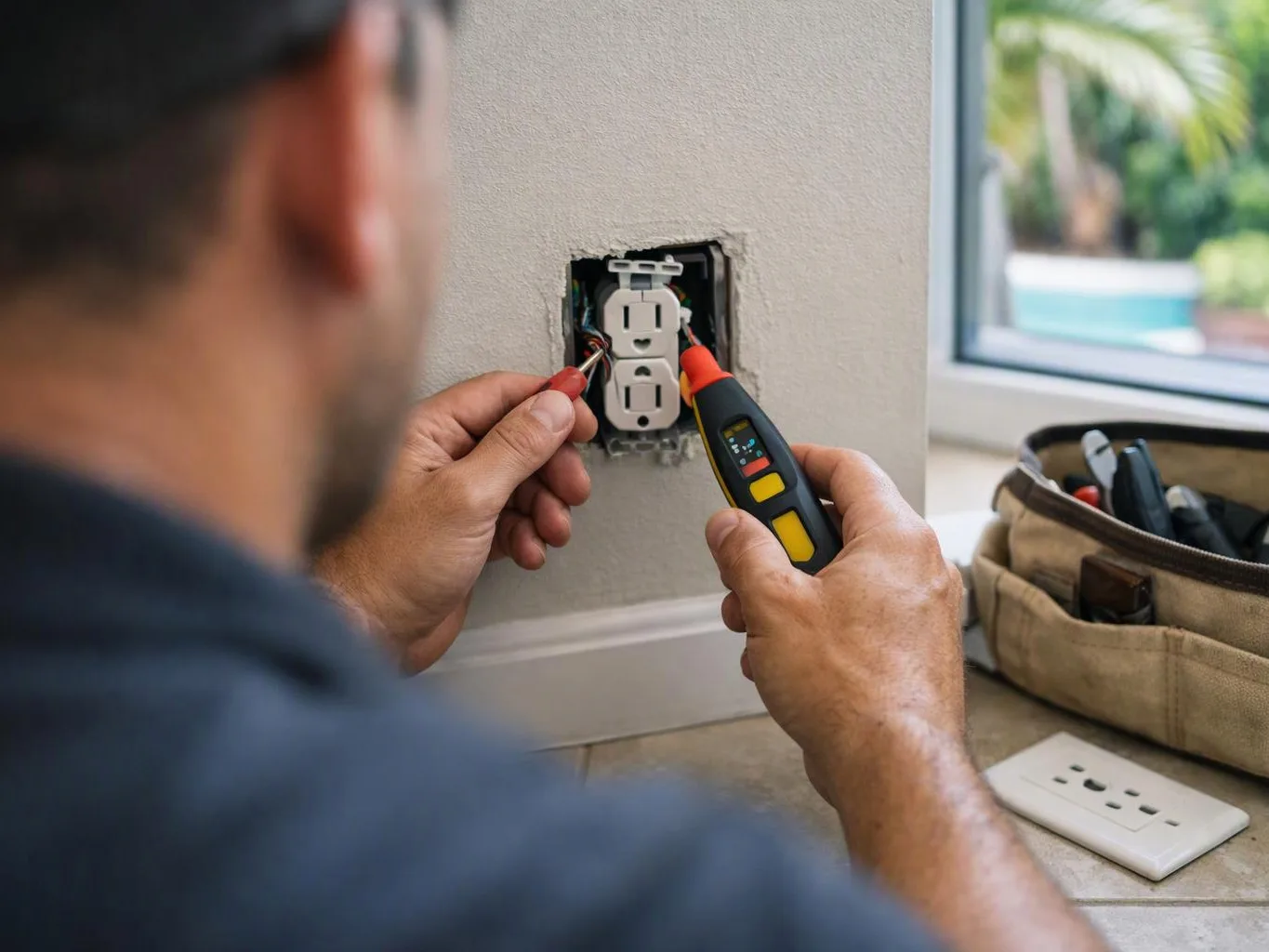
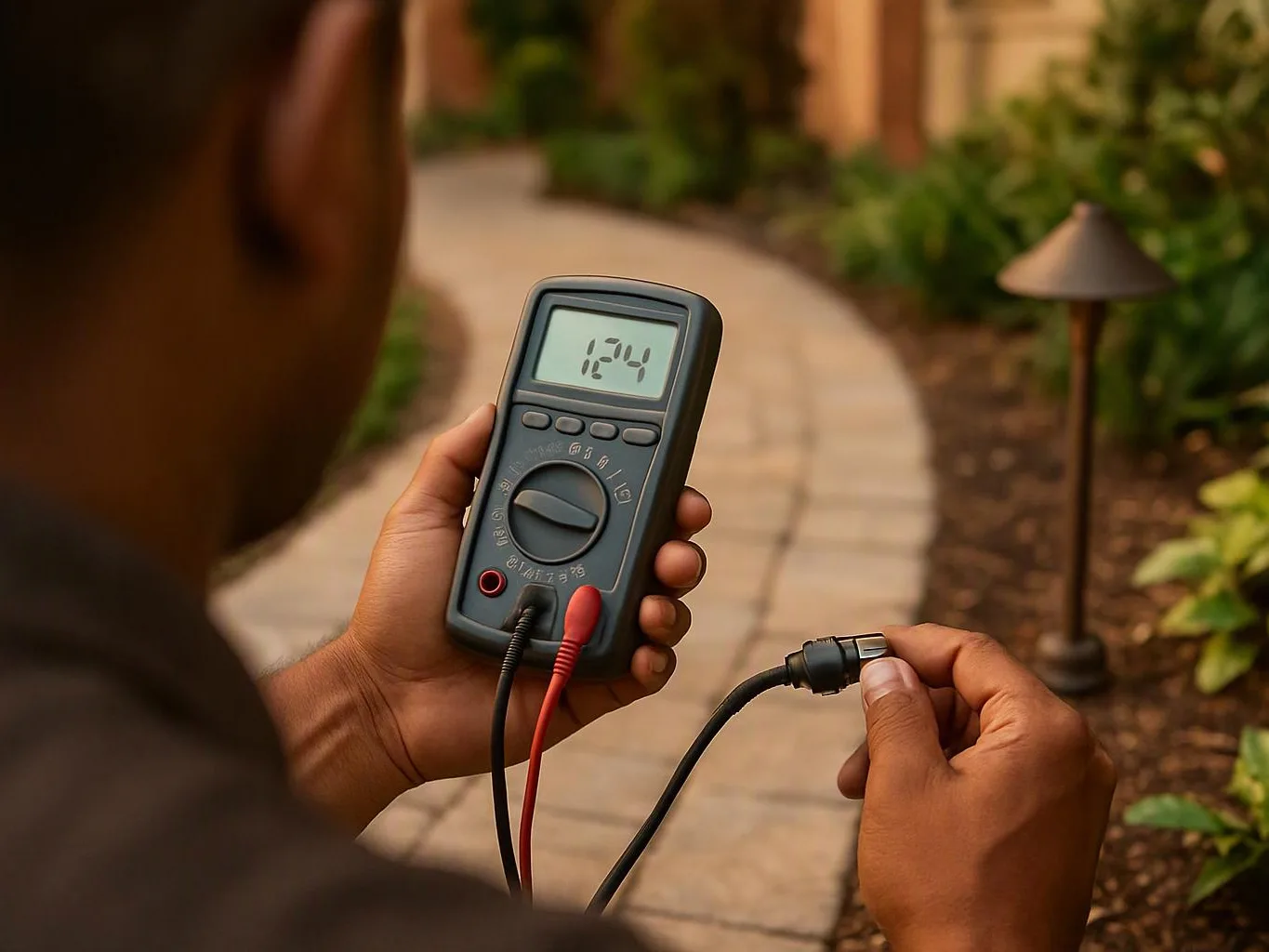
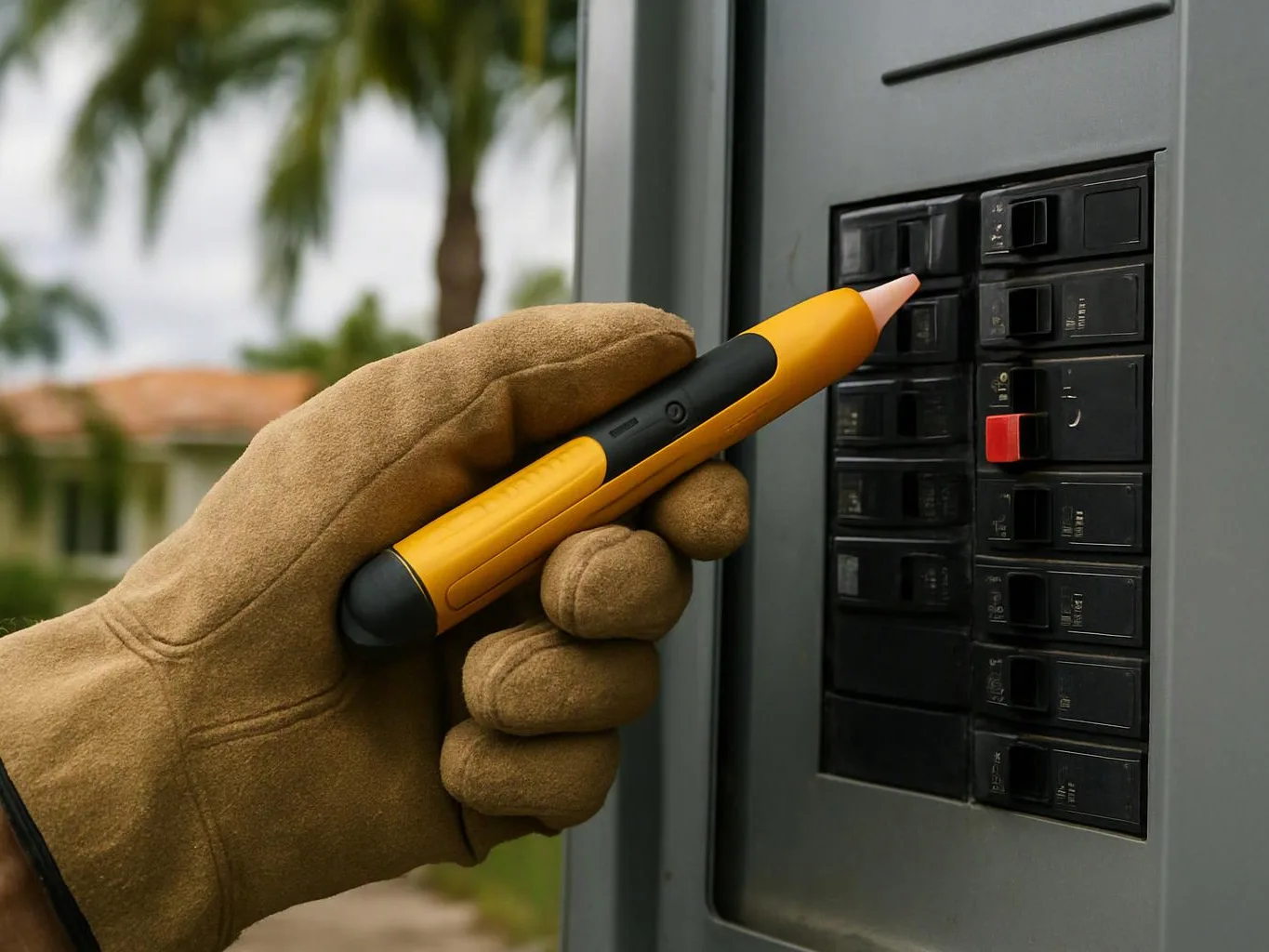
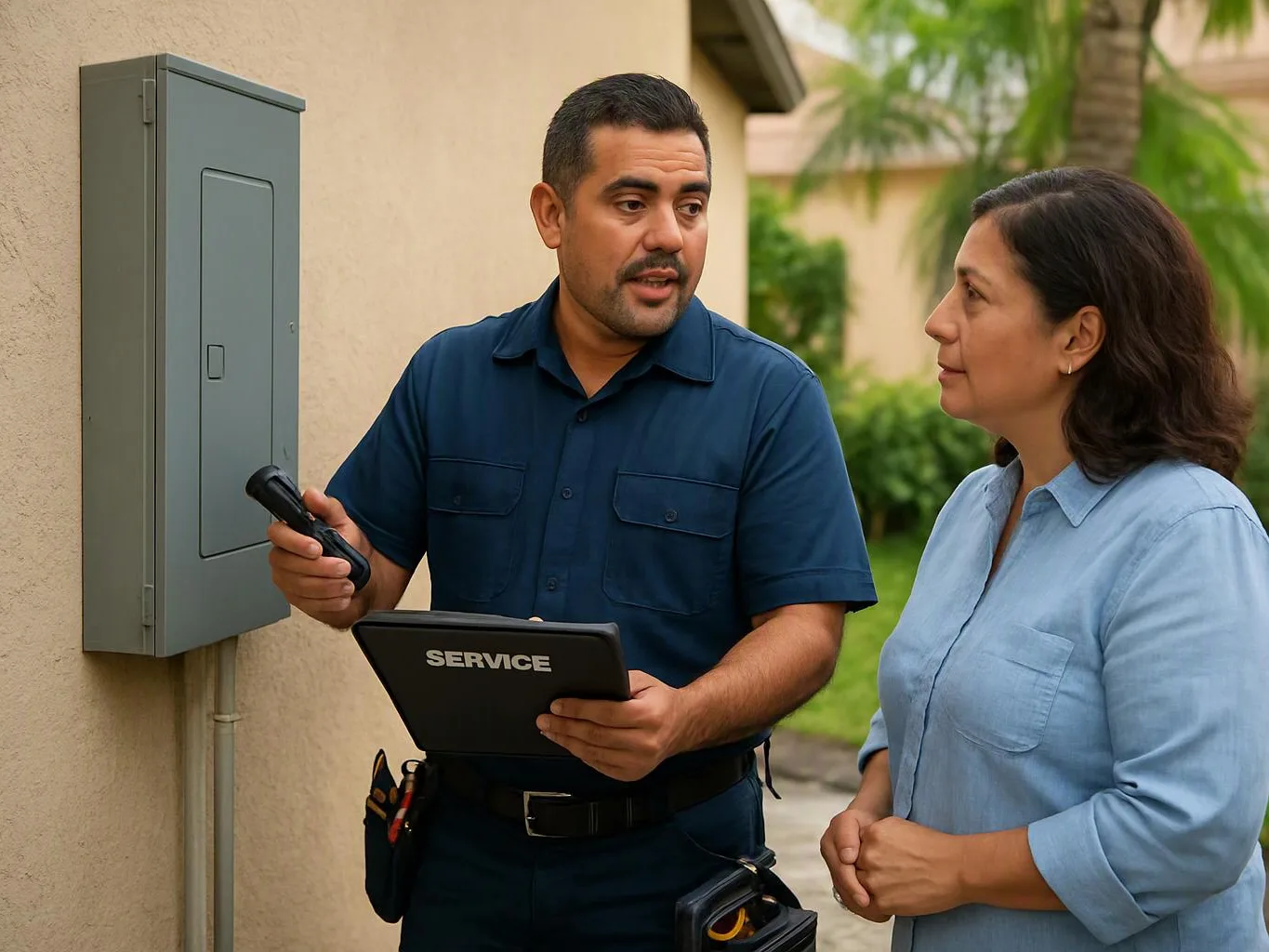
The visit starts with symptom details, then moves to circuit isolation, panel inspection, voltage testing, repair approval, and a final check. We ask about affected rooms and equipment first. After testing, we explain the scope and provide a free estimate before approved work begins.
What should I do before requesting electrical troubleshooting?
Turn off affected equipment and keep clear of a hot, buzzing, or damaged panel. Do not remove the panel cover or handle loose wiring. Note which breaker moved, which rooms lost power, and whether lights flickered before the issue. That information helps us plan the assessment.
When does a breaker fault call for panel work?
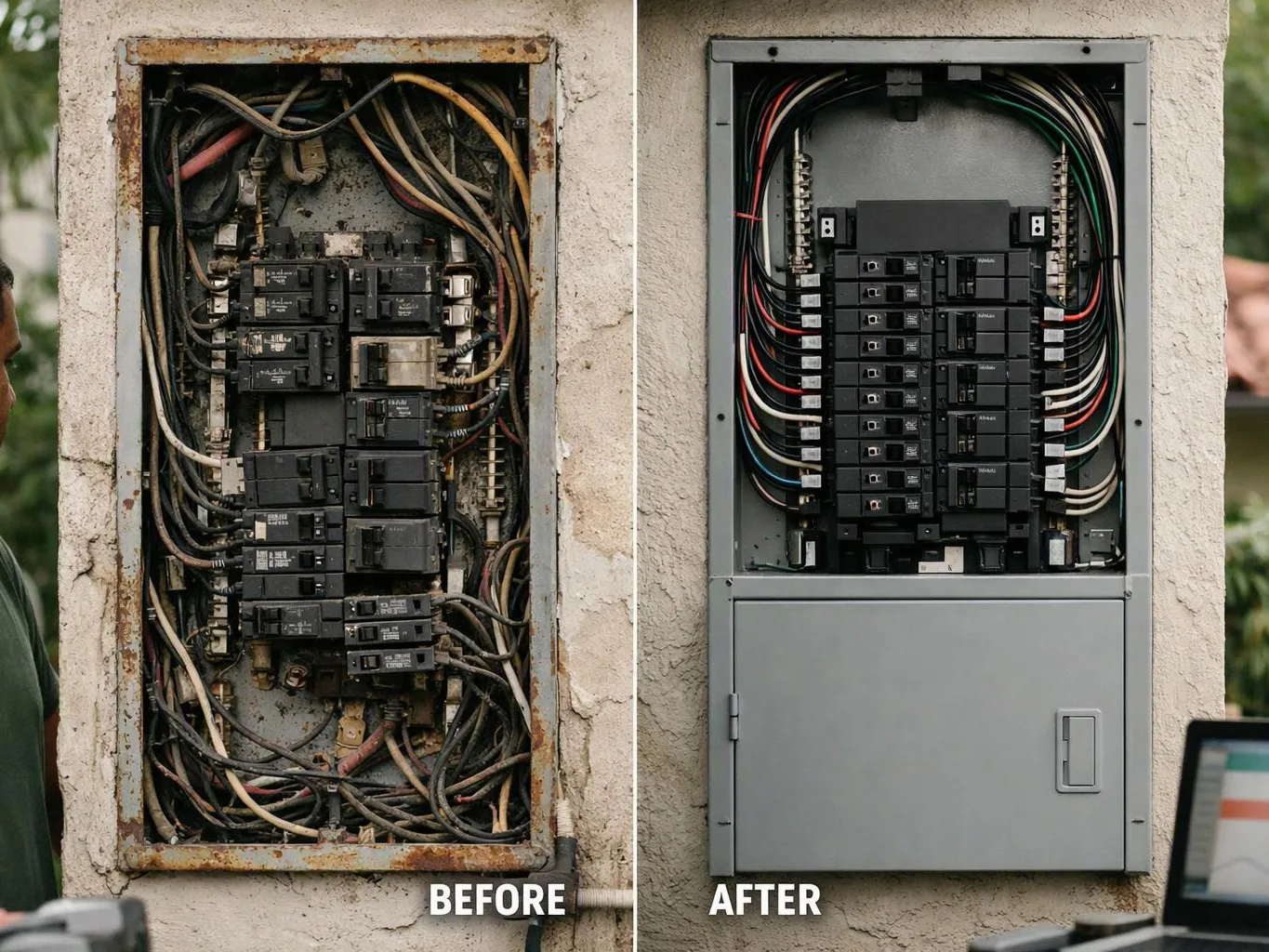
Panel work becomes relevant when the breaker connection, bus bar, enclosure, or several circuits show damage. A single worn breaker may need a narrower repair. We inspect the panel before separating breaker replacement, wiring repair, and a broader panel upgrade.
Why should I avoid replacing a breaker myself?
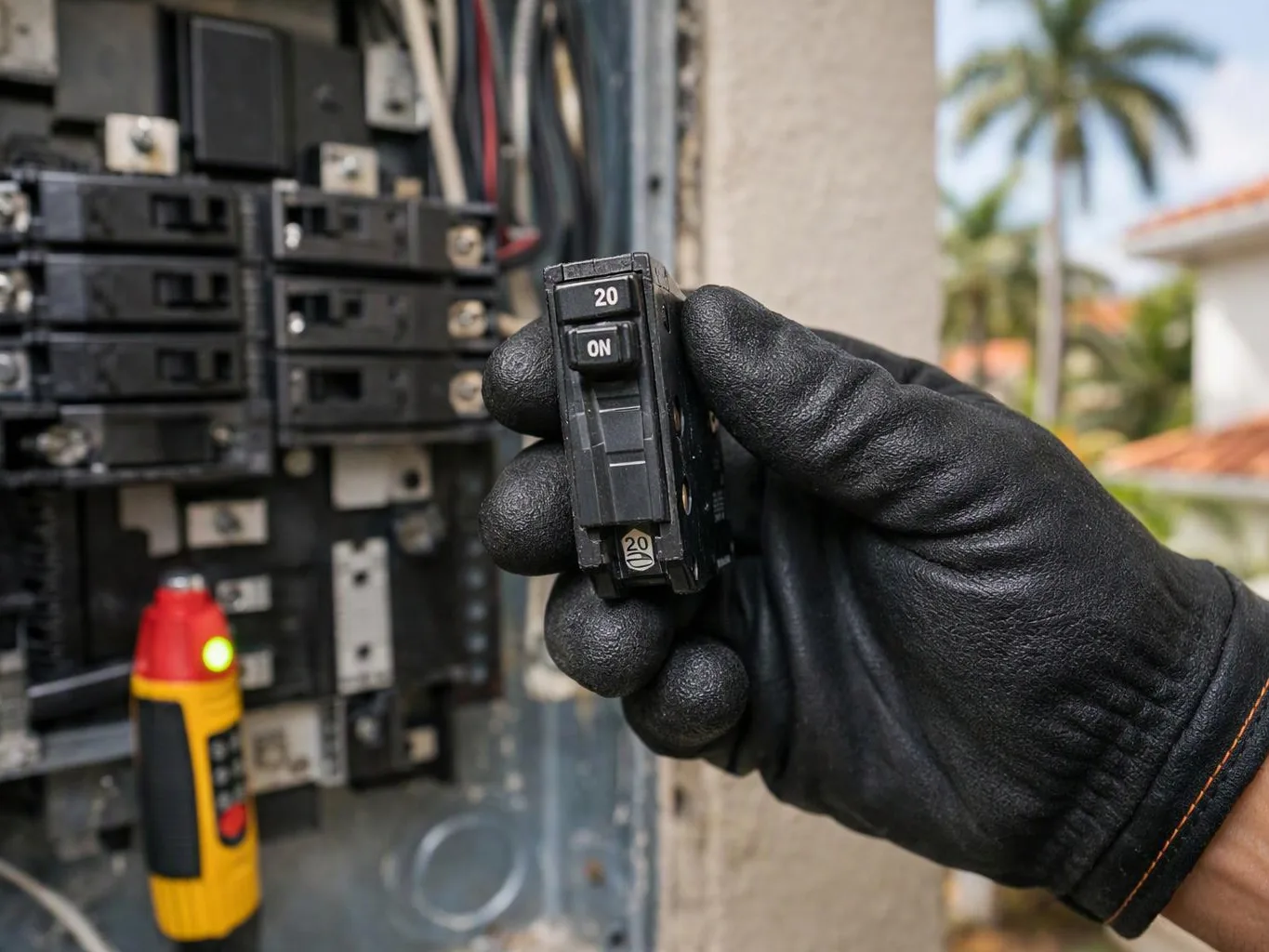
Replacing a breaker can expose live panel parts and may leave a wiring fault unresolved. The replacement must match the panel and circuit, and the connection needs testing after installation. We isolate the circuit, inspect related parts, and explain the safe repair scope.