What happens after inspection problems are found?
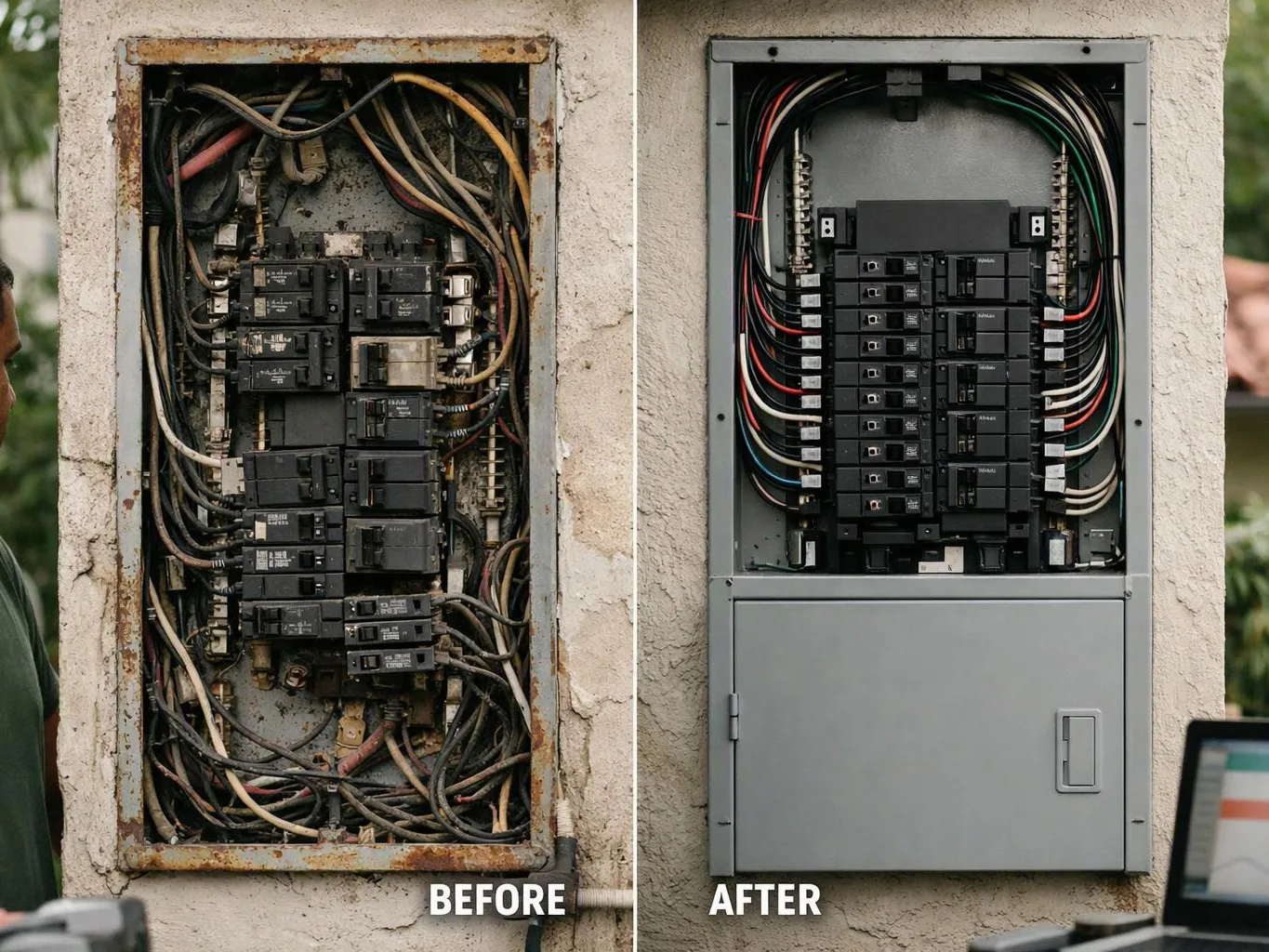
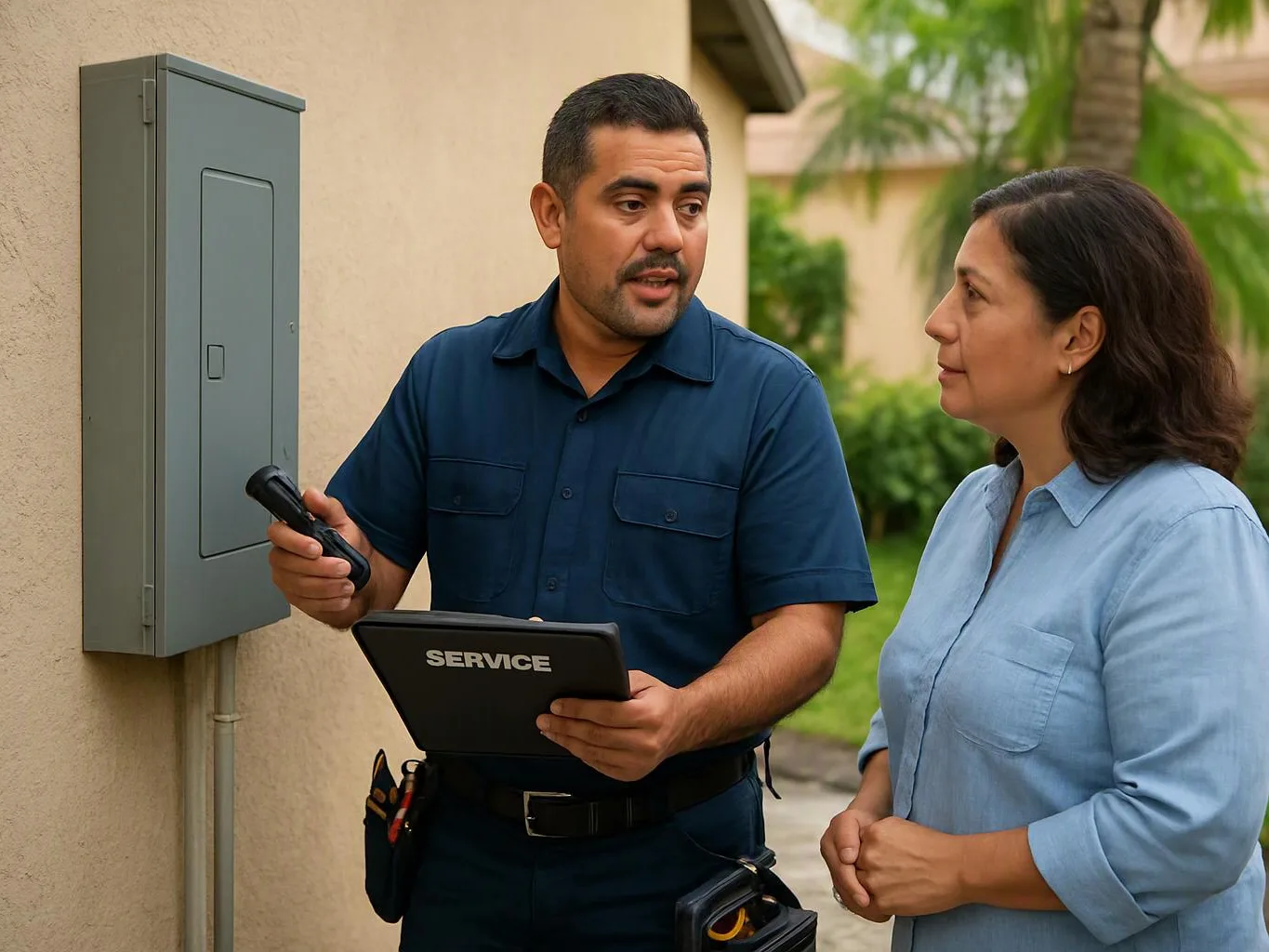
Safety corrections follow the inspection when hazards require action. Earth Electric documents the problem, explains its risk, and recommends repair, replacement, troubleshooting, or panel work. We review the scope with you before the next service. Urgent hazards receive clear handling instructions, while planned corrections can be scheduled as electrical work.
What does the crew look at first during an inspection?
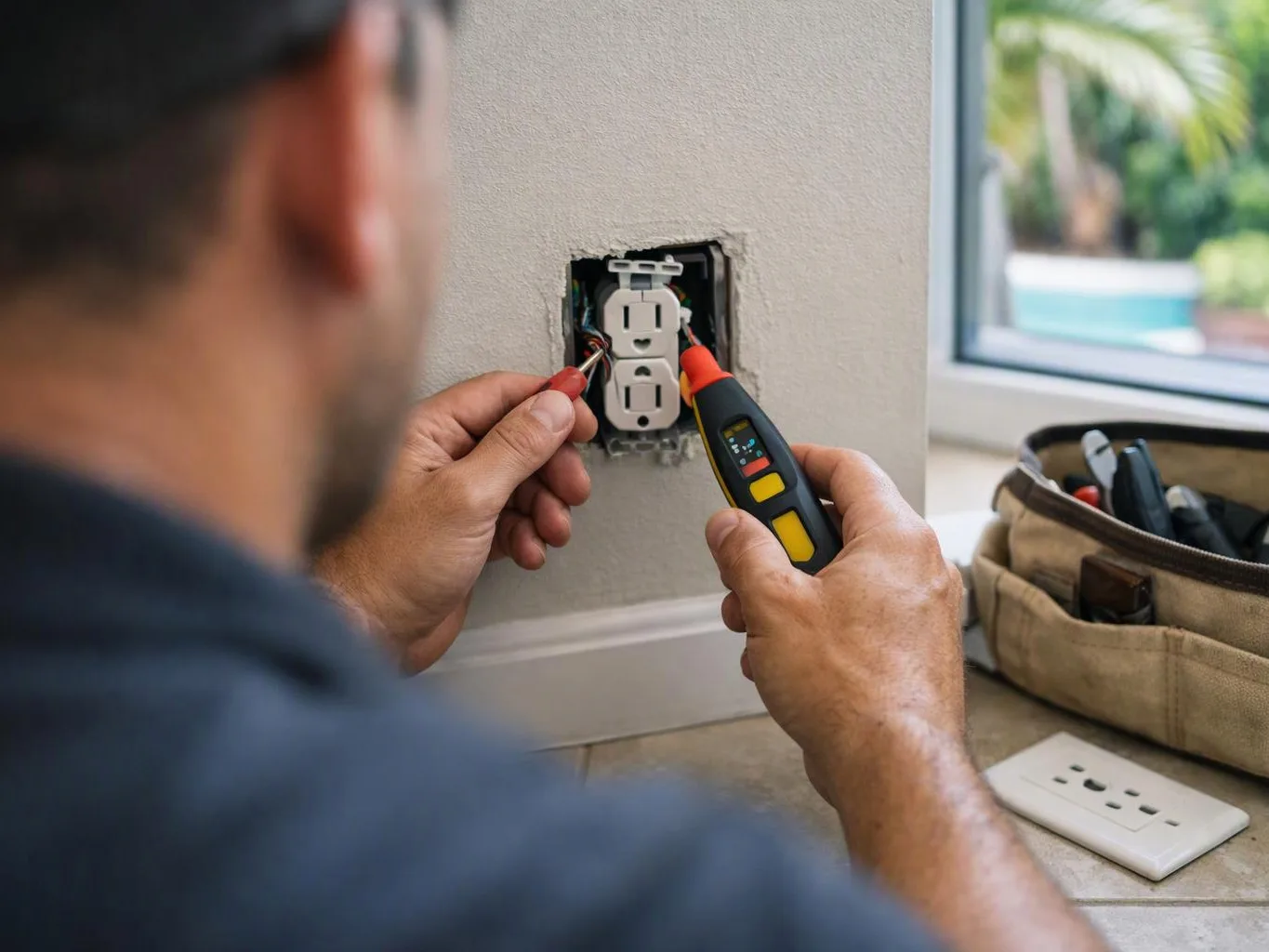
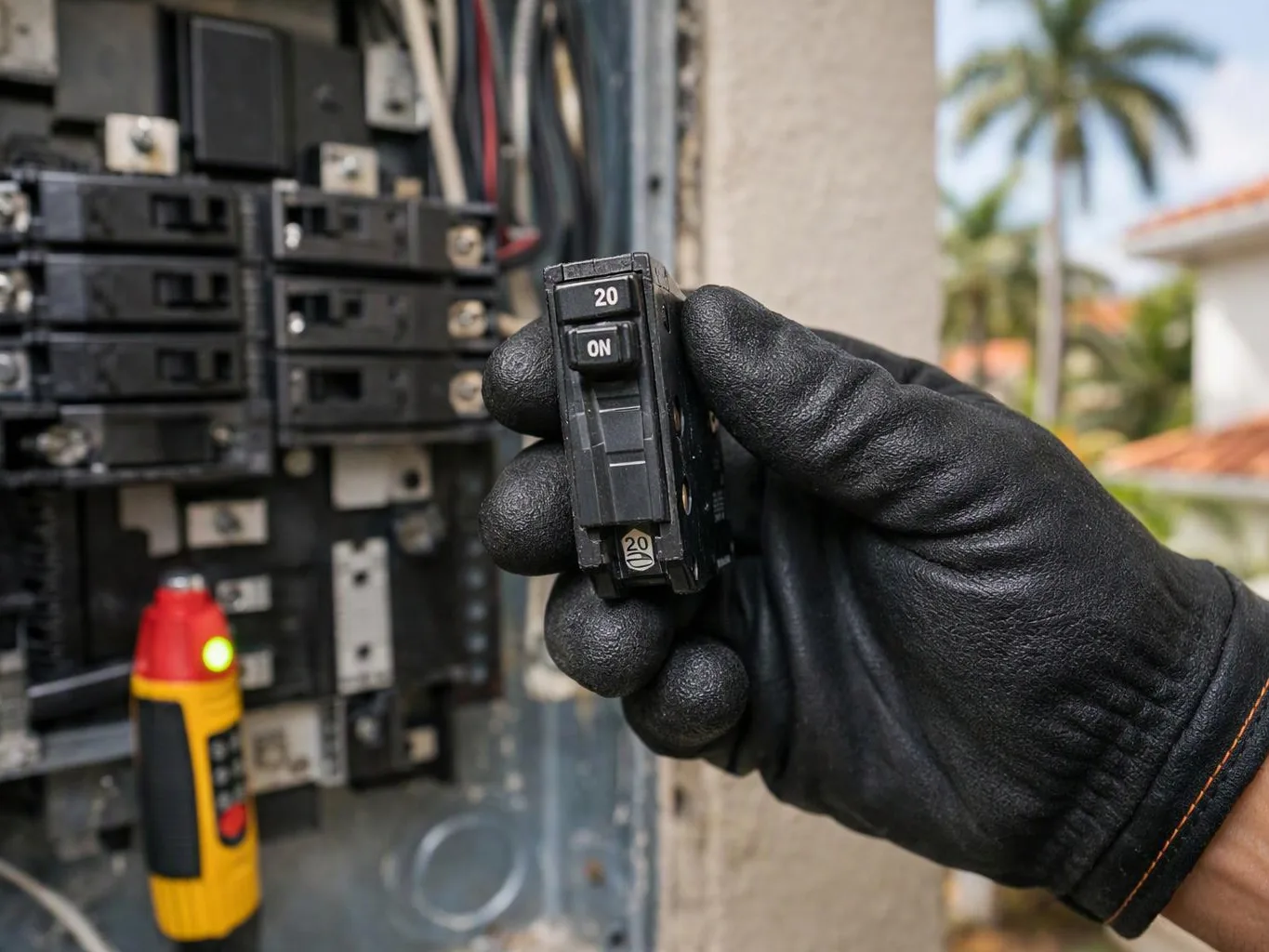
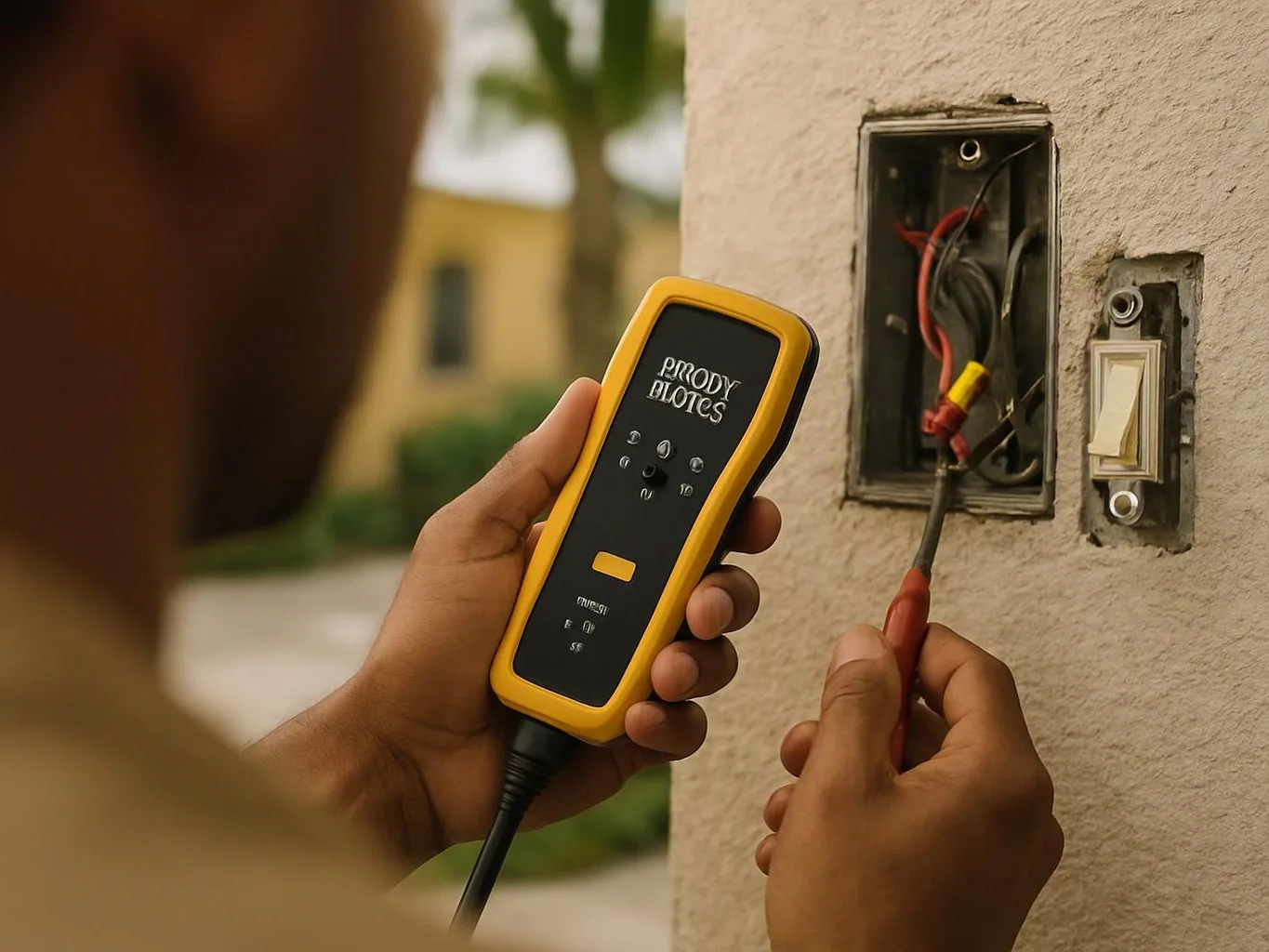
The electrical panel is checked first when it is the source of the reported concern. We look for damaged breakers, heat marks, loose parts, and visible wiring issues. The inspection then follows the affected circuit to accessible outlets, switches, and grounding connections. This links the visible symptom to the part that needs attention.
What should be checked before an inspection is scheduled?
The reported symptom, affected room, recent electrical change, and any visible damage should be noted before scheduling. Do not touch exposed wiring or repeatedly reset a tripping breaker. Photos of a safe, dry area can help explain the concern, but they do not replace an on-site inspection.
Who is a good fit for an electrical safety inspection?
Homeowners, businesses, property managers, and owners planning electrical work are good fits for an inspection. The service helps when the concern needs a system review or repair plan. Smoke, sparks, burning odors, and exposed live wiring require urgent electrical repair, not a routine inspection alone.
Which parts change the inspection estimate?
Property size, access, the number of affected circuits, visible wiring conditions, and follow-up diagnosis can change the estimate. Earth Electric reviews the requested scope before providing a free estimate. The inspection itself helps define whether the next step is a small repair, panel upgrade, or broader electrical work.
When should a business request an electrical safety check?
A business should request a check after repeated outages, breaker trips, damaged outlets, or concerns about electrical equipment. We review accessible panels, circuits, outlets, switches, and grounding connections. The findings help the owner plan repairs without treating one visible fault as the entire electrical problem.
Why is a breaker trip worth investigating?
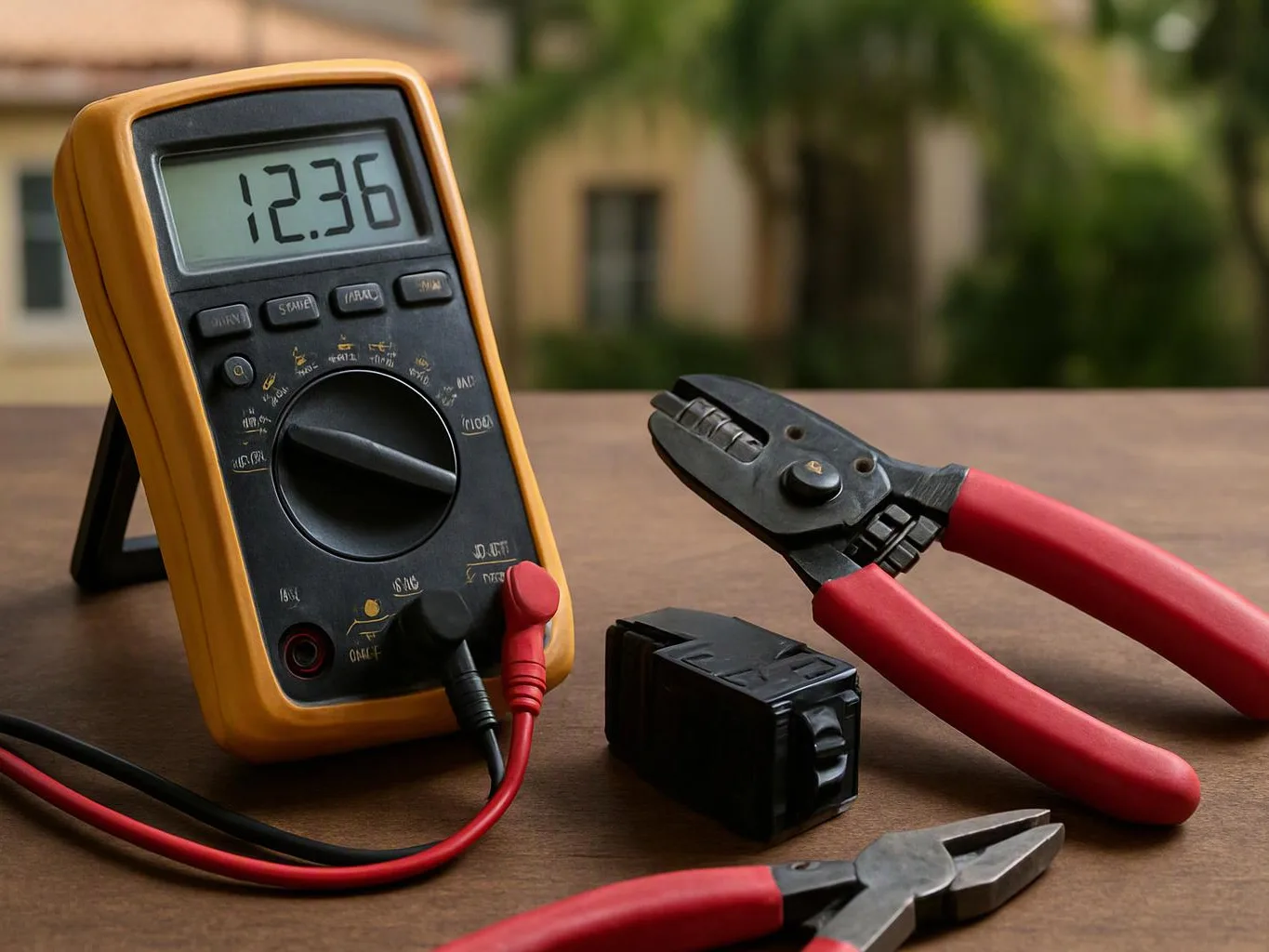
A breaker trip protects a circuit from an unsafe electrical condition, overload, or fault. Resetting it repeatedly can hide a problem and increase risk. Our team checks the breaker, connected circuit, wiring, outlets, and load before recommending the next repair.