When should an electrical panel be upgraded?
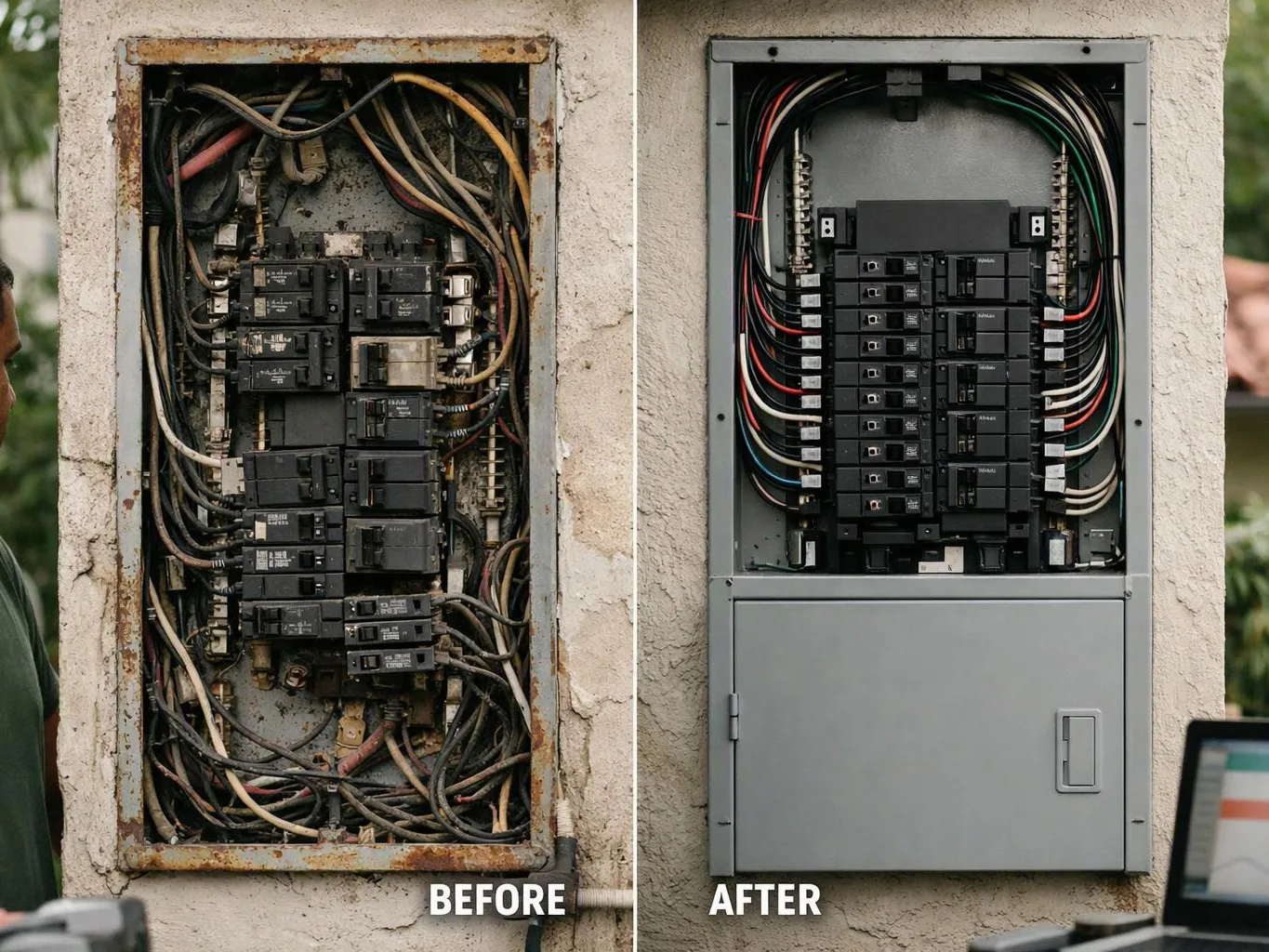
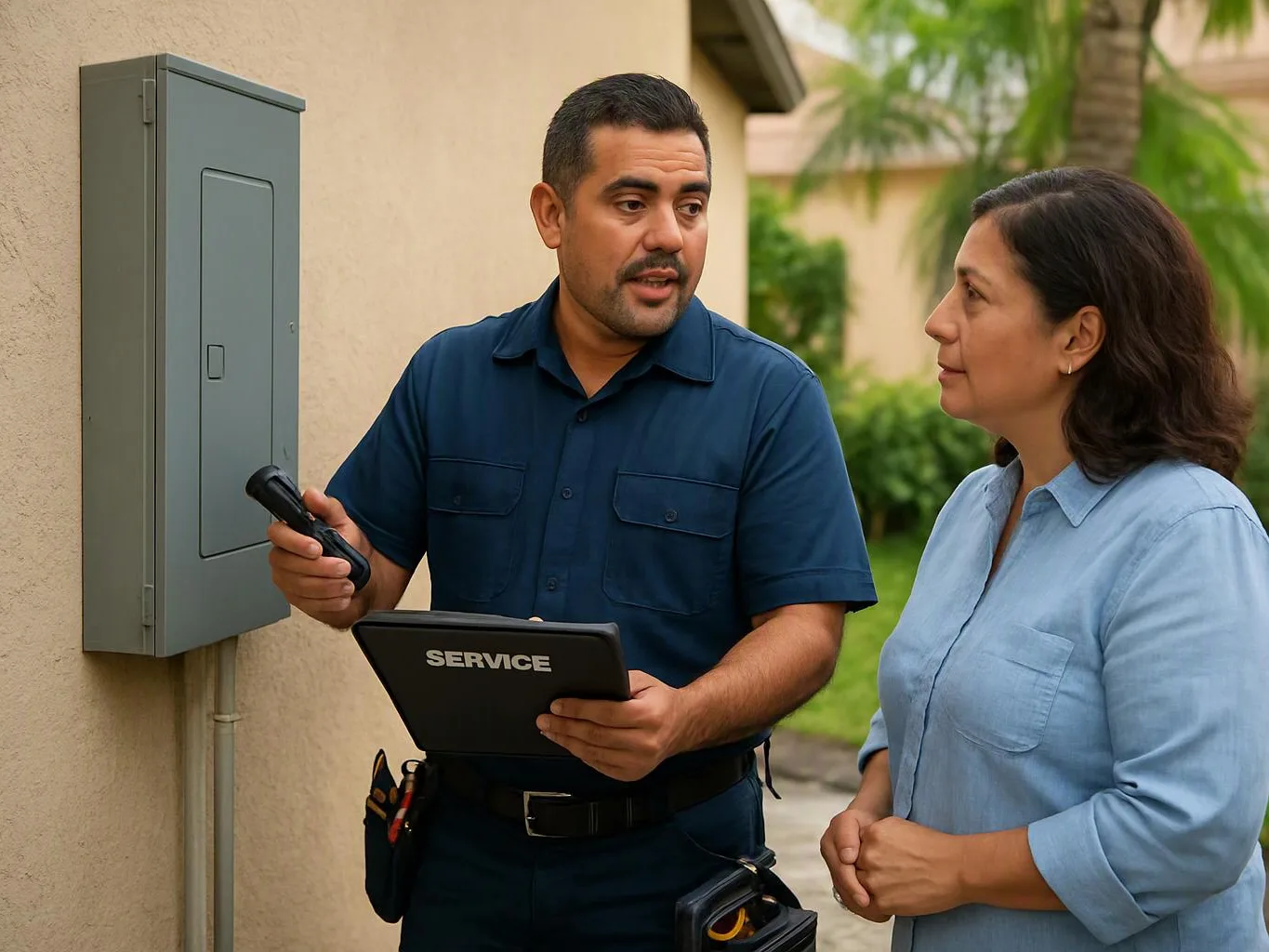
Insufficient capacity means an electrical panel should be considered for an upgrade when demand exceeds safe distribution needs. Earth Electric checks tripping, fuses, wiring, breakers, and planned equipment before making the recommendation. A panel upgrade may fit a home addition or repeated capacity issue, while one faulty breaker may need a smaller repair.
Which part of the property decides the upgrade scope?
The existing panel and connected electrical system decide the upgrade scope. We inspect the panel location, feeder wiring, main disconnect, branch circuits, and available space. Added equipment also matters because it changes the expected load. Access to the panel helps us define the work and prepare an accurate estimate.
How does an upgrade visit move from the first call to the last step?
The visit moves from an electrical assessment to a defined scope, estimate, installation, and final check. Earth Electric starts by reviewing the panel and the reported symptoms. We then examine breakers, wiring, load needs, and access. After the agreed work is complete, we check the panel and circuit connections.
What material changes how long the upgrade work takes?
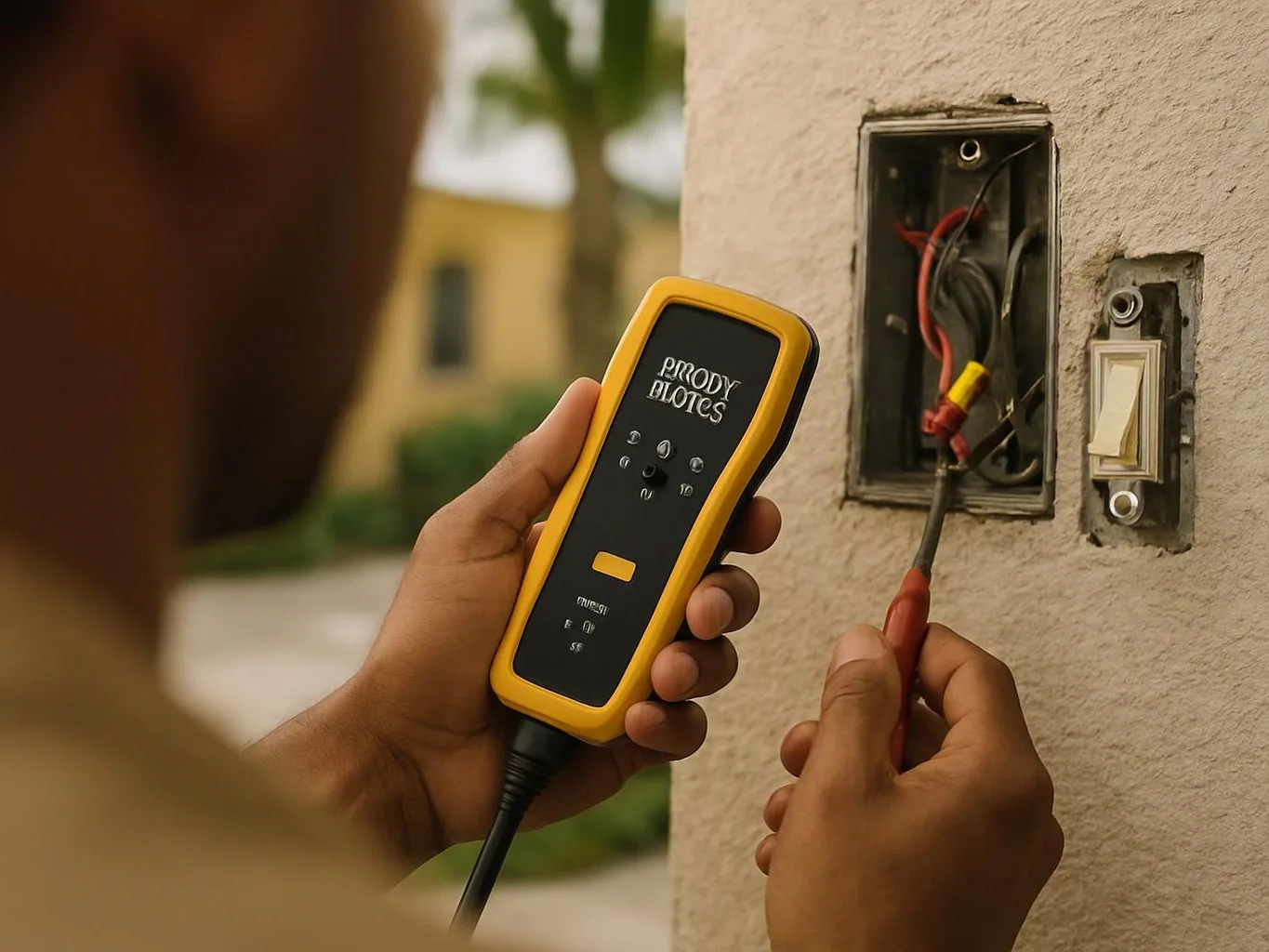
Feeder wiring can change the work time because its condition and access affect the panel installation. We inspect the feeder, main disconnect, panel enclosure, and branch circuits before setting the scope. Damaged or unsuitable wiring can require related work, while a sound setup keeps attention on the panel itself.
Why do fuses and breakers matter during a panel assessment?
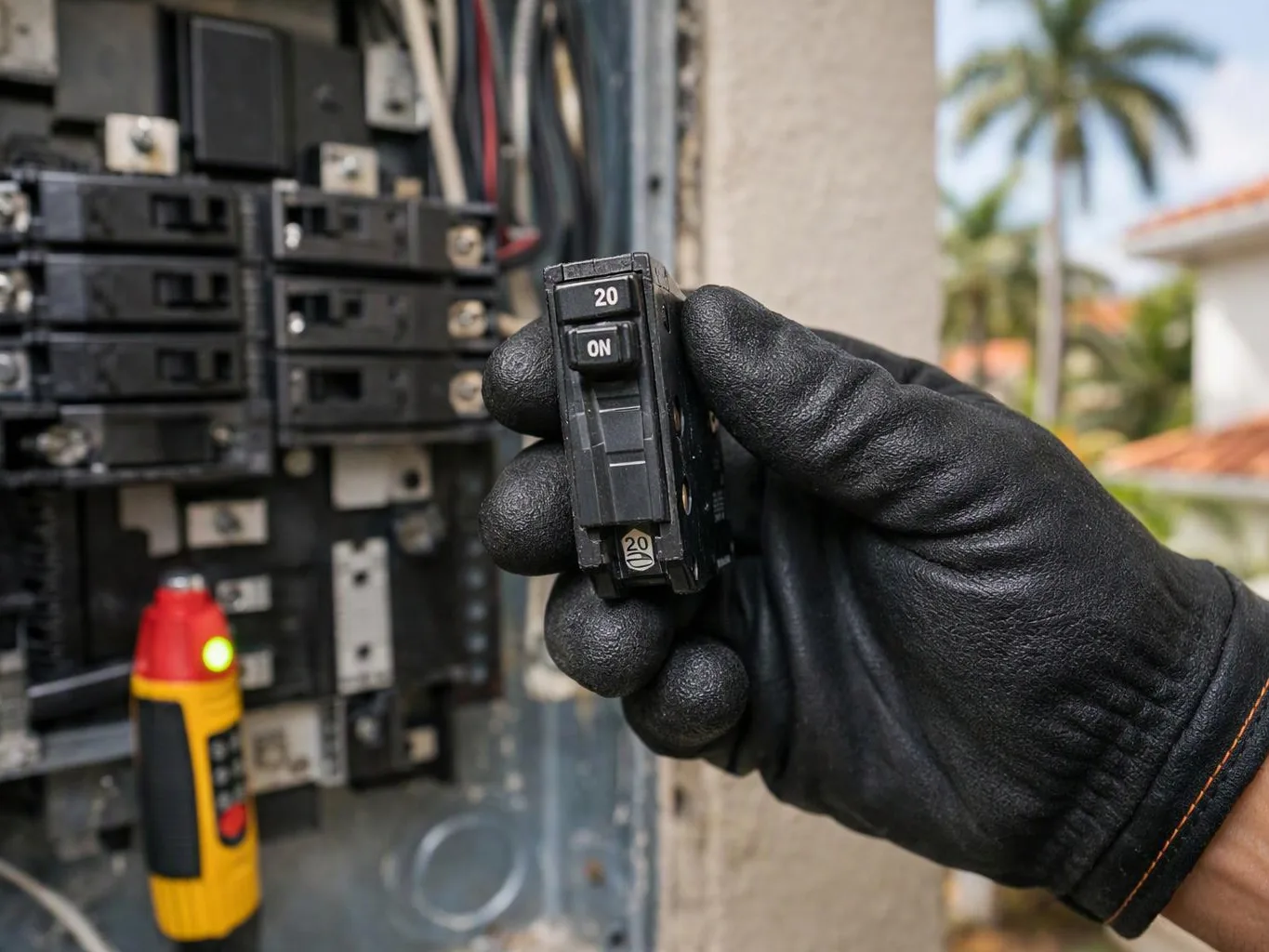
Fuses and breakers show how the existing system protects its circuits and where safety concerns may exist. We check their type, condition, connections, and relationship to the panel. Outdated fuses can point to broader panel concerns, but the inspection must also rule out a separate wiring fault.
Can a panel upgrade fix every breaker trip?
A panel upgrade cannot fix every breaker trip because some trips come from damaged wiring, a faulty appliance, or one bad circuit. We trace the reported problem and inspect the breaker, conductors, and panel connections. The result may be panel work, circuit repair, or a focused electrical safety inspection.
What should I do before scheduling this electrical work?
Record which breaker trips, what equipment was running, and whether you notice heat, smoke, sparks, or a burning smell. Turn off affected equipment and don't reset a breaker repeatedly. Photos of the panel label and visible damage can help with scheduling, but we still need to inspect the system before quoting the work.