How is the correct replacement breaker selected?
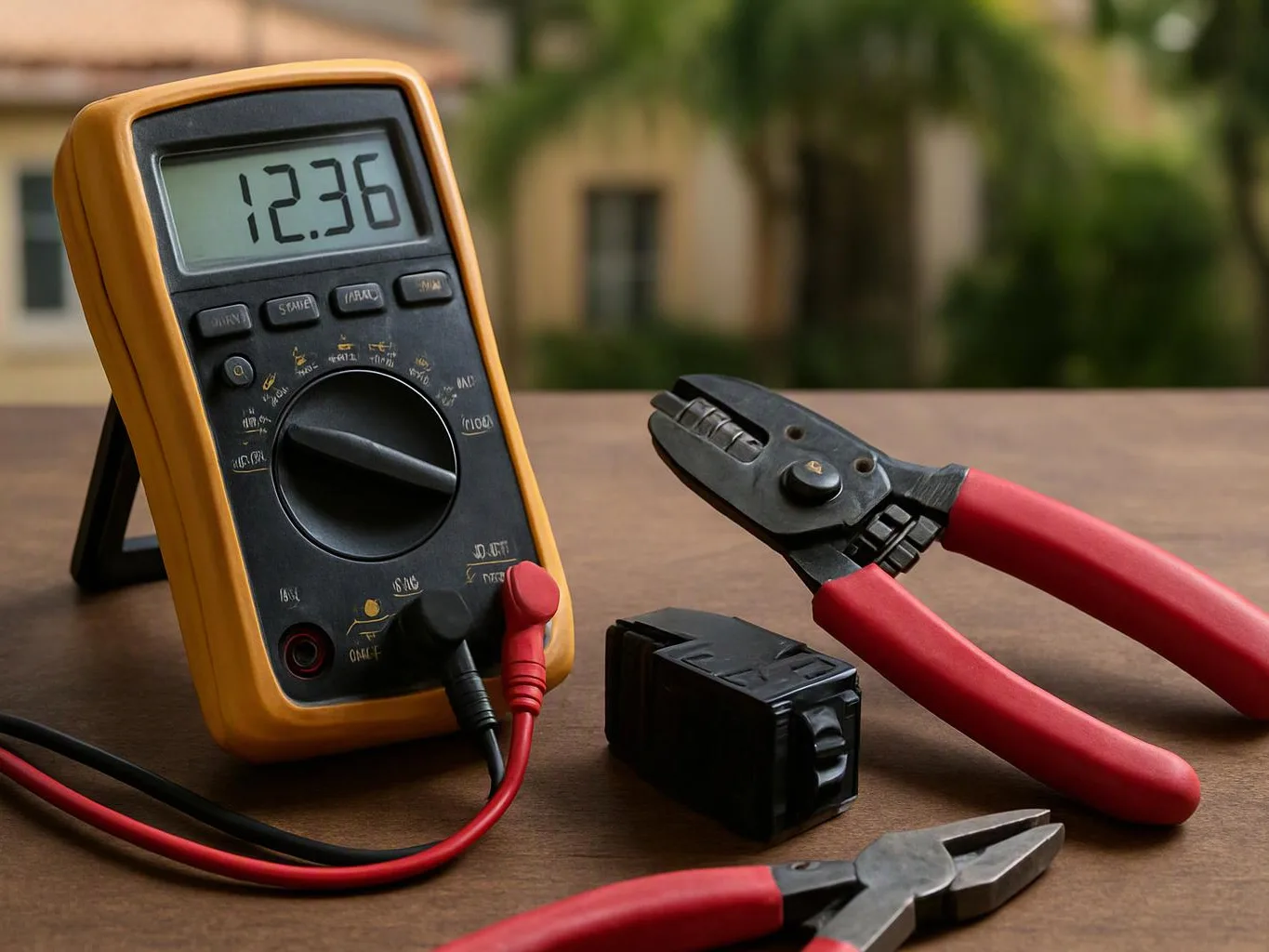
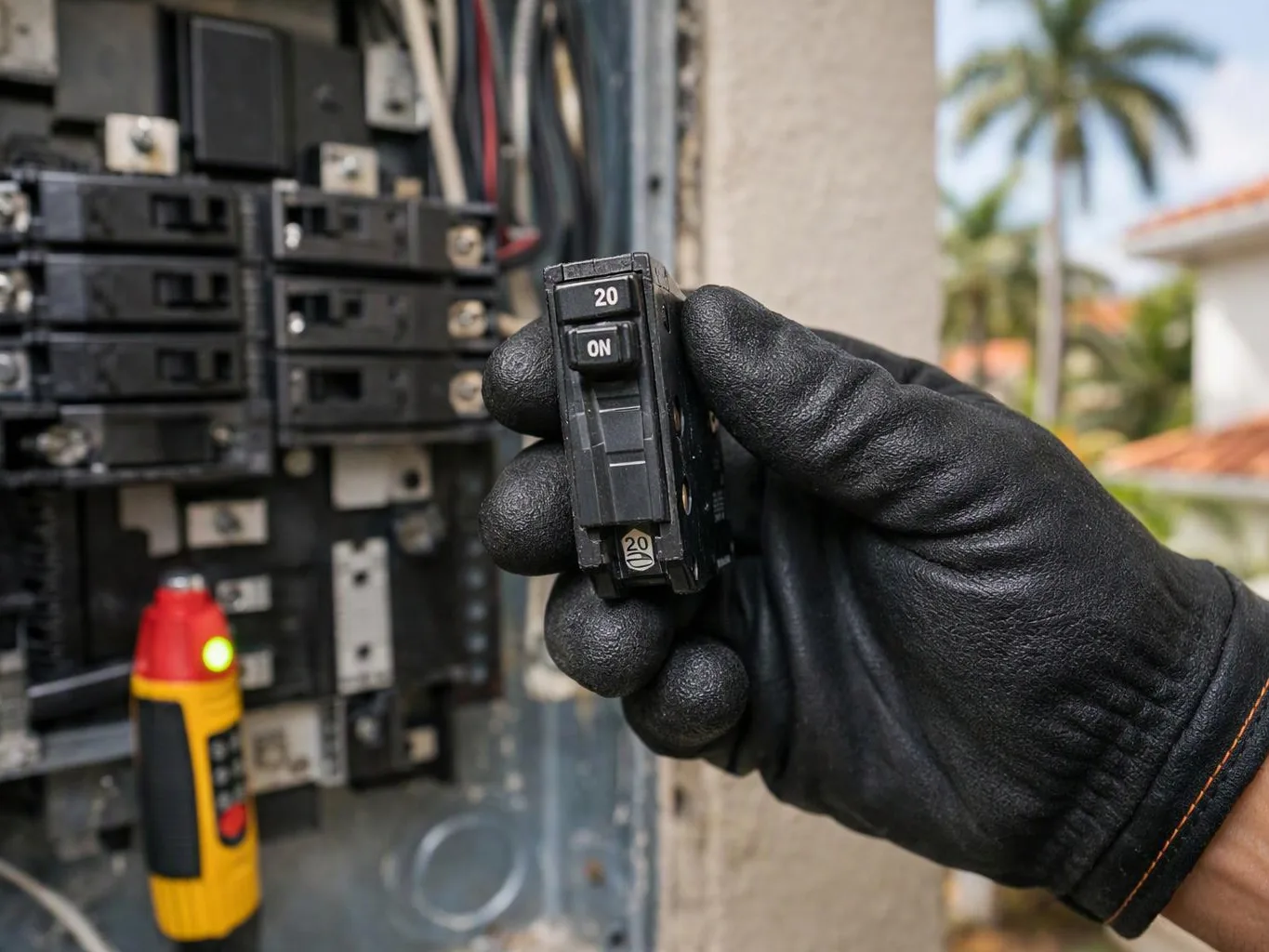
Panel compatibility determines the correct replacement breaker. Earth Electric checks the panel, breaker type, amperage rating, wire gauge, and interrupt rating before installation. The old breaker's appearance alone does not prove that another part will fit. We also inspect the circuit cause, because a new breaker cannot correct damaged wiring or an overload.
What should happen before a breaker gets replaced?
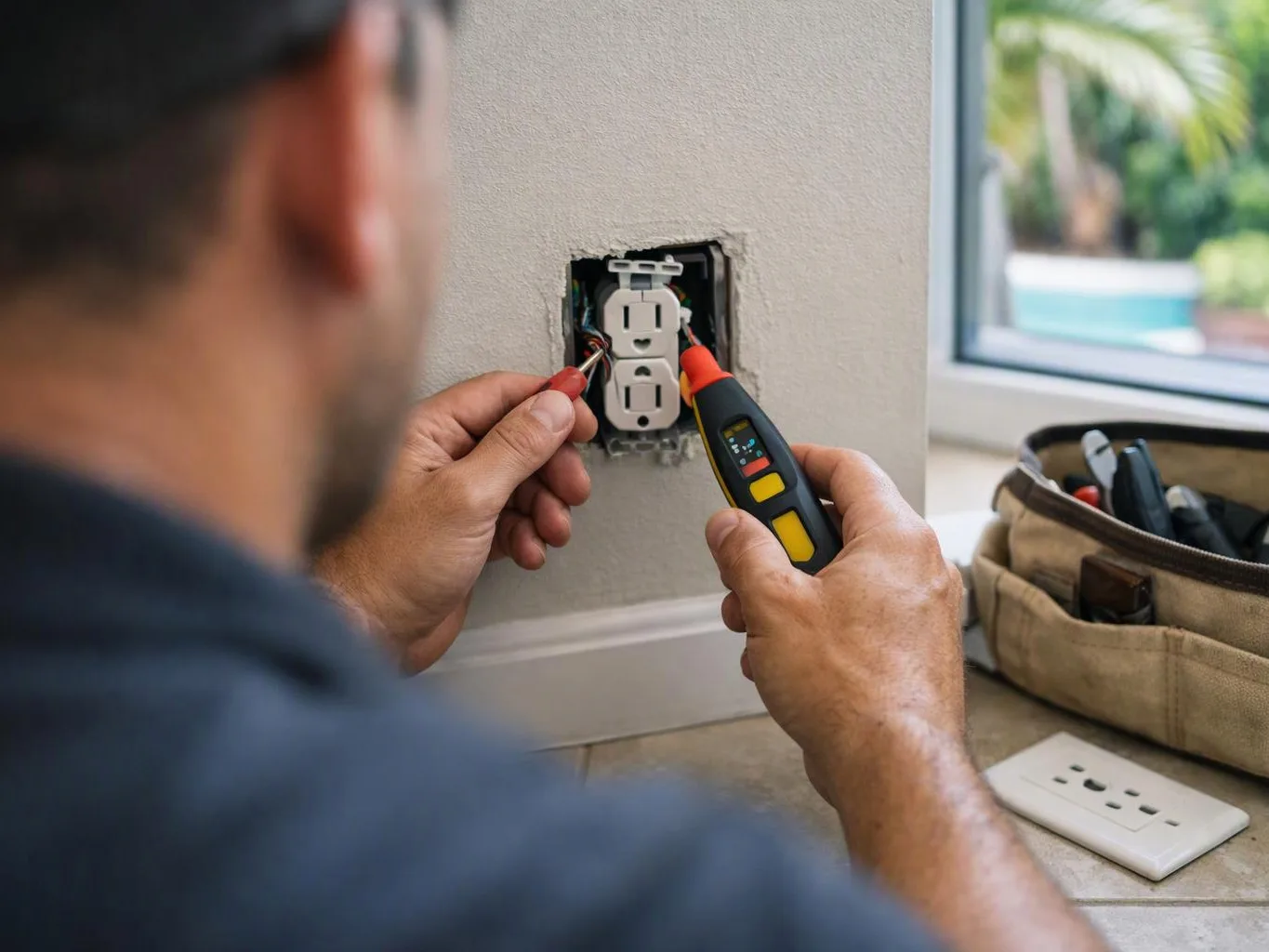
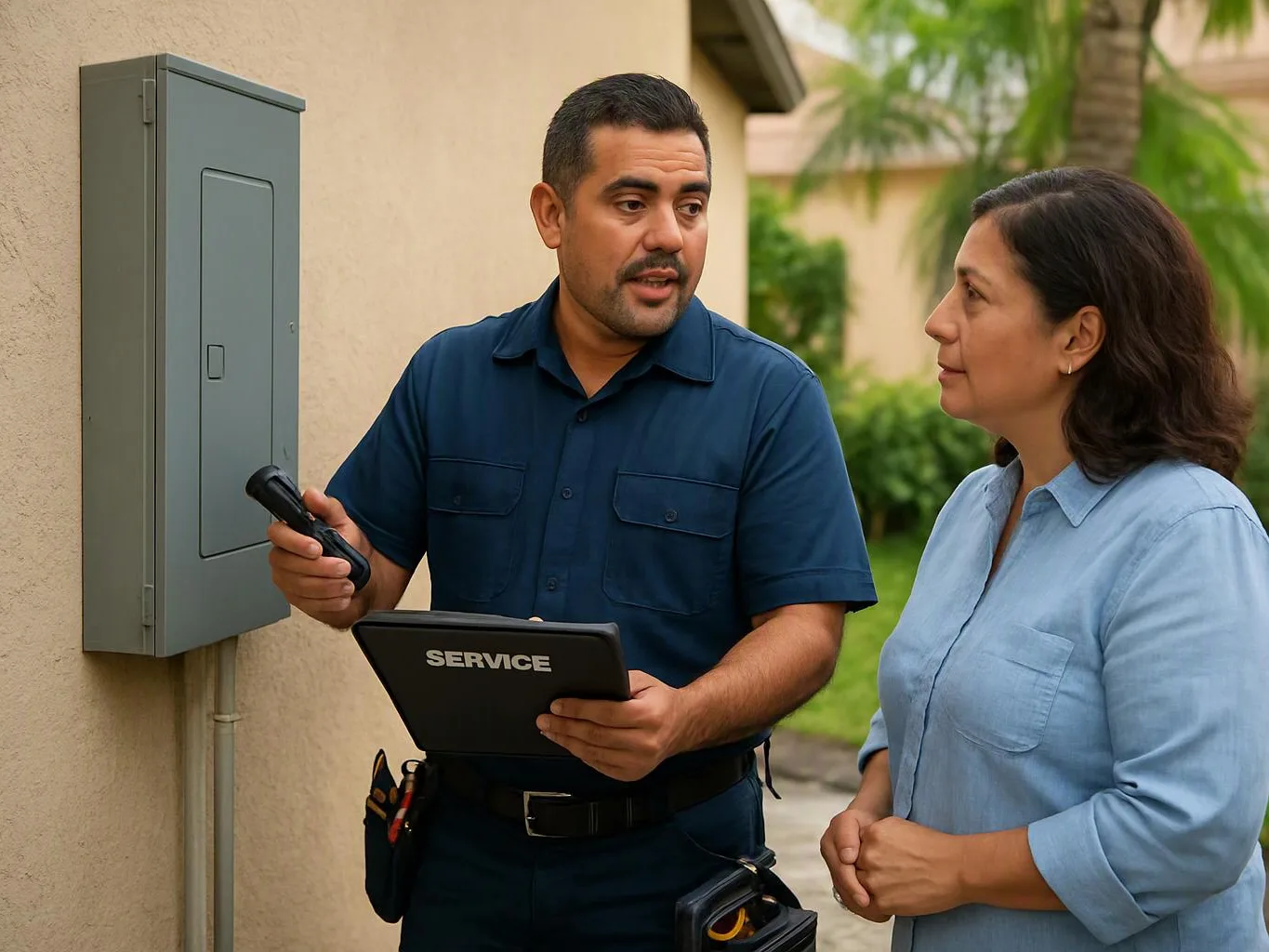
The existing breaker and circuit should be inspected before removal. We check for loose terminals, heat damage, overload signs, wiring faults, and a mismatch between the breaker and panel. Keep people away from a damaged panel, and don't keep resetting a breaker that trips repeatedly. Our electricians explain the safe work scope before installation.
Which material changes the replacement work?
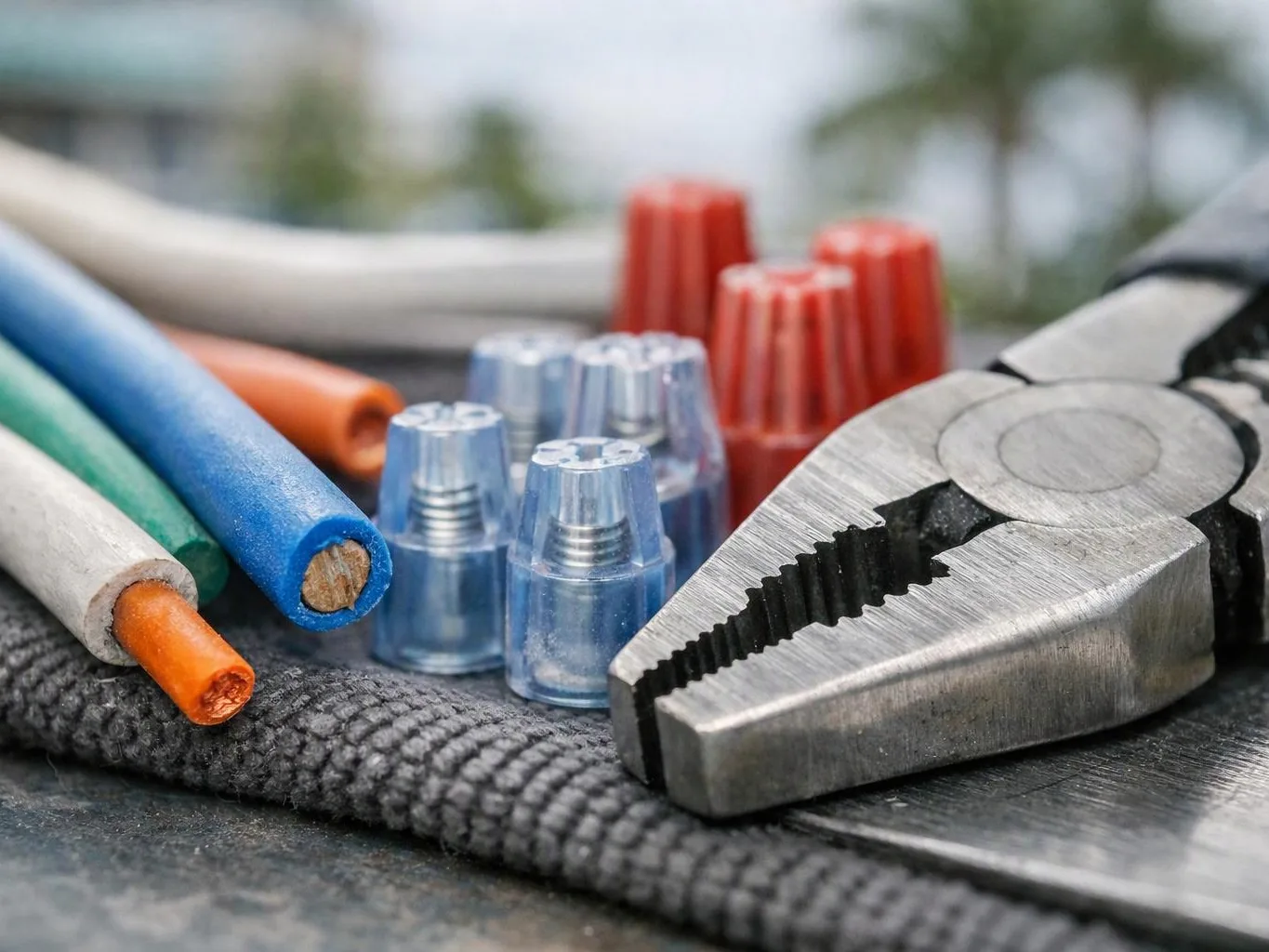
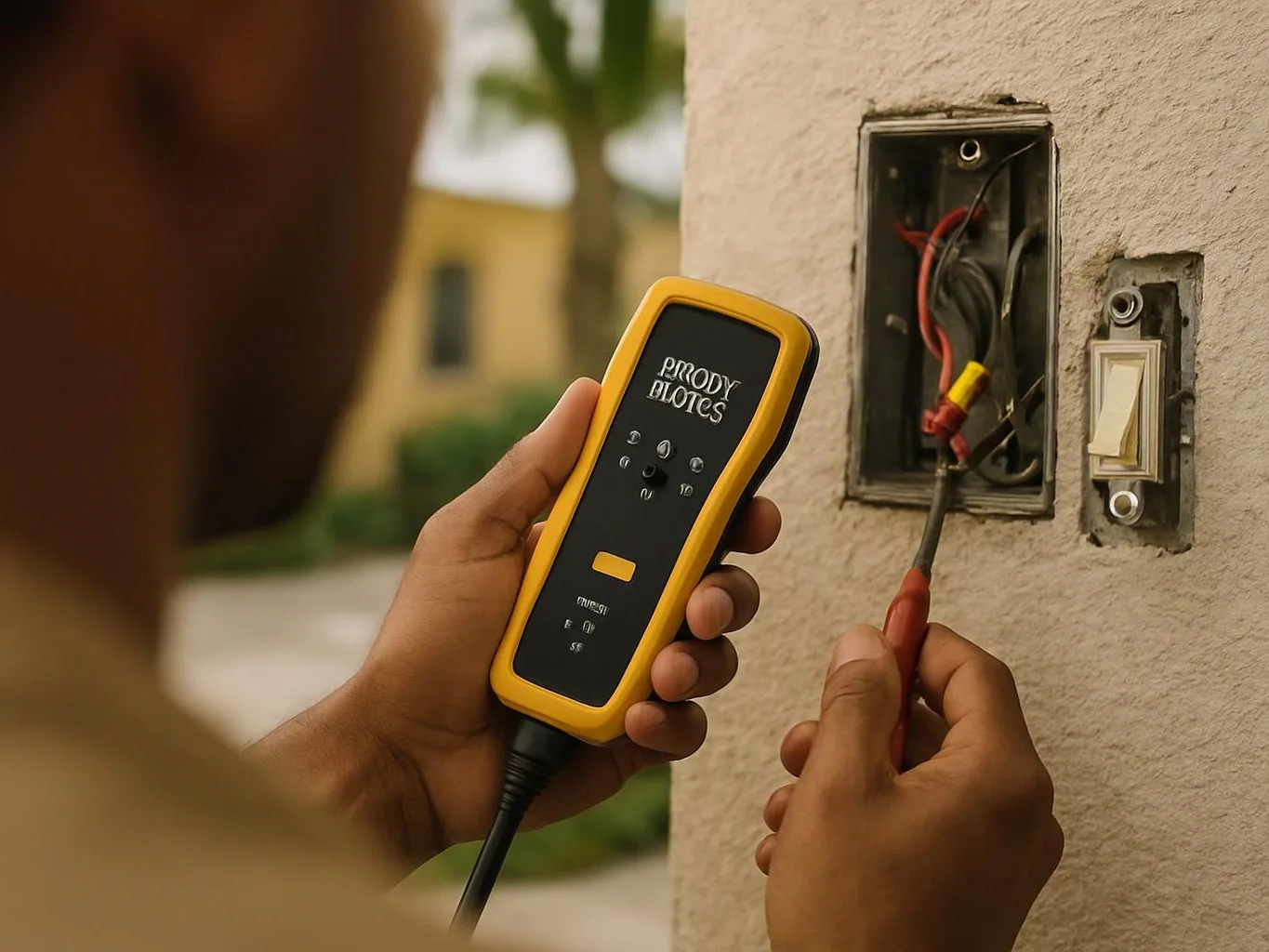
The circuit's copper or aluminum conductors can change the replacement assessment. We inspect the wire gauge, conductor condition, terminals, and breaker connection before fitting a part. The conductor must suit the circuit protection. If wiring shows damage or the load exceeds the circuit, we explain the added repair scope instead of treating the issue as a simple part swap.
How does a replacement visit move from the first call to the last step?
The visit moves from symptom review to inspection, part selection, installation, and circuit testing. We first record what the breaker is doing and which area has lost power. Next, we check the panel and wiring, explain the estimate, install the matched breaker after approval, and test the repaired circuit.
When does breaker replacement fit the property?
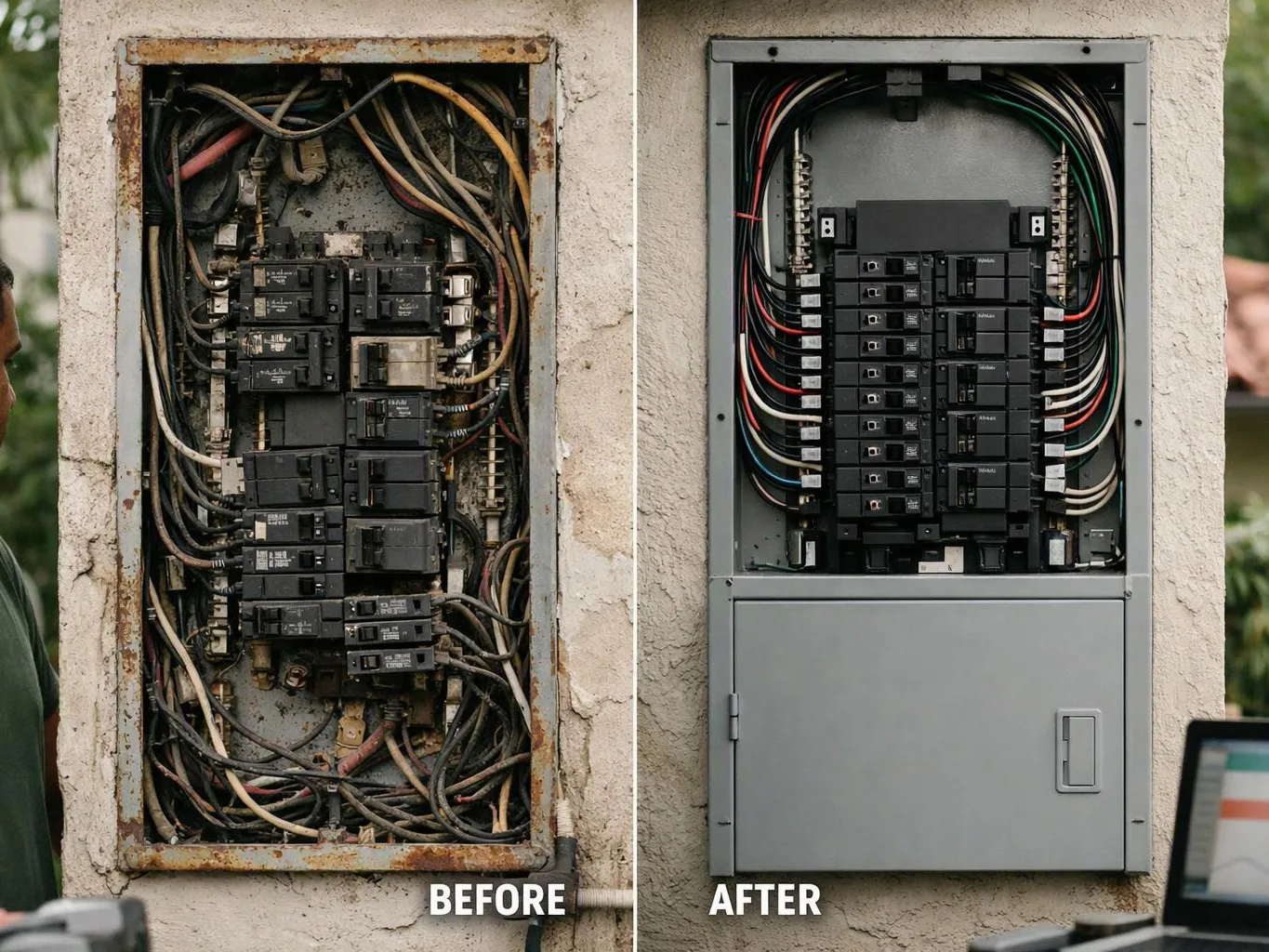
Breaker replacement fits when the breaker has failed or is damaged and the panel and circuit support a compatible part. We check the panel, load, wiring, and breaker position before confirming that scope. A panel upgrade, damaged branch wiring, or whole-property rewiring calls for a broader electrical assessment.
Why does a breaker trip after the appliance starts?
A breaker that trips when an appliance starts can indicate a high circuit load, a fault, or a weak breaker. We identify the appliance, check the circuit load, inspect the wire gauge, and test the breaker and connections. Unplug the appliance if it creates heat, sparks, or a burning smell, then request an electrical assessment.
What can a customer do before the electrician arrives?
Customers should note the affected circuit and stop using equipment connected to it. Keep the panel accessible, avoid removing the cover, and do not repeatedly reset a breaker that trips. Photos of the panel label and breaker position can help with scheduling, but Earth Electric still checks the equipment on site.