What problems can prevent reliable electric vehicle backup integration?
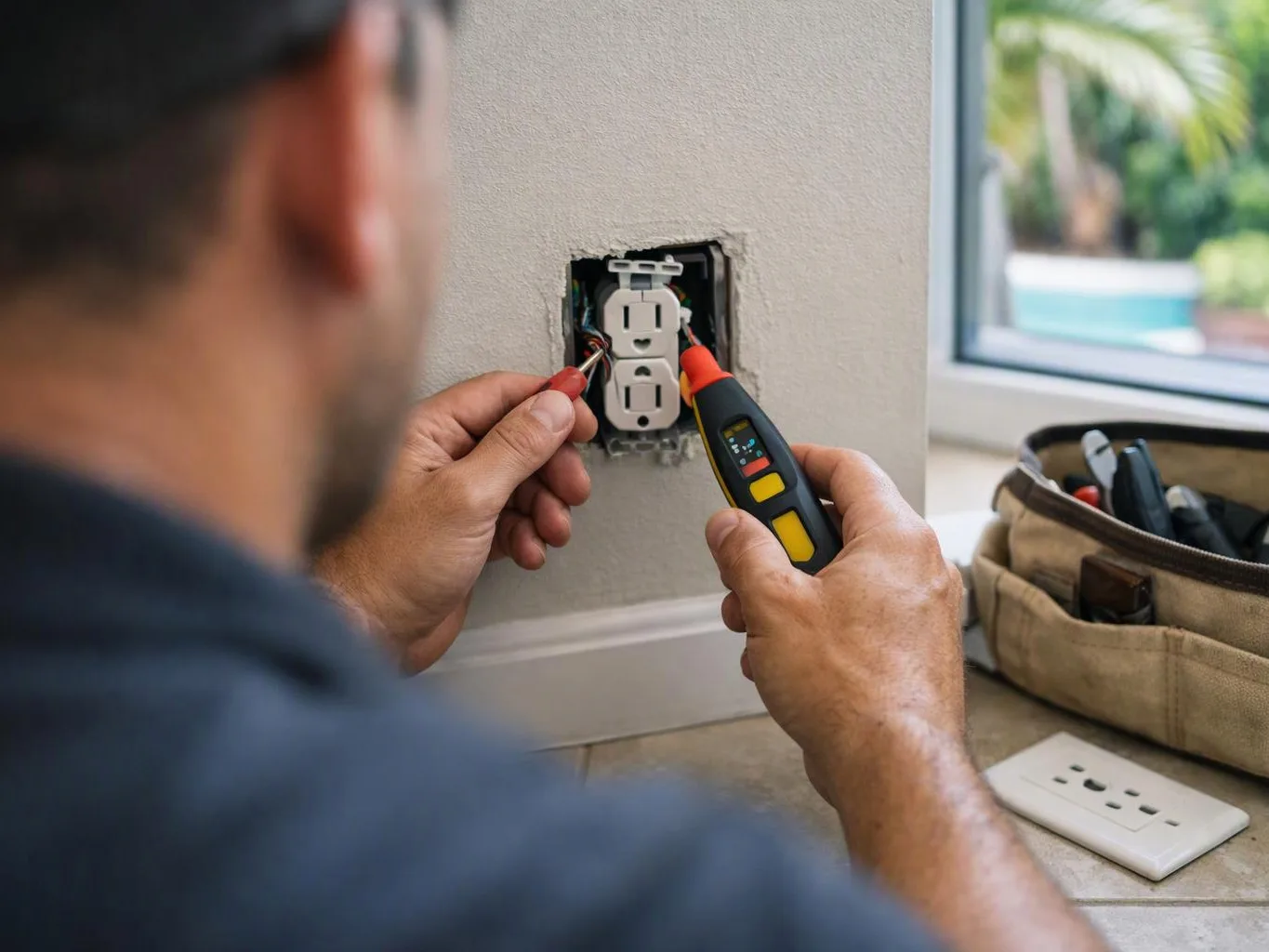
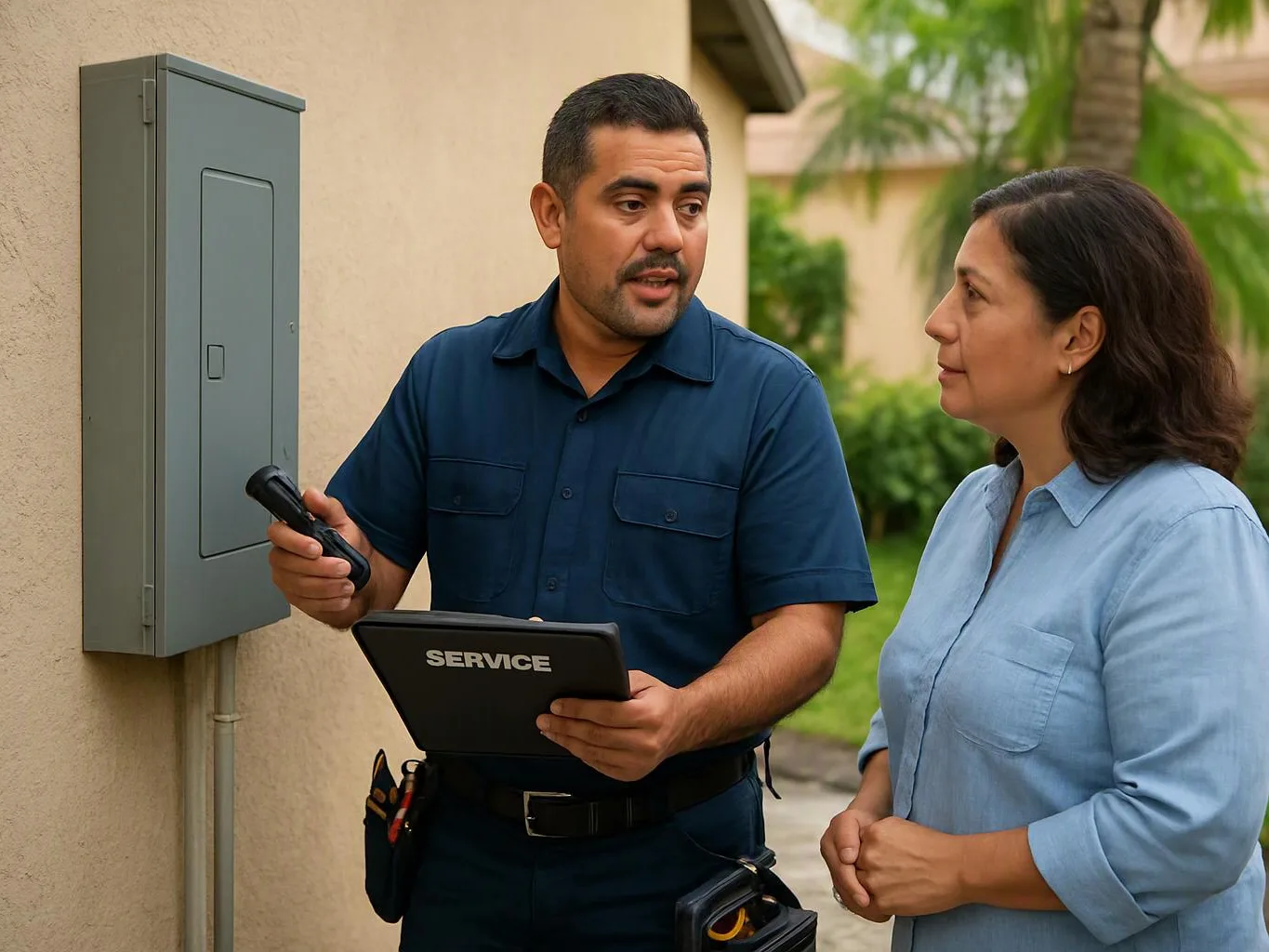
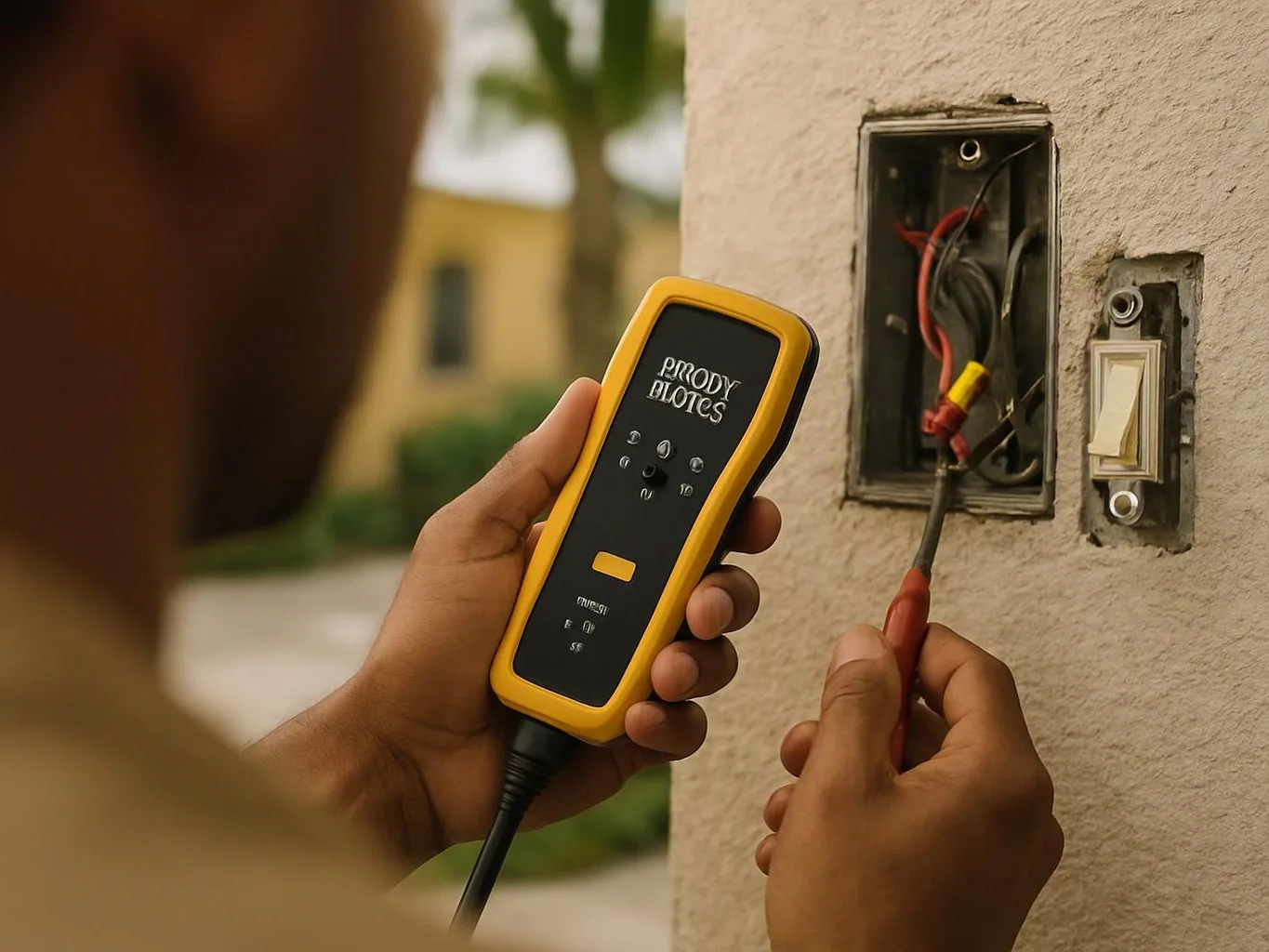
Connection failure can result from an incompatible vehicle, communication faults, or overload protection trips. Earth Electric checks the vehicle, charger, control path, panel, and selected circuits. We then identify the failed point and explain the repair or installation work needed. The check also helps separate a backup integration issue from a standard EV charging problem.
How does an EV home-backup visit move from the first call to the last step?
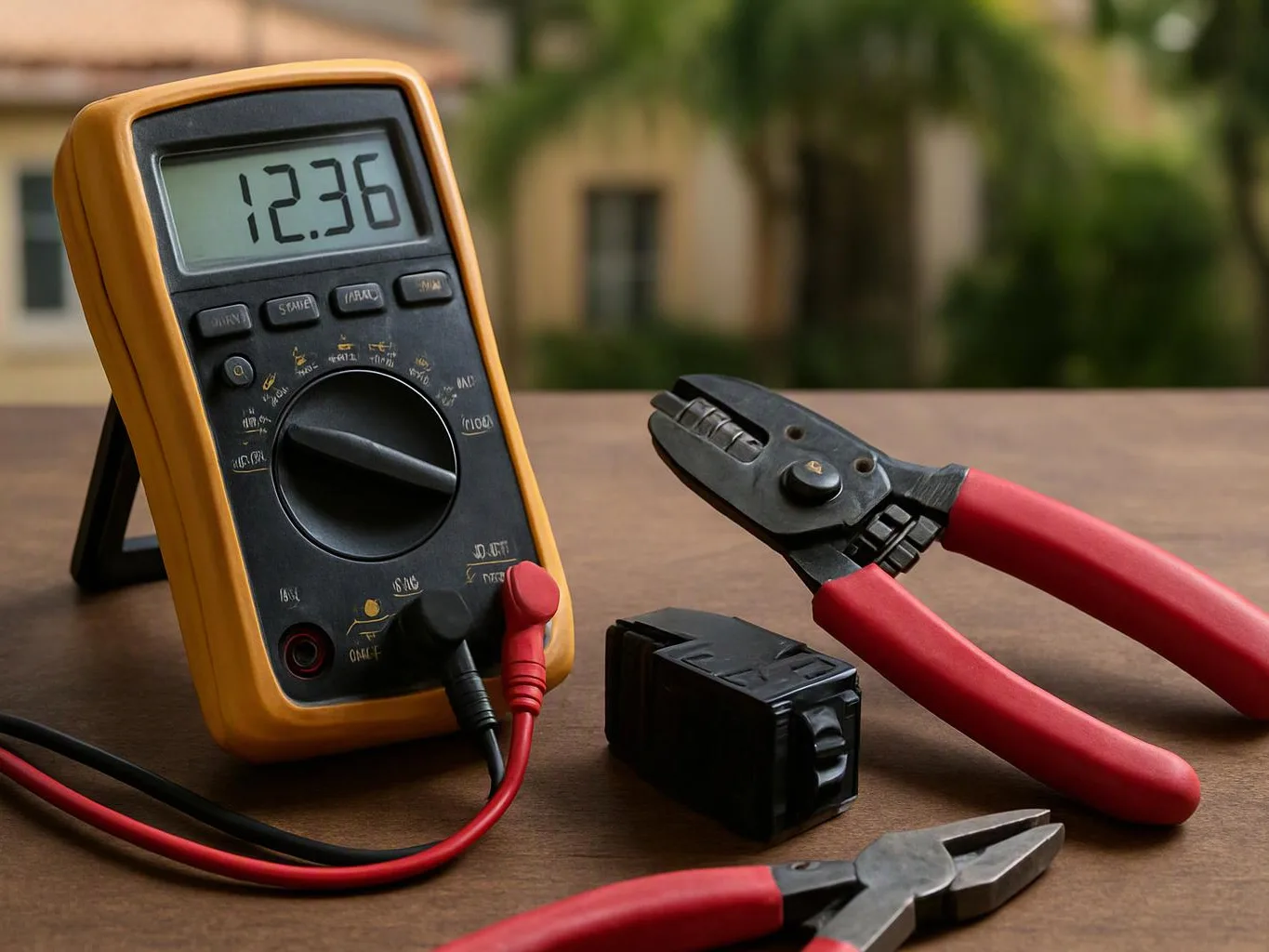
The visit moves from equipment review to panel inspection, fault testing, scope planning, and final connection testing. We first identify the vehicle and intended backup circuits. Next, we check wiring, controls, communication, and load protection. The last step confirms the connection and explains how the system operates.
Which material changes how EV home-backup integration is planned?
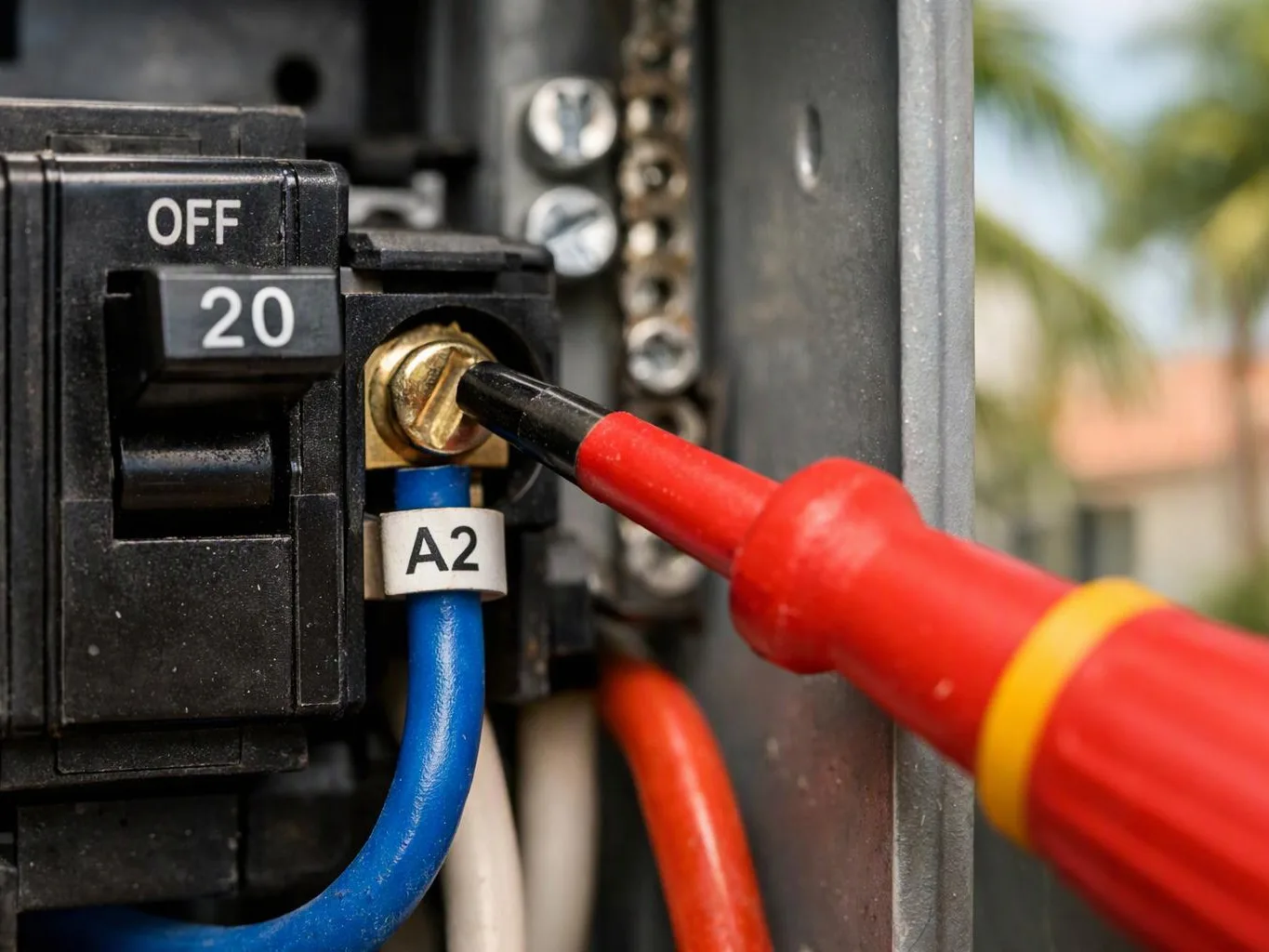
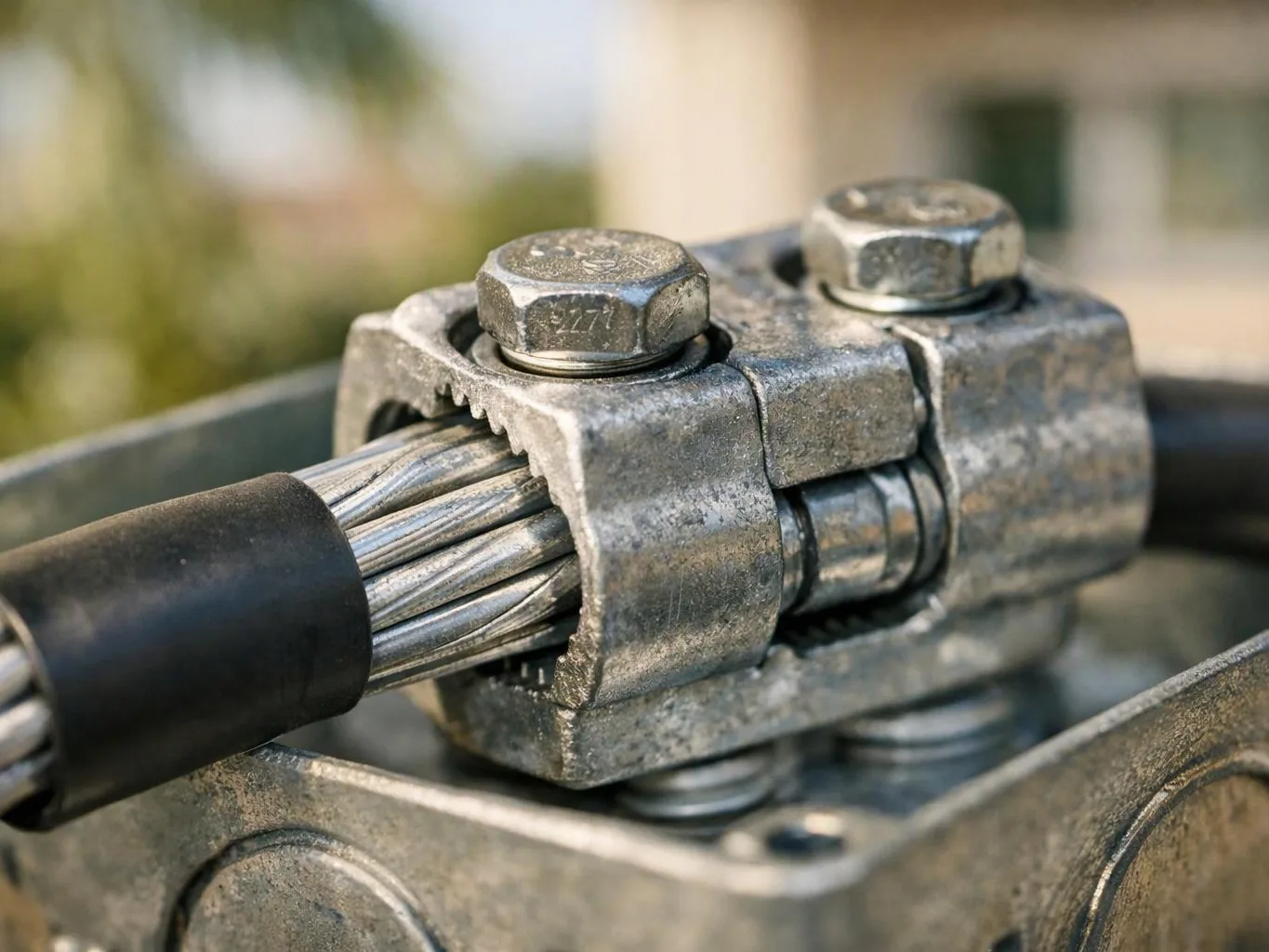
The existing panel wiring and breaker arrangement can change the work plan. Copper or aluminum conductors, panel condition, circuit size, and equipment wiring affect the inspection. We check these parts before setting the scope. The estimate reflects the access, repair, installation, and protection work required for the property.
How can a customer tell whether EV home-backup integration fits the property?
The service fits when the vehicle supports bidirectional power flow and the property has suitable circuits for backup use. We confirm vehicle compatibility, charger controls, panel condition, wiring, and load needs. A standard charger installation fits better when the vehicle only charges and does not send power back to the building.
What should I do if the backup connection trips the breaker?
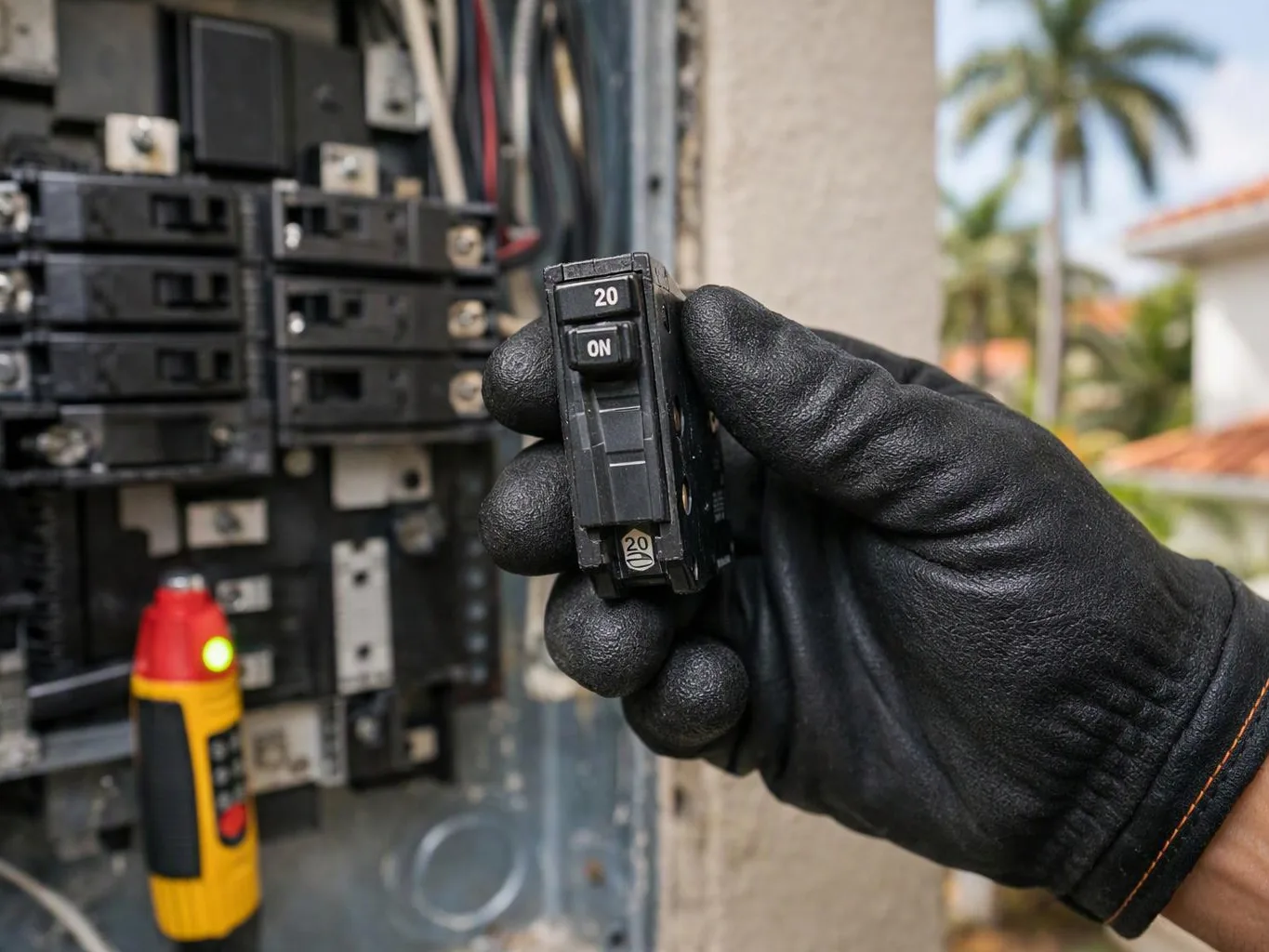
A tripped breaker means the backup circuit needs inspection before repeated use. Turn off affected loads if it is safe, and do not keep resetting the breaker. We check circuit demand, wiring, breaker operation, communication controls, and overload protection. The inspection identifies whether the issue is electrical, equipment-related, or tied to circuit selection.
Why does the vehicle charge but not power selected home circuits?
One-way charging does not confirm that the vehicle can send power back to the property. The vehicle, charger, controls, and backup circuits must support bidirectional operation together. We test compatibility and communication, then inspect the panel connection. That process shows whether the issue needs equipment changes, repairs, or a different service.