Skip to content

Bidirectional EV Home-Backup Integration in Coral Terrace, Florida

How much home load should backup power cover when outage detection starts in Coral Terrace? We match the planned backup load with the bidirectional charger and home circuits.

Licensed & InsuredFree EstimatesWarranty AvailableSame-Day Service

Quick Summary: Bidirectional EV Home-Backup Integration in Coral Terrace, Florida

Bidirectional EV Home-Backup Integration in Coral Terrace is provided by Earth Electric for homes and businesses that need vehicle-based backup power. The service covers outage detection, load review, transfer switch planning, and electrical safety checks, with Earth Electric serving Miami and surrounding communities.

  • What we do: Earth Electric provides Bidirectional EV Home-Backup Integration for homes and businesses in Coral Terrace, Florida.
  • What is included: Key capabilities include outage detection, backup-load review, bidirectional charger planning, transfer switch work, and circuit checks.
  • What you get: Selected home circuits receive a planned backup power path from the electric vehicle.

How does bidirectional charging provide backup power during an outage?

Outage detection signals the transfer switch to separate selected home circuits from utility power. The bidirectional charger then sends stored vehicle energy to those circuits, while load limits protect the electrical system.
Bidirectional EV Home-Backup Integration for Coral Terrace Properties

Bidirectional EV Home-Backup Integration connects a vehicle, a bidirectional charger, and selected home circuits for backup use. The job suits property owners who want vehicle energy to support key loads during a utility outage.

The main decision is which circuits need backup power and how much load they place on the system. Customers should identify essential loads, such as refrigeration or selected lighting, before requesting an assessment.

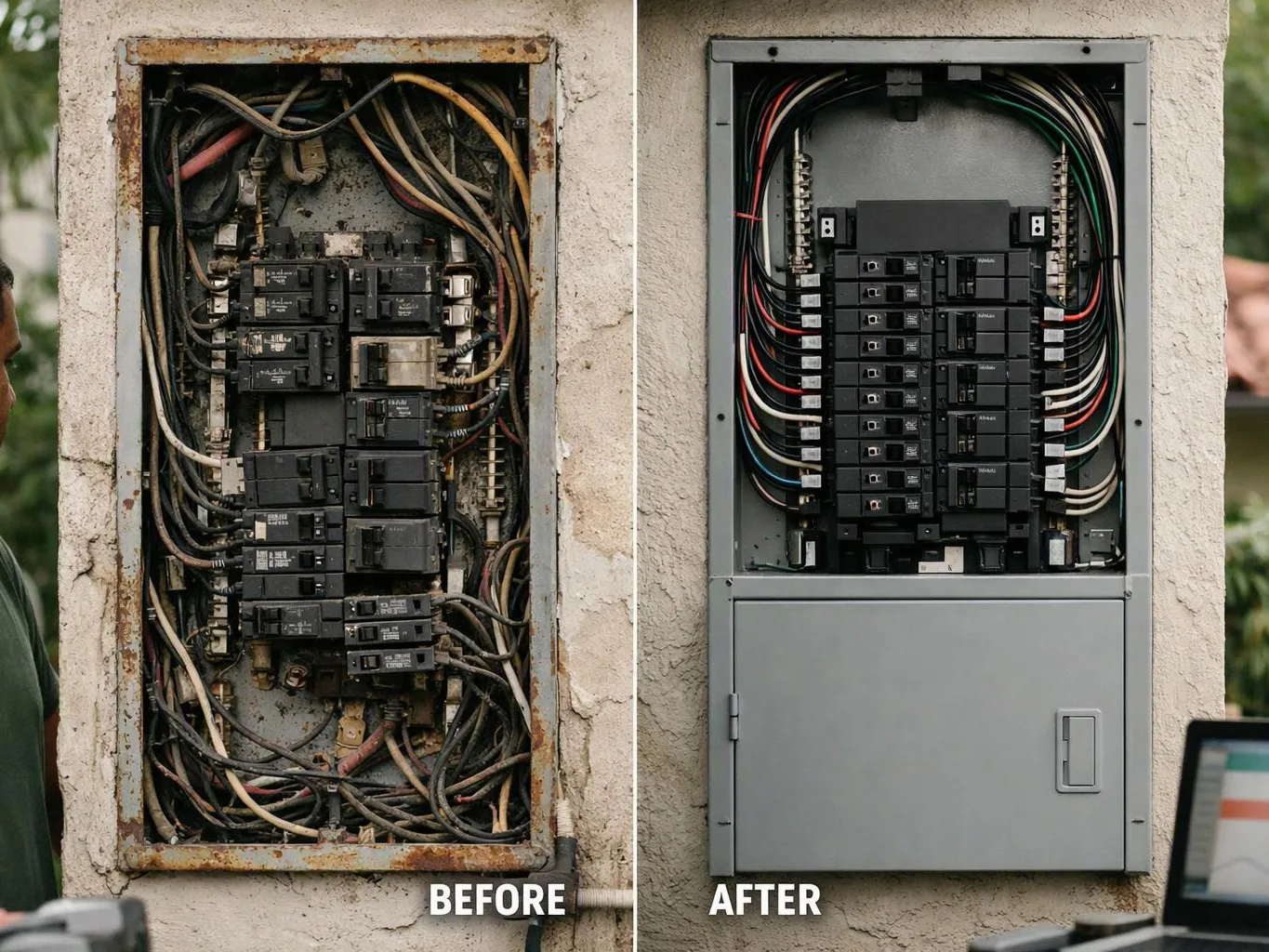
This service doesn't replace every electrical repair. A failed breaker, damaged wiring, or unsafe panel needs diagnosis first, and Earth Electric can handle those electrical services as part of its wider residential and commercial scope.

  • Identify the home circuits that need backup power.
  • Review the planned backup load before equipment is selected.
  • Check the panel, wiring, grounding, and transfer point.
  • Confirm how the vehicle and charger will connect to selected circuits.
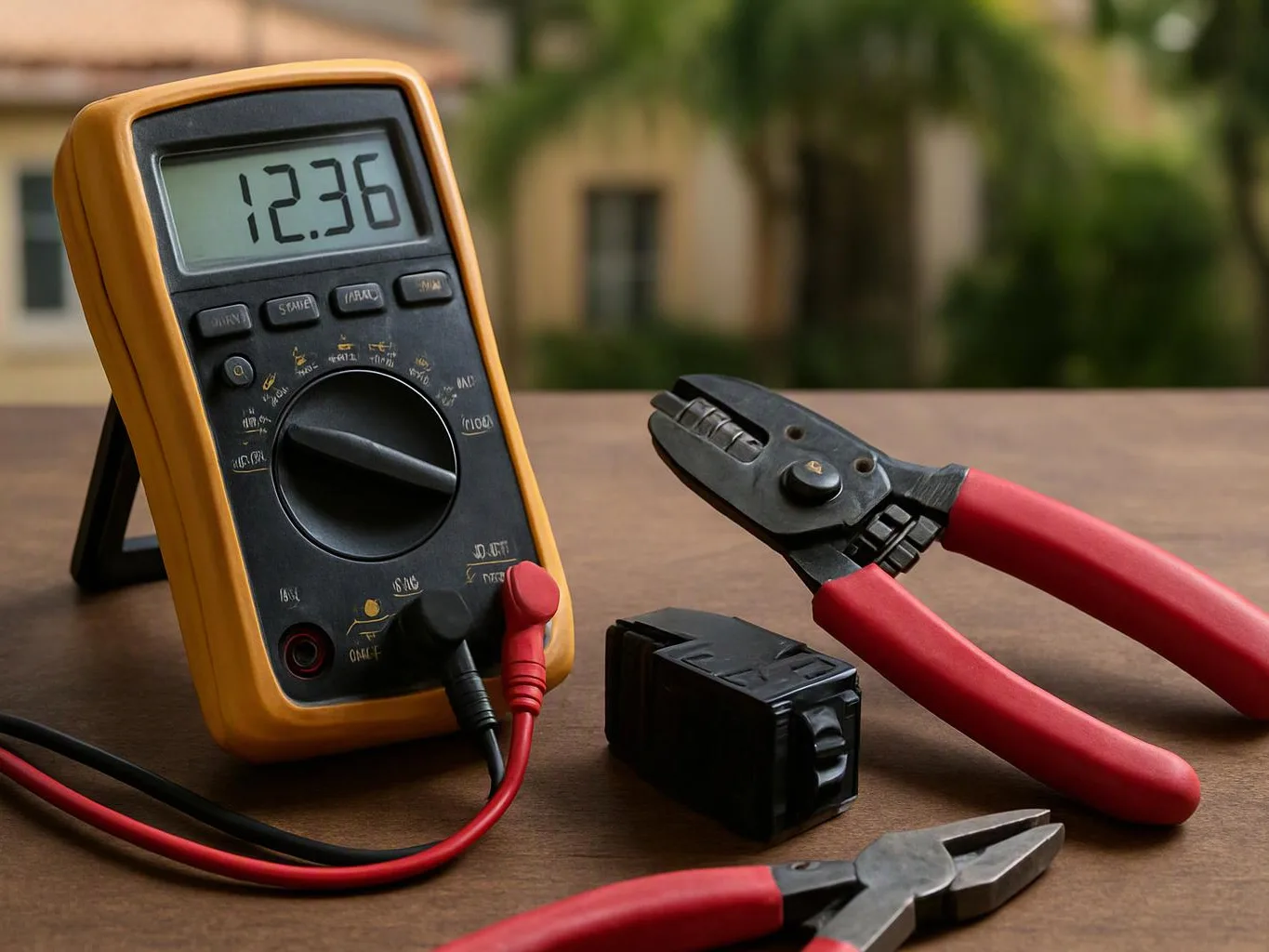
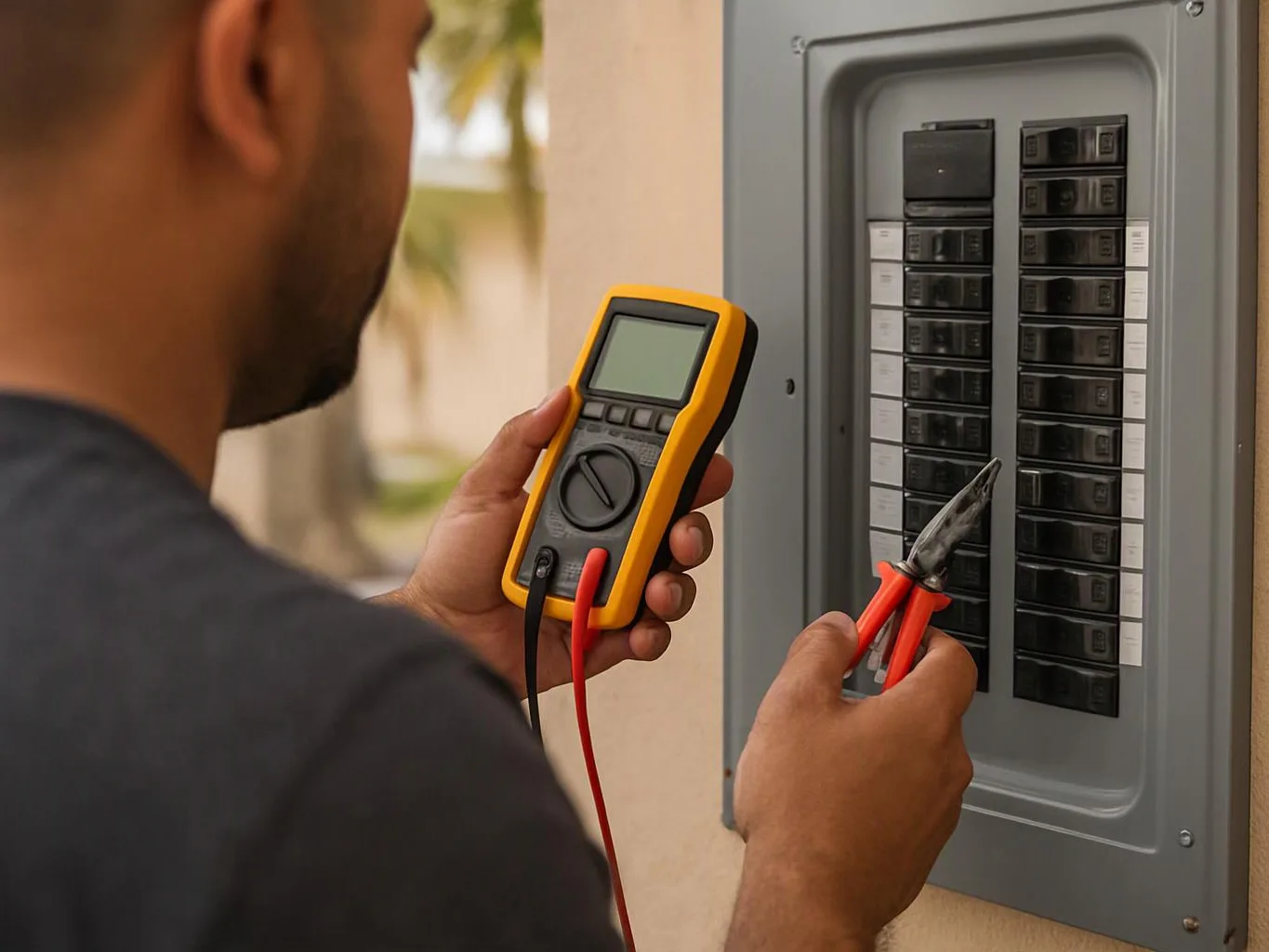
A man holds a multimeter and pliers beside an open electrical breaker panel

Service Overview

Bidirectional EV Home-Backup Integration is an electrical service that lets a compatible electric vehicle supply power to selected home circuits.

  • A standard EV charger sends power into the vehicle, while a bidirectional charger supports power flow back to the home through backup equipment.
  • Earth Electric provides this work for homes and businesses in Coral Terrace.

What Vehicle-Based Backup Power Changes

Selected circuits can keep working when utility power stops.

A planned load review helps prevent unsupported circuits from being included.

The transfer switch gives the backup system a defined path to the home.

Clear circuit planning helps customers decide which loads matter most during an outage.

What the Backup Integration Work Includes

Earth Electric provides comprehensive Bidirectional EV Home-Backup Integration in Coral Terrace. Here's what you get:

  • We review the circuits that the vehicle backup system should support.
  • We check the electrical panel and wiring path for the planned connection.
  • We plan the role of outage detection and the transfer switch.
  • We assess the bidirectional charger connection and backup load.
  • We explain the work scope, safety steps, and next decisions before installation.
Process

How We Set Up Vehicle Backup Power

1

Review the outage load

We list the circuits and equipment that need backup power, then check the planned load against the system scope.

2

Inspect the panel connection

We inspect the panel, wiring, grounding, and available connection point before planning the transfer switch.

3

Plan the charger path

We map the connection between the vehicle, bidirectional charger, transfer switch, and selected home circuits.

4

Explain the work scope

Customers receive clear next steps for the planned installation, needed repairs, and any circuit limits found during the assessment.

How We Approach Vehicle Backup Integration

Start with the backup load

Customers get a load-focused review before equipment work begins. We match the planned circuits to the available backup path, and we explain any limit that affects the scope.

Check the transfer point

The transfer switch must separate selected circuits from utility power during an outage. We inspect that connection and trace the path to the panel before setting the installation plan.

Know when this is not the right job

Vehicle backup integration isn't the right first step when the panel has damaged wiring, an unsafe breaker, or another unresolved electrical fault. We diagnose that issue before planning backup equipment.

Backup Circuit Choices for Vehicle Integration

The table compares practical backup choices by the circuits they are designed to support.

Backup circuit choiceWhat it supportsWhat we check
Selected essential circuitsPriority home loads during an outagePanel connection, transfer switch, and planned load
Selected business circuitsPriority equipment for continued business useOperating load, wiring path, and circuit separation

Licensing and Regulators

Florida Construction Industry Licensing Board

Florida

The board licenses and regulates construction contractors, including electrical contractors, in Florida.

The Earth Electric Standard

  • Any-Hour Response
  • System Inspection
  • Clear Scope
  • Safe Practices

Questions About Vehicle Backup Power

How does outage detection start backup power from an electric vehicle?

Outage detection signals the transfer switch to isolate selected circuits from utility power. Earth Electric then supports the planned connection between the vehicle and those circuits. The system must follow its load limits, so we review the panel and backup circuit list before work begins. That check helps keep utility and vehicle power paths separate.

How can a customer tell whether vehicle backup fits the property?

Property fit depends on the panel, selected circuits, vehicle compatibility, and planned charger connection. Customers should list the loads they need during an outage before requesting an assessment. We inspect the electrical path and explain whether the existing layout supports the planned work. A damaged panel needs repair before backup integration.

Which part of the property decides the backup scope?

The electrical panel and selected home circuits decide most of the backup scope. We trace the wiring path, review the load, and check where the transfer switch can separate utility power. Customers who want whole-property backup may need a different design than customers who select essential circuits.

Which material changes the time needed for the charger connection?

The existing wiring material and panel condition can change the work needed for the charger connection. Older or damaged wiring may require repair before the backup path is planned. We inspect the wiring and panel first, then give the customer a scope-based estimate instead of guessing from the vehicle alone.

What should I do before requesting an assessment?

Customers should list the circuits and equipment they want powered during an outage. Photos of the electrical panel and charger location can help us understand access before the assessment. Don't open the panel or change wiring yourself. We use the property details, load list, and inspection to set the next step.

When is a transfer switch needed for vehicle backup?

A transfer switch is needed when backup circuits must be separated from utility power during an outage. The switch defines which circuits receive vehicle power and helps prevent unsafe backfeed. We review the panel layout and planned load before selecting the connection approach. Customers shouldn't energize home circuits through an improvised cable.

Why might a backup plan exclude some home circuits?

Some circuits exceed the planned backup load or don't fit the selected transfer path. We separate essential loads from circuits that can remain off, then explain the reason for each limit. Customers can use that list to decide whether the system should support refrigeration, lighting, business equipment, or another priority load.
Contact

Get a Free Estimate for Vehicle Backup Integration

Request your bidirectional EV home-backup integration estimate in Coral Terrace, and urgent requests get priority scheduling.

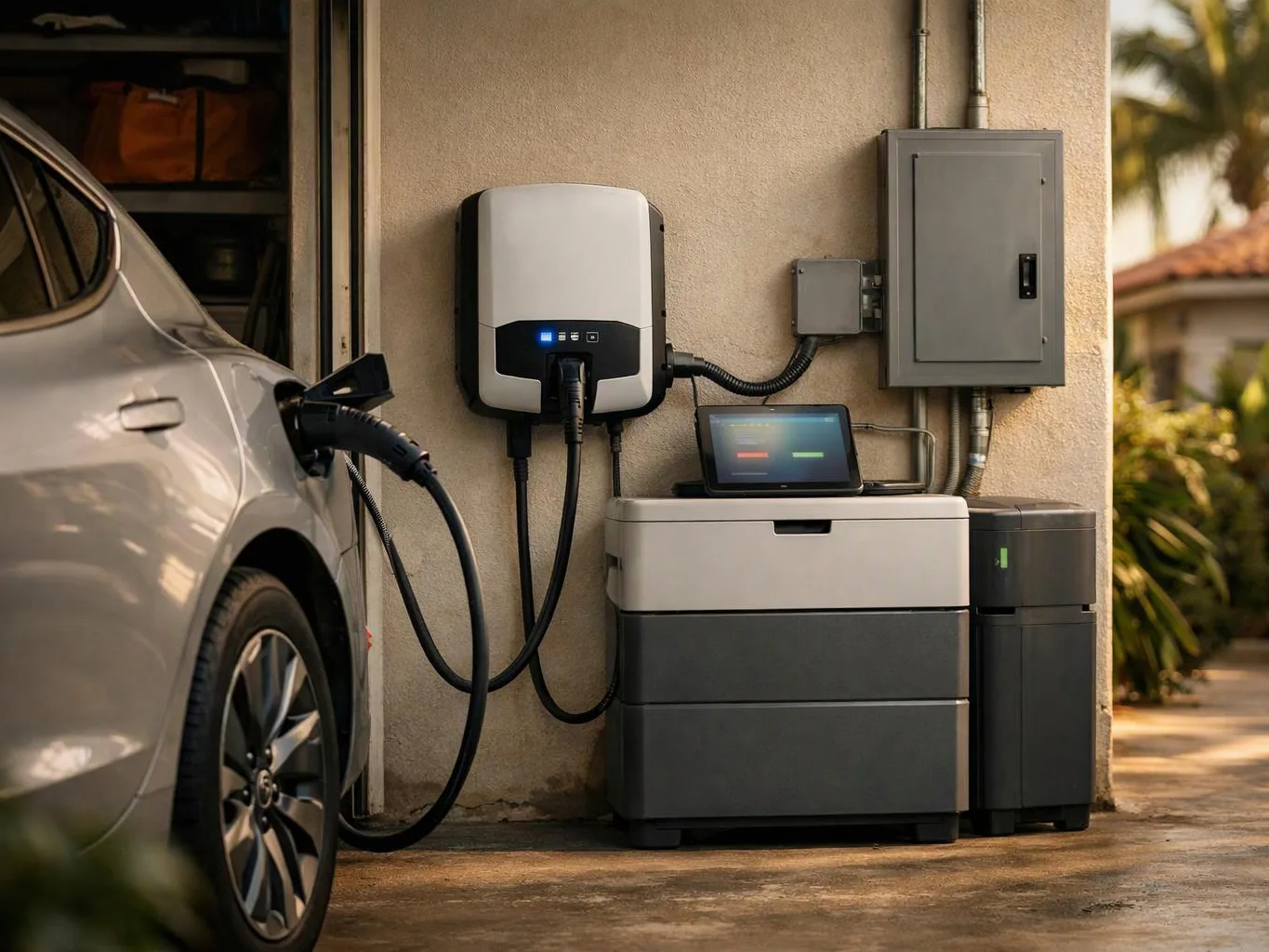
A silver car charges from a wall unit beside a home battery and electrical panels outdoors

Bidirectional EV Home-Backup Integration in Other Areas

(786) 917-4169