How does a bidirectional charger provide backup power during an outage?
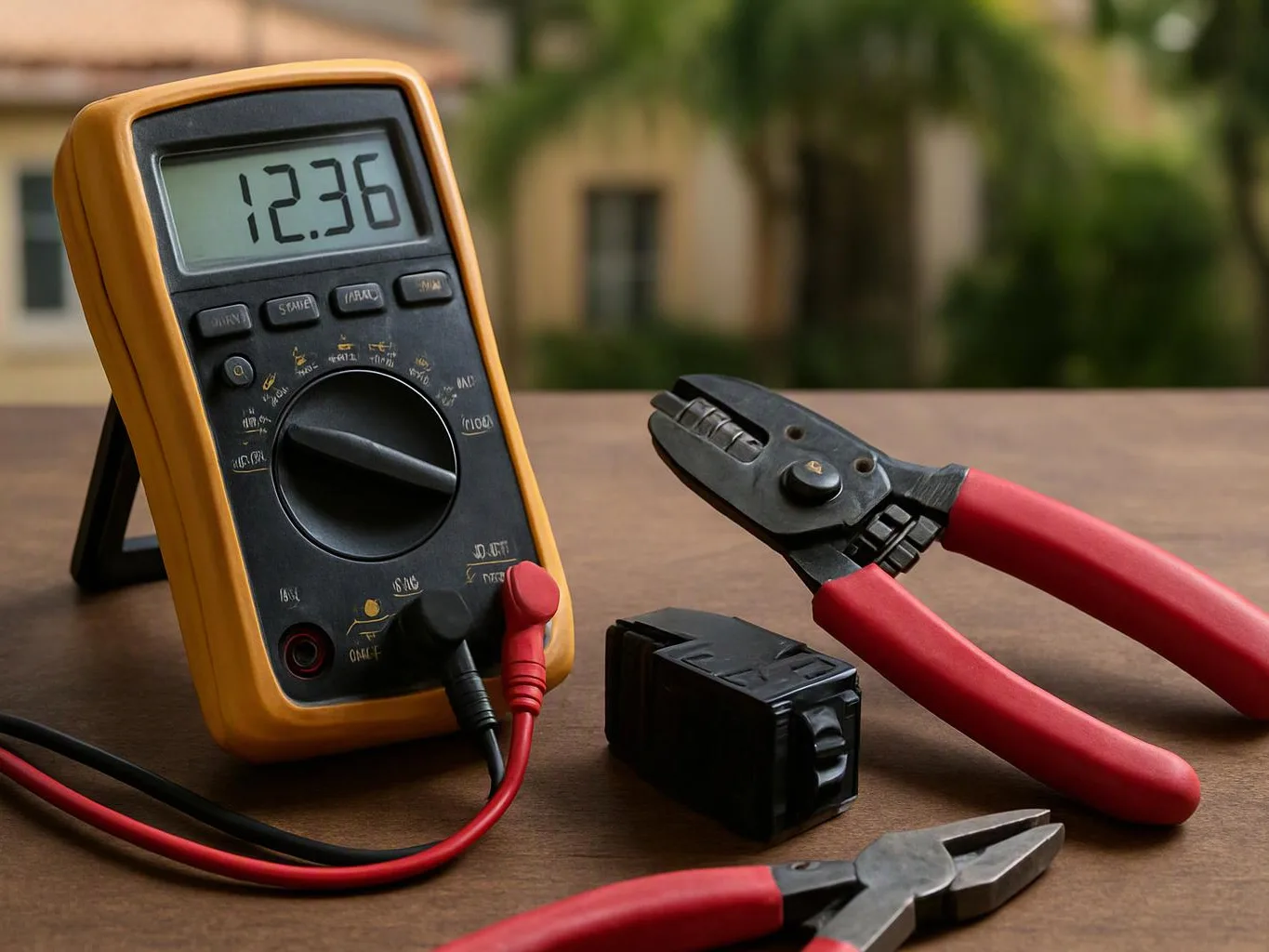
A bidirectional charger sends stored vehicle power to selected building circuits after outage detection and transfer control isolate utility power. Earth Electric checks the charger, panel, transfer switch, and circuit limits before approving the backup plan. The system does not automatically power every circuit. The final scope identifies which loads receive backup power.
How does a backup integration visit move from the first call to the last step?
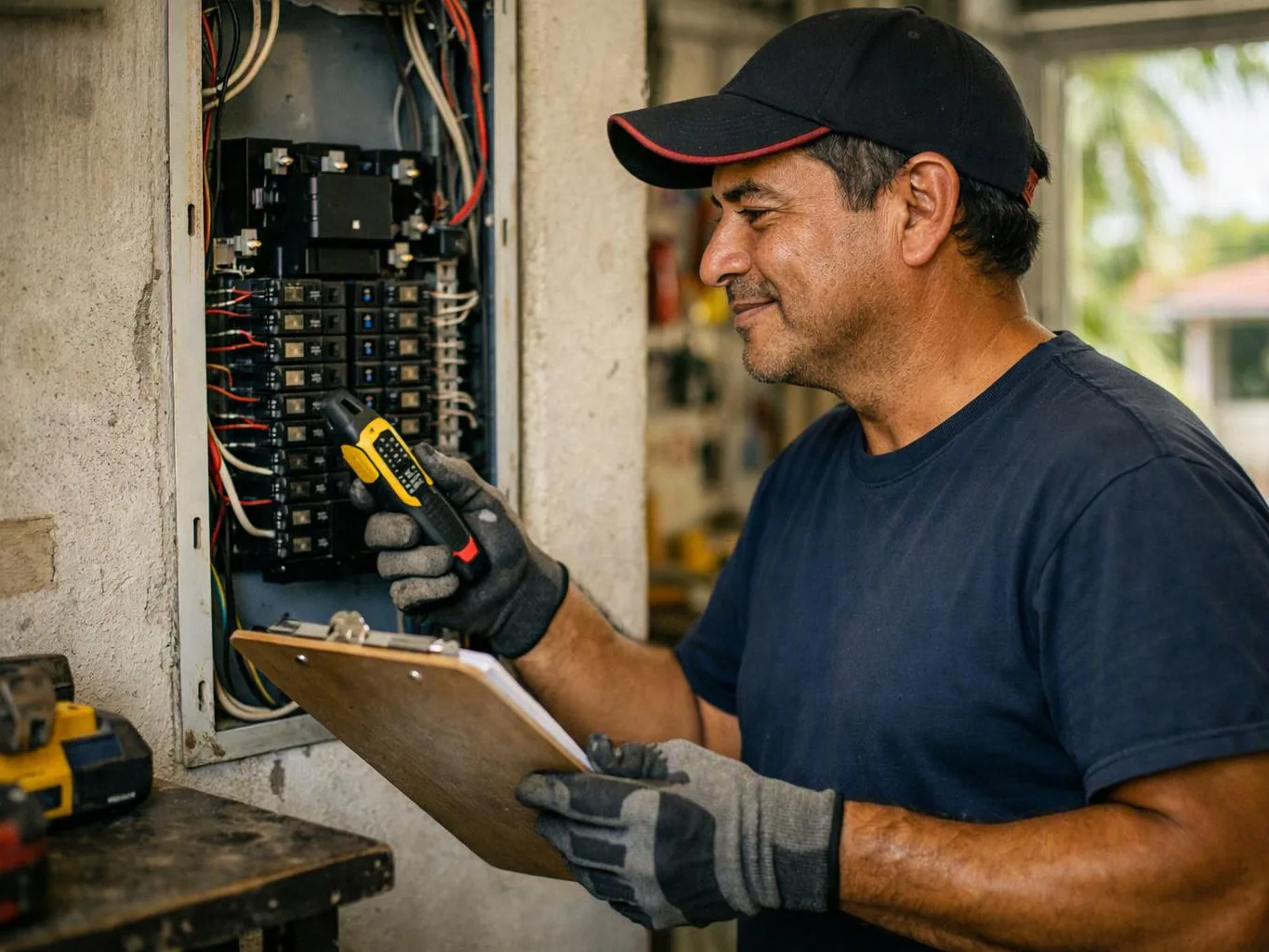
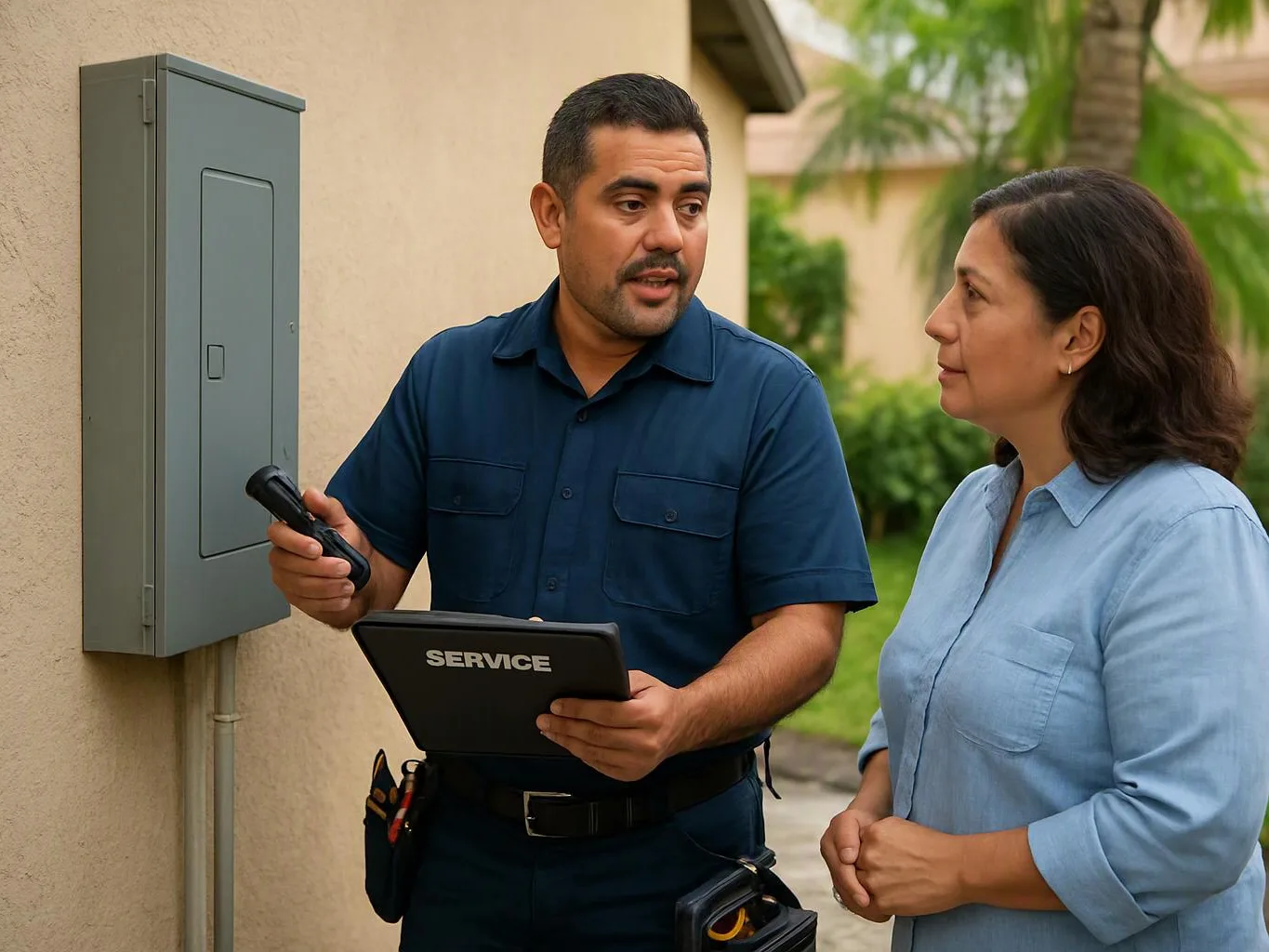
The visit moves from equipment review to circuit planning, estimate approval, installation, and testing. We first check the charger and panel, then define transfer control and selected loads. Customers receive the work scope before installation. The final check confirms circuit response, safe separation, and shutdown steps.
What decides whether vehicle backup fits the property?
The property fits vehicle backup when the charger, panel, transfer controls, and selected circuits support safe two-way power flow. We review available connections, load needs, equipment limits, and access. A standard charging setup may need added equipment or may suit charging only. Our estimate explains the decision before work starts.
Which part of the property decides the integration scope?
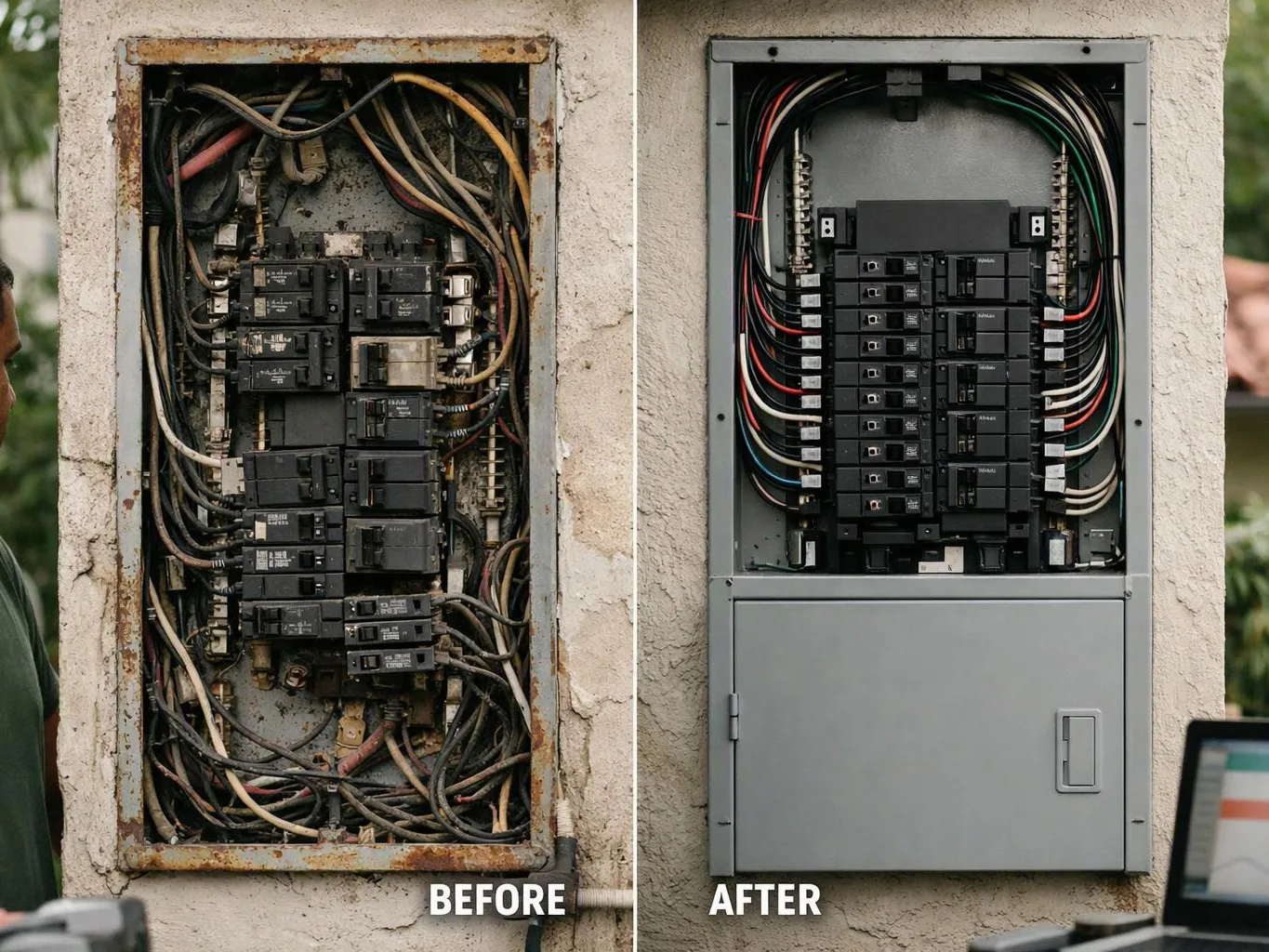
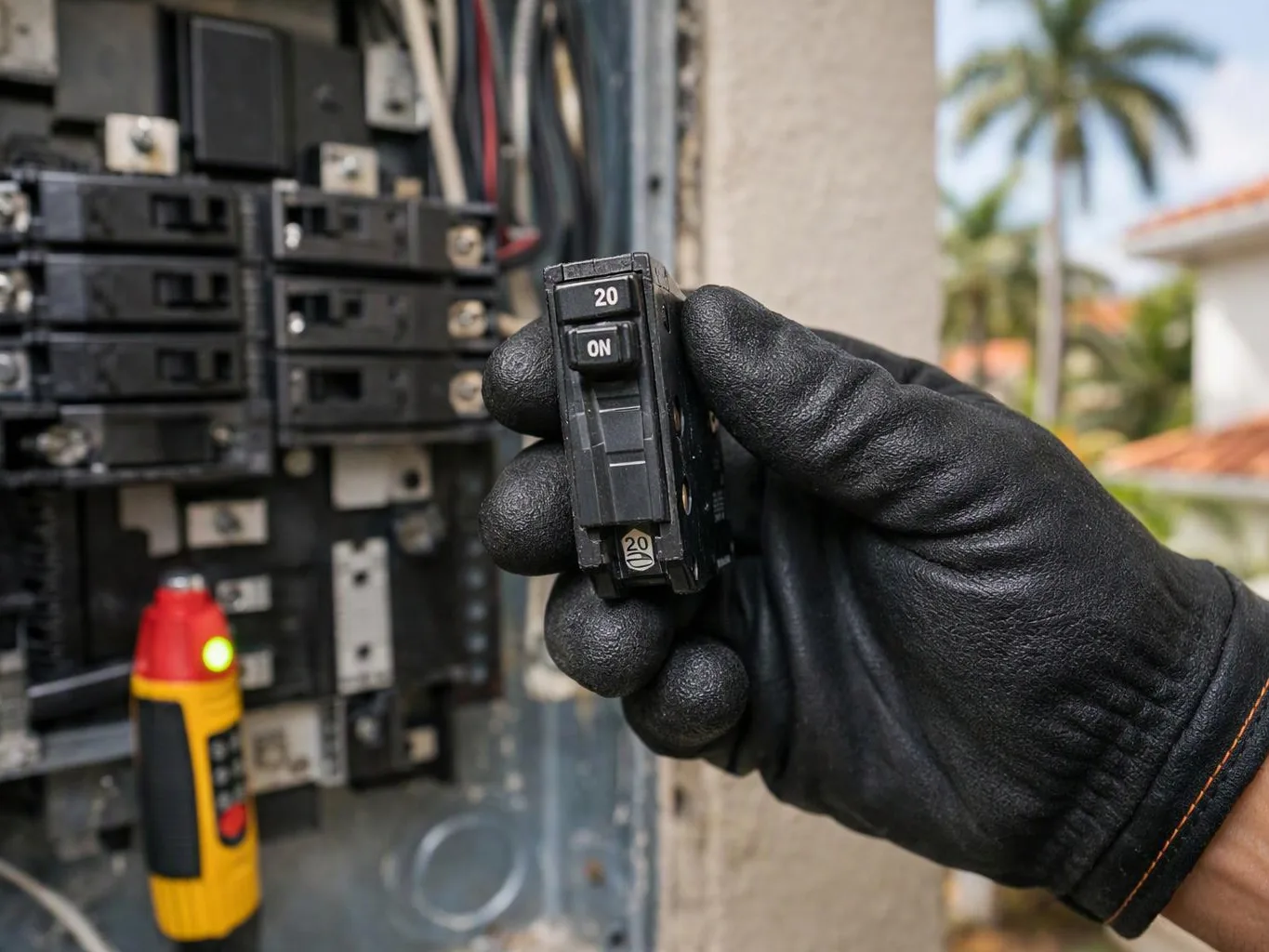
The main electrical panel and the circuits chosen for backup usually decide the integration scope. We check panel capacity, breaker layout, feeder connections, transfer equipment, and the loads the customer wants to keep running. Large or nonessential loads may need to stay outside the backup plan.
What should I do before Earth Electric reviews the system?
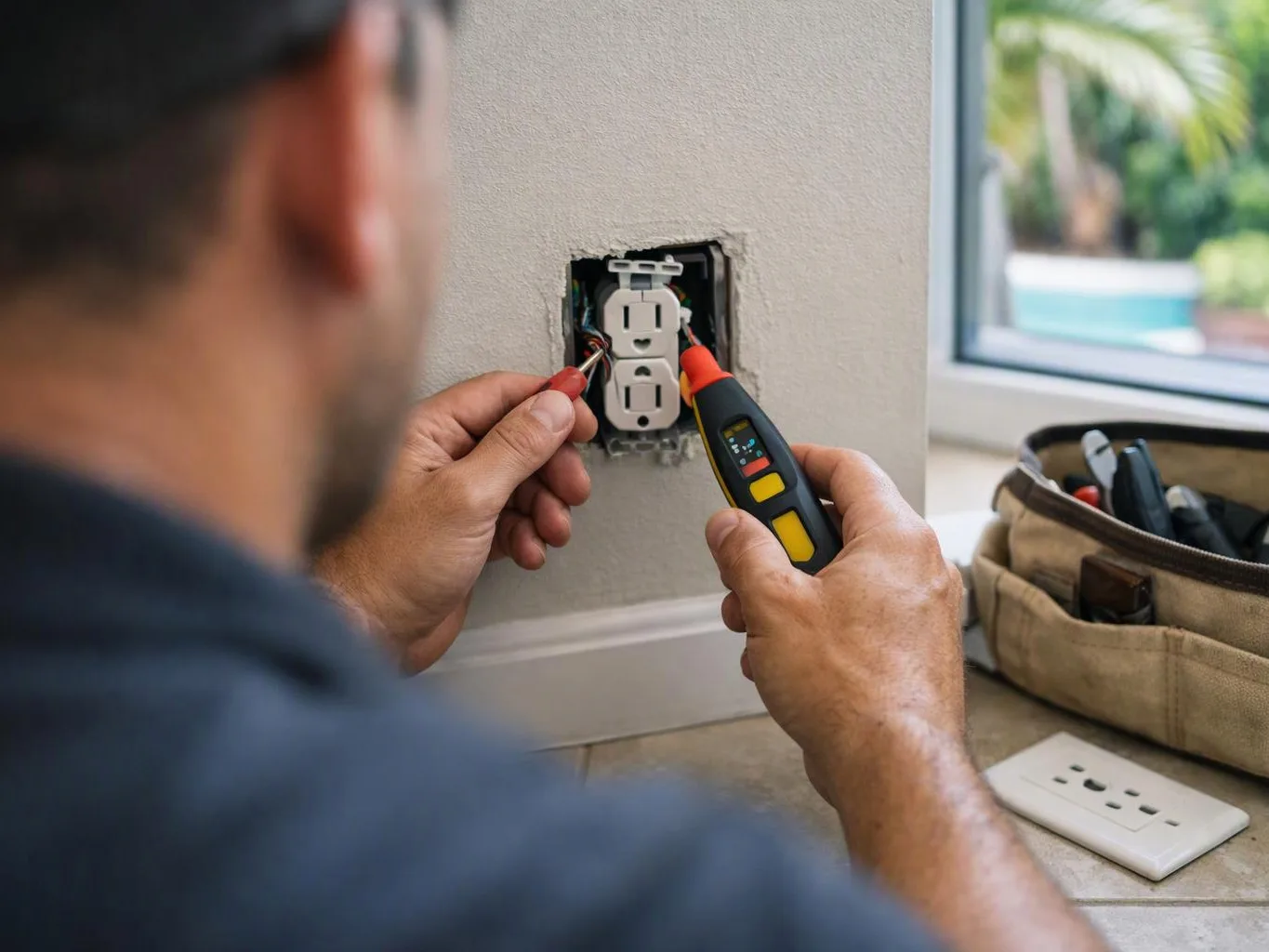
Keep the charger, main panel, and vehicle connection accessible for inspection. Do not open energized equipment or change breakers before the visit. Photos of the charger label, panel directory, and existing controls can help us understand the setup. We still verify every connection on site.
When should I request help after backup power fails?
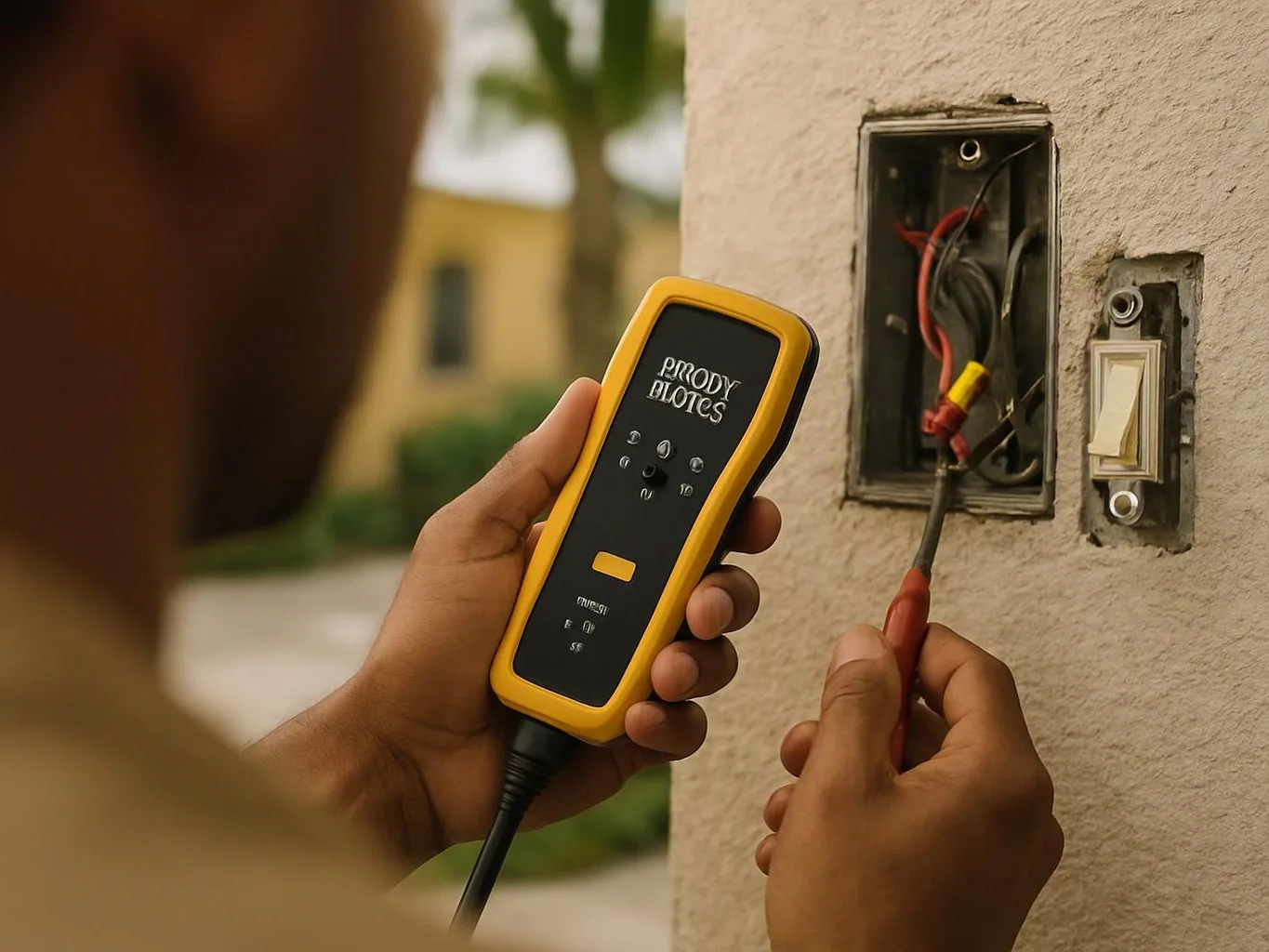
Request help when the system will not transfer, the charger shows a fault, breakers trip, or backup power reaches the wrong circuit. Turn off unsafe loads and avoid exposed wiring. Earth Electric checks isolation, outage detection, transfer control, and panel connections before recommending repair or further integration work.
Why might a standard EV charger not support home backup?
A standard EV charger usually moves power into the vehicle but does not send stored power back to building circuits. Backup integration needs supported two-way charging, transfer control, outage detection, and a safe circuit plan. We identify the equipment function before recommending installation or an alternative electrical service.