Skip to content

Bidirectional EV Home-Backup Integration in The Hammocks, Florida

How much backup load should outage detection cover in The Hammocks? We connect the planned backup path to your home's electrical needs.

Licensed & InsuredFree EstimatesWarranty AvailableSame-Day Service

Quick Summary: EV Home Backup Integration in The Hammocks, Florida

Bidirectional EV Home-Backup Integration in The Hammocks is provided by Earth Electric for connecting an electric vehicle to selected backup circuits. The service includes electrical assessment, installation planning, and code-conscious integration for residential and commercial properties.

  • What we do: Earth Electric provides Bidirectional EV Home-Backup Integration for homes and businesses in The Hammocks, Florida.
  • What is included: Earth Electric assesses backup loads, reviews the electrical panel, plans transfer equipment, and integrates bidirectional charging with selected circuits.
  • What you get: The customer receives a defined backup-power path with the work scope and electrical connections identified.

Why does backup power stop during an outage in The Hammocks, Florida?

Outage detection starts the backup sequence when the system recognizes lost utility power. Earth Electric checks the transfer path, selected circuits, and bidirectional charger so vehicle power reaches the intended home loads.

Bidirectional EV Home-Backup Integration in The Hammocks

Bidirectional EV Home-Backup Integration connects an electric vehicle, a bidirectional charger, and selected building loads. The work suits property owners who want vehicle energy available during a utility outage and need a defined electrical path.

The key decision is which circuits should receive backup power. Earth Electric reviews the panel, identifies the intended loads, and checks how the transfer equipment fits the existing system. This service is not the same as a basic EV charger installation, because power must also move safely from the vehicle into the building.

The work also has limits. An EV cannot support every building load automatically, and the final scope depends on the vehicle, charger, panel, and transfer equipment selected for the property.

  • Identify the home or business circuits that need backup power.
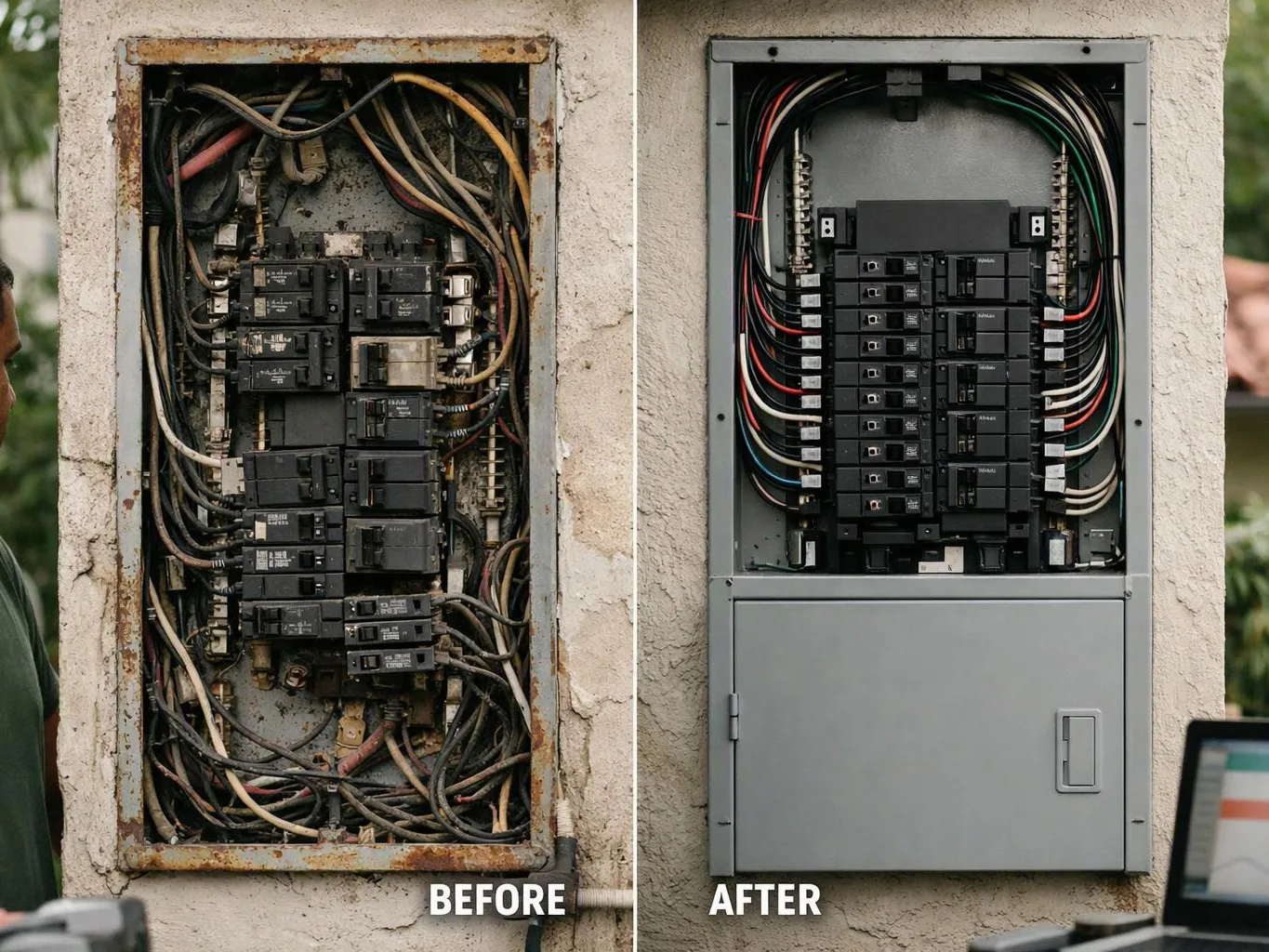
  • Review the electrical panel and available connection points.
  • Confirm the planned path between the vehicle, charger, and transfer equipment.
  • Separate backup loads from large loads that are outside the intended scope.
Split bedroom view shows a ladder and a ceiling fan replaced above the bed by a lamp-lit room

Service Overview

Bidirectional EV Home-Backup Integration is an electrical service that lets an equipped electric vehicle send power to selected building circuits.

  • Vehicle charging moves power into the vehicle, while bidirectional backup sends stored power back through approved switching equipment.
  • Earth Electric provides this work for residential and commercial properties in The Hammocks.

What This Backup Setup Changes for You

Selected home circuits can receive power from the vehicle during an outage.

A defined transfer path helps separate utility power from vehicle-supplied power.

Load planning gives the customer a clearer choice about which circuits to back up.

The assessment can reveal panel or wiring work that affects the installation scope.

What EV Home-Backup Integration Includes

Earth Electric provides comprehensive Bidirectional EV Home-Backup Integration in The Hammocks. Here's what you get:

  • We review the electrical panel and the circuits that need backup power.
  • We assess the planned connection between the bidirectional charger and building loads.
  • We identify where transfer equipment fits within the electrical system.
  • We explain which loads belong in the backup plan and which do not.
  • We prepare a project scope and provide a free estimate.

What to Check Before Choosing EV Backup Integration

Start with the backup load

The first decision is the equipment and circuits that must keep running. We match the planned backup path to those loads before discussing installation details.

Confirm the transfer path

Transfer equipment separates utility power from vehicle power during an outage. We inspect the panel layout and explain where that equipment belongs.

Know when this service does not fit

This service is the wrong job when the goal is only to install a one-way EV charger. A standard charger does not provide the same vehicle-to-home power path.

Process

How We Set Up the Vehicle Backup Path

1

Review the intended backup loads

We list the circuits the customer wants supported and identify loads that fall outside the planned backup scope.

2

Inspect the panel connection

We examine the electrical panel, wiring route, and available connection points for the bidirectional charger and transfer equipment.

3

Plan the transfer equipment

We map how the transfer switch will separate utility power from vehicle power when outage detection starts the backup sequence.

4

Confirm the scope before starting

We explain the required installation work, identify any panel or wiring repairs, and prepare a free estimate.

5

Check the completed path

We inspect the installed connections and confirm that the planned backup circuits match the agreed scope.

Vehicle Charging and Vehicle-to-Home Backup

These options differ by the direction of power flow and the electrical equipment required.

Power optionPower directionMain planning need
Standard EV chargingUtility power moves into the vehicleCharger connection and vehicle charging load
Vehicle-to-home backupStored vehicle power moves toward selected building circuitsBidirectional charger, transfer path, and backup load selection
Stationary backup batteryStored battery power moves toward selected building circuitsBattery connection, transfer path, and backup load selection

The Earth Electric Standard

  • Any-Hour Response
  • System Inspection
  • Clear Scope
  • Safe Practices

Questions About Vehicle-to-Home Backup Power

How does outage detection provide backup power during an outage?

Outage detection starts the backup sequence when utility power fails. Earth Electric checks that the transfer switch separates utility power before vehicle power reaches selected circuits. The bidirectional charger then manages the connection between the vehicle and building loads. The backup plan still depends on the circuits and equipment included in the agreed scope.

What should I check before choosing vehicle-to-home backup?

The planned backup loads decide whether vehicle-to-home backup fits the property. We review the electrical panel, selected circuits, vehicle equipment, and transfer path. Large or high-demand loads may fall outside the intended scope. A clear load list helps Earth Electric prepare an accurate assessment and estimate.

Which part of the property decides the installation scope?

The electrical panel usually sets the main connection scope. Panel space, circuit layout, wiring routes, and the planned transfer equipment affect the work. Earth Electric inspects those points before setting the estimate. The vehicle and charger also matter because both must support the planned power direction.

When does a bidirectional charger need a transfer switch?

A transfer switch is needed when the system must separate utility power from vehicle-supplied power. The switch controls which source feeds the selected circuits during an outage. Earth Electric reviews the planned connection and explains the switching arrangement. The exact equipment depends on the system design and selected loads.

Which material changes the installation work most?

The existing electrical wiring and panel equipment can change the installation work. Copper conductors, panel condition, available space, and the route to the charger affect the planned connection. Earth Electric checks those materials during the assessment. The estimate reflects the work needed for the actual property.

How does this differ from a standard EV charger installation?

A standard EV charger sends electricity into the vehicle, while bidirectional equipment also sends stored power back to selected building circuits. Earth Electric plans the charger, panel, and transfer path together. The added power direction makes load selection and outage switching central parts of the work.

What should I do before requesting an assessment in The Hammocks?

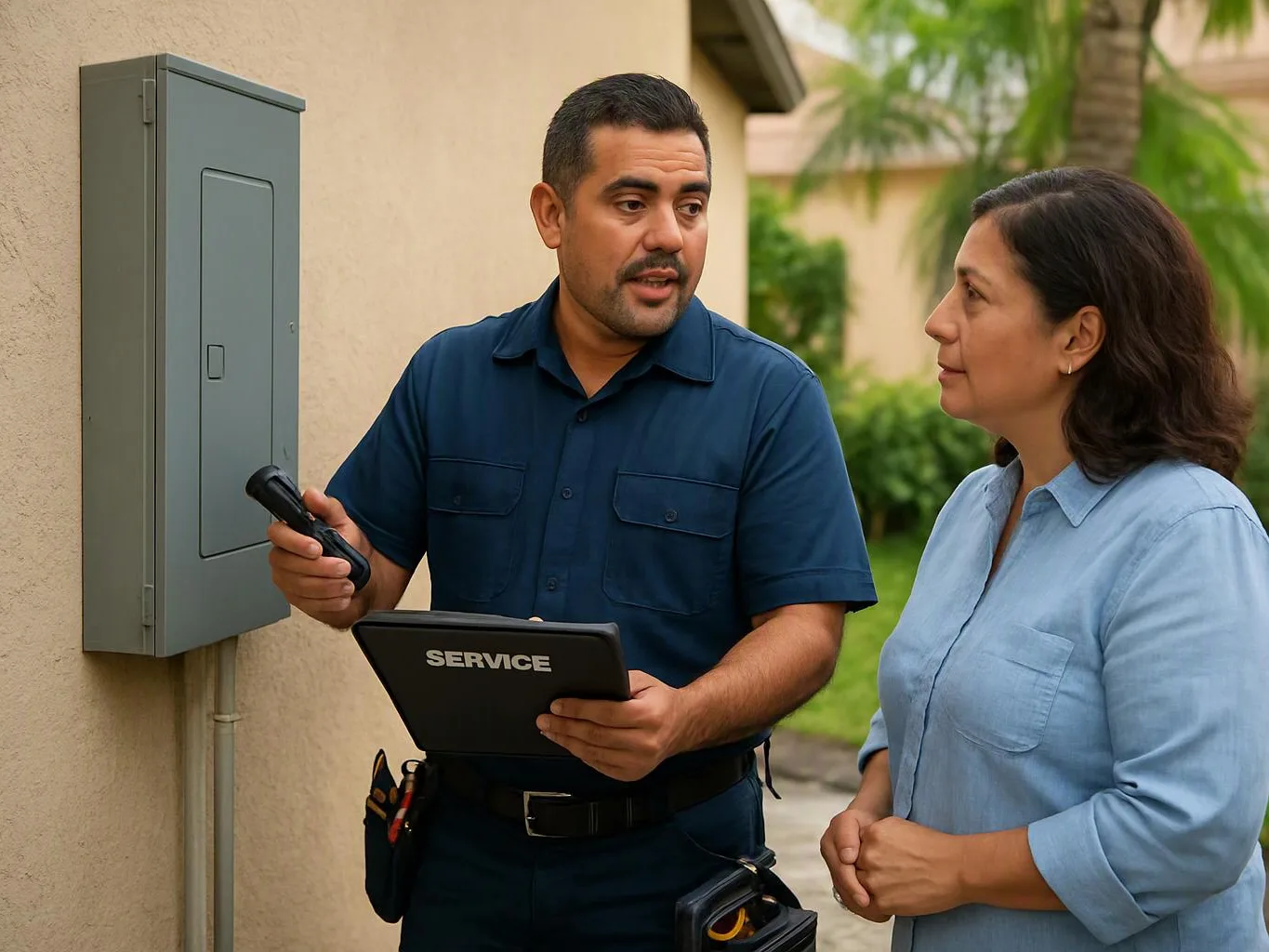
A property owner should list the circuits that must remain powered during an outage. Photos of the electrical panel, charger location, and vehicle equipment can help frame the request. Earth Electric then reviews the property details and prepares a practical scope for the planned backup connection.
Contact

Request a Quote for EV Home-Backup Integration in The Hammocks

Start with a review of your backup loads, panel, and transfer path, and urgent requests get priority scheduling.

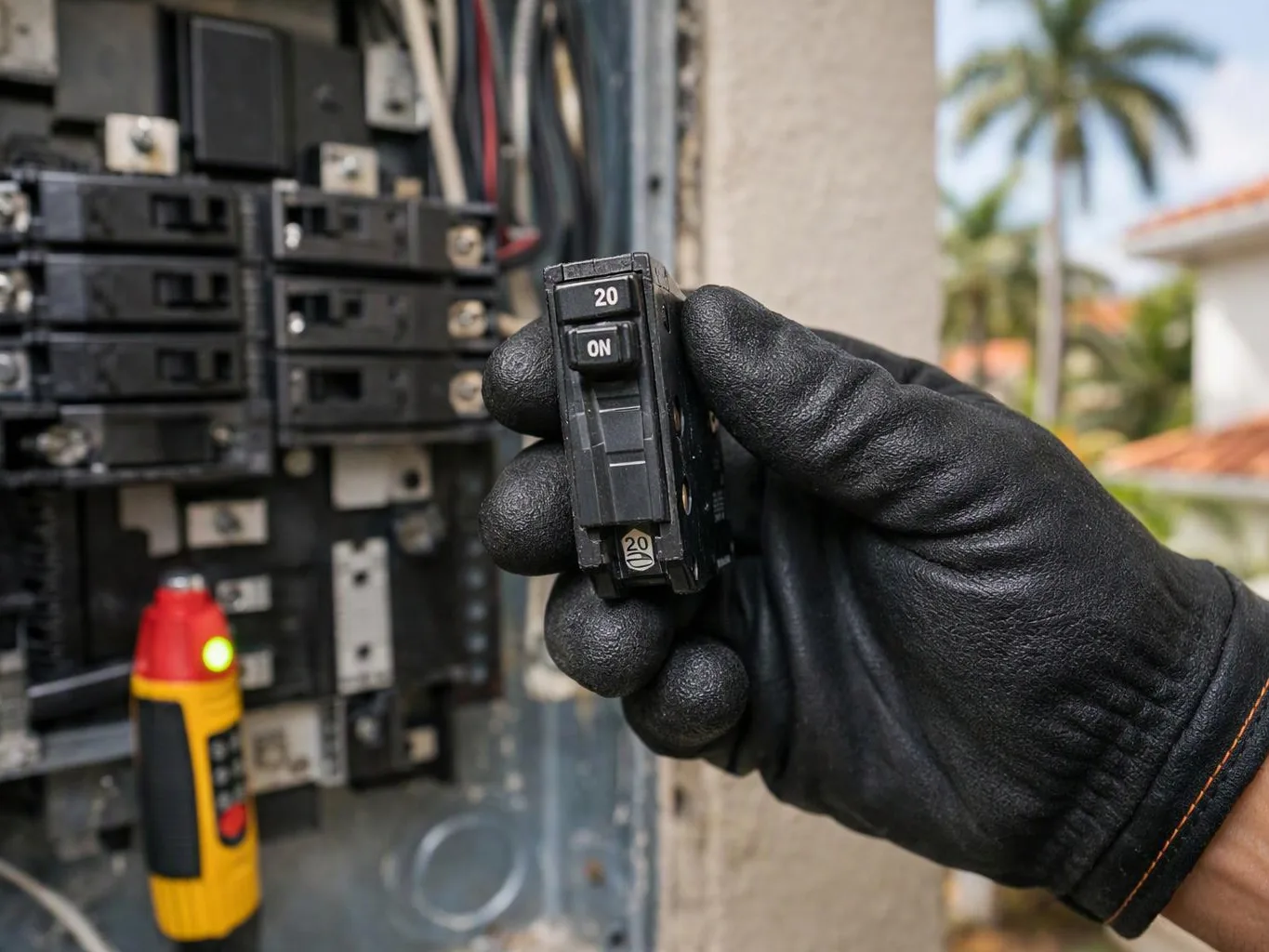
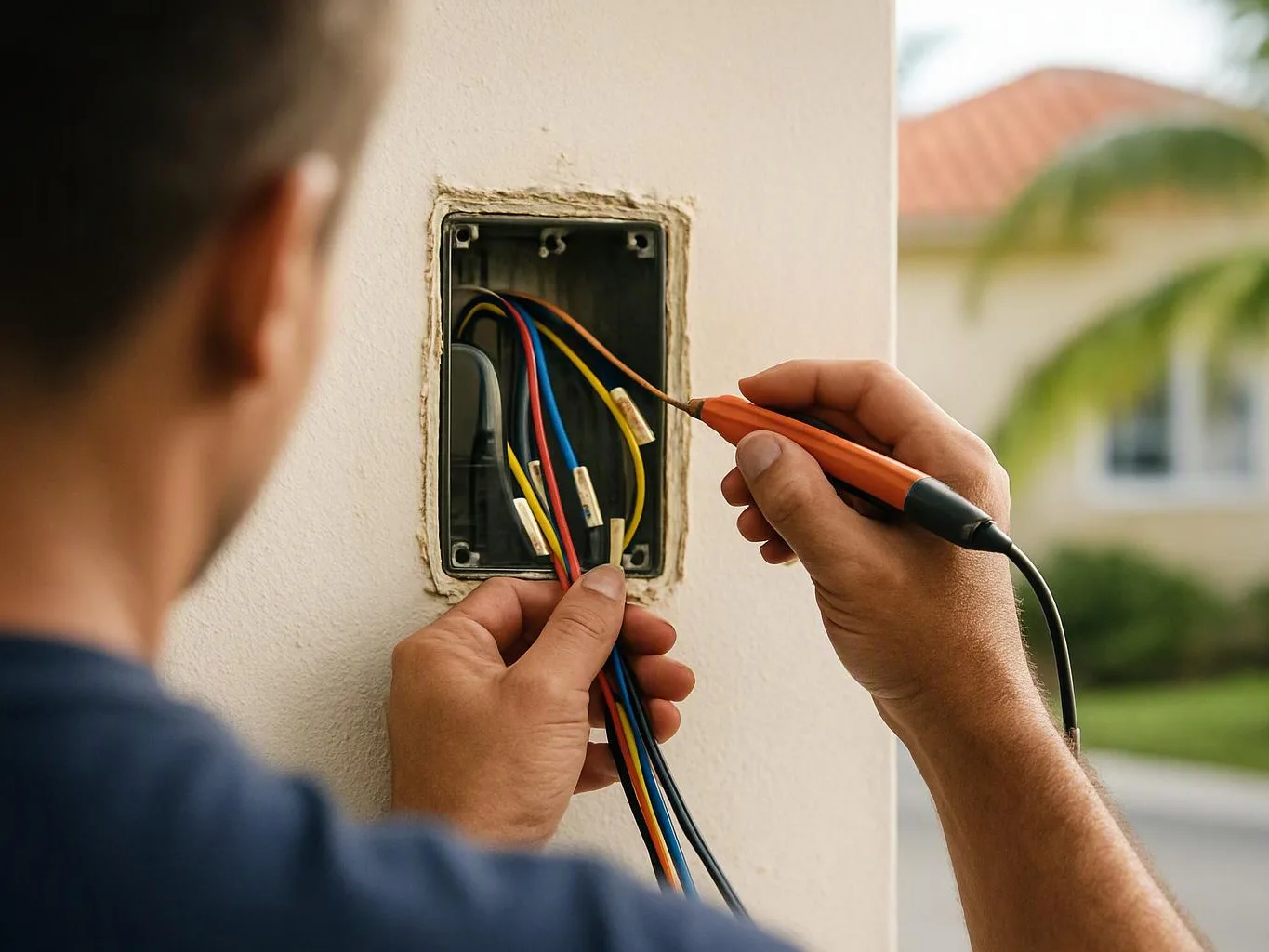
A person tests exposed wires in a wall box with a screwdriver outside a house

Bidirectional EV Home-Backup Integration in Other Areas

(786) 917-4169