EV Charger Installation Mistakes: What to Avoid Before Adding Home Charging
EV charger installation mistakes usually involve poor circuit planning, incorrect equipment selection, unsafe wiring, inadequate panel capacity, and skipped inspections. Earth Electric checks the electrical system, plans the dedicated circuit, installs compatible equipment, and explains the correction when a mistake affects cost or safety.
Get a Free Estimate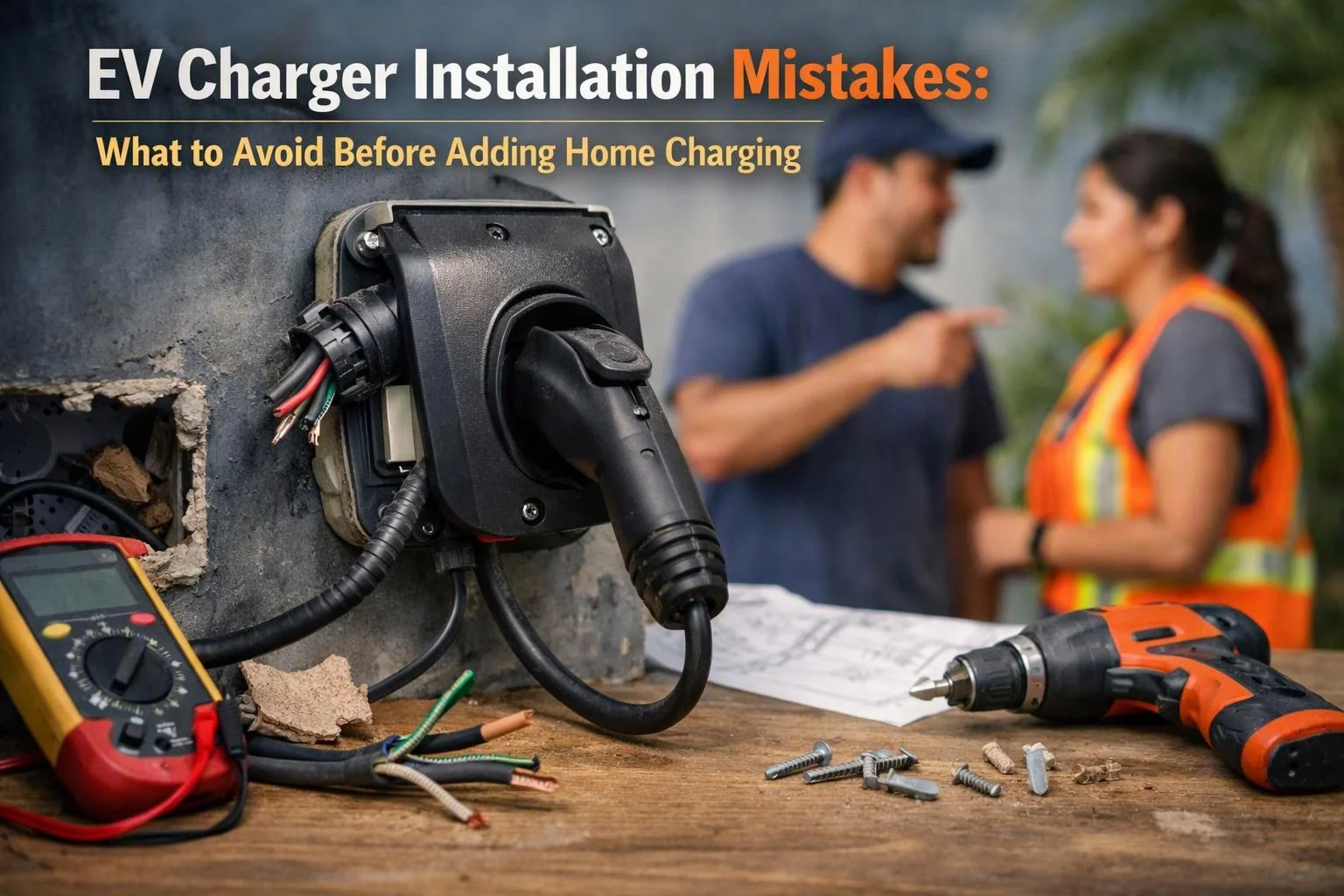
Why EV Charger Installation Mistakes Matter
EV charger installation mistakes matter because an unsuitable circuit, device, or installation method can affect safety, reliability, compliance, and the final project cost.
Home charging places a steady electrical demand on the home electrical system. We check the circuit, equipment, and installation area so the charging station supports dependable use and follows applicable building code requirements.
Charging performance can suffer when wire sizing, voltage drop, grounding, or charger compatibility is overlooked. Our team identifies those conditions before they lead to repeated breaker trips, slow charging, equipment damage, or repair work.
The Most Common EV Charger Installation Mistakes
Most problems begin during installation planning, before any wire is pulled or equipment is mounted. We review the dedicated circuit, electrical panel, charger compatibility, and route together because each choice affects the others.
The following mistakes can create safety concerns, added correction work, and charging problems. Each subsection explains the cause, the cost driver, and the fix we use.
Choosing a Charger Before Checking the Electrical System
Choosing an EV charger before checking service capacity can lead to equipment that the home electrical system cannot support. Homeowners may select a Level 2 charger based on vehicle needs without reviewing the existing electrical load.
The cost depends on whether the selected equipment fits the available capacity and whether wiring or panel work must be corrected. We complete a load calculation first, then match the charger to the service capacity and planned use.
Skipping the Dedicated Circuit
A dedicated circuit gives the EV charger its own branch circuit and circuit breaker. Sharing that circuit with other loads can create nuisance trips and unsafe demand on the wiring because charging is treated as a continuous load.
Correction work may involve rewiring, breaker changes, or access work along the circuit route. We install a dedicated circuit with conductors and protection suited to the charging equipment.
Using an Existing Outlet or Circuit Without Verification
An existing receptacle or circuit is suitable only when its wire size, grounding, condition, and electrical rating match the charger requirements. A nearby outlet does not prove that the circuit can support home charging.
The cost driver is the condition of the existing circuit and the amount of correction it needs. We inspect the receptacle, verify the conductors and grounding, and determine whether the circuit can be used safely.
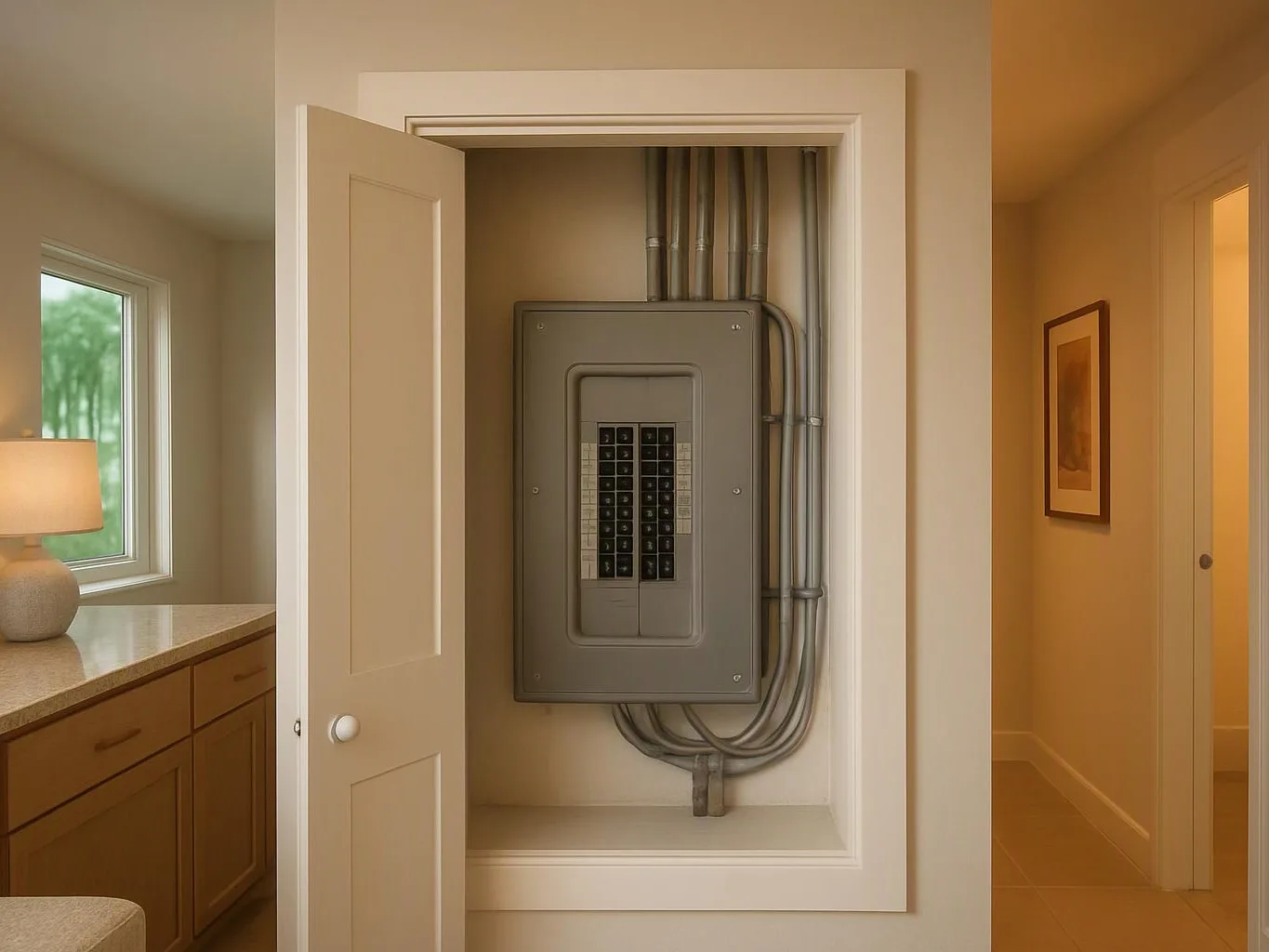
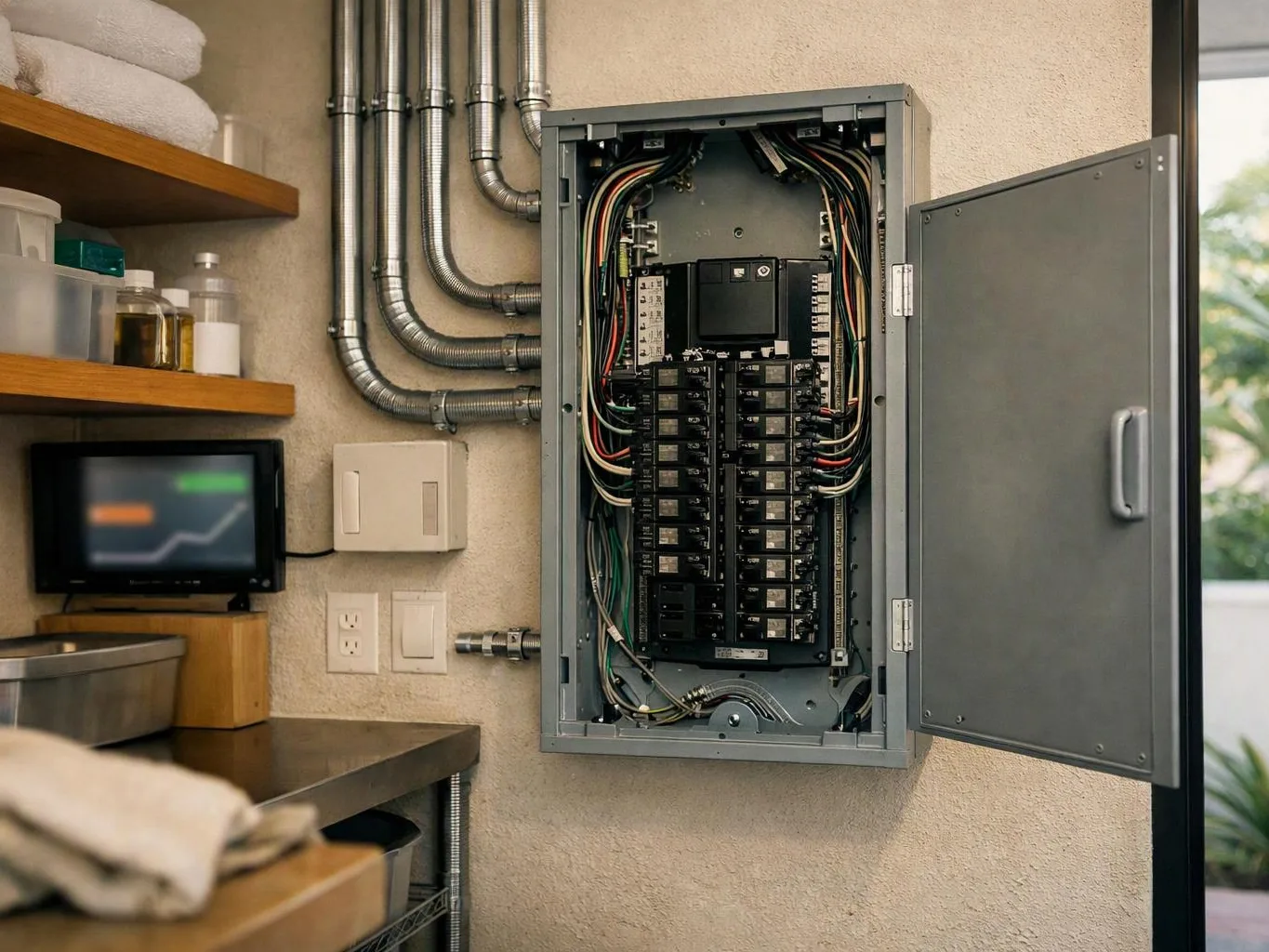
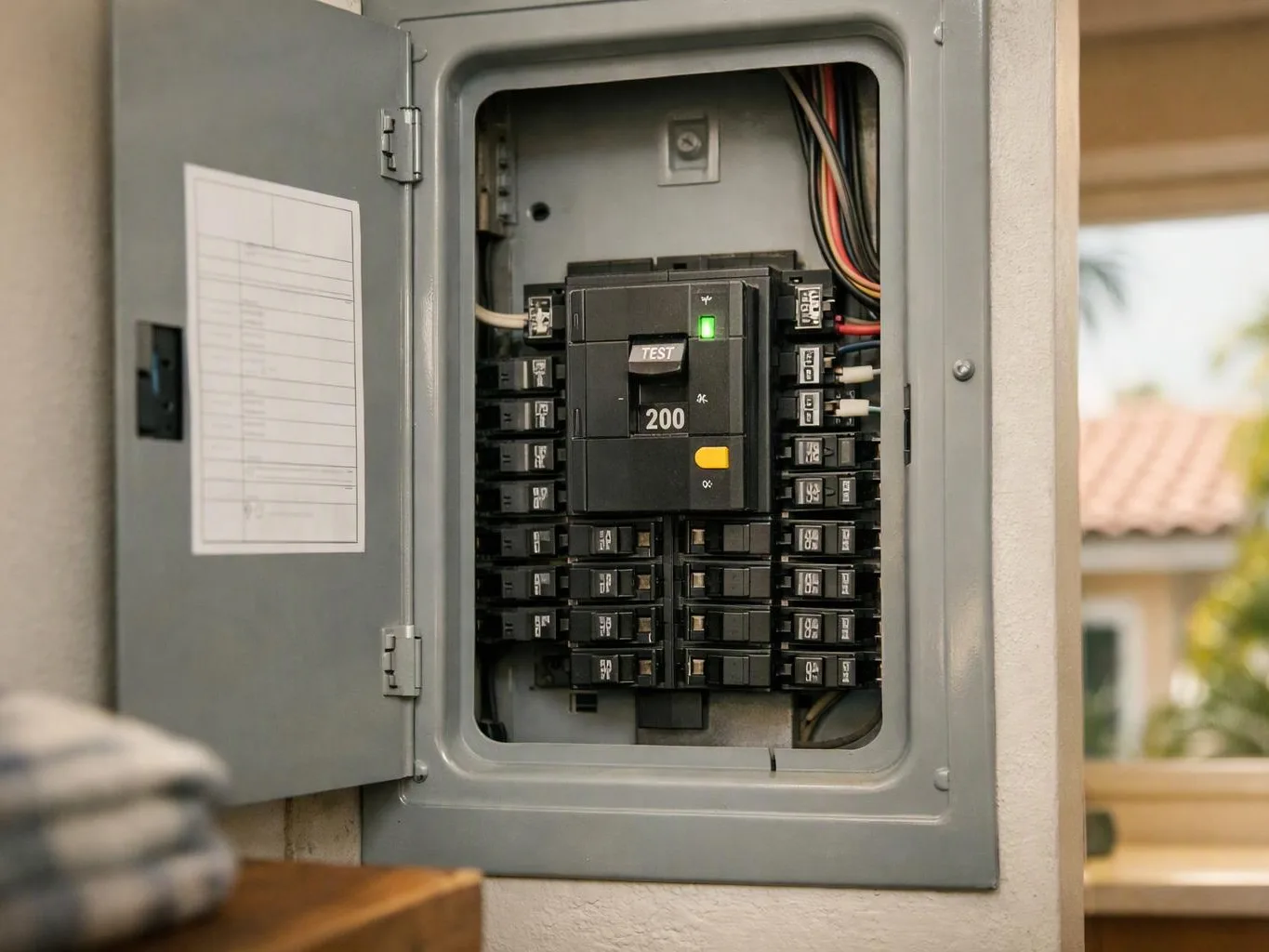
Ignoring Electrical Panel Capacity
Electrical panel capacity determines whether the home can add the charging load without exceeding safe service limits. An overloaded panel may require load management, revised equipment selection, or a service upgrade.
Panel correction costs depend on the load calculation, available breaker space, service capacity, and access to the equipment. We assess the panel before installation and explain whether a panel upgrade is needed.
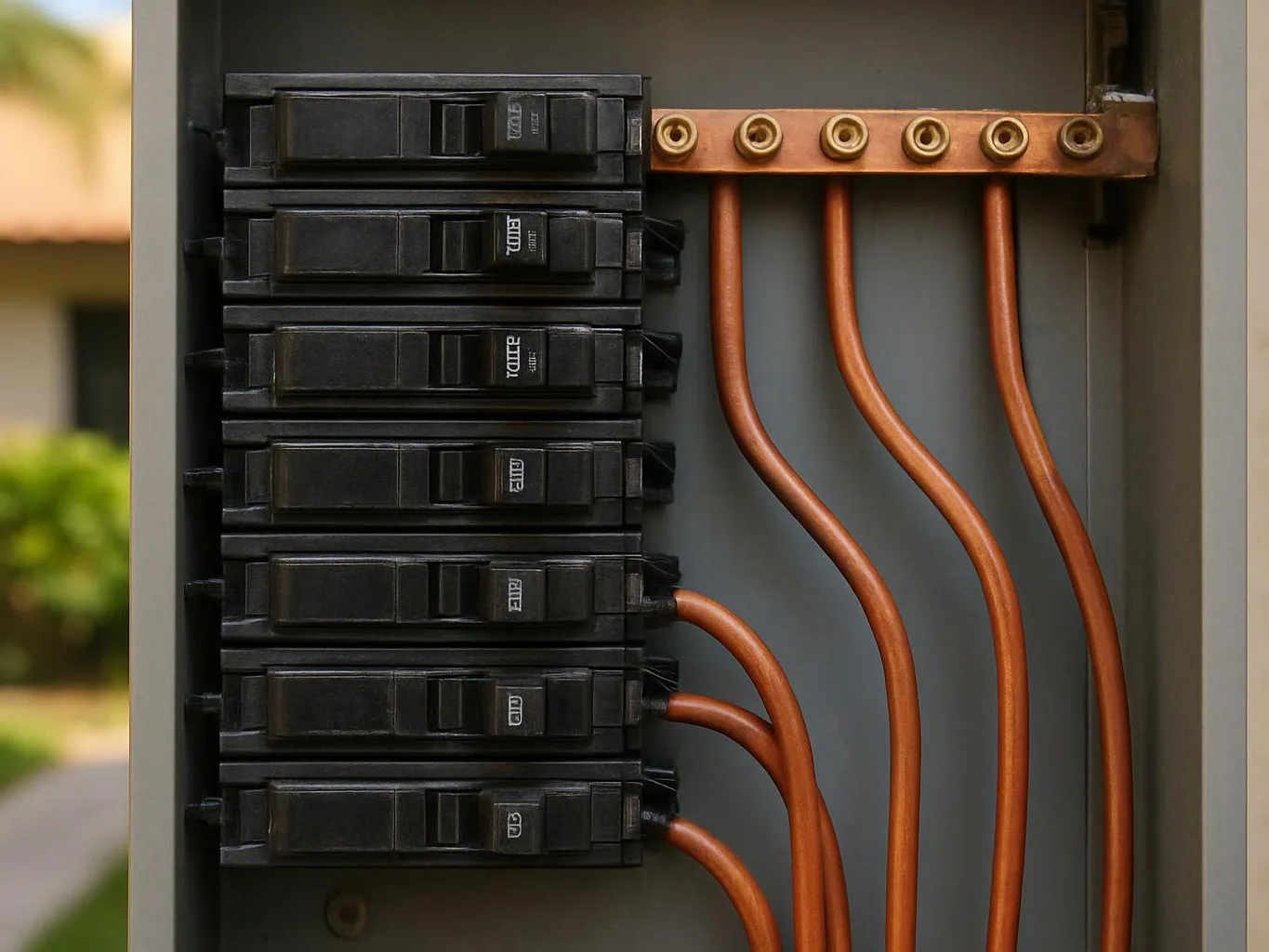
Installing the Wrong Breaker, Wire, or Protection
The circuit breaker, conductor, overcurrent protection, and ground-fault protection must work with the charger and the installation method. Incorrect parts can cause overheating, nuisance trips, equipment faults, or code compliance concerns.
Correction work depends on which parts are incompatible and how much of the circuit must be replaced. We select the breaker and wire size from the equipment requirements and verify the protection during testing.
Placing the Charger Without Planning the Cable Route
Charger location affects the charging cable, conduit, vehicle parking, wall access, and exposure to damage. A poor route can leave the cable stretched across a walkway or force later changes to finished surfaces.
The cost depends on conduit length, wall access, surface conditions, and the distance from the electrical panel. We plan the route before mounting the charger so the cable reaches the vehicle without creating a trip or impact hazard.
Leaving Outdoor Equipment Exposed to Water or Impact
An outdoor EV charger needs a weatherproof enclosure, suitable moisture protection, and physical protection for the equipment and wiring. Water, vehicle contact, lawn equipment, and exposed conduit can shorten equipment life or create electrical hazards.
Correction costs depend on the enclosure, mounting surface, conduit condition, and damage already present. We select an appropriate location, protect the wiring, and confirm that the outdoor installation is secure.
Skipping Inspection, Testing, or Final Documentation
An electrical inspection and commissioning confirm that the installation works as intended and meets applicable requirements. Skipping functional testing can leave wiring faults, incorrect settings, or protection problems undiscovered.
The cost of correction depends on whether the issue is limited to setup or requires access to wiring and equipment. We perform final testing, explain the charging operation, and provide installation documentation for future service needs.
What Each Installation Mistake Can Cost You
The cost of an EV charger installation mistake depends on the affected equipment, wiring, panel capacity, access to the installation area, and corrective work required; Earth Electric can assess the existing conditions and provide an exact quote.
Some corrections involve equipment replacement or a wiring change. Others may require a panel upgrade, new conduit, rewiring, or additional testing.
We explain the existing condition, the correction required, and what our quote includes before work begins. Free Estimates Available for planned electrical work help you understand the project scope.
How We Prevent EV Charger Installation Problems
Our process connects the vehicle requirements to the home electrical system before installation begins. That approach helps us catch capacity, routing, and compatibility problems early.
When to Call Earth Electric for EV Charging Work
Call Earth Electric when the installation involves panel capacity, new wiring, outdoor equipment, bidirectional power flow, or any electrical condition you cannot safely verify.
Homeowners can review the vehicle manual, choose a practical parking location, and keep the area clear. Electrical testing, panel work, and new circuit installation require our crew because errors can affect safety and code compliance.
Planning a Safer Home Charging Installation
EV Charger Installation should begin with the vehicle requirements, electrical panel, load calculation, charger location, and cable route. We use those details to plan a dedicated circuit and select equipment that fits the home electrical system.
Our team can also plan Bidirectional EV Home-Backup Integration when the vehicle and home equipment support two-way power flow. That work requires careful coordination between bidirectional charging equipment, home backup power controls, grounding, and the electrical service.
Contact us to discuss the installation conditions and request an exact quote. Request an EV charger installation estimate.
Get a Free EstimateQuestions About Avoiding EV Charger Installation Mistakes
Can an EV charger share a circuit with other appliances?
An EV charger should use a dedicated circuit unless the equipment and electrical design specifically support another arrangement. Earth Electric reviews the branch circuit, continuous load, wire size, and protection before approving the setup.
Does installing an EV charger always require an electrical panel upgrade?
No, an EV charger does not always require an electrical panel upgrade. The load calculation, service capacity, existing loads, breaker space, and charger requirements determine whether the panel can support the installation.
Can I install an EV charger outdoors?
Yes, an EV charger can be installed outdoors when the equipment, enclosure, wiring, conduit, and mounting location provide suitable weather and impact protection. We plan the outdoor installation around moisture exposure, vehicle movement, and cable handling.
What should I check before choosing a home EV charger?
Before choosing a home EV charger, check the vehicle requirements, electrical panel capacity, available circuit path, charger location, cable reach, outdoor exposure, and compatibility with home backup power plans. We use those conditions to guide equipment selection.
Is a plug-in EV charger safer than a hardwired charger?
No, a plug-in EV charger is not automatically safer than a hardwired charger. Safety depends on correct equipment selection, receptacle condition, wire size, grounding, protection, installation method, and final testing.
Related Resources
Electrical Panel Upgrade Cost Factors: Size, Capacity, Wiring, and Installation Scope
What It CostsEV Charger Installation Cost Factors: Wiring Distance, Panel Capacity, and Charger Type
How Long It TakesHow Long Does an Electrical Panel Upgrade Take?
How Long It TakesHow Long Does It Take to Install an EV Charger at Home?