Which pool equipment may need electrical repair?
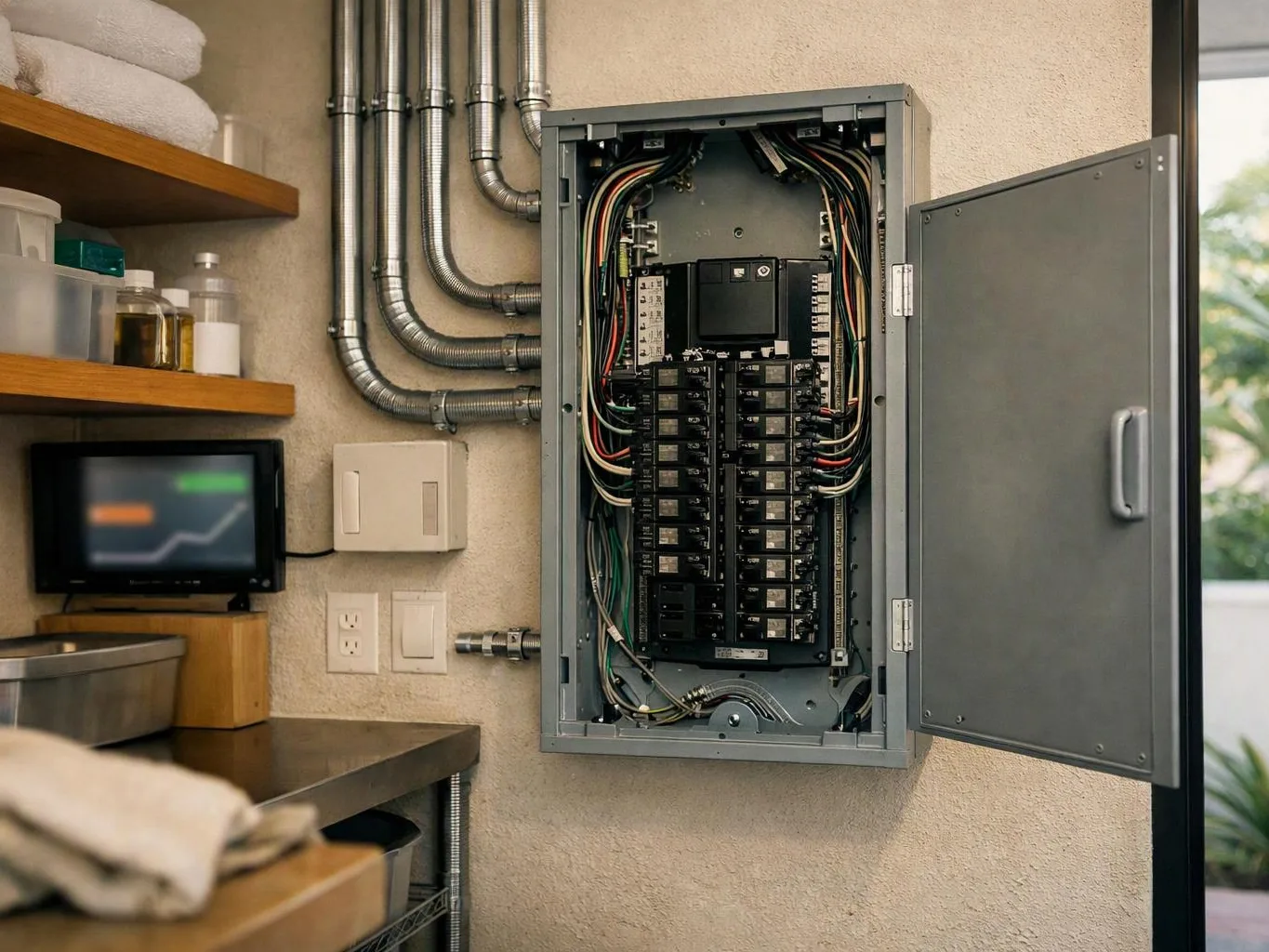
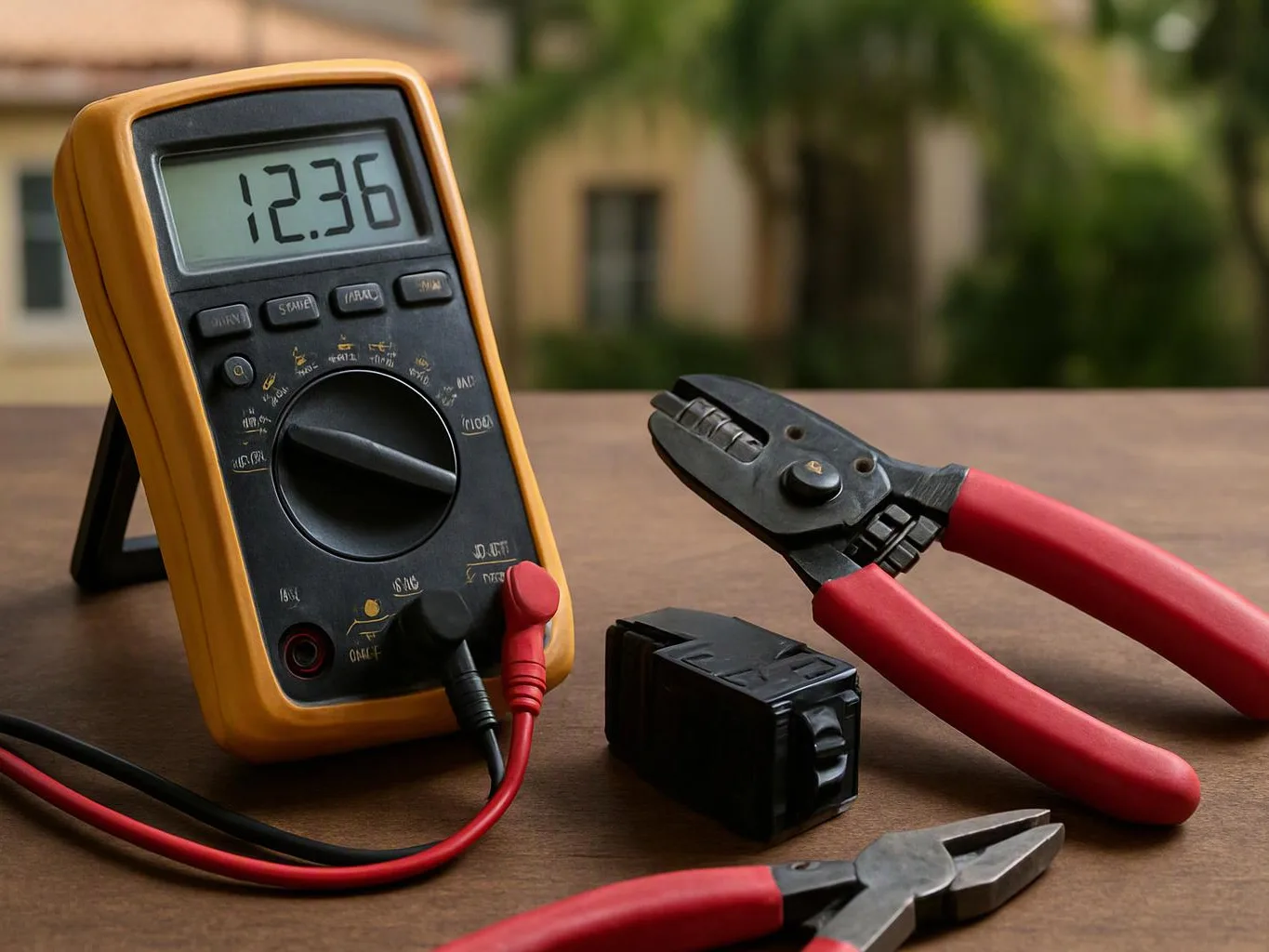
Earth Electric repairs electrical faults affecting pool pumps, heat pumps, salt systems, and lighting transformers. We also inspect their breakers, disconnects, controls, wiring, and terminals. The equipment type guides the inspection, but the circuit still needs checking because a supply fault can affect more than one part.
How does a pool electrical repair visit move from the first call to the last step?
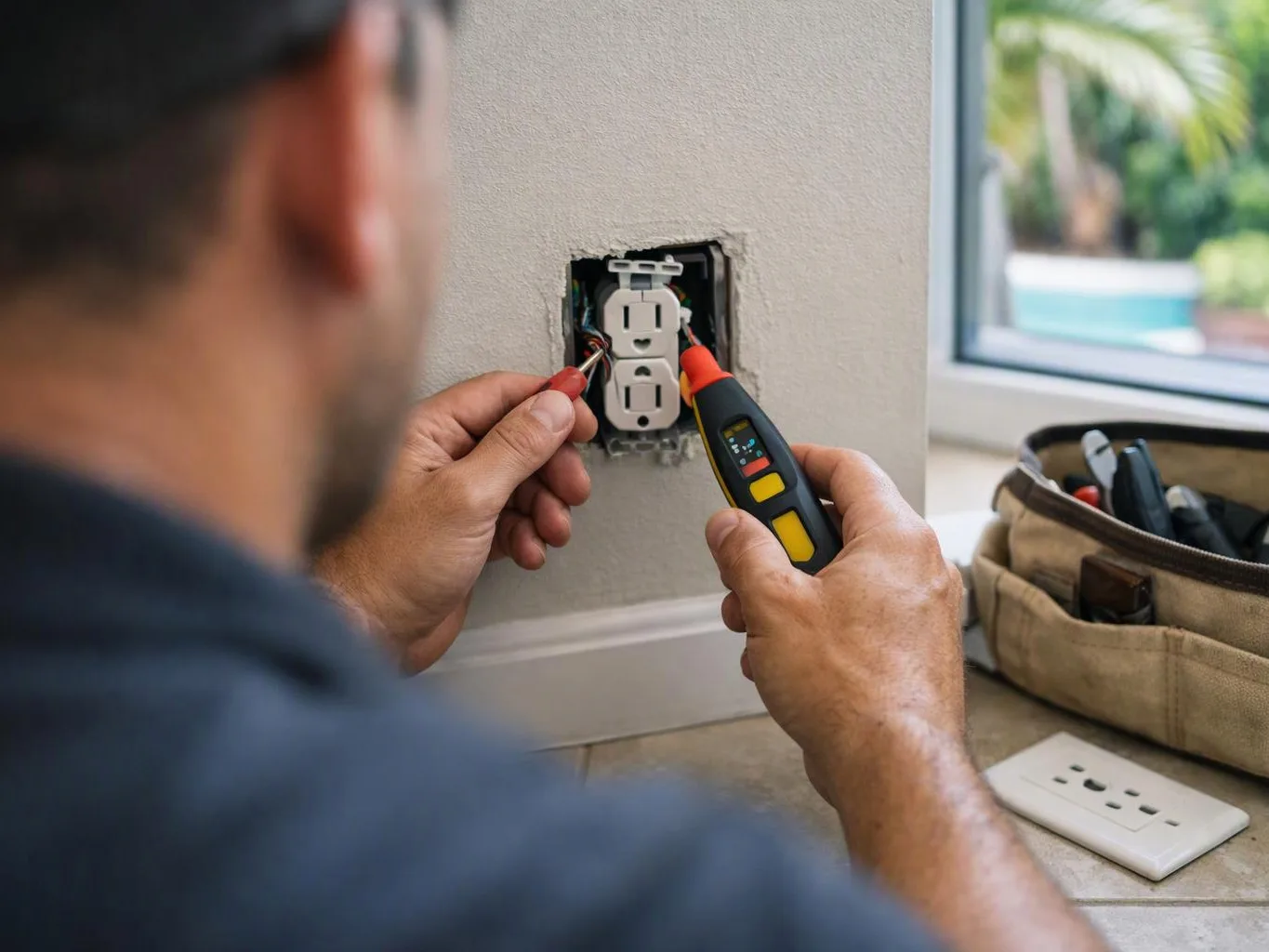
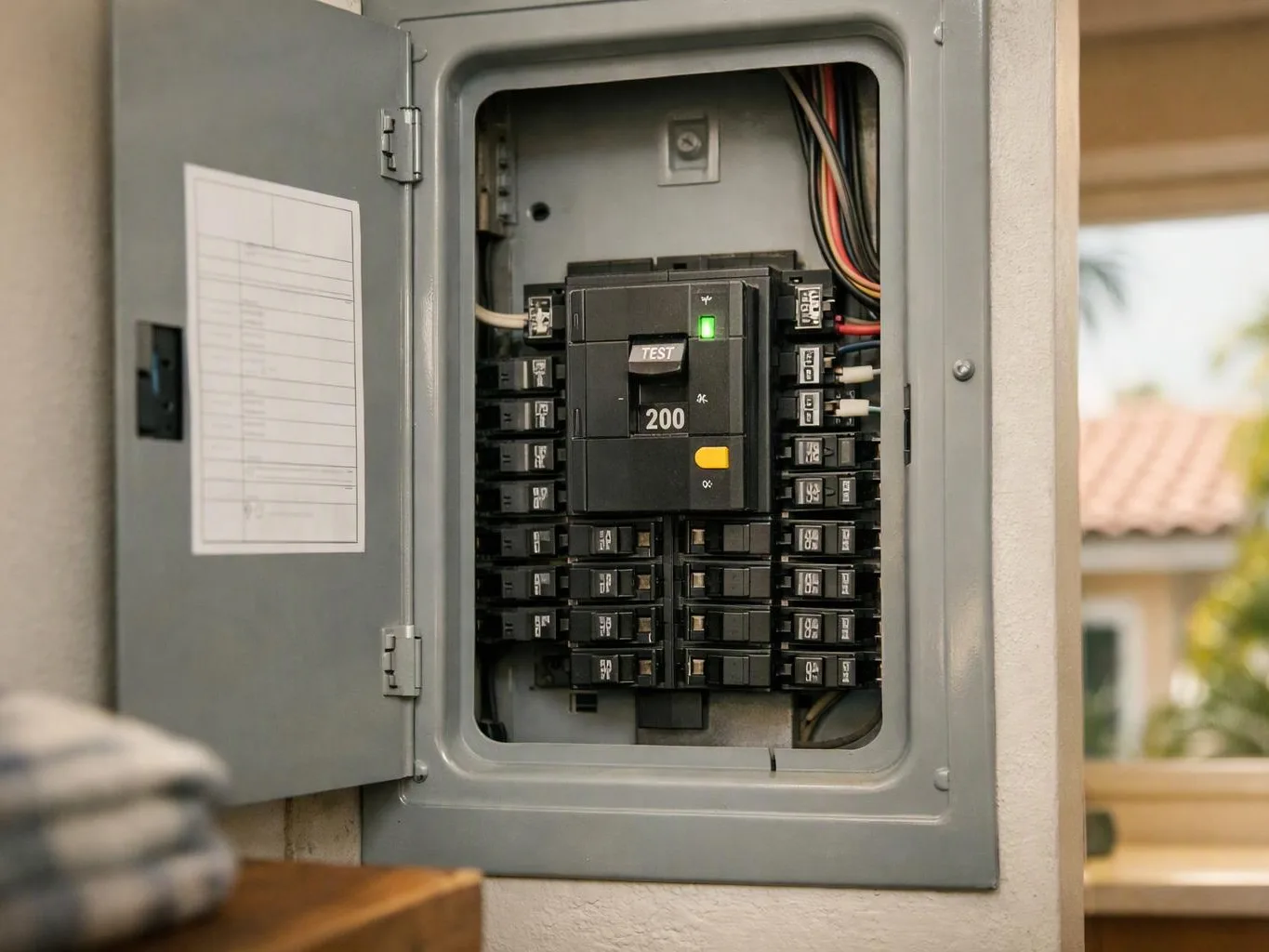
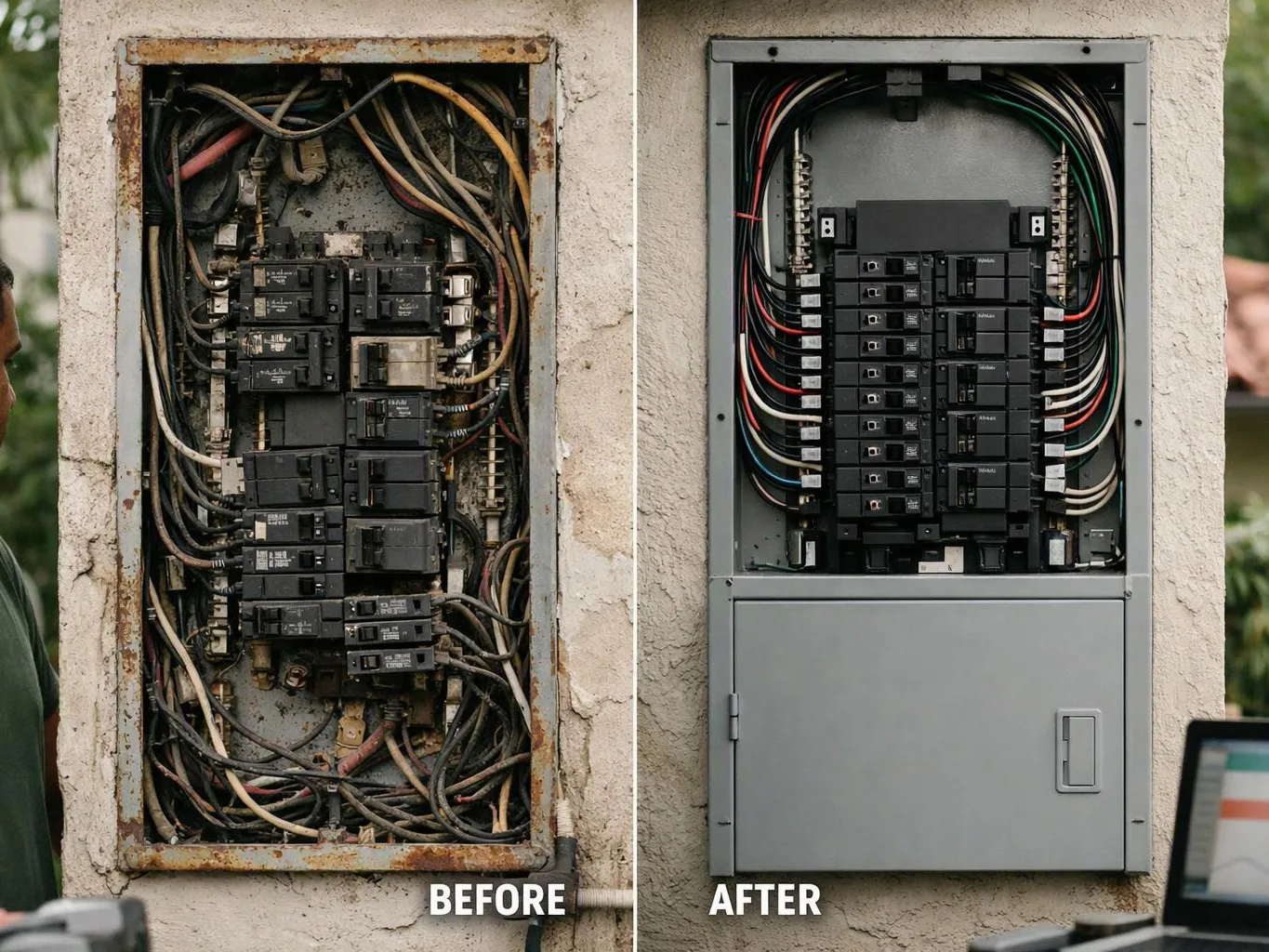
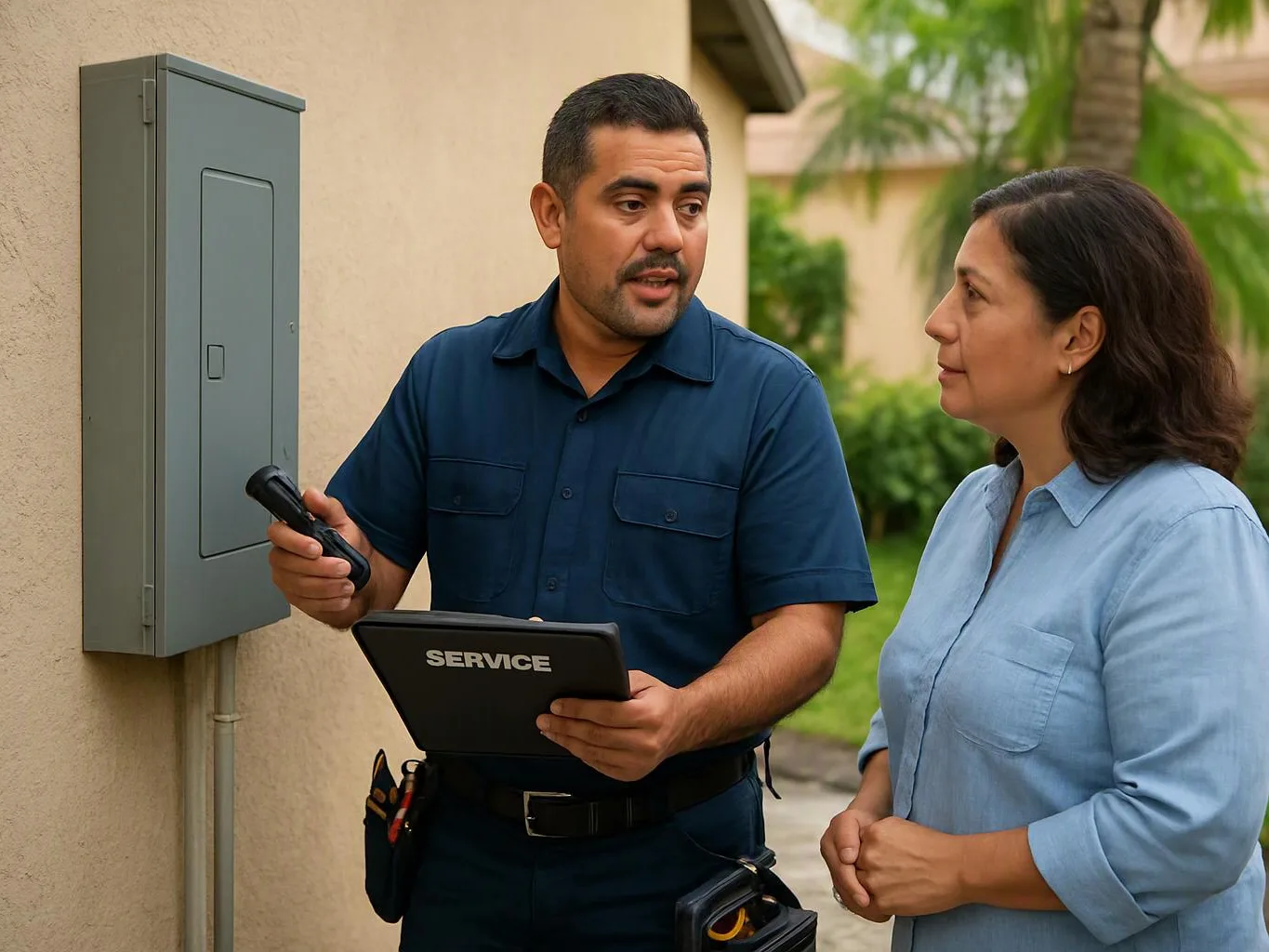
The visit moves from equipment identification to circuit isolation, diagnosis, scope, and final testing. We first confirm the affected part, then inspect the disconnect, breaker, wiring, controls, and connection. After we explain the repair and provide a free estimate, we test the repaired circuit and equipment connection.
What part changes the repair time for a pool pump?
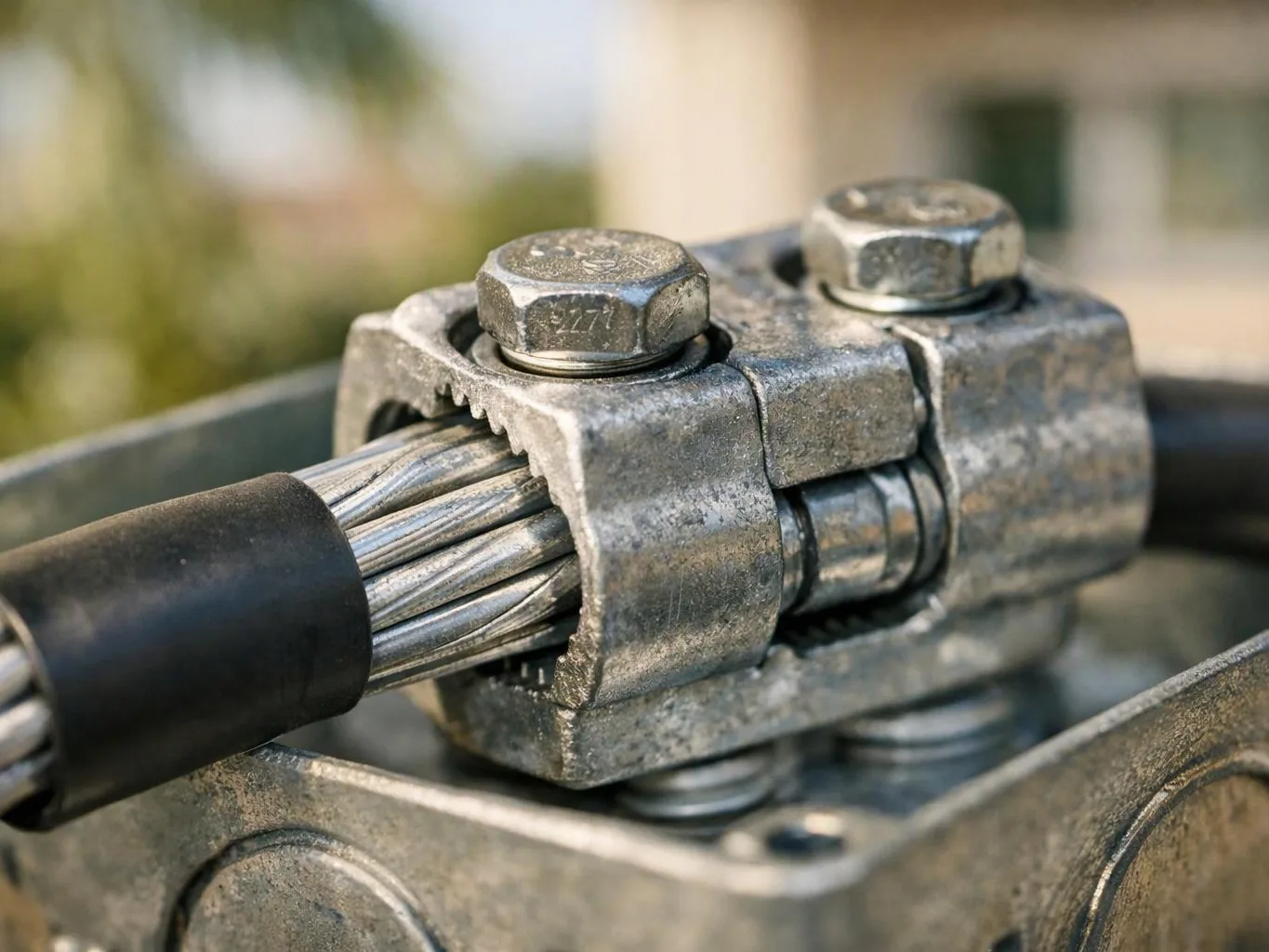
The affected part changes the repair time because a wiring fault differs from a failed control or equipment connection. We check access, circuit condition, terminals, controls, and the pump supply before setting the work scope. That inspection shows whether the job stays within electrical repair or needs another pool service.
How can a customer tell whether pool electrical repair fits the property?
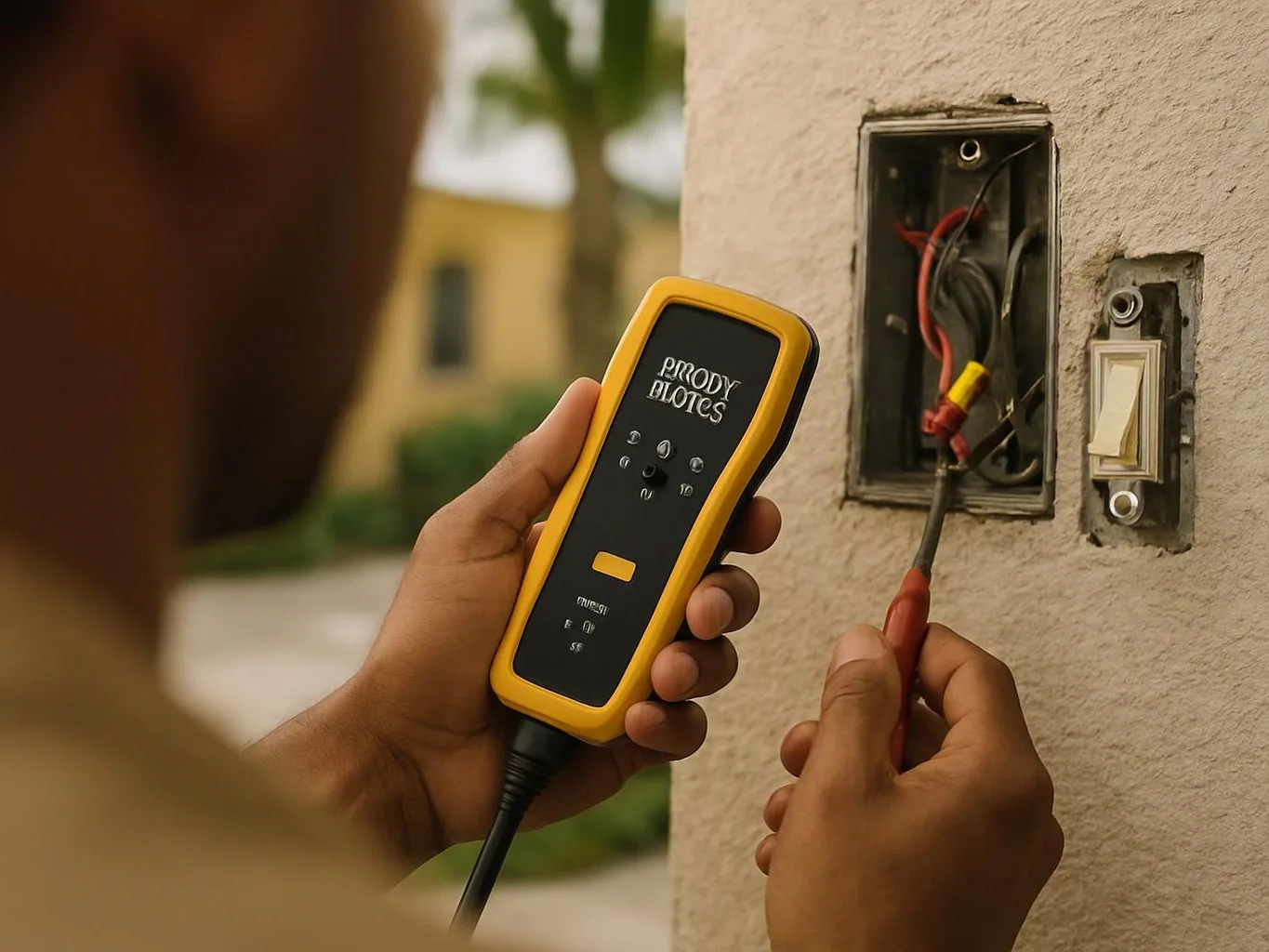
Pool electrical repair fits when equipment loses power, trips a breaker, shows damaged wiring, or stops responding to its controls. The service covers electrical supply and connections, not water balance, leaks, blocked plumbing, or worn mechanical seals. We inspect the fault and explain the correct service path.
Why does a salt system need an electrical inspection?
A salt system needs an electrical inspection when its power, controls, or connection fail. We check the supply circuit, terminals, control wiring, and visible damage before separating an electrical fault from a water-care issue. The system should stay off if the connection shows heat, damage, or an unsafe condition.
What should I do before requesting pool equipment electrical repair?
Turn off the affected pool equipment if it shows damage, heat, sparks, or repeated breaker trips. Keep people away from wet electrical parts and don't open energized equipment. Share the equipment type, visible symptoms, breaker behavior, and any safe photos when requesting an assessment.