Why does a damaged receptacle feel warm?
A damaged receptacle feels warm when loose terminals, an overloaded circuit, or high resistance creates heat. Stop using the outlet before inspection. We check the terminals, conductor connections, outlet box, and circuit load to find the source. Heat, discoloration, odor, or sparks should be treated as urgent warning signs.
Who is a good fit for outlet repair, and who needs a different service?
Outlet repair fits a faulty receptacle or nearby connection, while panel or whole-property wiring problems need a different scope. We inspect the outlet and circuit first. A single warm outlet may need local work, but repeated circuit trips or several affected outlets can point to wider electrical trouble.
What does the crew look at first during outlet repair?
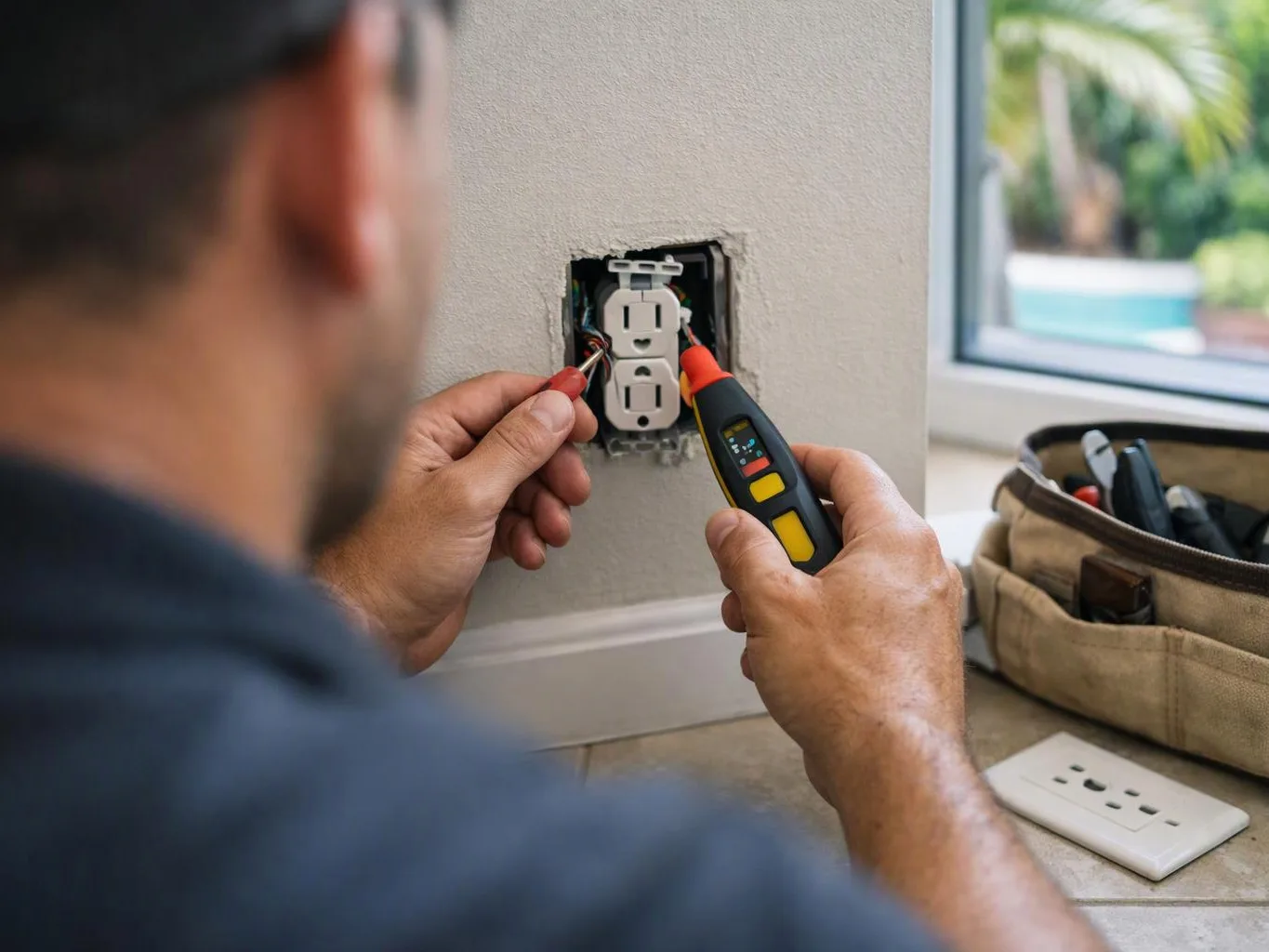
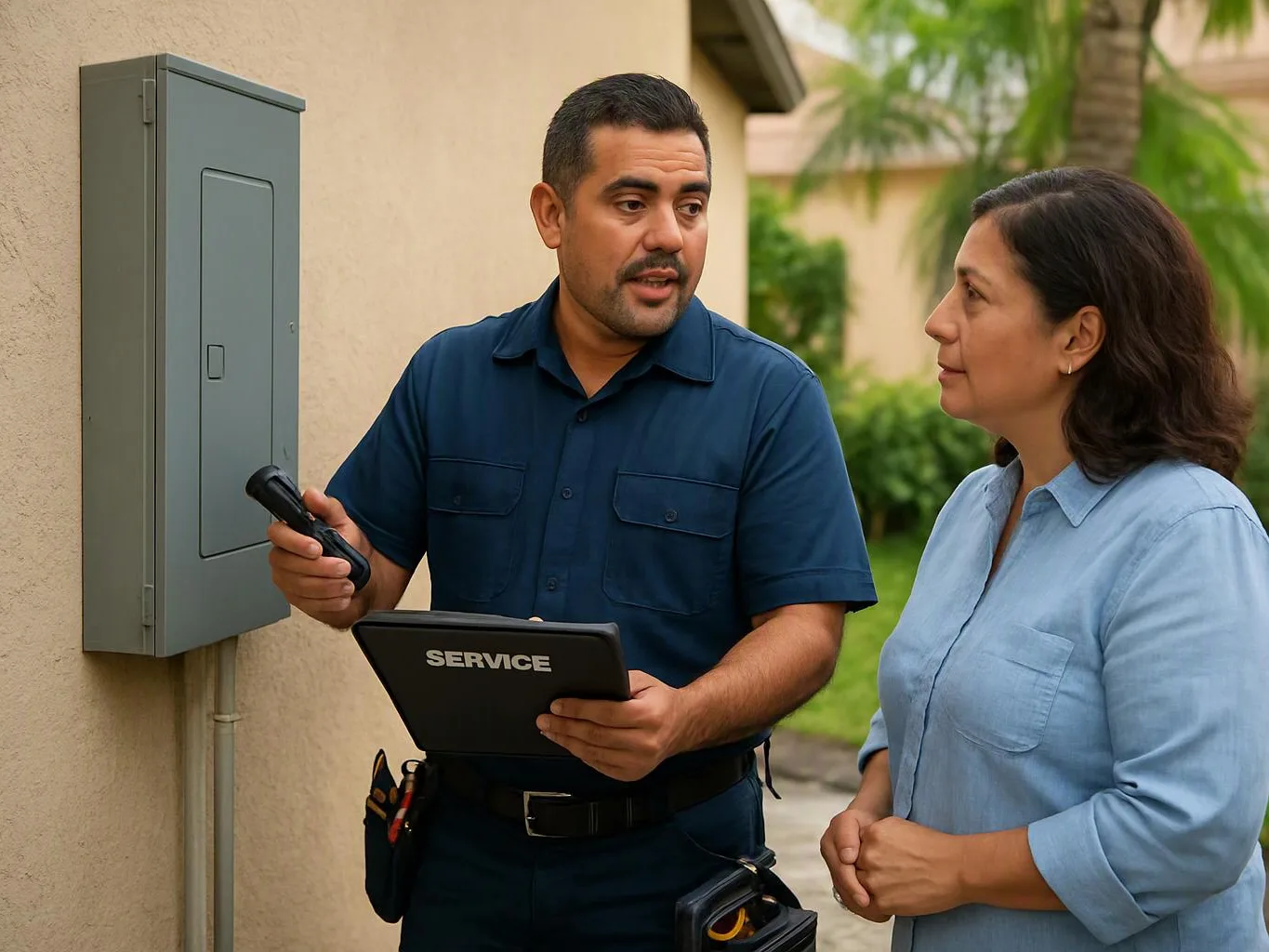
The first check covers the receptacle face, mounting, terminal screws, and visible conductor connections. We then inspect the box and identify the circuit. This order helps separate a loose connection from overload, heat damage, or a fault farther along the branch circuit.
When should I stop using an electrical outlet?
Stop using an outlet when it feels hot, smells burnt, sparks, shows dark marks, or has a cracked faceplate. Keep devices disconnected until the condition is checked. We isolate the circuit and inspect the receptacle, wiring, and load before recommending the repair.
How does outlet repair change when wiring is damaged?
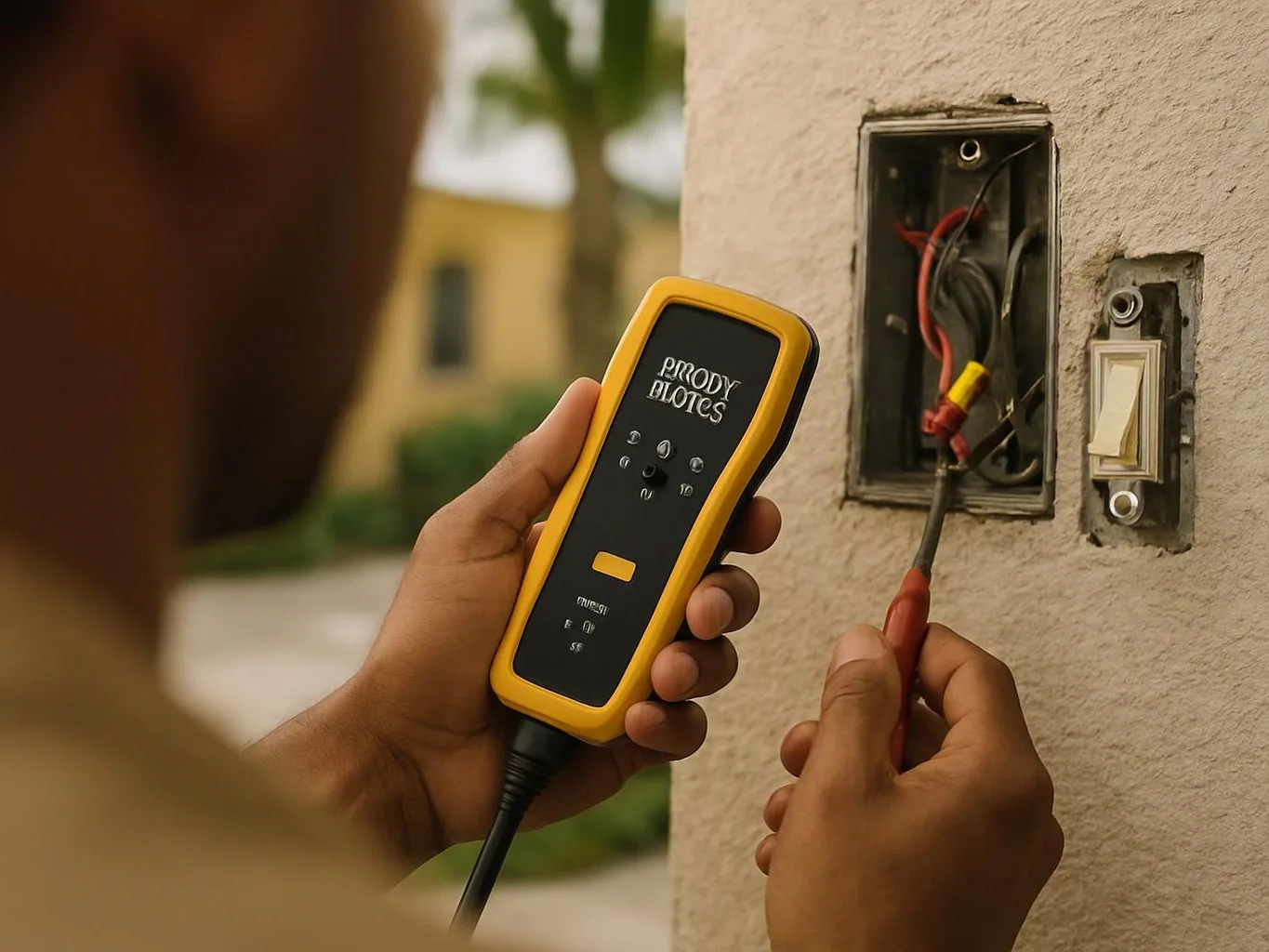
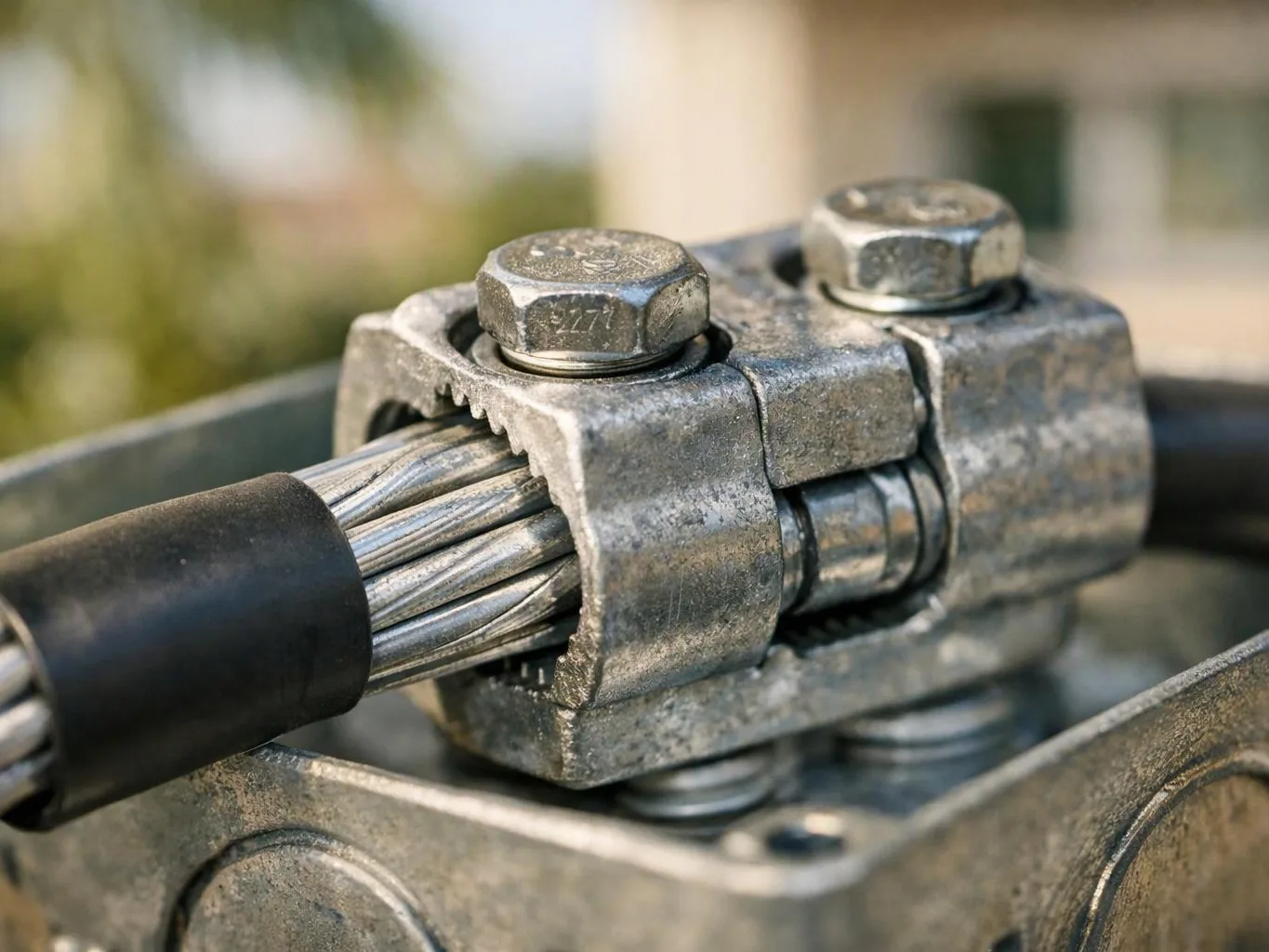
Damaged wiring expands the job beyond a simple receptacle change. We inspect the conductor ends, insulation, box, and connected circuit before setting the scope. The estimate reflects the parts that need repair and any access needed to reach the affected wiring.
Which part of this job changes the estimate most?
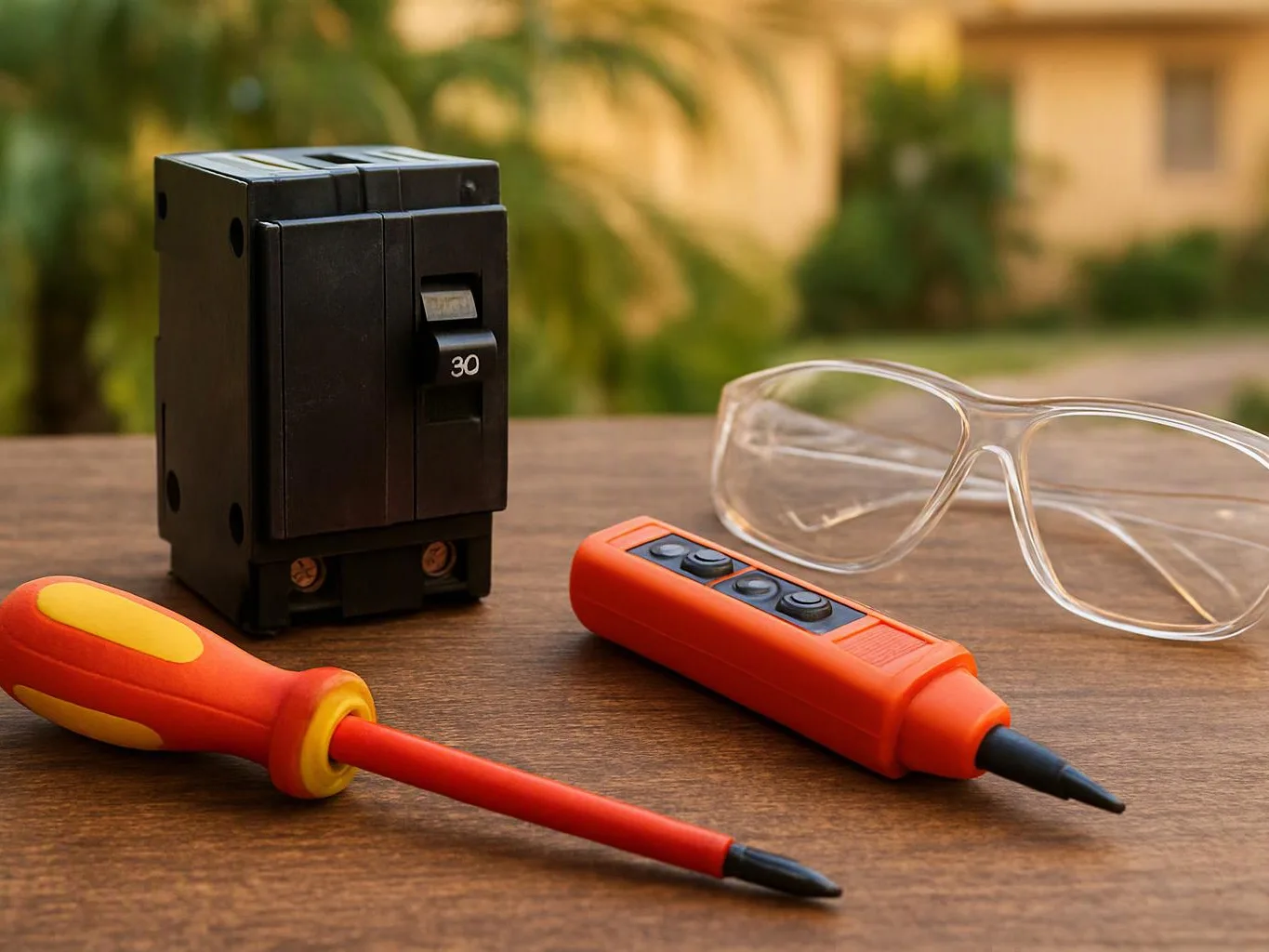
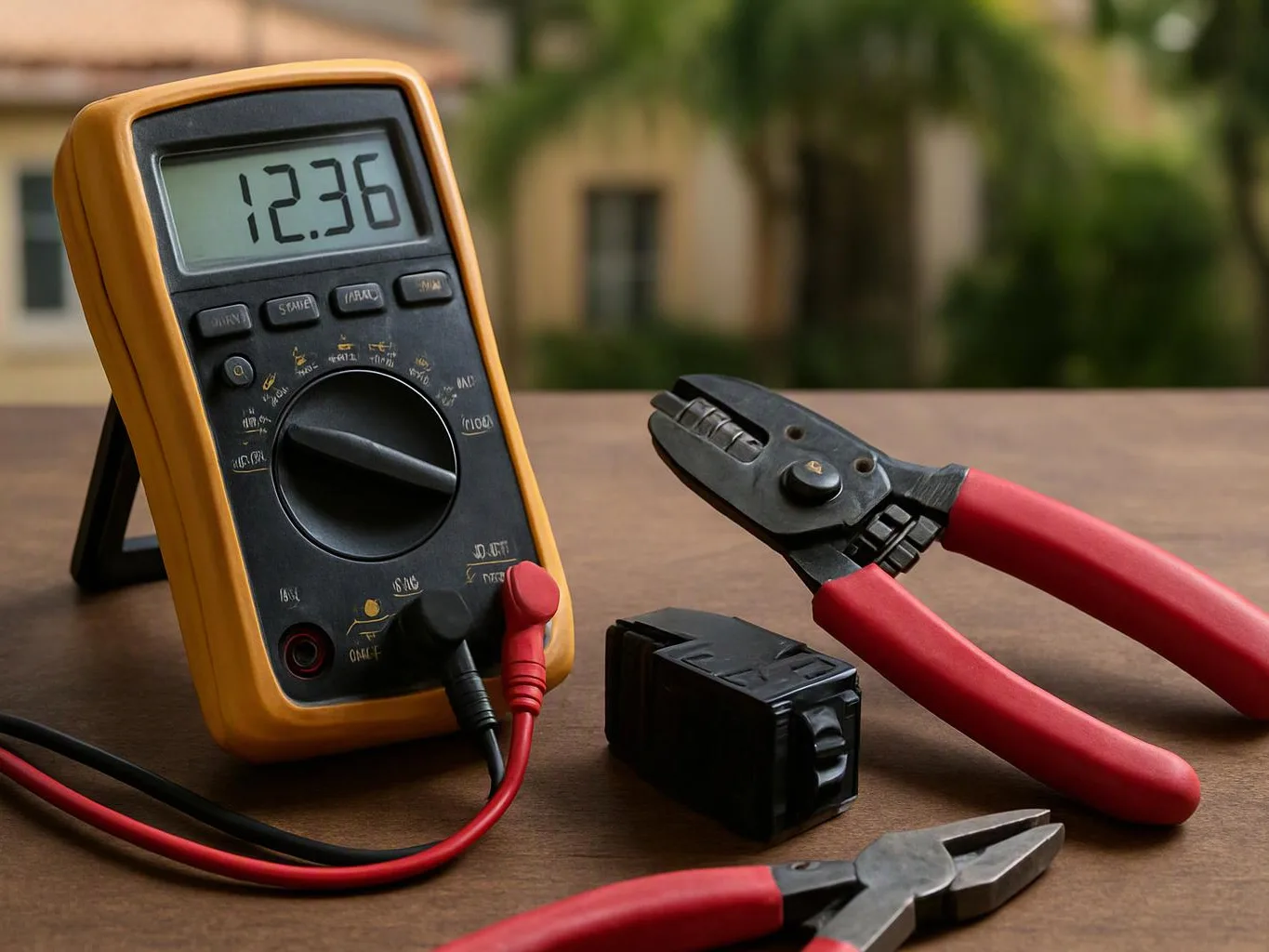
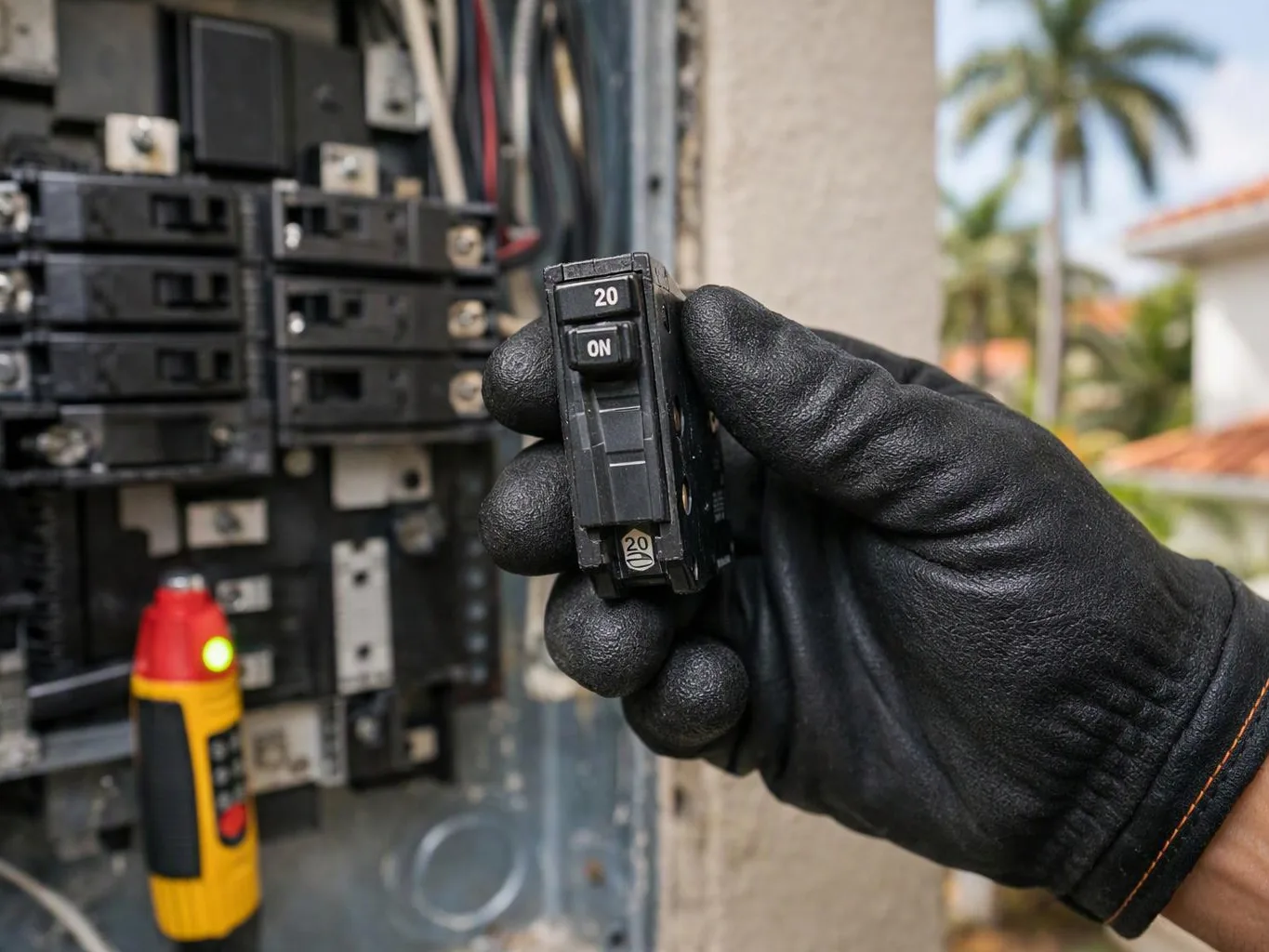
The repair scope changes most when heat or looseness extends beyond the receptacle. We assess terminal damage, conductor condition, box access, circuit load, and related breaker concerns. Those findings show whether the work stays at one outlet or requires wider electrical repair.
What should I do before requesting an outlet assessment?
Disconnect the device, keep the outlet unused, and note any heat, odor, marks, sparks, or tripped breakers. Do not remove the cover or tighten terminals yourself. Sharing those details helps us plan the inspection and understand whether the issue affects one outlet or a circuit.