Who installs outdoor lighting for homes and businesses?
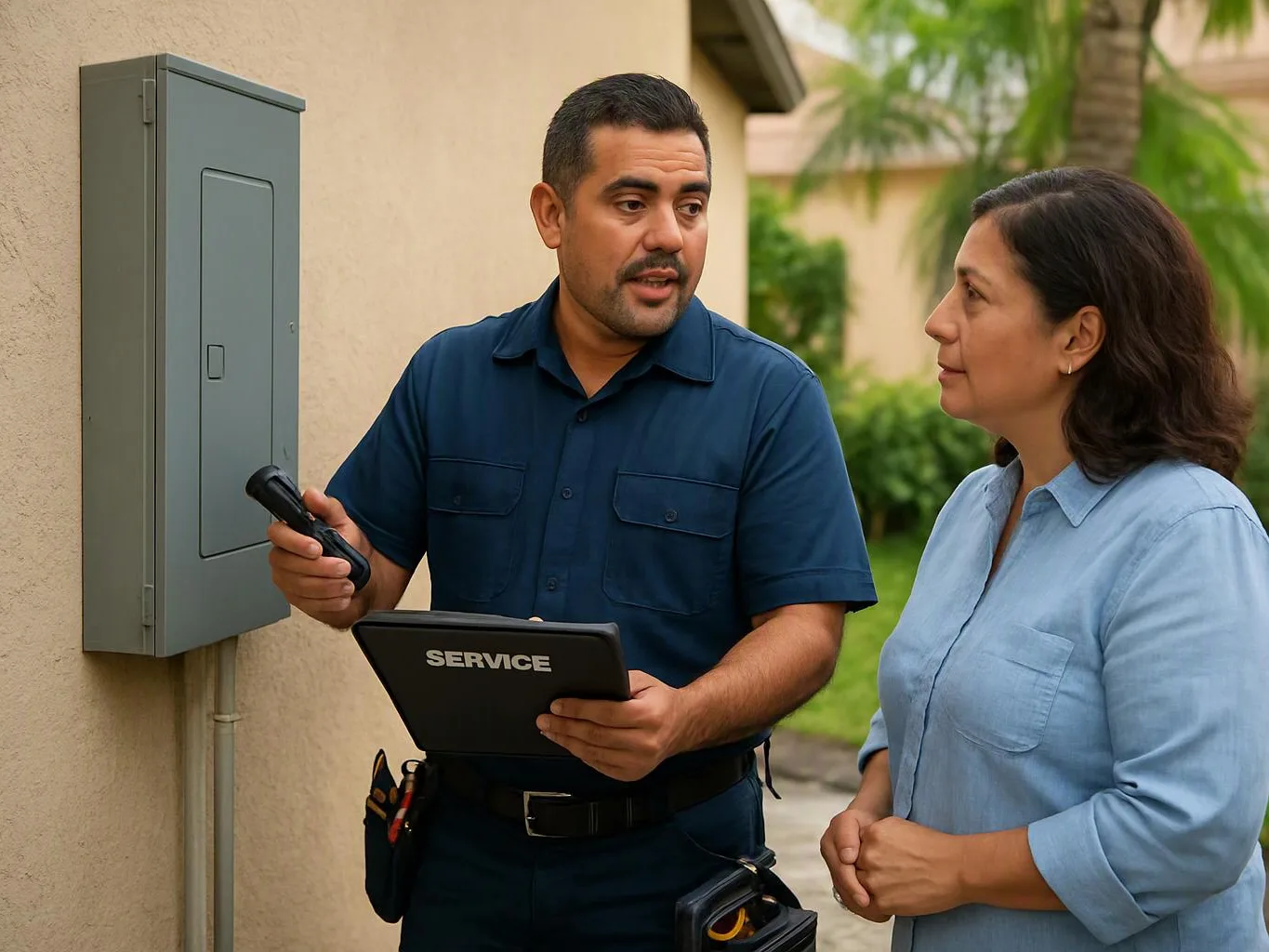
Earth Electric installs outdoor lighting for residential and commercial properties. We review fixture locations, wiring access, switches, controls, and the connected circuit before work begins. Our licensed and insured electricians explain the scope and provide a free estimate. The visit can also identify related outlet, breaker, or wiring problems.
Which material changes the time needed for an outdoor lighting job?
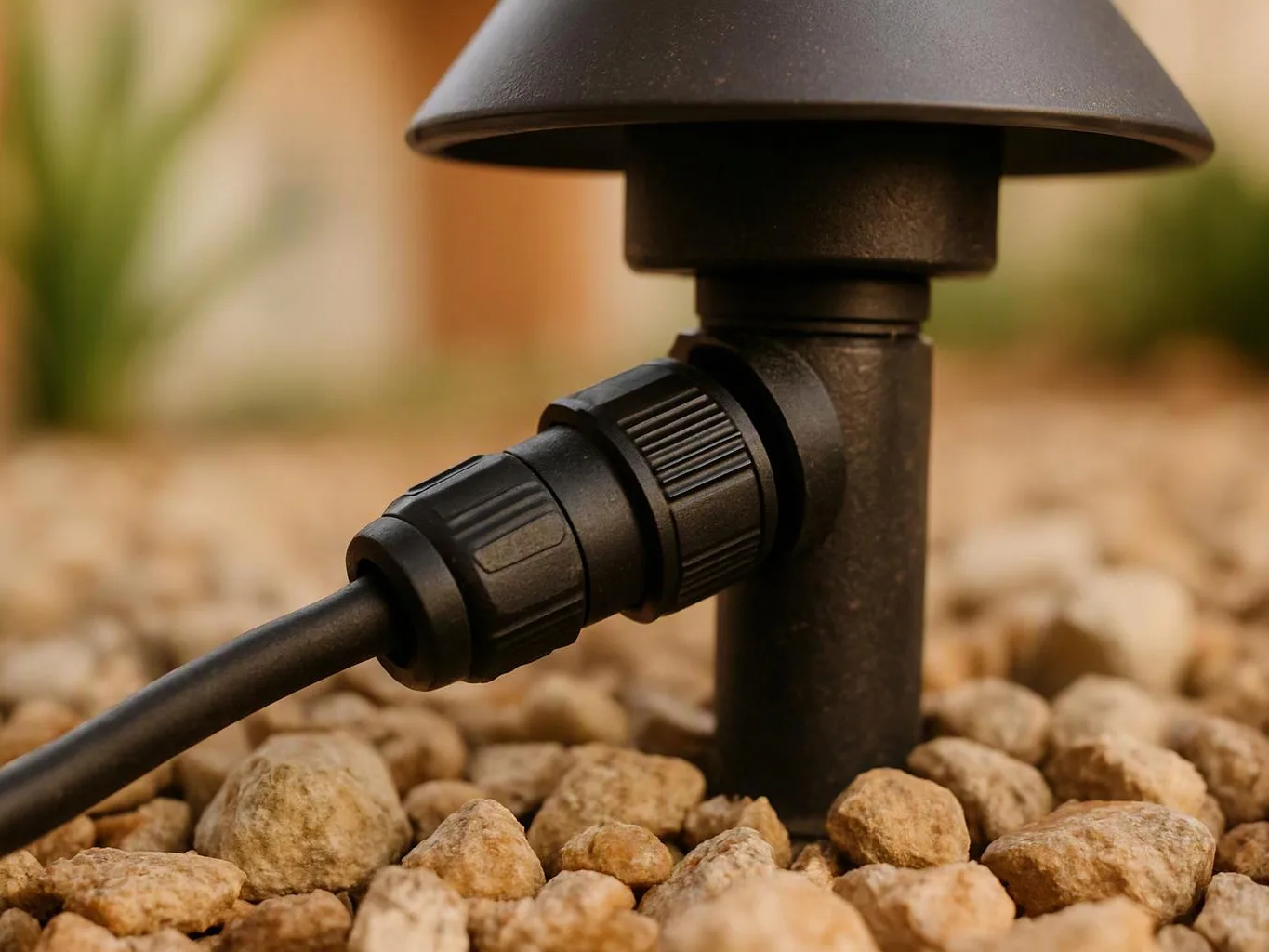
The wiring material and route can change the work needed for an outdoor lighting job. Existing cable condition, conduit access, fixture mounting surfaces, and the power source also matter. We inspect those parts before setting the scope. The estimate reflects the actual access and connection work found at the property.
How does an outdoor lighting visit move from the first call to the last step?
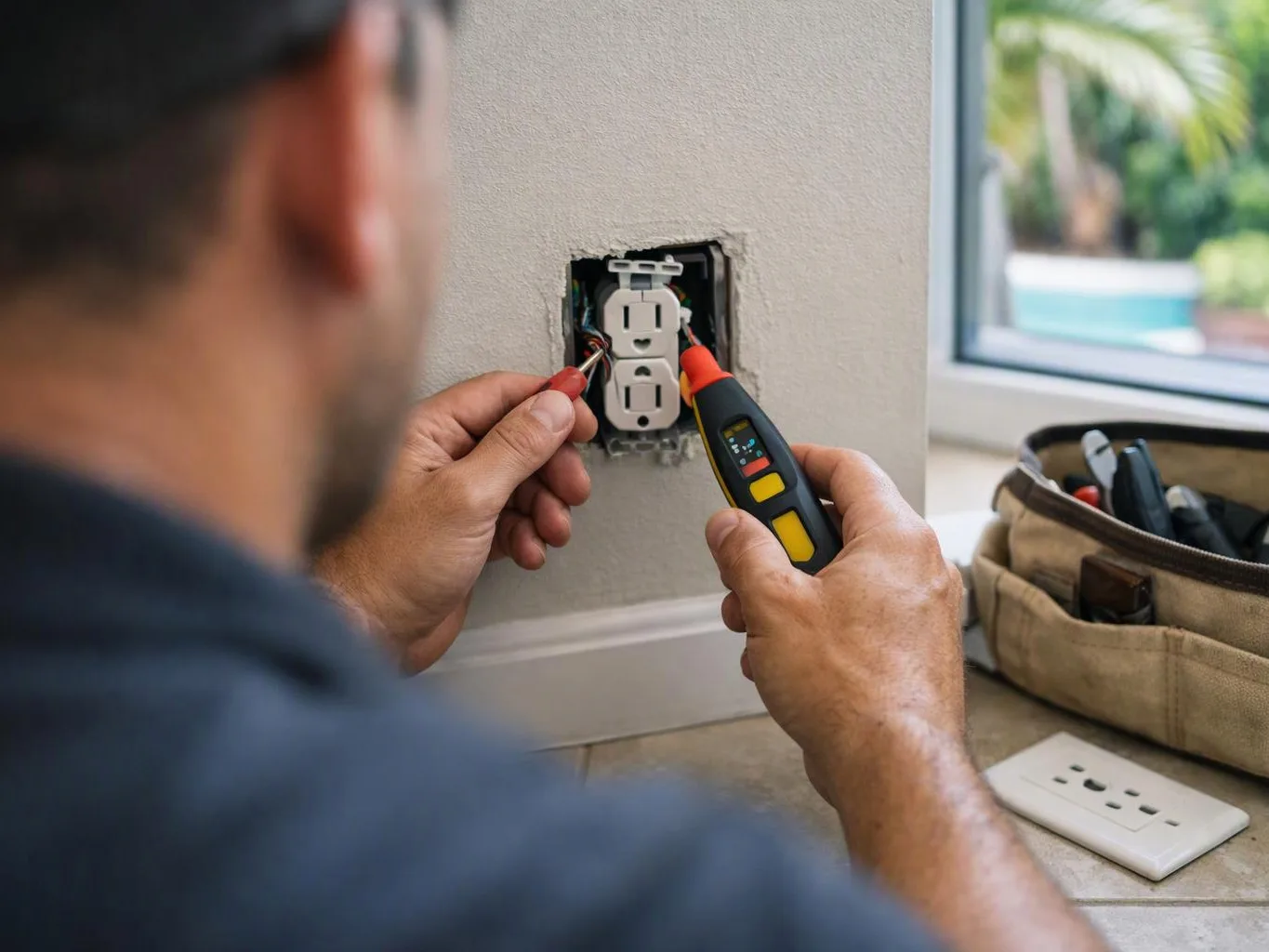
An outdoor lighting visit moves from a scope review to inspection, estimate, installation, and testing. We first discuss the areas and controls you want. Next, we check the fixture locations, wiring, switch, breaker, and access. After the work, we test the lights and explain any remaining electrical issue.
What should I check before requesting an exterior lighting estimate?
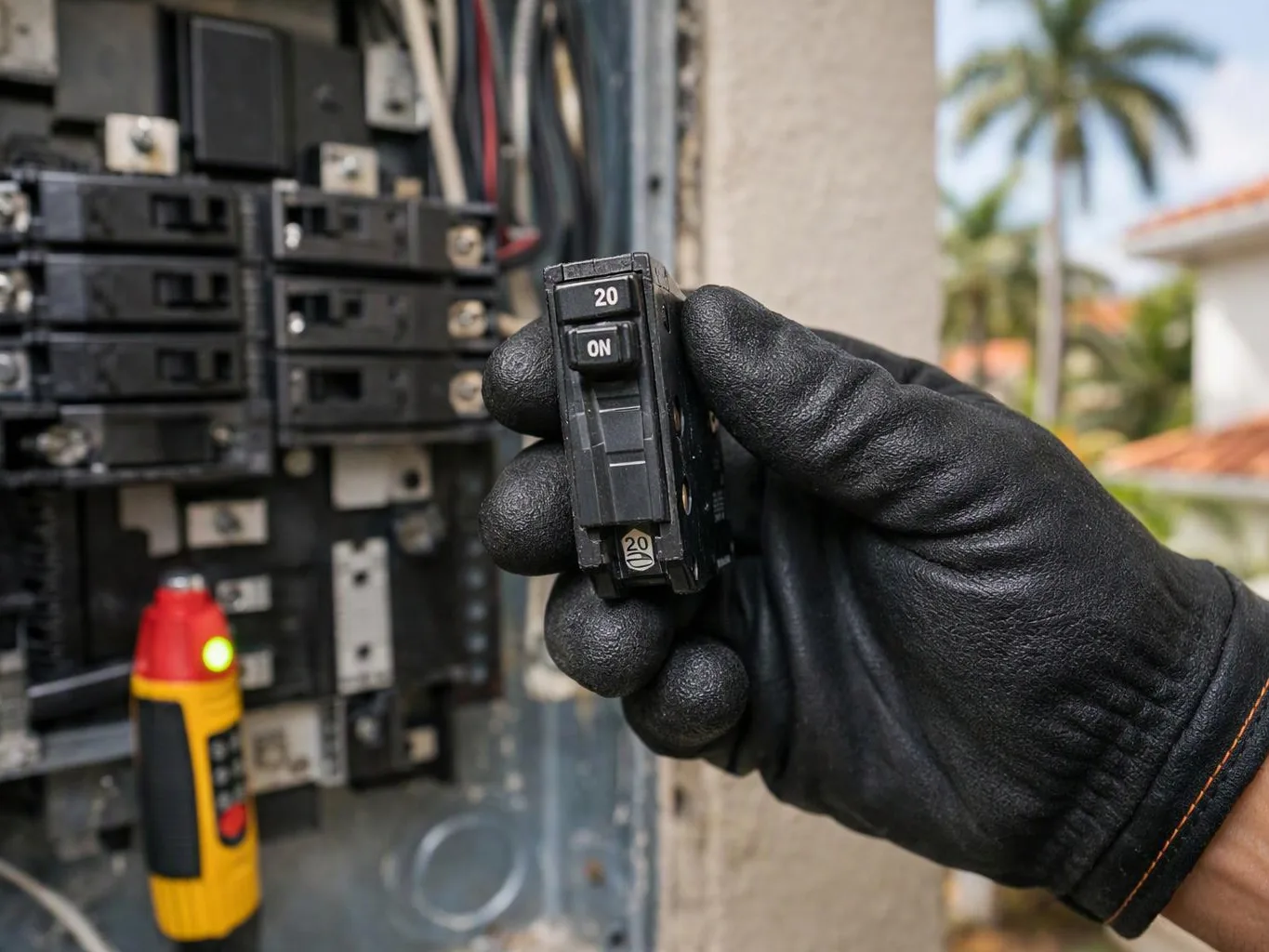
The requested lighting areas, existing fixture symptoms, switch locations, and known breaker issues help shape an exterior lighting estimate. Photos of the fixtures and controls can also help us understand access before the visit. Don't touch exposed wire or a hot fixture. Turn off the affected circuit if it can be done safely.
How can I tell whether outdoor lighting fits my property?
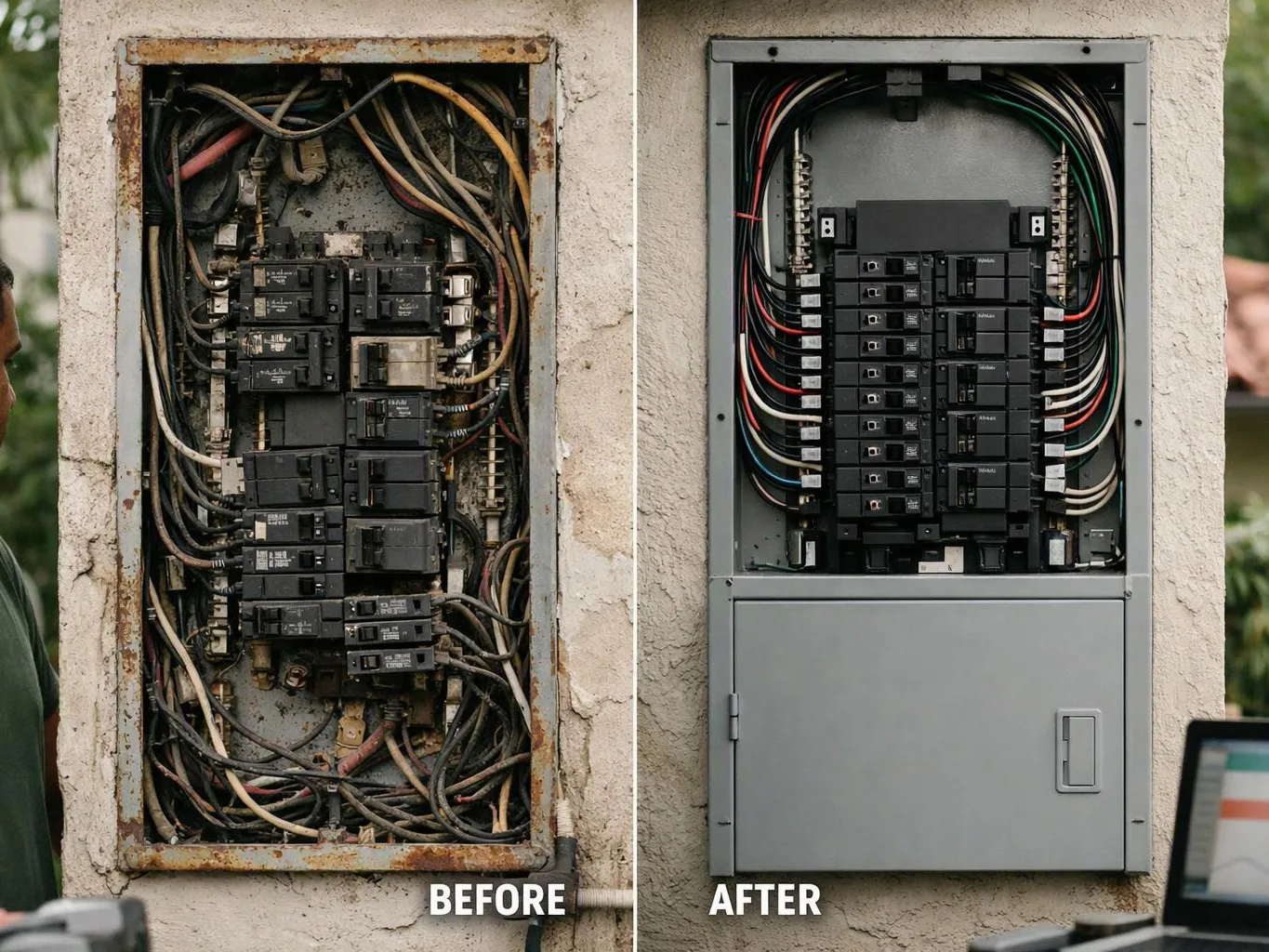
Outdoor lighting fits a property when exterior areas need better visibility, controlled lighting, or new fixture coverage. We review the property use, fixture locations, available power, cable route, and access. A separate electrical repair may fit better when the main problem is a damaged circuit, failed panel, or utility-side outage.
Why do new exterior lights still flicker?
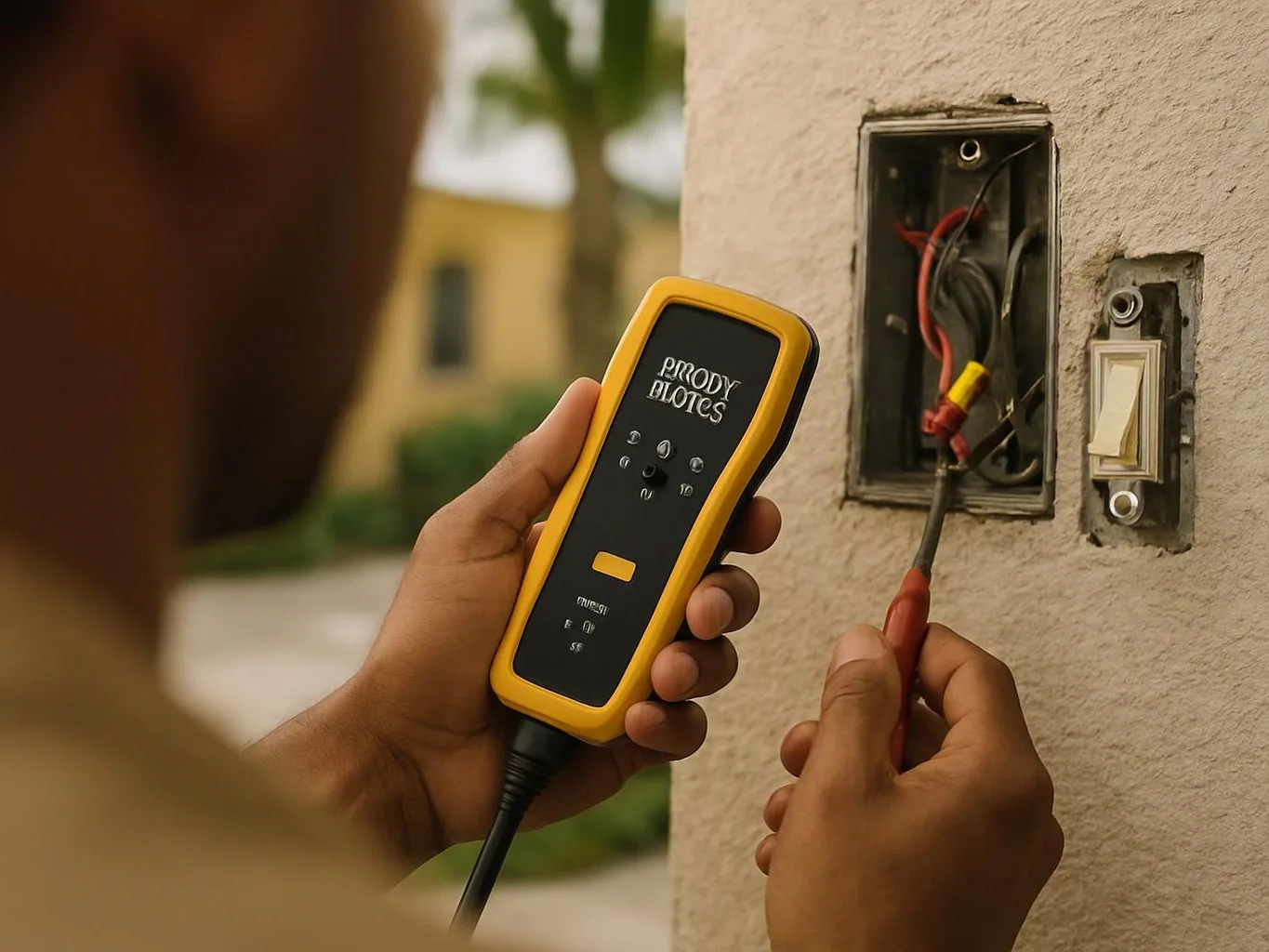
New exterior lights can flicker because of loose connections, damaged wiring, a failing control, or a circuit fault. We test the fixture and trace the affected electrical path before replacing more parts. Repeated flickering, heat, or a burning smell calls for prompt electrical attention, and the light should stay off until checked.