Where should landscape lights be positioned along walkways?
Walkway lights should sit beside the route where they provide even coverage without shining directly into approaching eyes. We check turns, steps, entry points, fixture aim, and nearby planting before marking positions. The cable path and power source also matter because a good layout must be practical to connect and maintain.
How is outdoor lighting matched to the property before work starts?
The property layout determines fixture positions, wiring routes, aiming, and the areas included in the estimate. We review paths, garden beds, trees, walls, water features, access, and existing electrical points. Our team then separates new installation from repairs, panel work, or other electrical needs that require a different scope.
What should be ready before outdoor lighting installation starts?
The requested outdoor areas and access to the property should be clear before installation starts. A useful preparation list includes:
- Mark the paths, trees, beds, walls, or water features you want lit.
- Identify existing fixtures that fail or flicker.
- Share concerns about glare, dark spots, controls, or access.
We use that information during the estimate and inspection.
Which part of the job changes the estimate most?
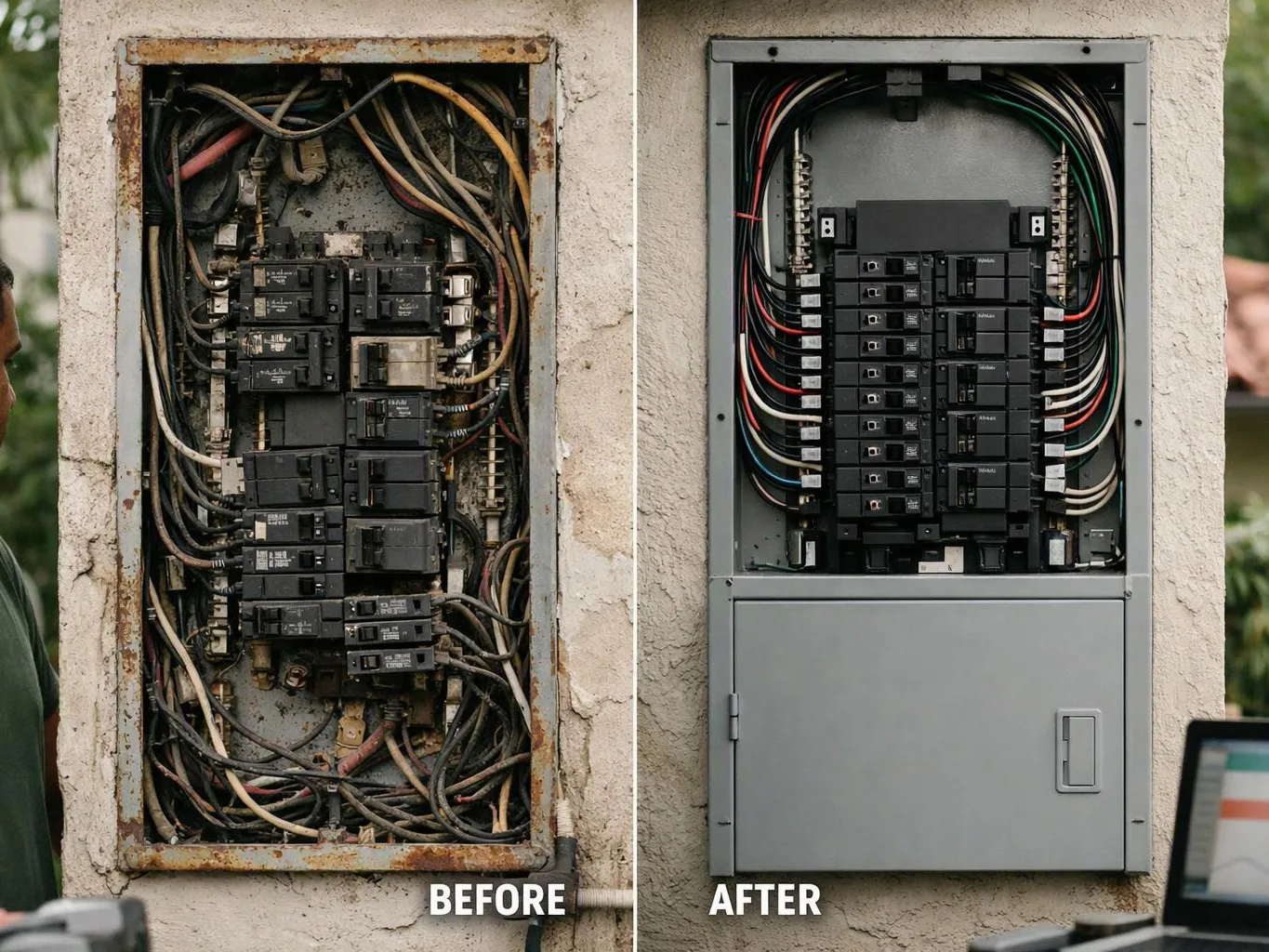
The selected fixture layout and wiring access usually have the greatest effect on the estimate. More areas require more planning, connections, and cable routing. We also check whether existing fixtures, switches, outlets, or wiring need repair, because that work belongs in the scope before the estimate is finalized.
When should outdoor lighting be repaired instead of expanded?
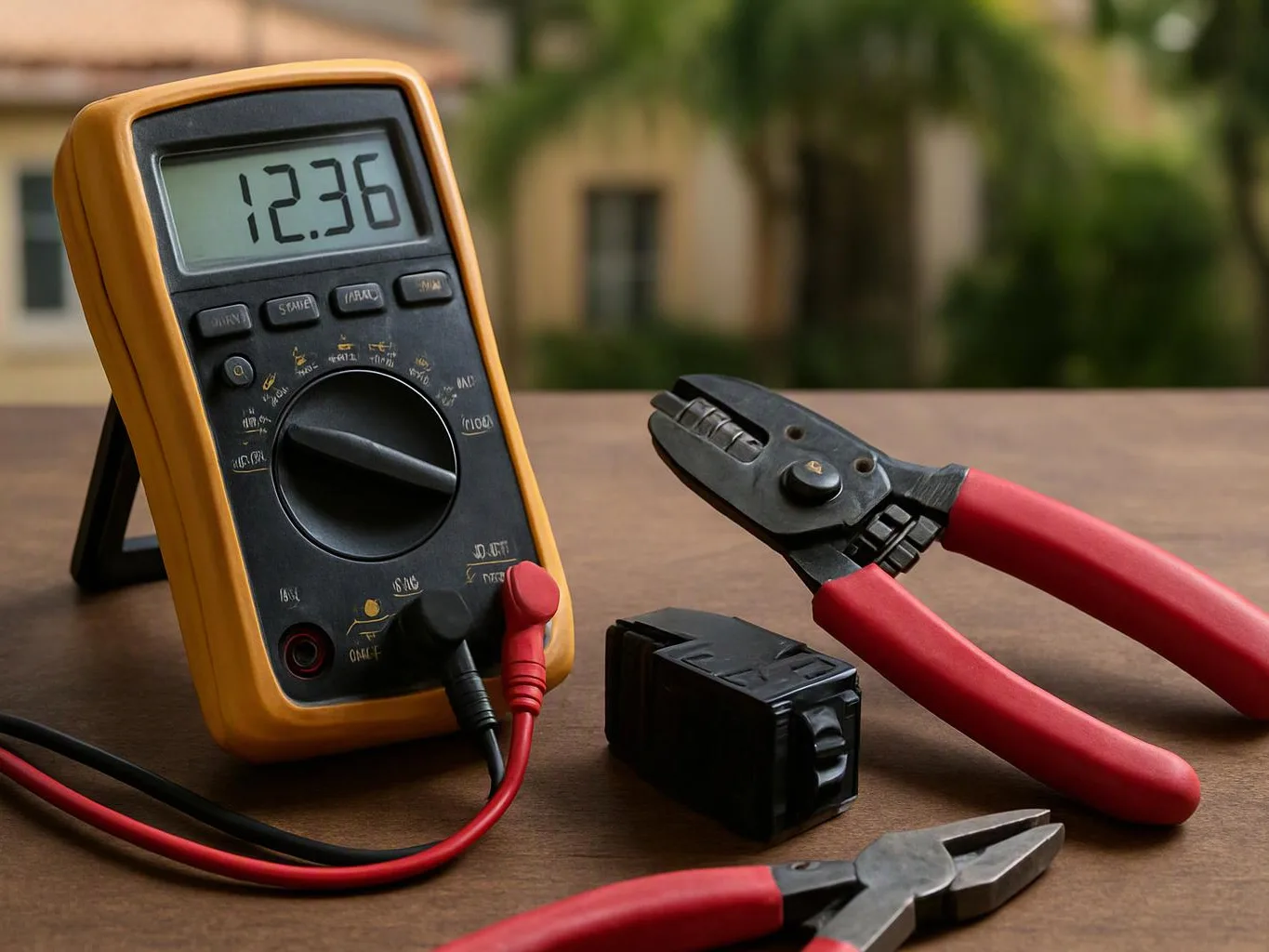
A repair fits when existing lights fail because of a damaged connection, faulty control, wiring issue, or fixture problem. We test the affected section before recommending new installation. Expansion makes more sense when the current system works but leaves important paths, trees, beds, walls, or water features without useful coverage.
Why do outdoor lights flicker after rain or cleaning?
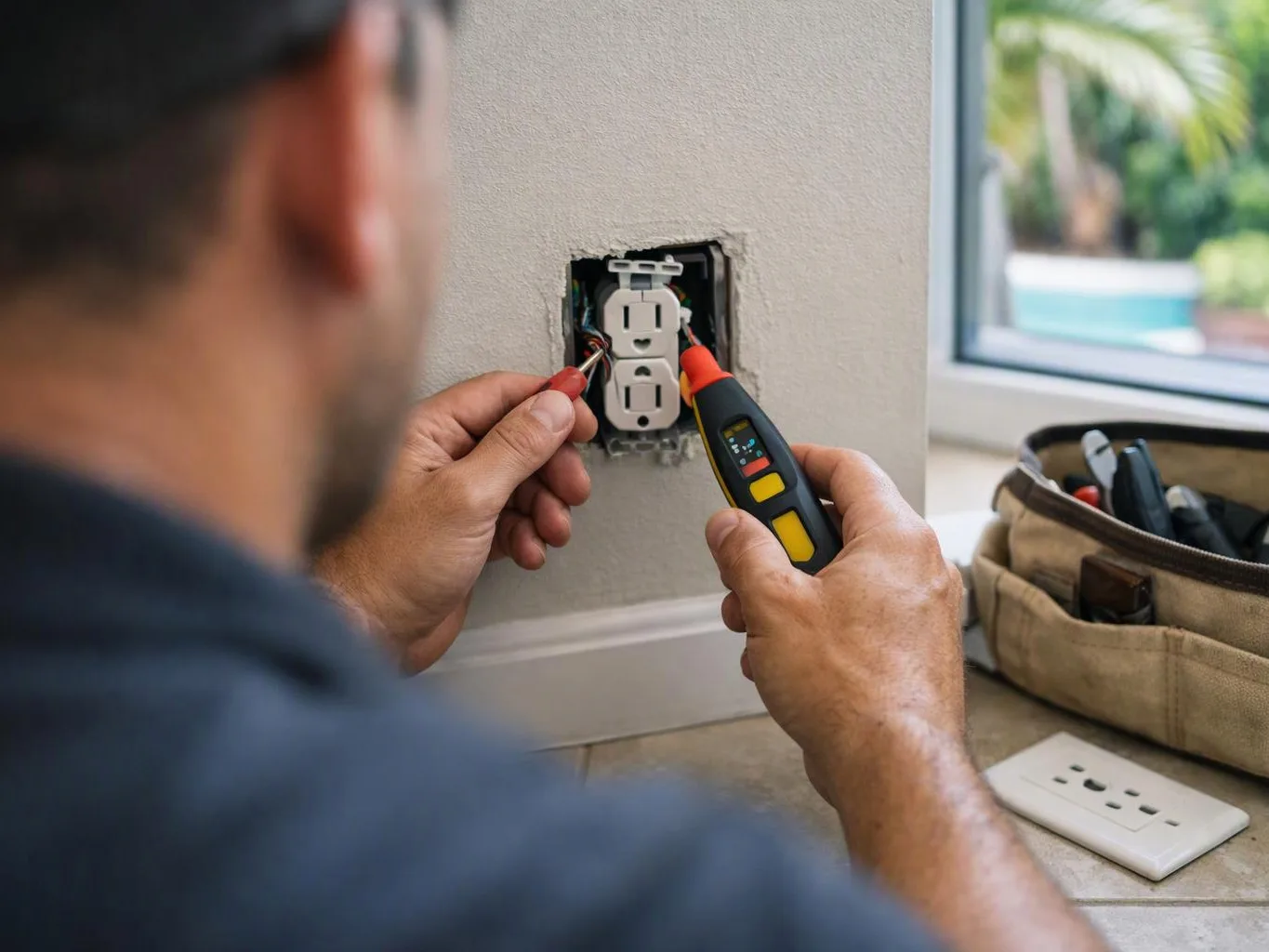
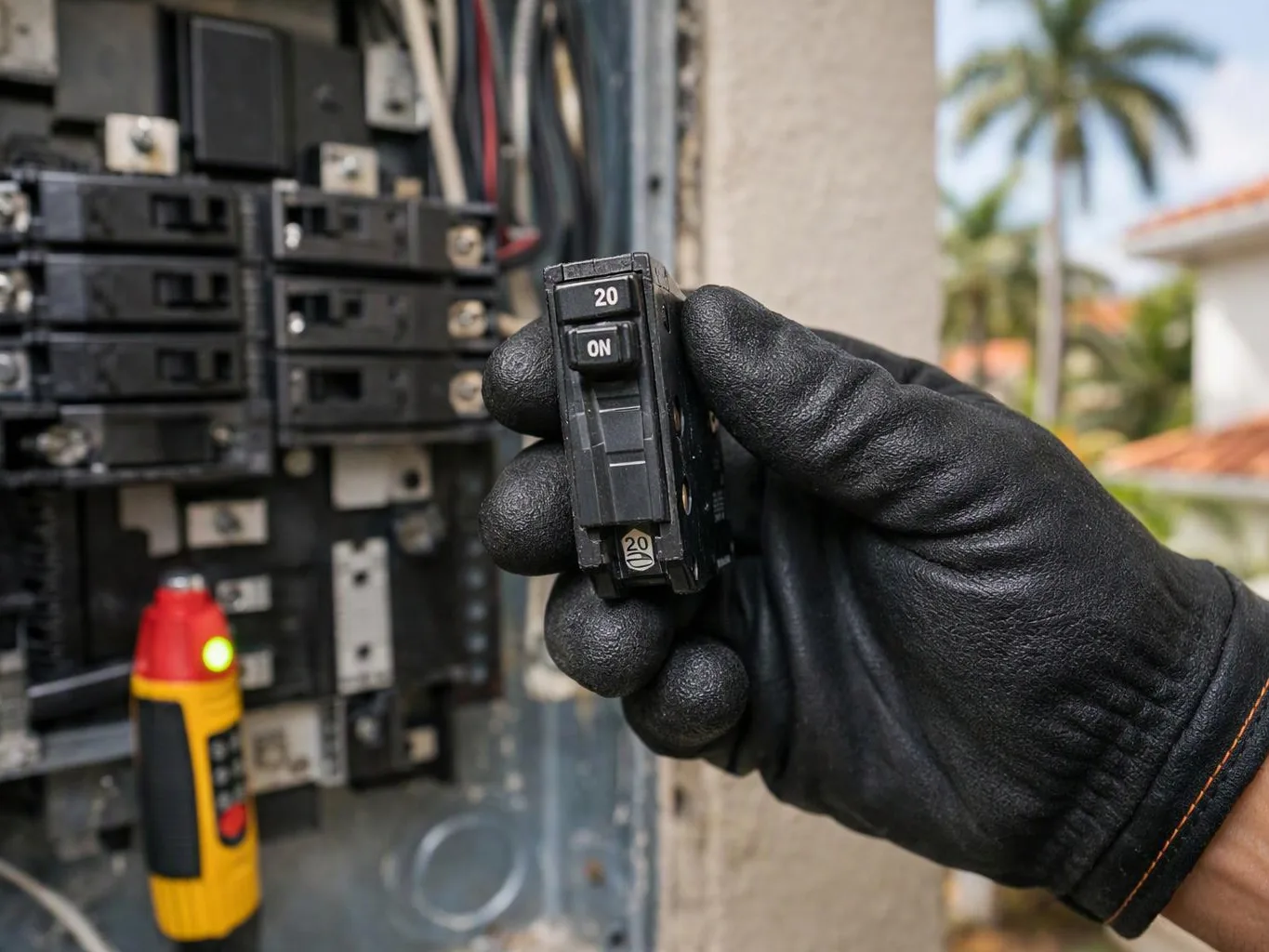
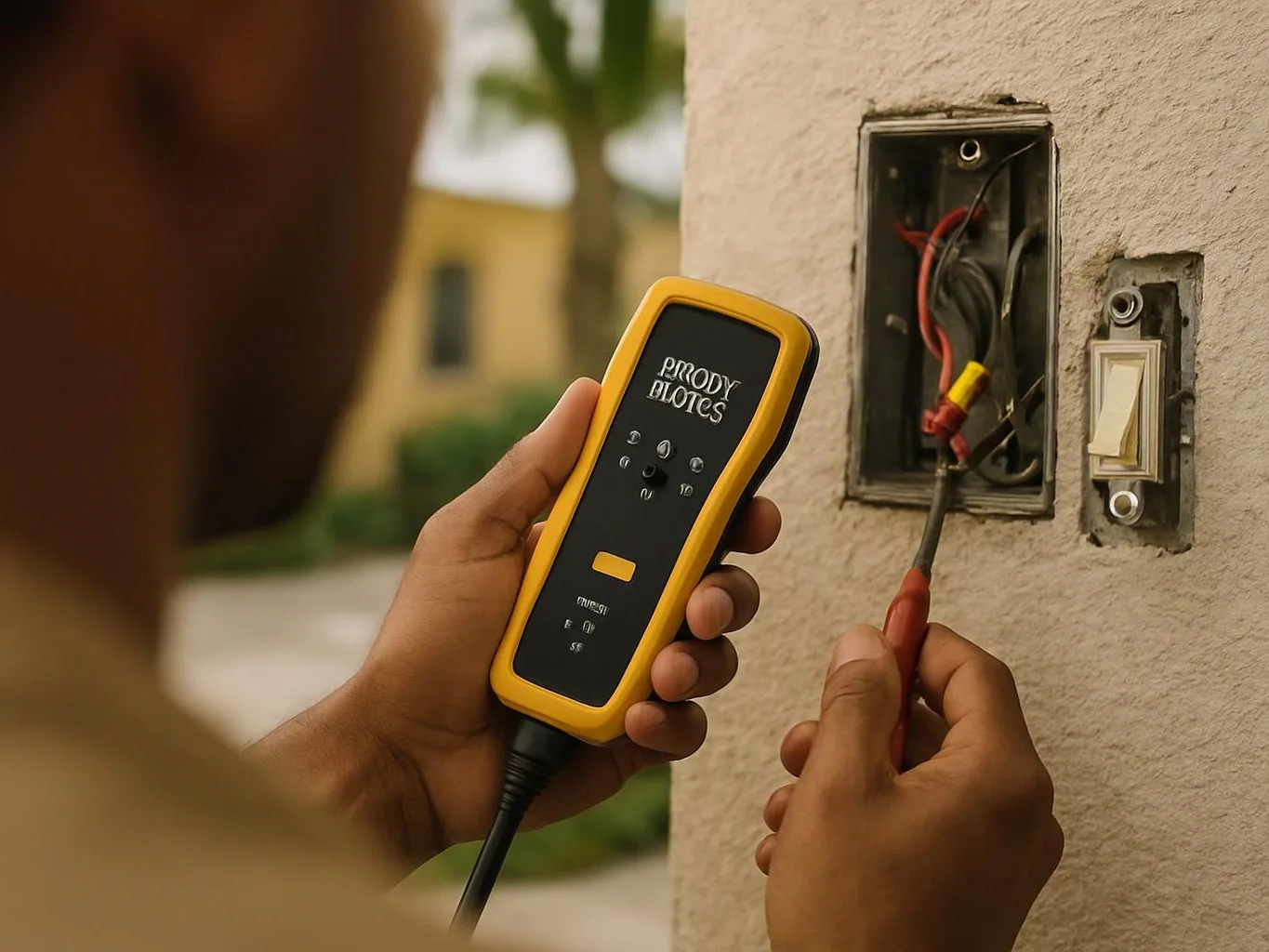
Flickering can point to a loose connection, damaged cable, moisture at a fixture, or a failing control. We isolate the affected section and inspect the fixture, connector, wiring, and power source. Avoid opening outdoor electrical connections yourself, and request an electrical inspection when the fault returns.
What should a customer ask before agreeing to the work?
Ask which areas the estimate includes, where each fixture will sit, how the wiring will run, and which repairs are separate. Earth Electric explains the proposed scope before work starts. You should also ask how glare, dark spots, controls, access, and future fixture changes will be handled.