How can an electrician make an electrical emergency safe?
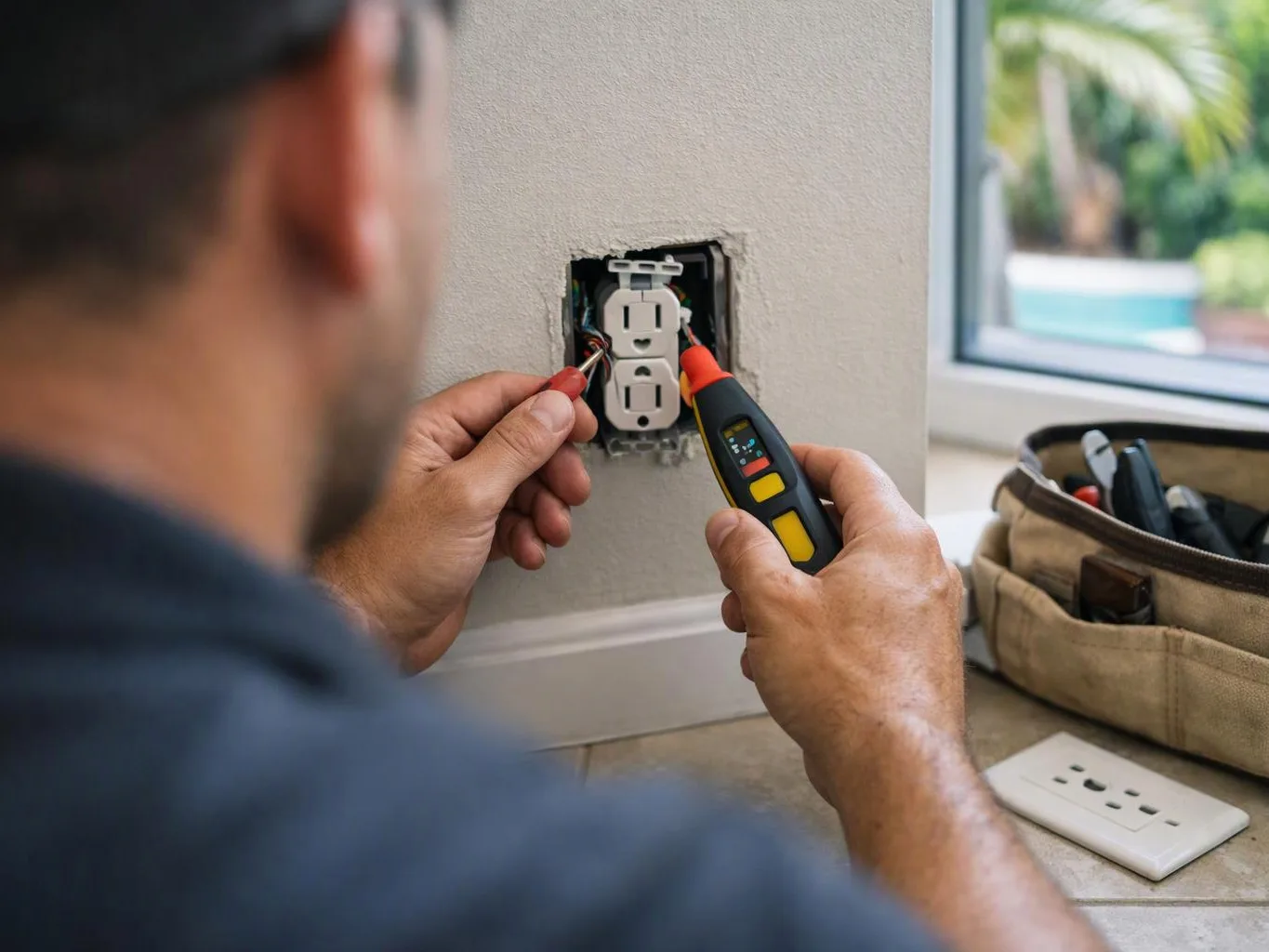
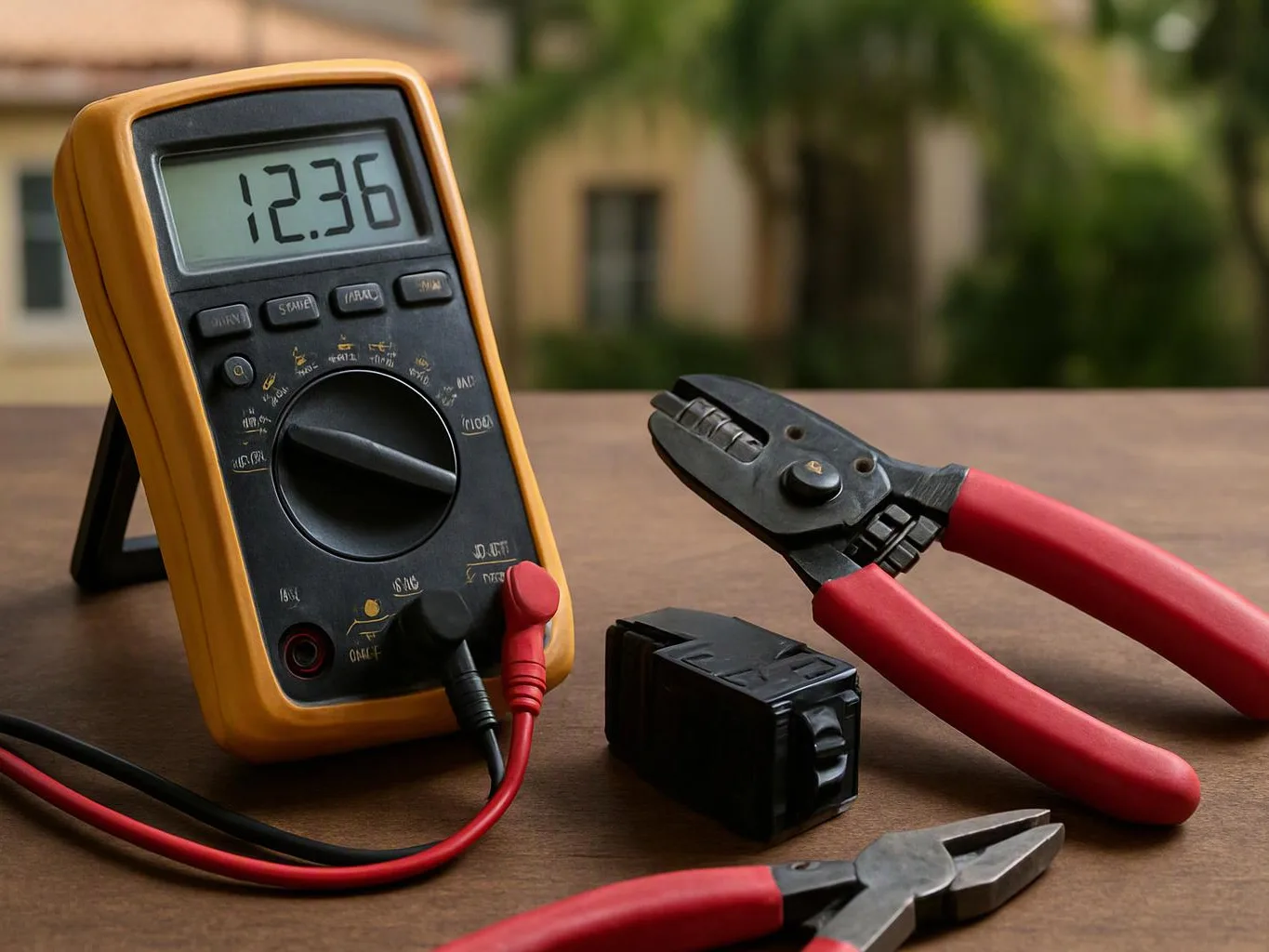
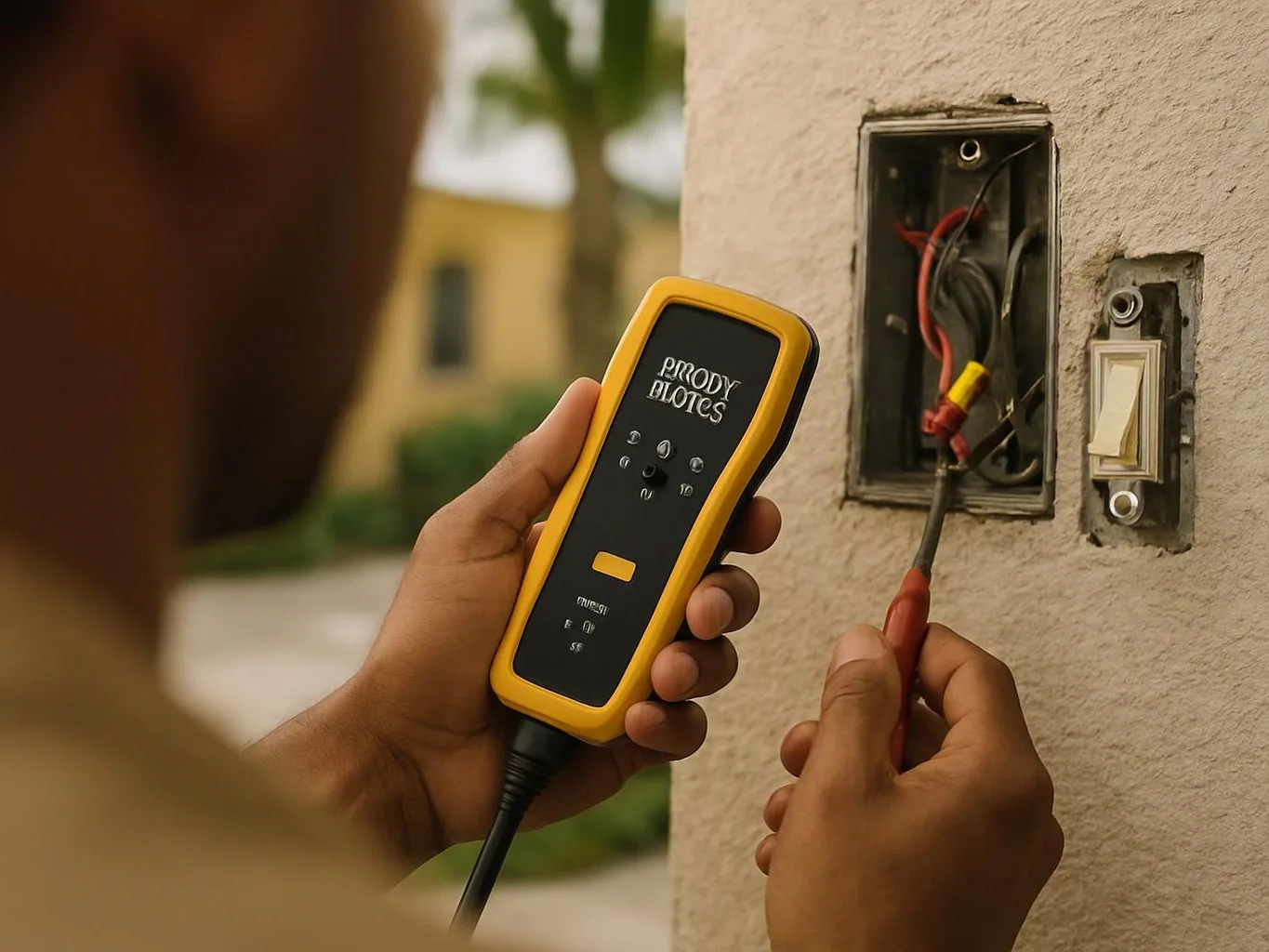
Circuit testing makes an electrical emergency safer by locating the affected circuit before repair. Earth Electric then isolates power, checks breakers and wiring, caps exposed conductors when needed, and replaces damaged outlets or switches. The repair scope follows the test results, so the visible symptom does not hide a wider fault.
What does a first emergency electrical visit include?
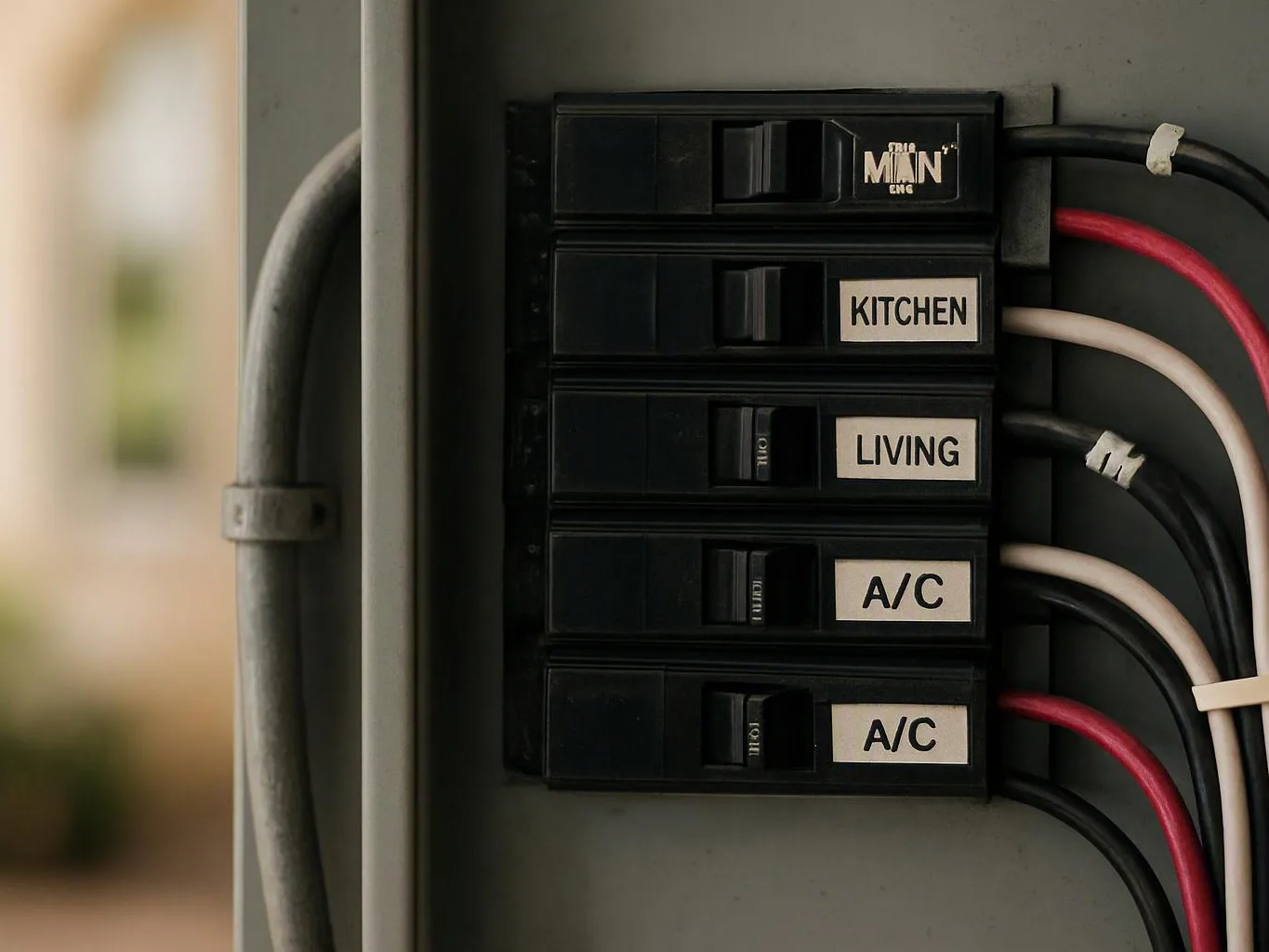
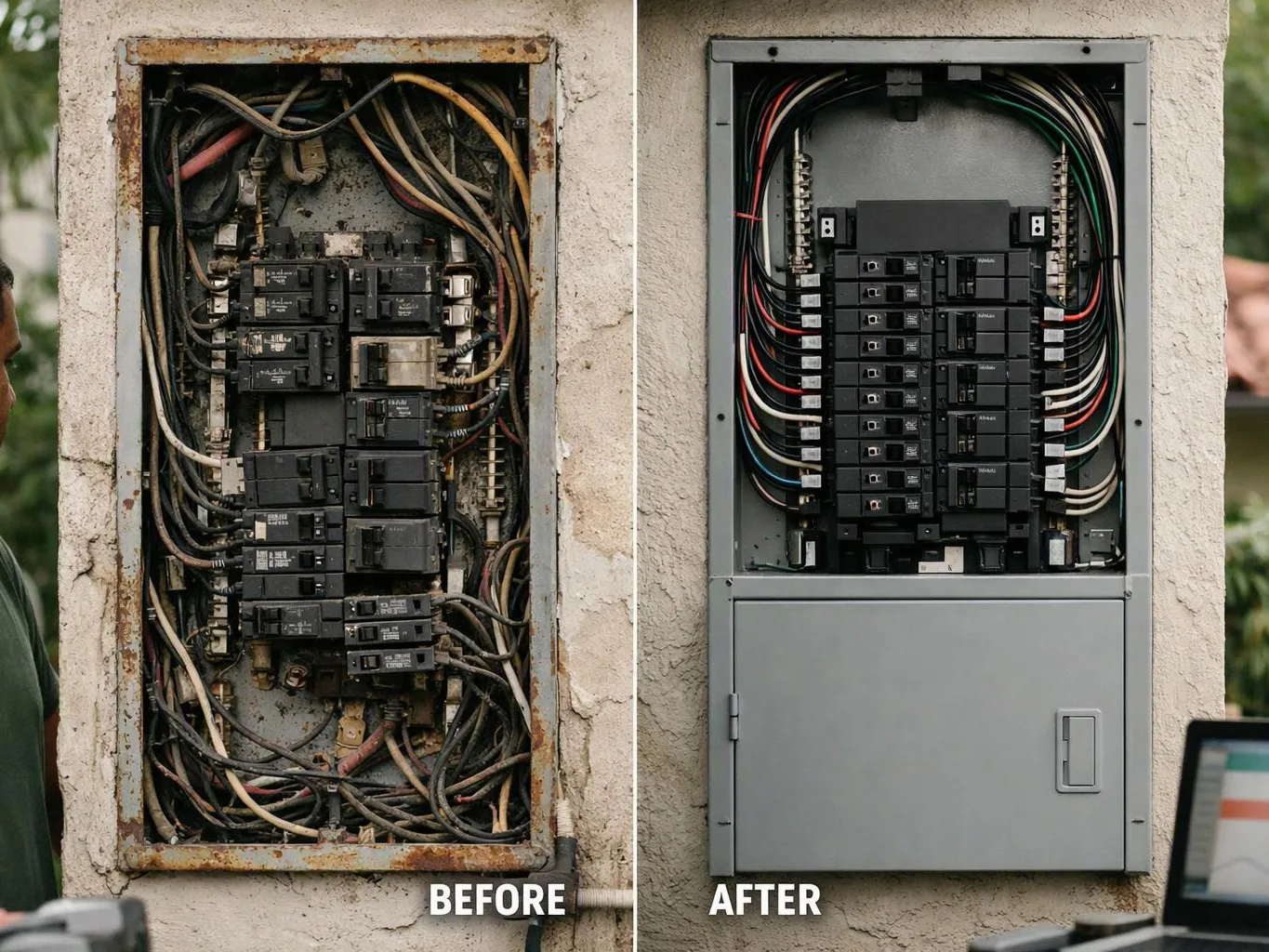
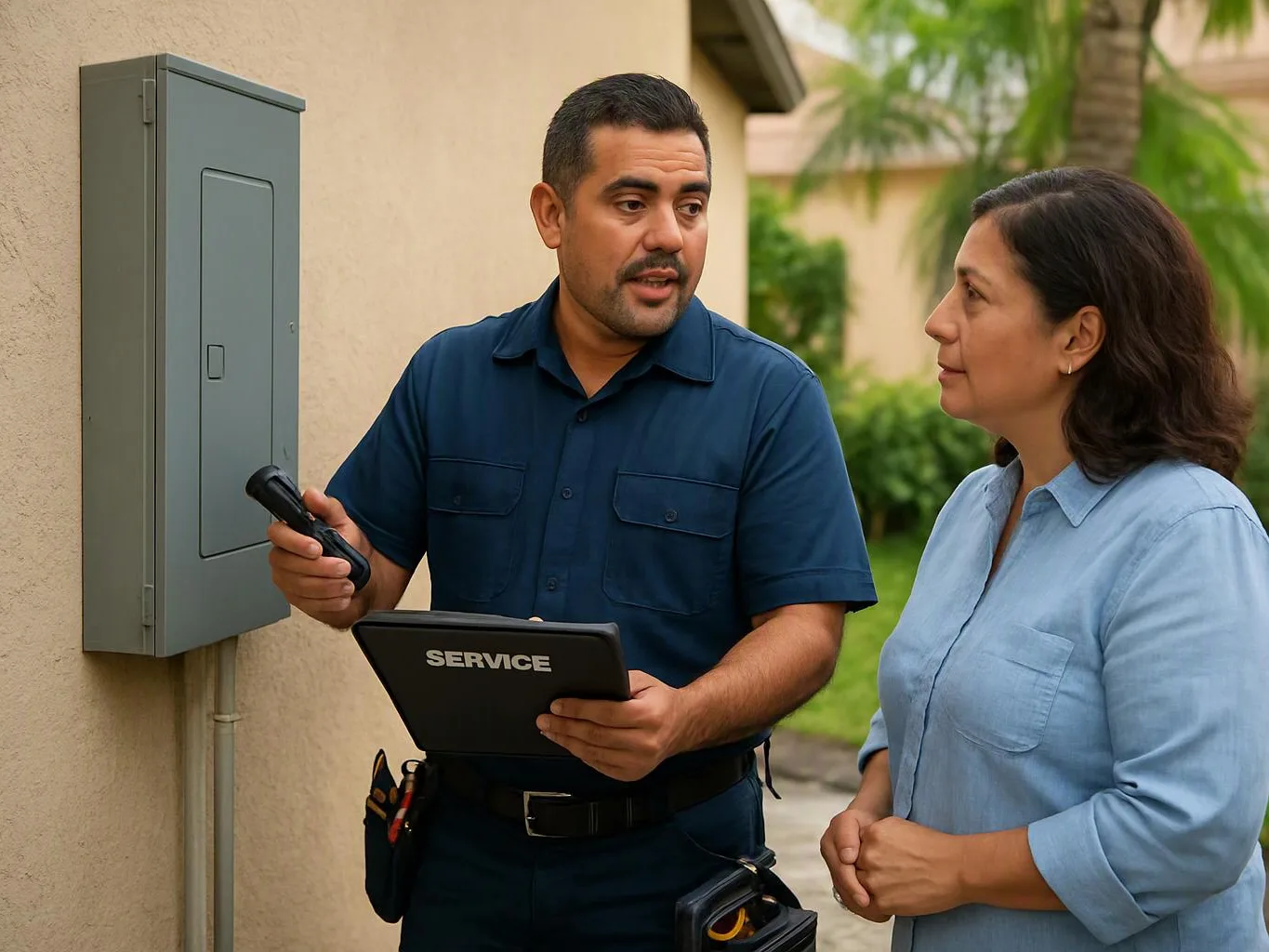
An emergency visit includes symptom review, circuit testing, inspection of affected parts, power isolation, and repair-scope guidance. We check the panel, breaker, outlets, switches, fixtures, and visible wiring as the fault requires. Free estimates are available when you need the expected work explained before approval.
Which material changes how long emergency electrical repair takes?
The damaged material changes the work time because an outlet, breaker, fixture, or concealed wire needs a different repair path. Copper wiring, terminal connections, insulation, and panel parts also affect access and testing. We identify the failed part first, then explain the work needed for that material and location.
How does an emergency electrical visit move from the first call to the last step?
The visit moves from symptom review to circuit testing, power isolation, repair, and a final explanation. We first identify the affected area and safety concern. Then we check the circuit and parts, complete supported repairs, and explain any remaining troubleshooting or installation needs.
Why does a circuit breaker keep tripping after a reset?
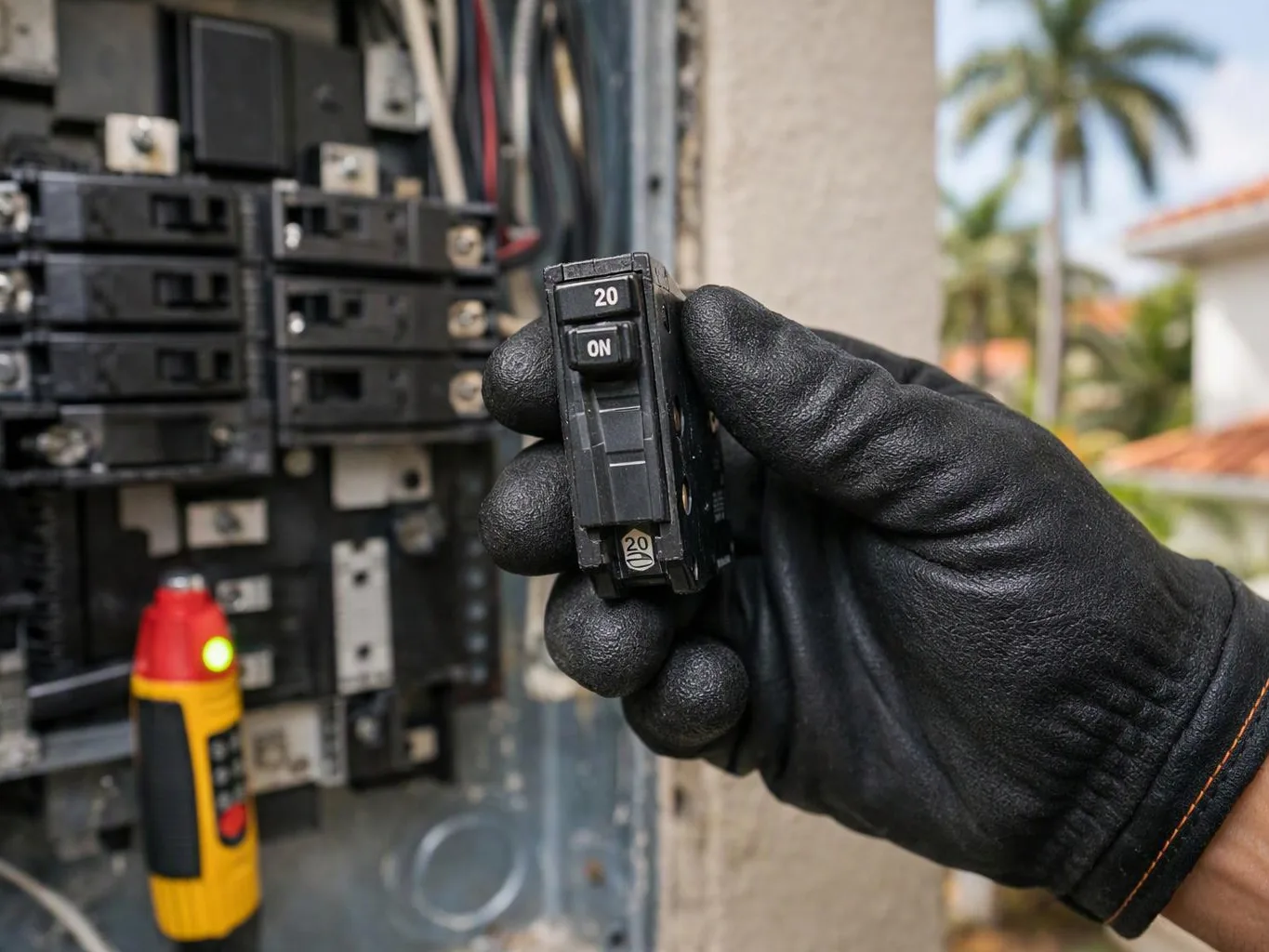
A breaker keeps tripping when an overload, short circuit, damaged wire, or faulty breaker remains active. Repeated resets can leave the fault unresolved and increase risk. We inspect the circuit, connected outlets, wiring, and protective device before deciding whether the breaker or another part needs repair.
When should a property owner choose emergency electrical repair?
Emergency electrical repair fits a property with an active safety concern, sudden power loss, repeated breaker trips, damaged wiring, outlet heat, or lighting failure. We assess the symptom and affected circuit first. Planned installation work fits better when the property has no active fault and the owner wants new equipment or upgrades.
Which repair parts may need replacement after a fault?
A damaged outlet, switch, breaker, fixture, wire connection, or protective part may need replacement after testing. We replace only the part that fits the diagnosed fault and repair scope. A wider wiring issue needs further troubleshooting before the property returns to normal use.