Questions About Faulty Wiring Repair
What does a wiring repair visit include?
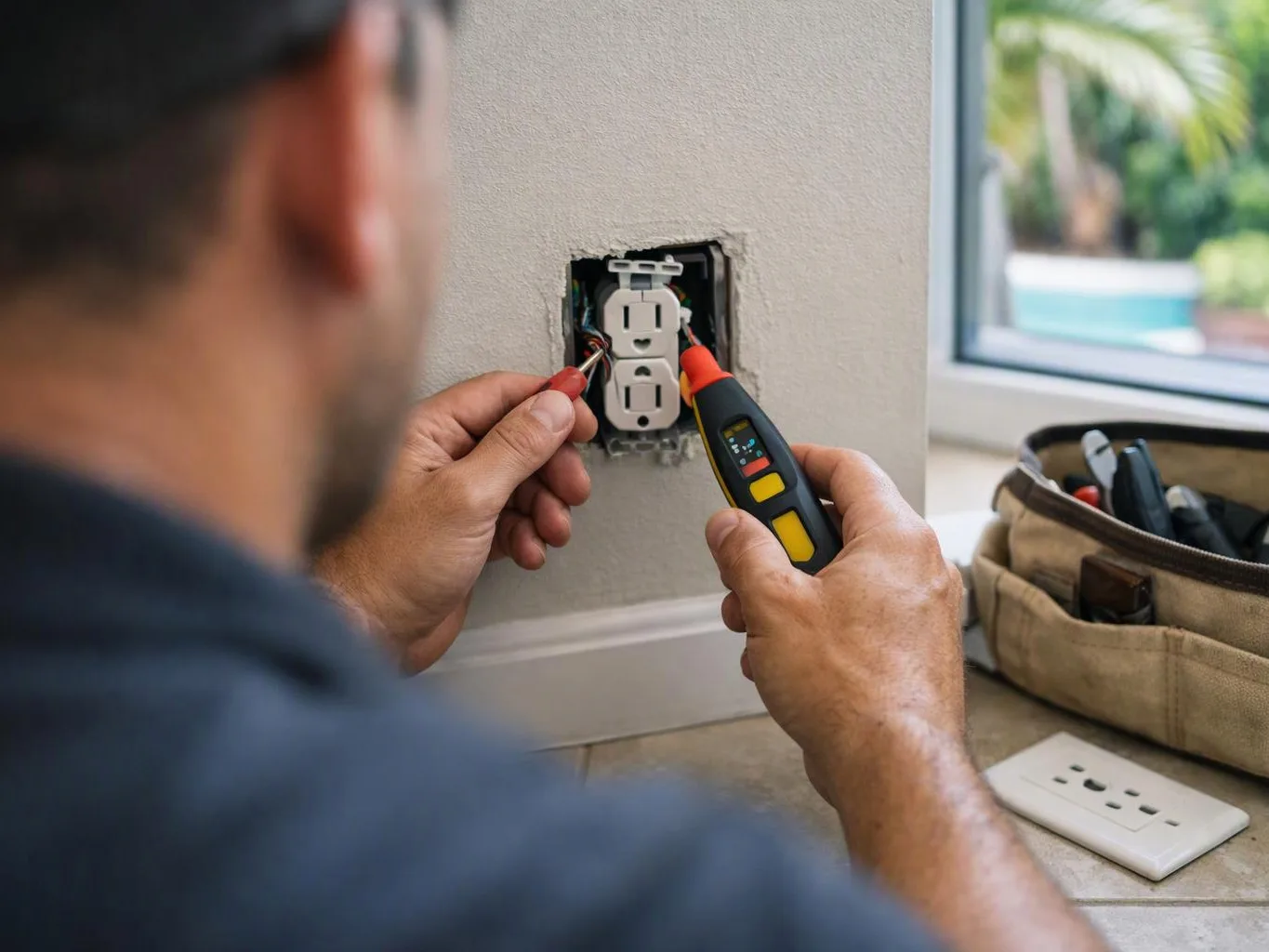
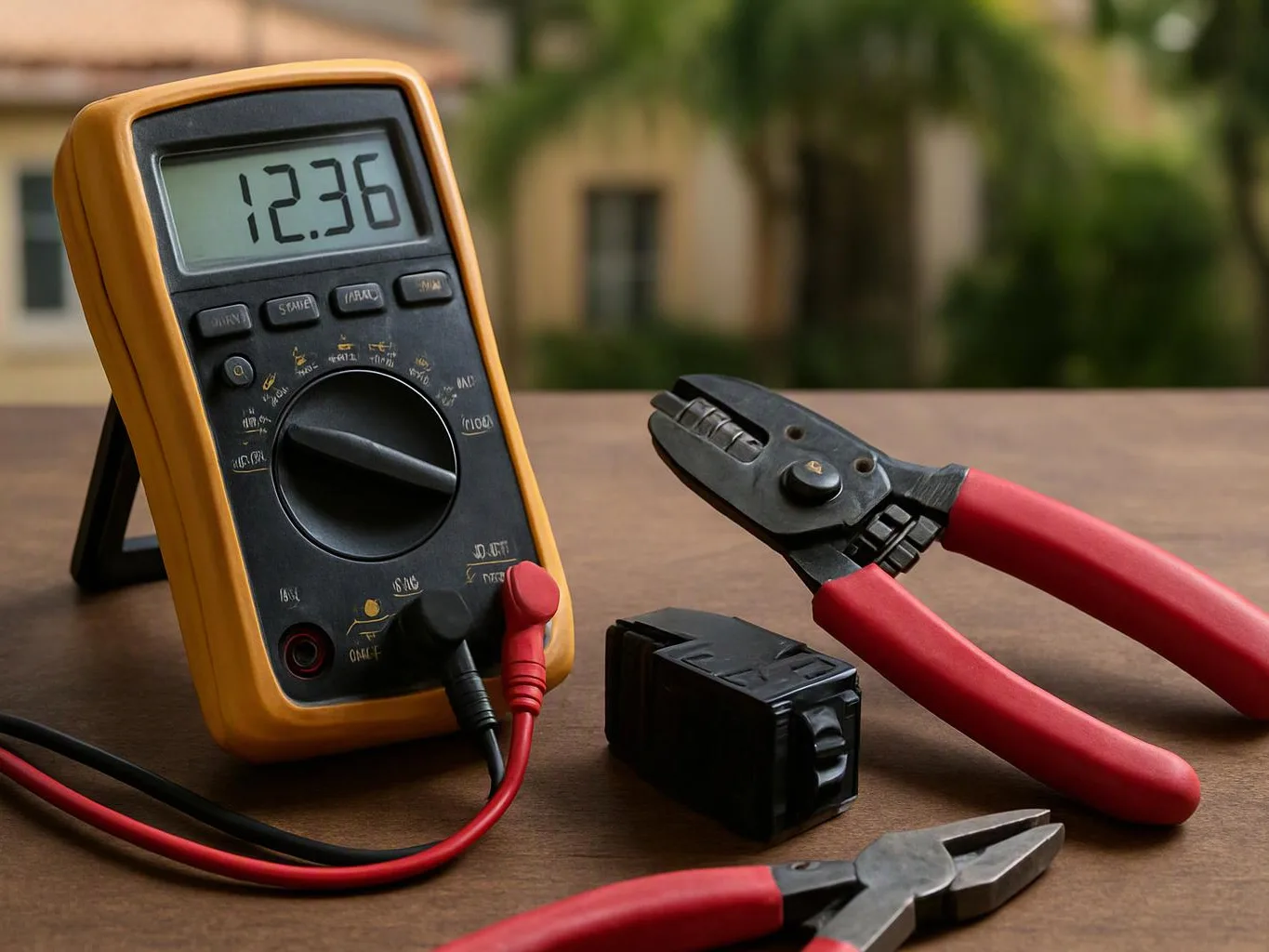
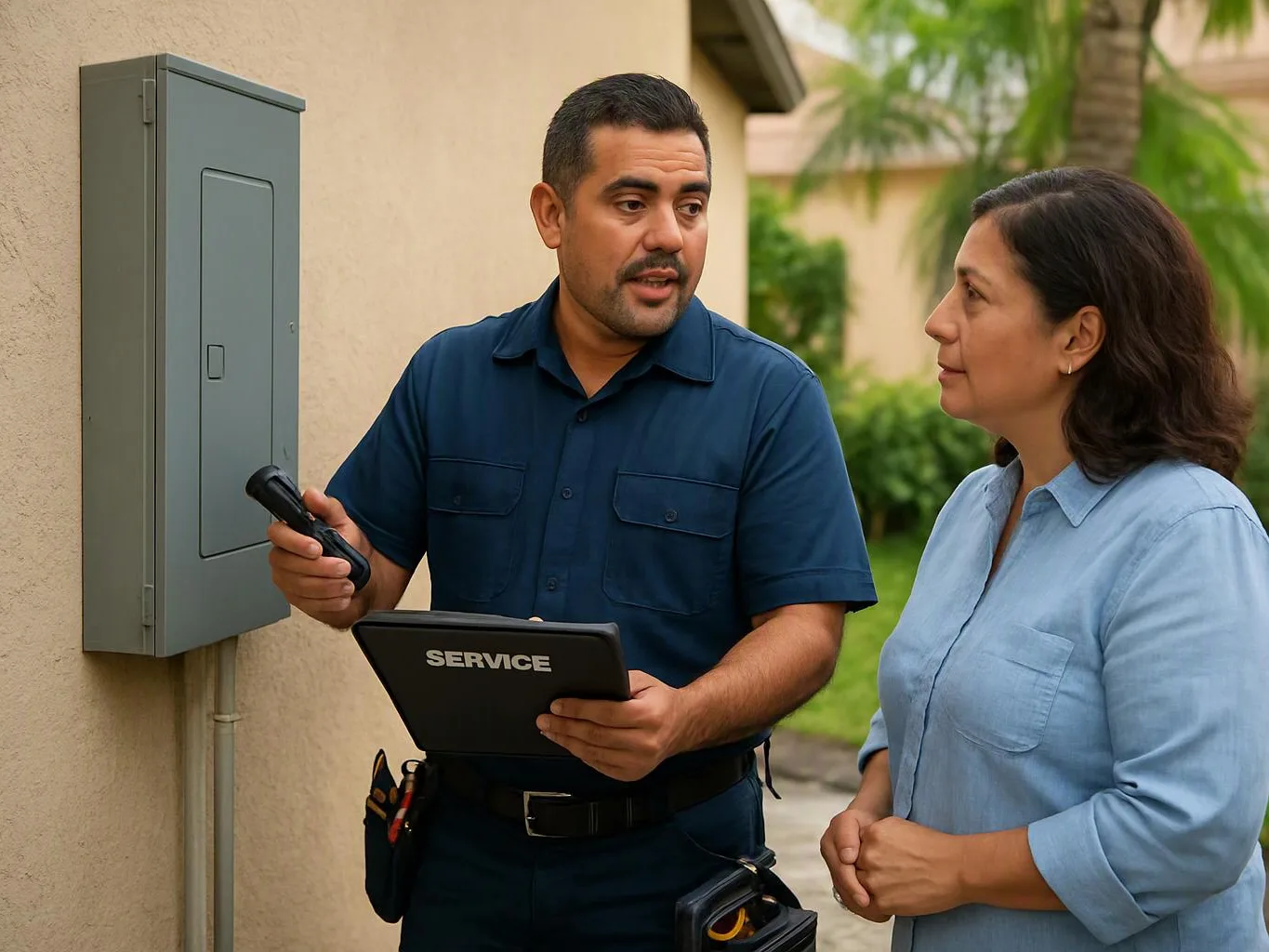
A wiring repair visit includes symptom review, circuit isolation, testing, fault tracing, and a repair scope. We check the affected breaker, wiring, outlets, switches, or lights. Customers receive an explanation of the work needed before repair begins, and larger installation needs are separated from the original fault.
Which part of the property decides the wiring repair scope?
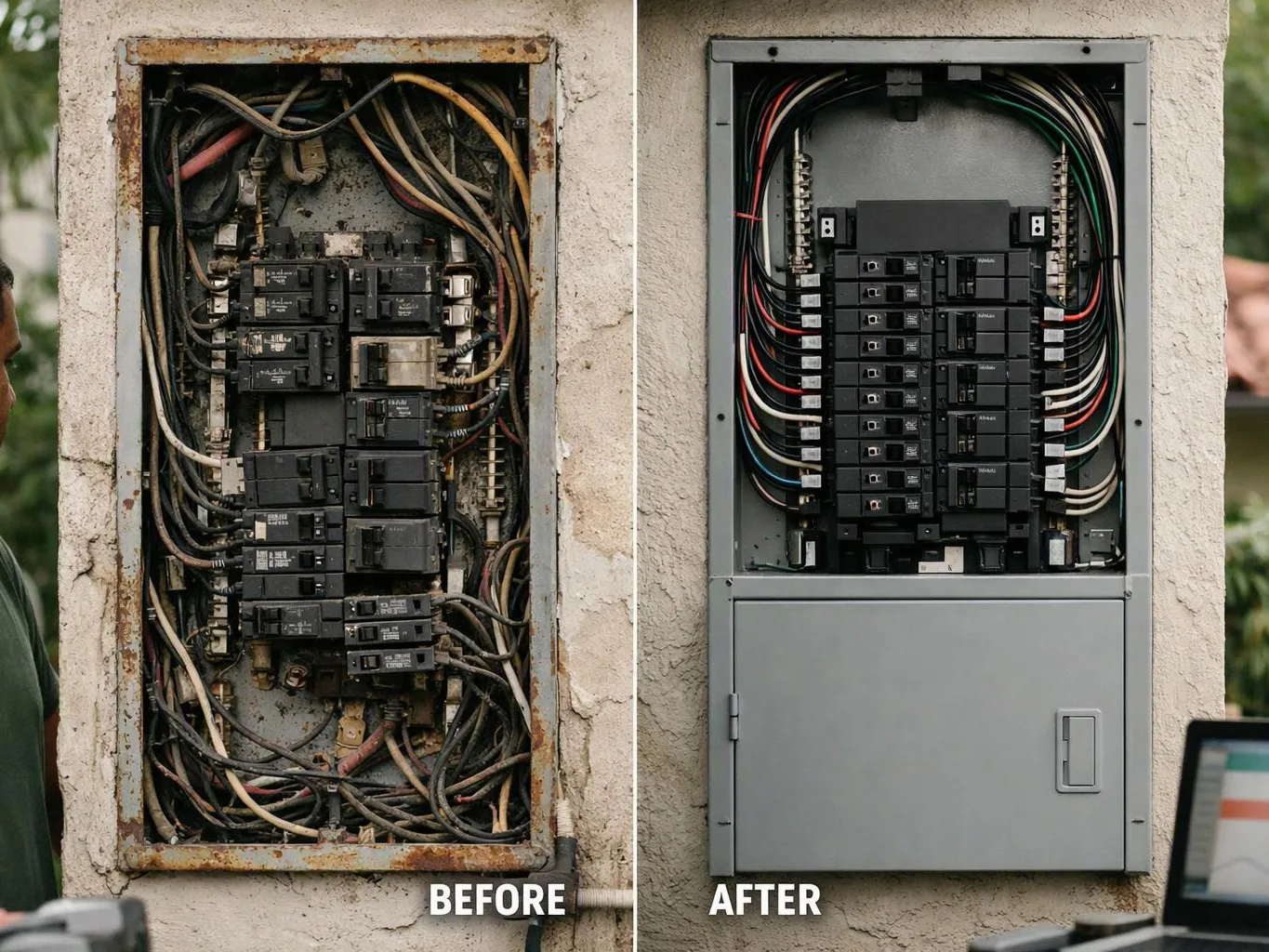
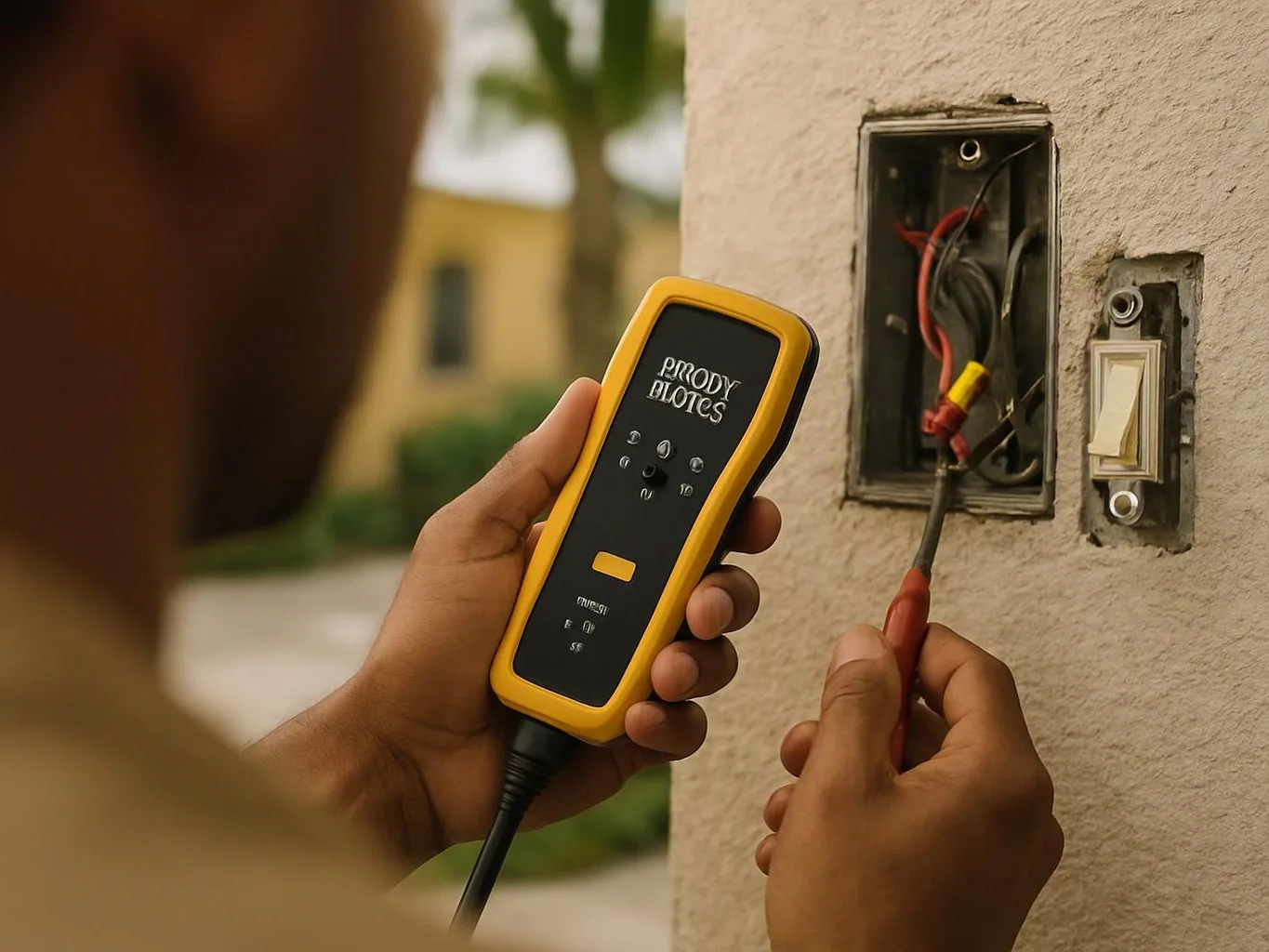
The affected circuit and the location of its damaged connection decide the wiring repair scope. We check the panel, breaker, devices, wire path, and access conditions. A fault near an outlet may need a local repair, while concealed damage across a circuit can require more access or new wiring.
When does wiring repair become a larger installation?
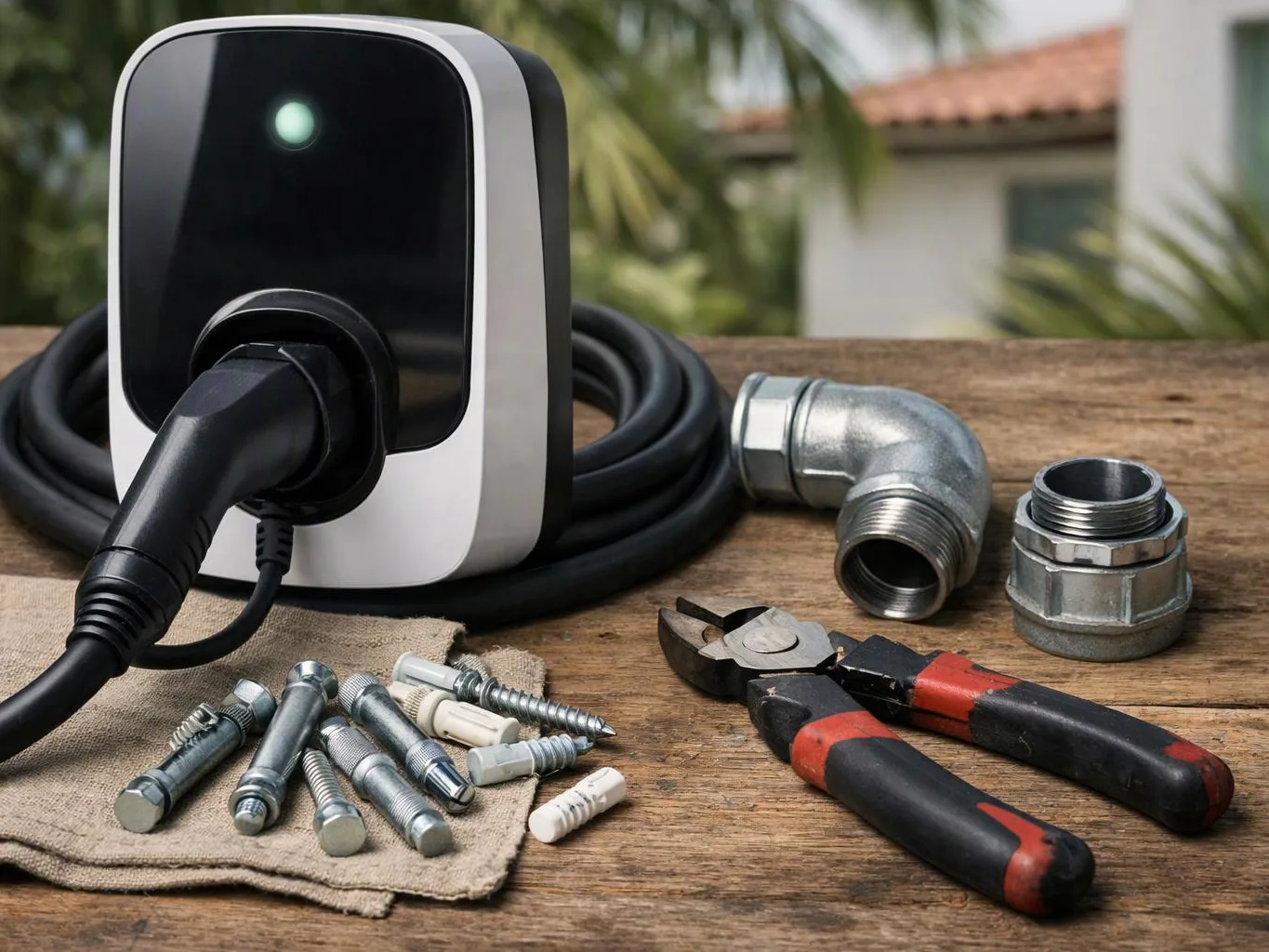
Wiring repair becomes a larger installation when the property needs new circuits, added capacity, a panel upgrade, or replacement beyond the faulty section. We explain that change after testing the existing circuit. The final scope follows the electrical layout, equipment needs, and work required for safe operation.
Why does a breaker keep tripping after a wiring repair?
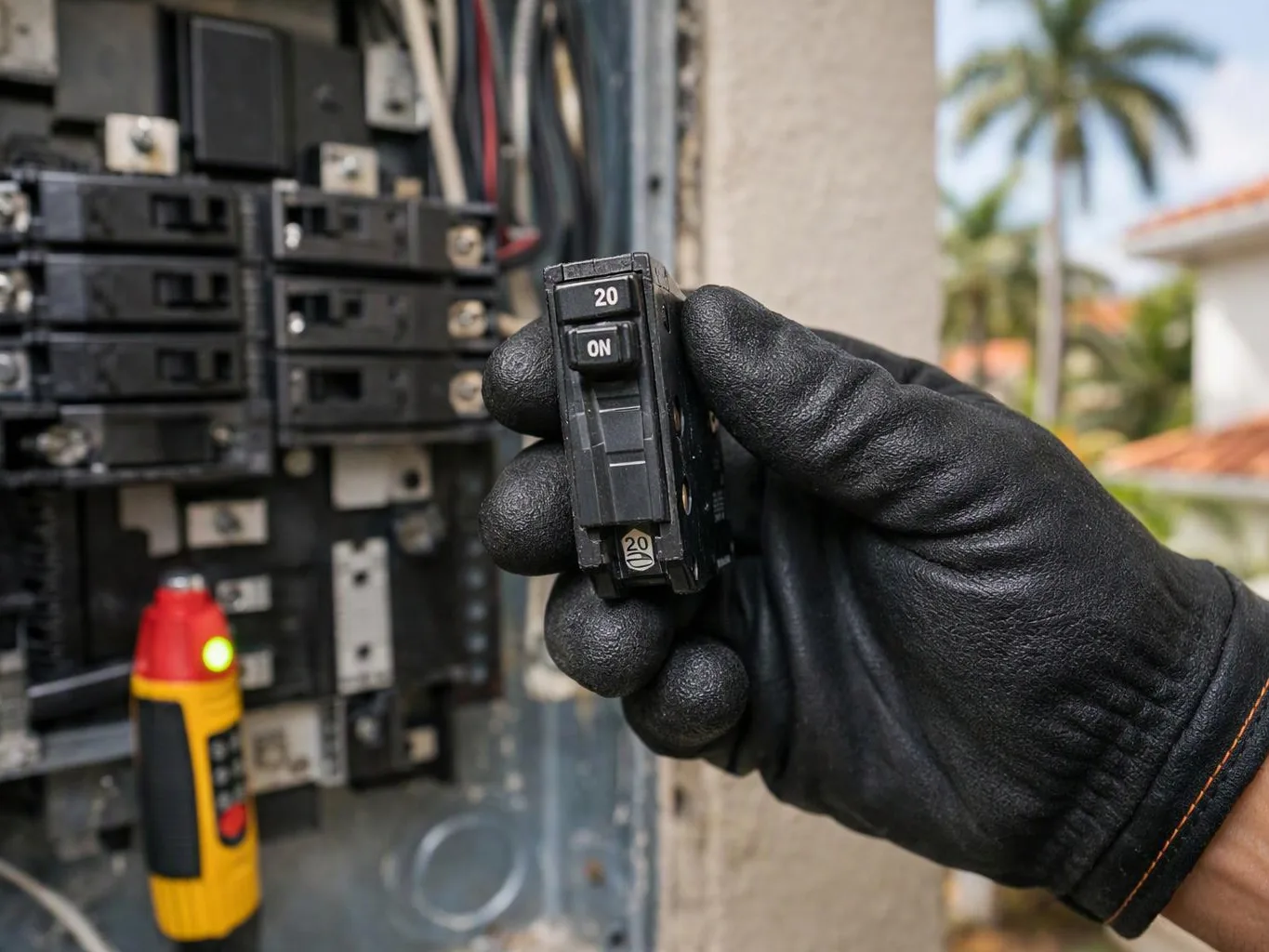
A breaker can keep tripping when a short, overload, damaged wire, or connected device fault remains. We isolate the circuit and test the breaker, wiring, and devices before resetting it. Customers should stop repeated resets if the breaker trips again, especially when heat, sparks, or a burning smell is present.
How can a customer tell whether wiring repair fits the property?
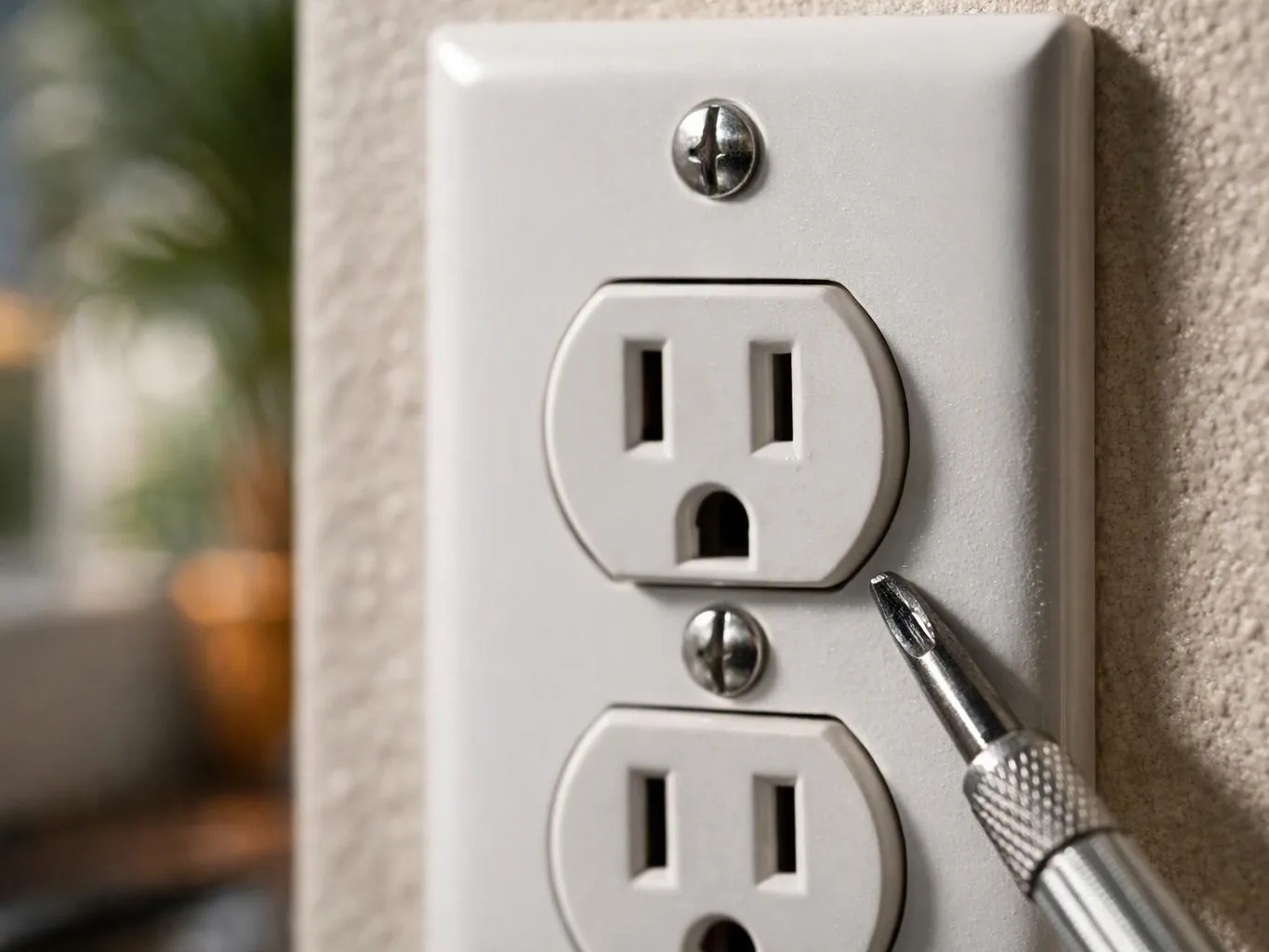
Wiring repair fits a property when an existing circuit has a fault that testing can isolate and correct. We assess homes and businesses, including outlets, switches, lights, breakers, and concealed conductors. New power points, new circuits, and panel changes need an installation scope instead of a simple repair.
What should I do before electrical wiring repair starts?
Customers should stop using the affected outlet, fixture, or circuit when it shows heat, sparks, smoke, or a burning odor. Keep the area clear and note which devices lost power. We can then isolate the circuit, inspect the reported symptoms, and decide which tests and access steps fit the job.