Which tools are used for electrical troubleshooting?
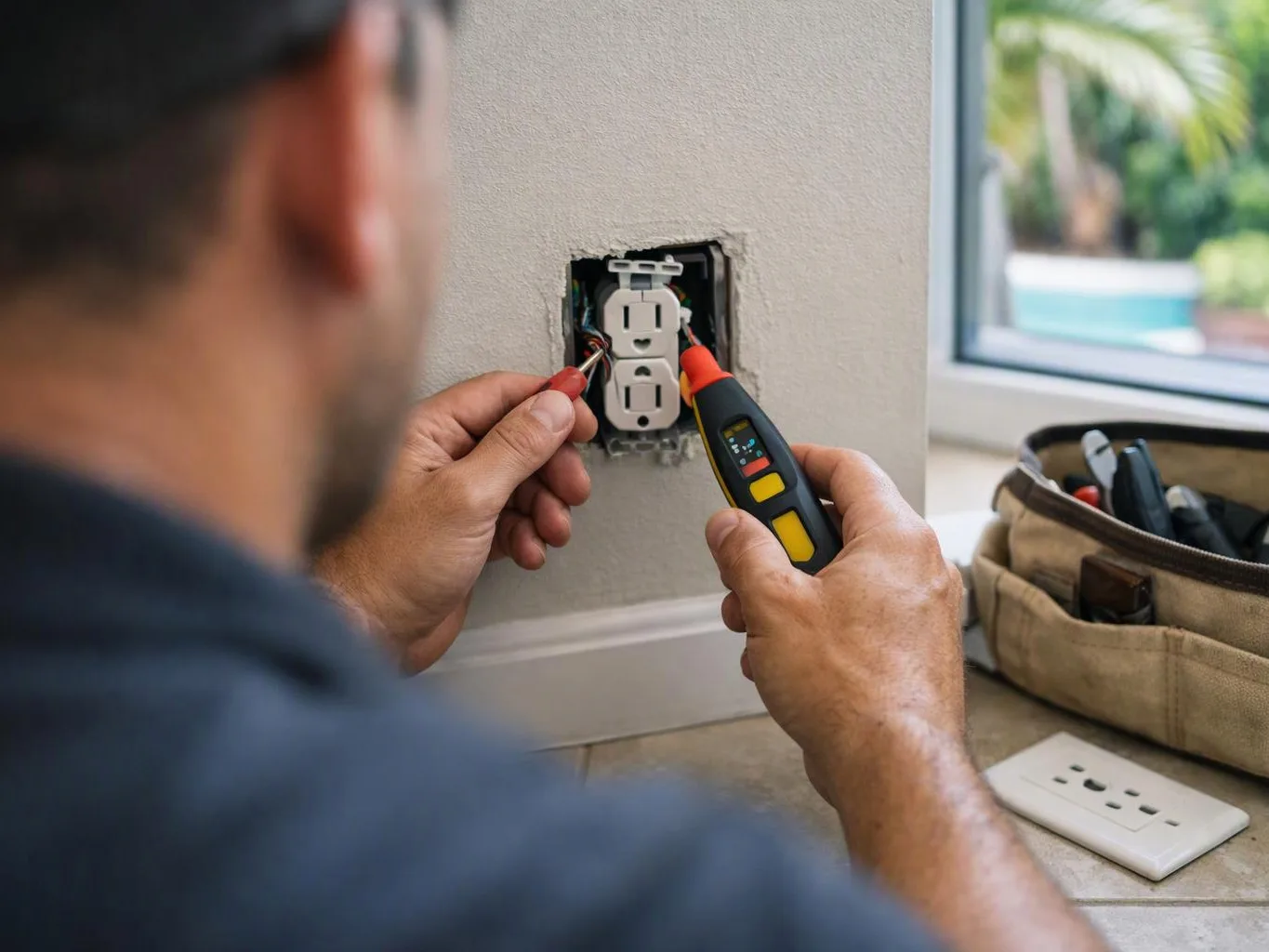
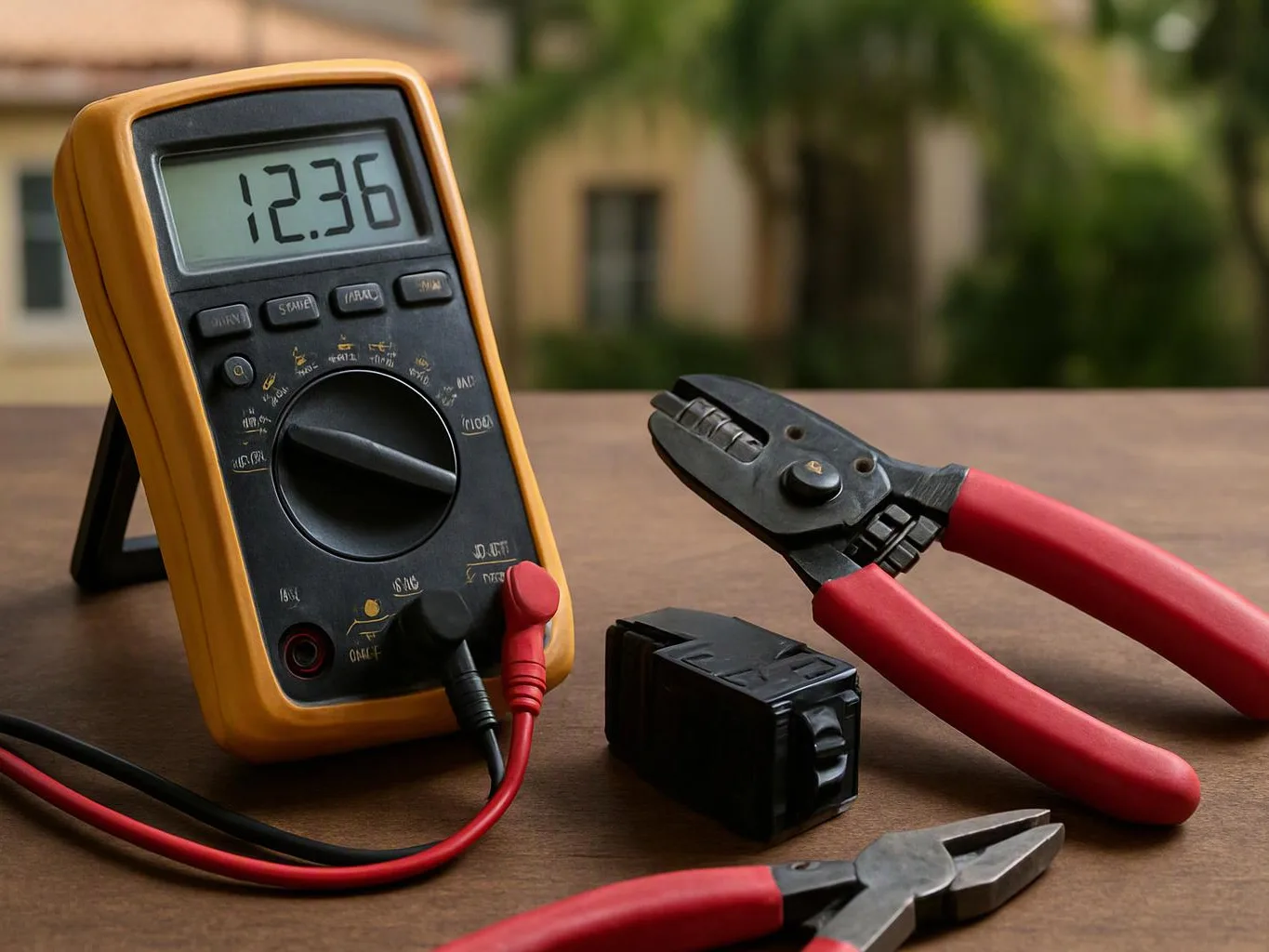
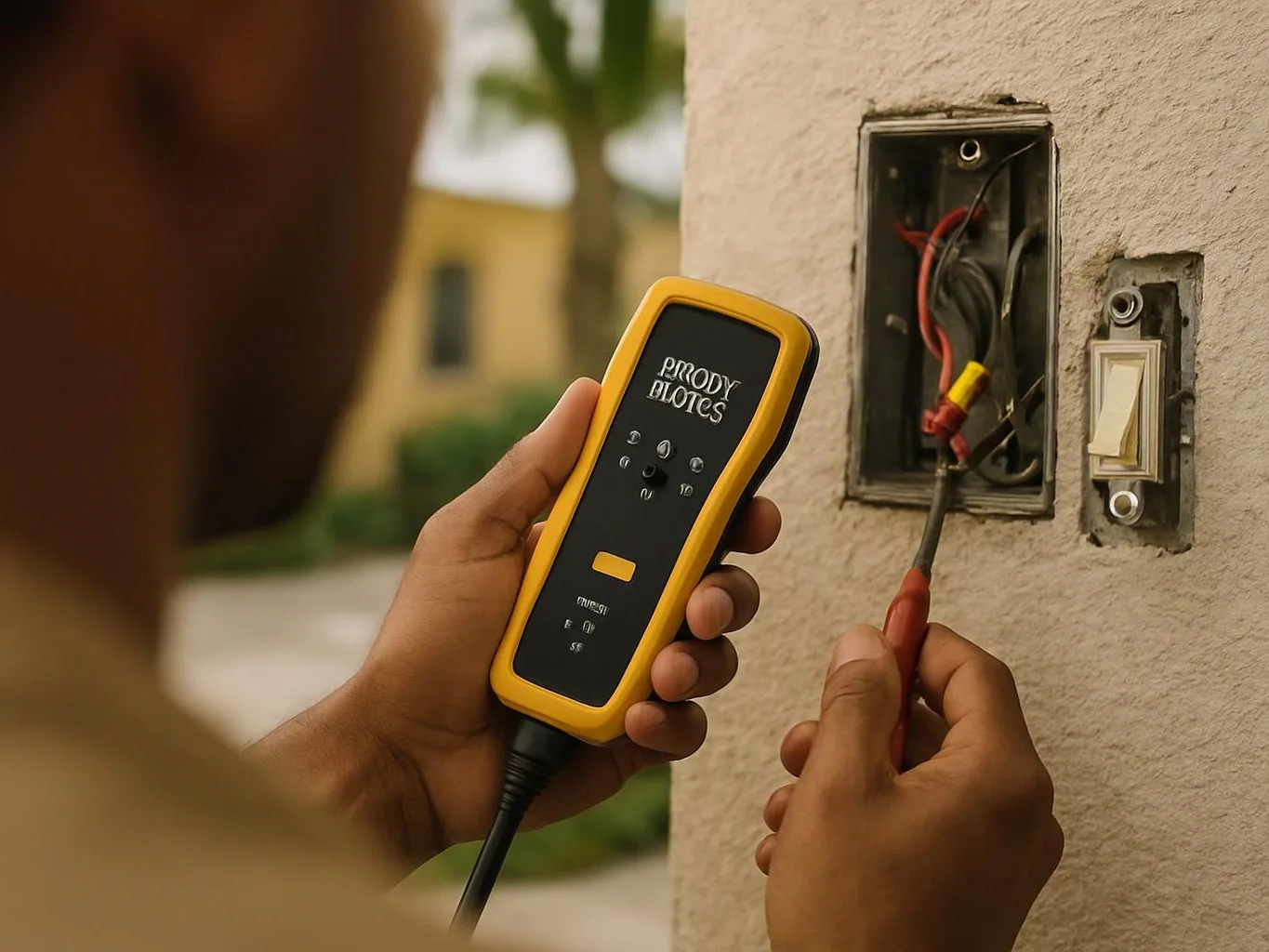
A circuit tracer helps locate the affected circuit, while other tools confirm voltage, current, and heat. Earth Electric may use a multimeter, clamp meter, voltage detector, and thermal camera. The tool choice follows the symptom and the circuit condition, so testing remains focused on the suspected fault.
What should I ask before agreeing to troubleshooting work?
The customer should ask which circuit was tested, what fault was found, and which repair the estimate covers. The estimate should also identify parts, access needs, and any related safety concern. Earth Electric explains the diagnosed issue and proposed scope before approved repair work begins.
Which property condition changes the time needed for diagnosis?
Limited access to the panel, concealed wiring, multiple affected circuits, or an unsafe area can expand the diagnostic work. We first identify the accessible circuit path and isolate unsafe parts. Photos of the panel, outlets, and visible damage can help us prepare for the assessment.
How is troubleshooting matched to a property before work starts?
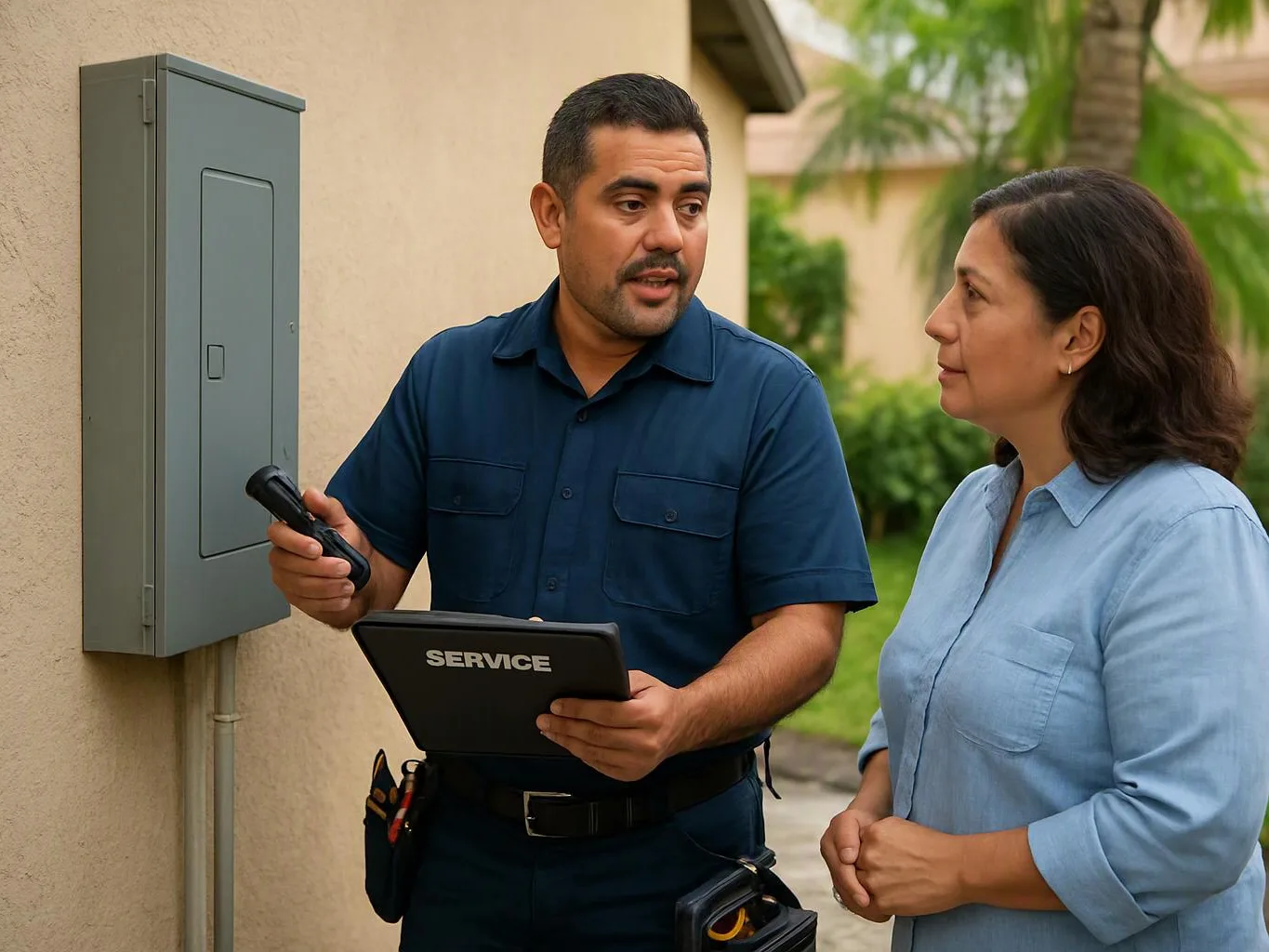
The property type, electrical symptom, panel access, and affected equipment guide the testing plan. A home with one dead outlet needs a different circuit check than a business with equipment loss across several circuits. We review those details before setting the assessment and repair scope.
When should I stop resetting a tripped breaker?
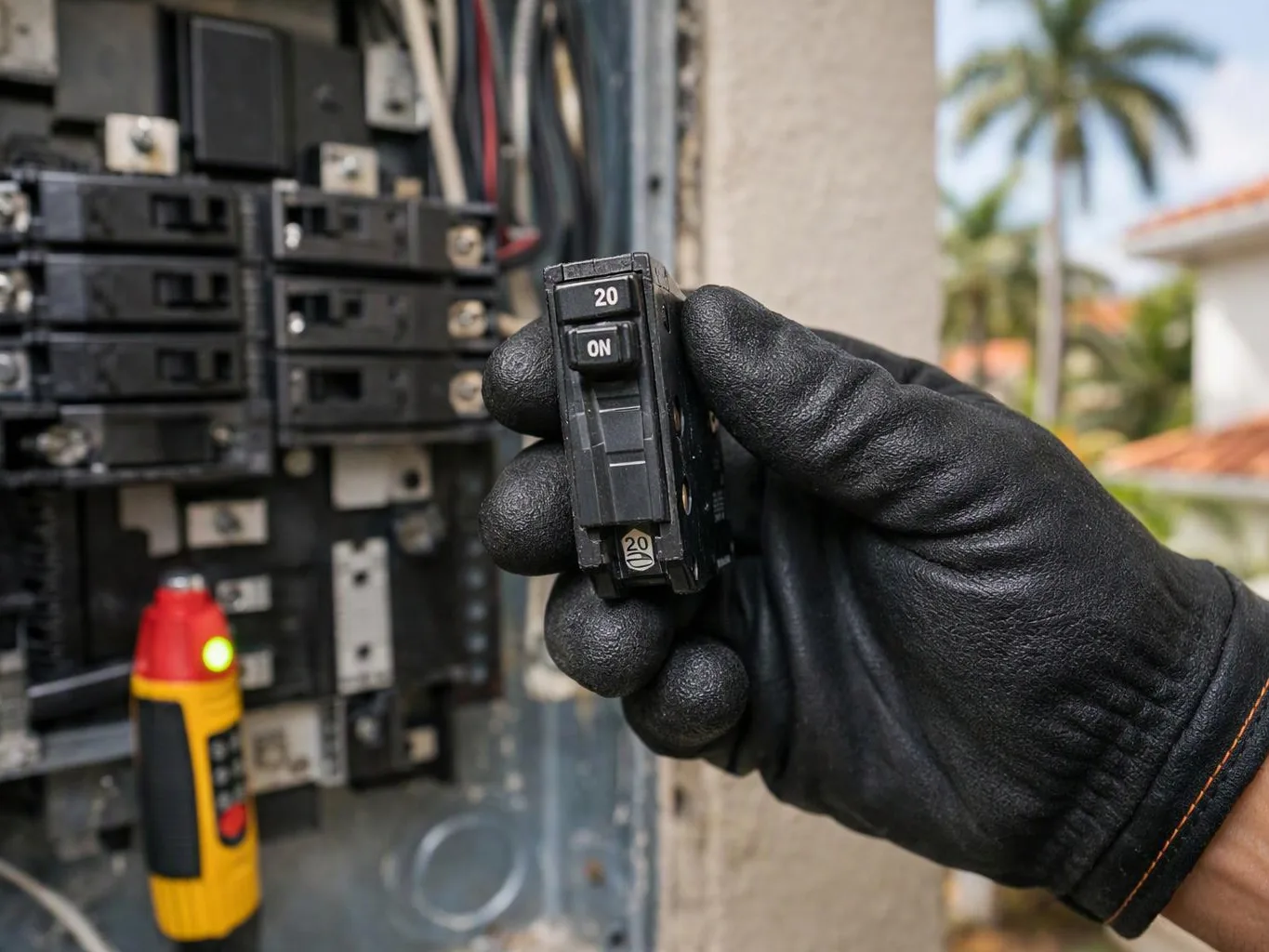
Stop resetting a breaker when it trips again, feels warm, smells burnt, or shows visible damage. Repeated resets can leave an underlying overload or fault unaddressed. Turn off equipment on the circuit and keep people away from damaged parts until Earth Electric checks the panel and wiring.
Can troubleshooting include a panel or breaker repair?
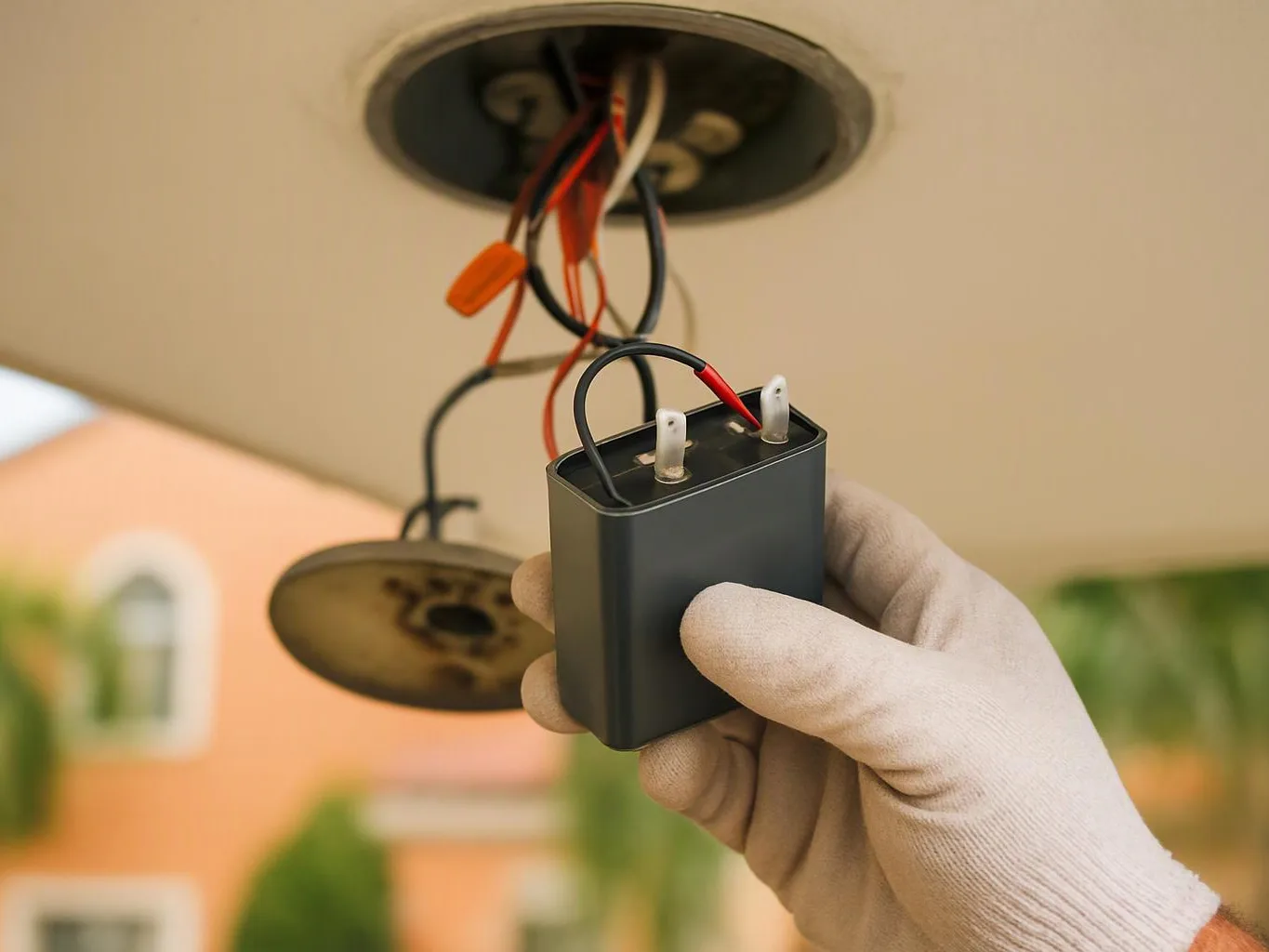
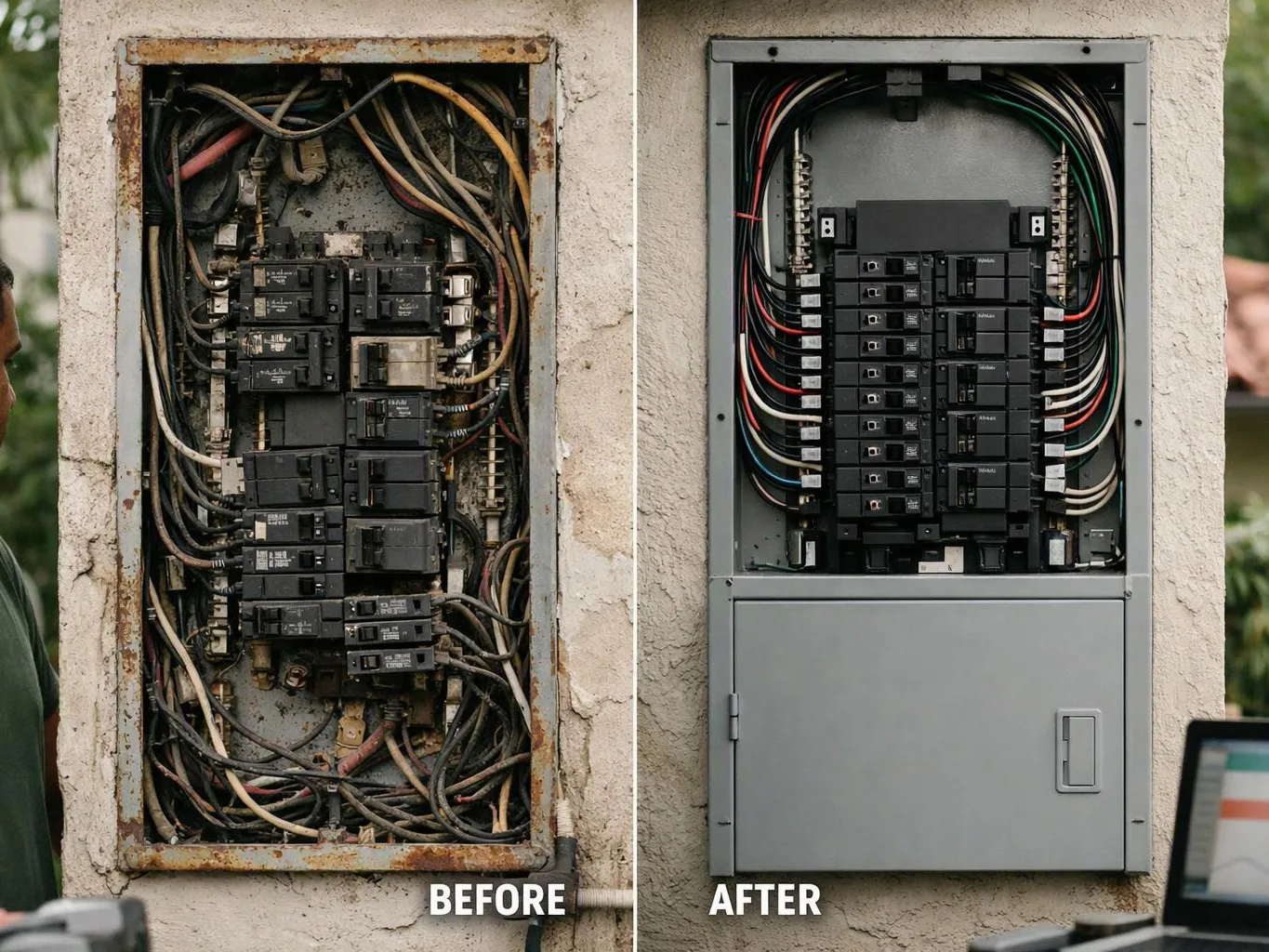
Yes, troubleshooting can identify a panel or breaker fault that needs repair or replacement. The inspection checks the breaker, connections, circuit load, and related wiring before we recommend that work. A panel upgrade is a separate scope when the existing equipment needs broader replacement or added capacity.
What information helps schedule an electrical assessment?
The affected rooms, outlets, lights, appliances, breaker position, and visible damage help define the assessment. Photos of the panel and symptom are useful when they can be taken safely. Do not remove covers or touch hot, sparking, or damaged electrical parts.