What hazards can an electrical safety inspection find?
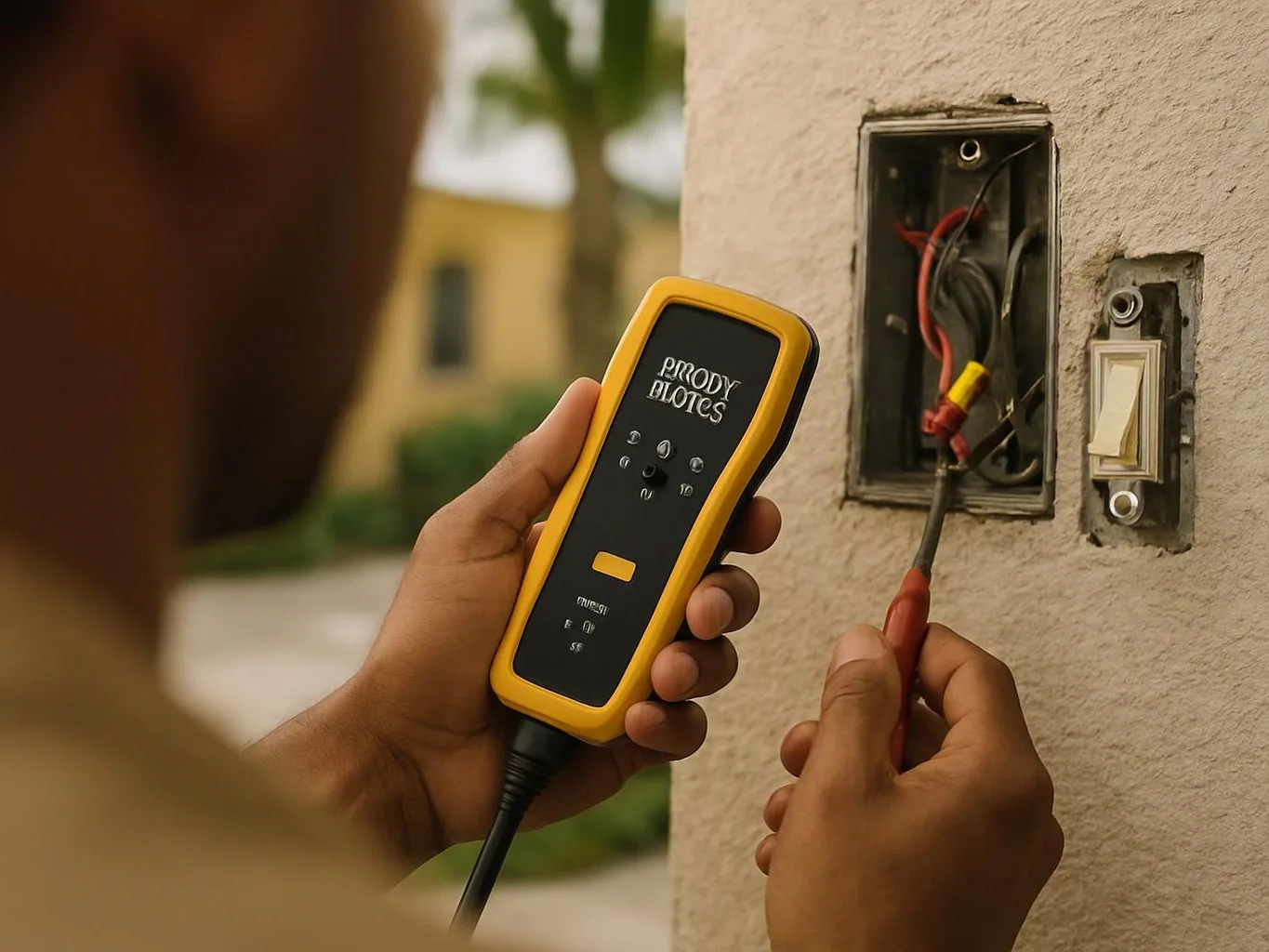
Exposed wires can create shock, arc, and fire hazards when insulation or connections fail. We inspect the affected circuit, nearby devices, breaker, load, and grounding. Arc faults, overloaded circuits, and improper grounding can remain hidden behind one visible symptom. Earth Electric explains which finding needs repair, replacement, or further troubleshooting.
What does the crew look at first during an electrical safety inspection?
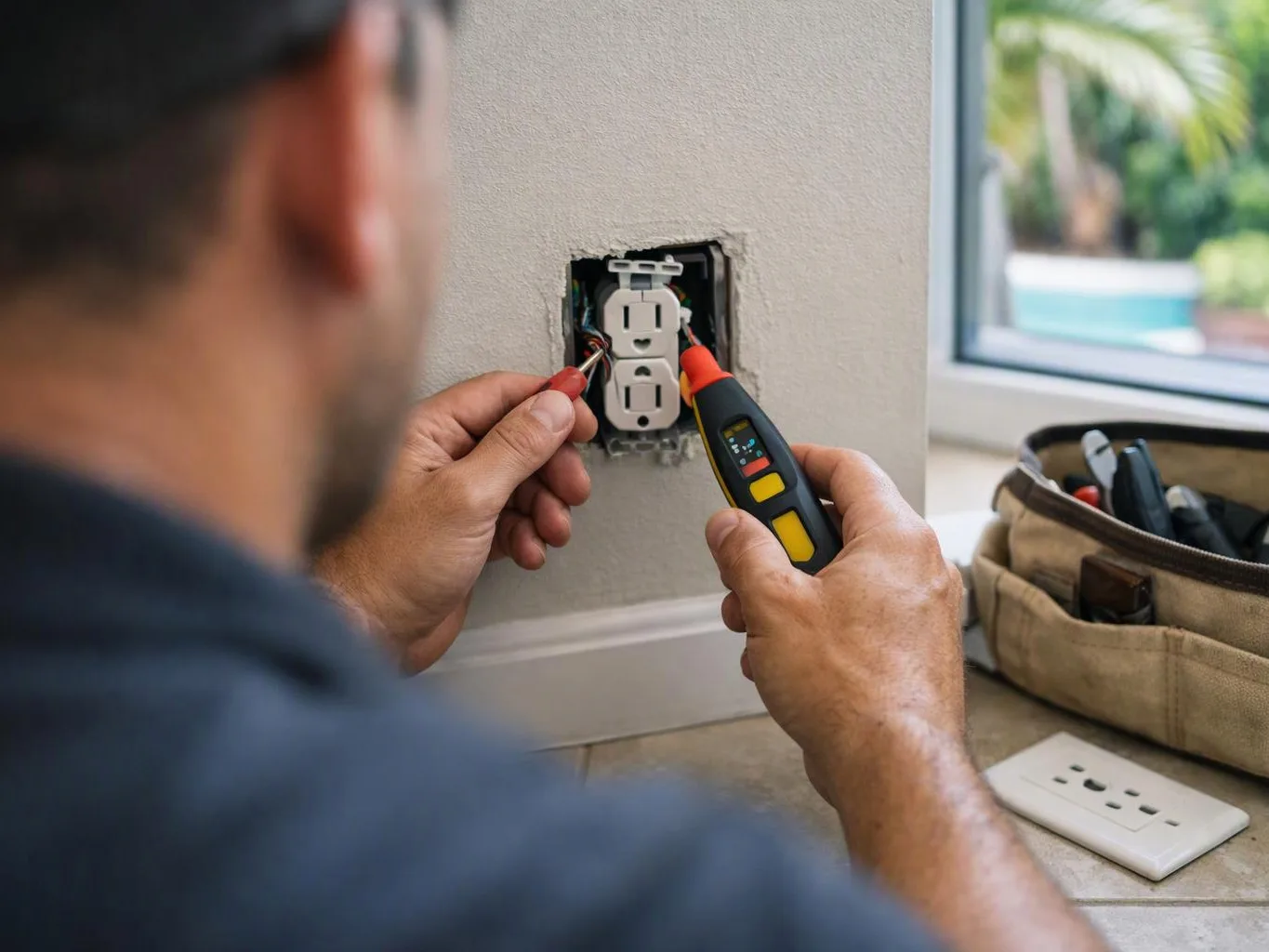
The reported warning sign comes first, followed by the nearby wiring, device, and circuit protection. We inspect visible insulation, connection points, outlets, switches, and breaker condition. That first pass helps us decide whether the concern stays local or requires tracing through the wider circuit.
What should be checked before an electrical safety inspection is scheduled?
The affected area, recent electrical symptoms, and access to the panel should be checked before scheduling. Note any burning odor, warmth, flicker, buzzing, or repeated breaker trips. Do not touch damaged wiring. Share those details with Earth Electric so the inspection scope reflects the actual concern.
Who is a good fit for electrical safety inspection, and who needs a different service?
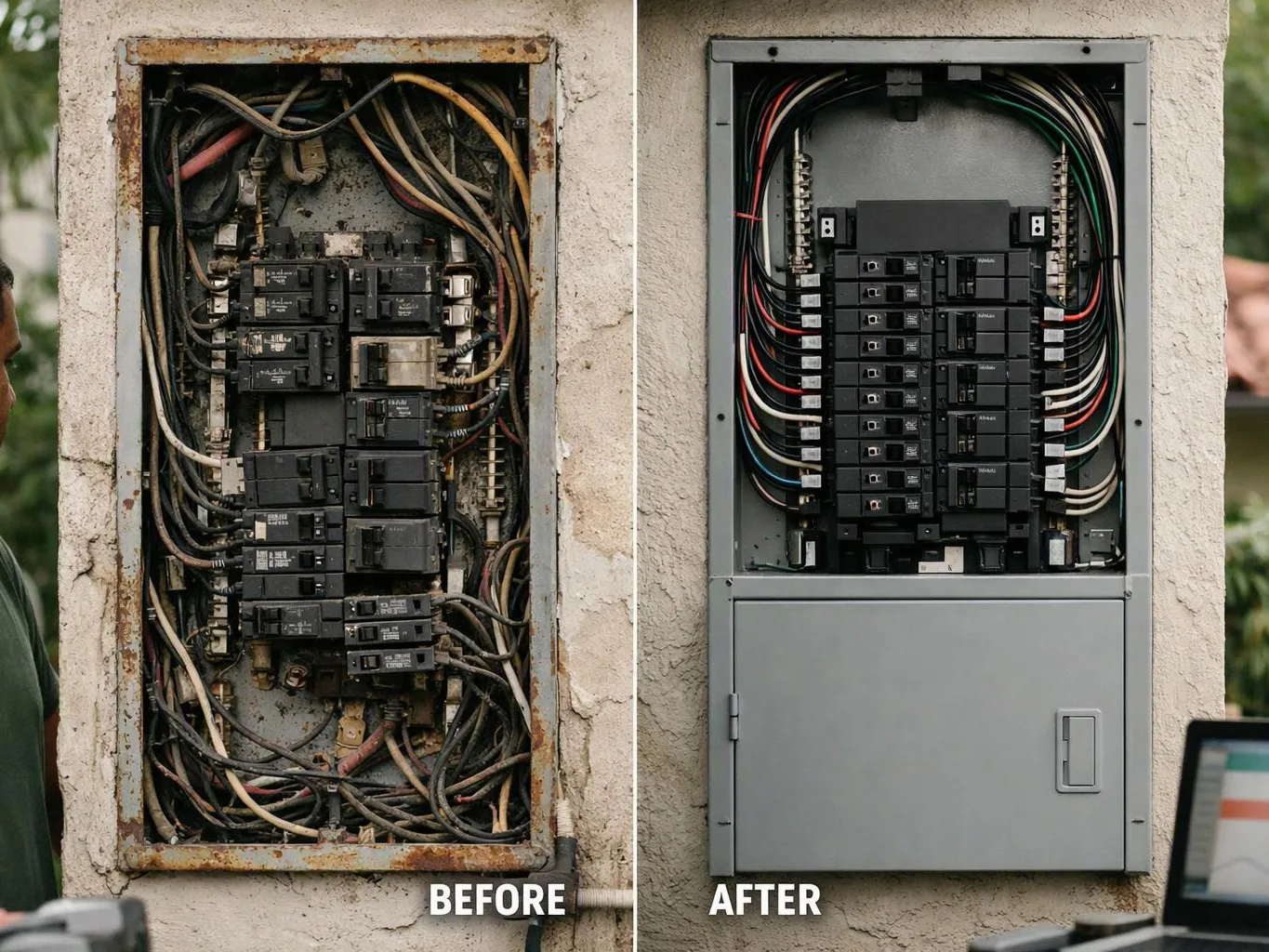
Homeowners, property managers, and businesses with warning signs or maintenance concerns are good fits for an inspection. Active smoke, sparking, or immediate danger calls for urgent electrical service first. A panel upgrade, rewiring project, or outlet repair may follow when the inspection identifies that specific need.
Which part of an inspection changes the repair estimate?
The repair estimate changes with access, circuit reach, wire condition, device damage, and the need for replacement. A loose connection may have a narrower scope than damaged conductors or a circuit with several related faults. Earth Electric reviews those factors before giving a free estimate.
Why can a breaker trip after a wire problem seems fixed?
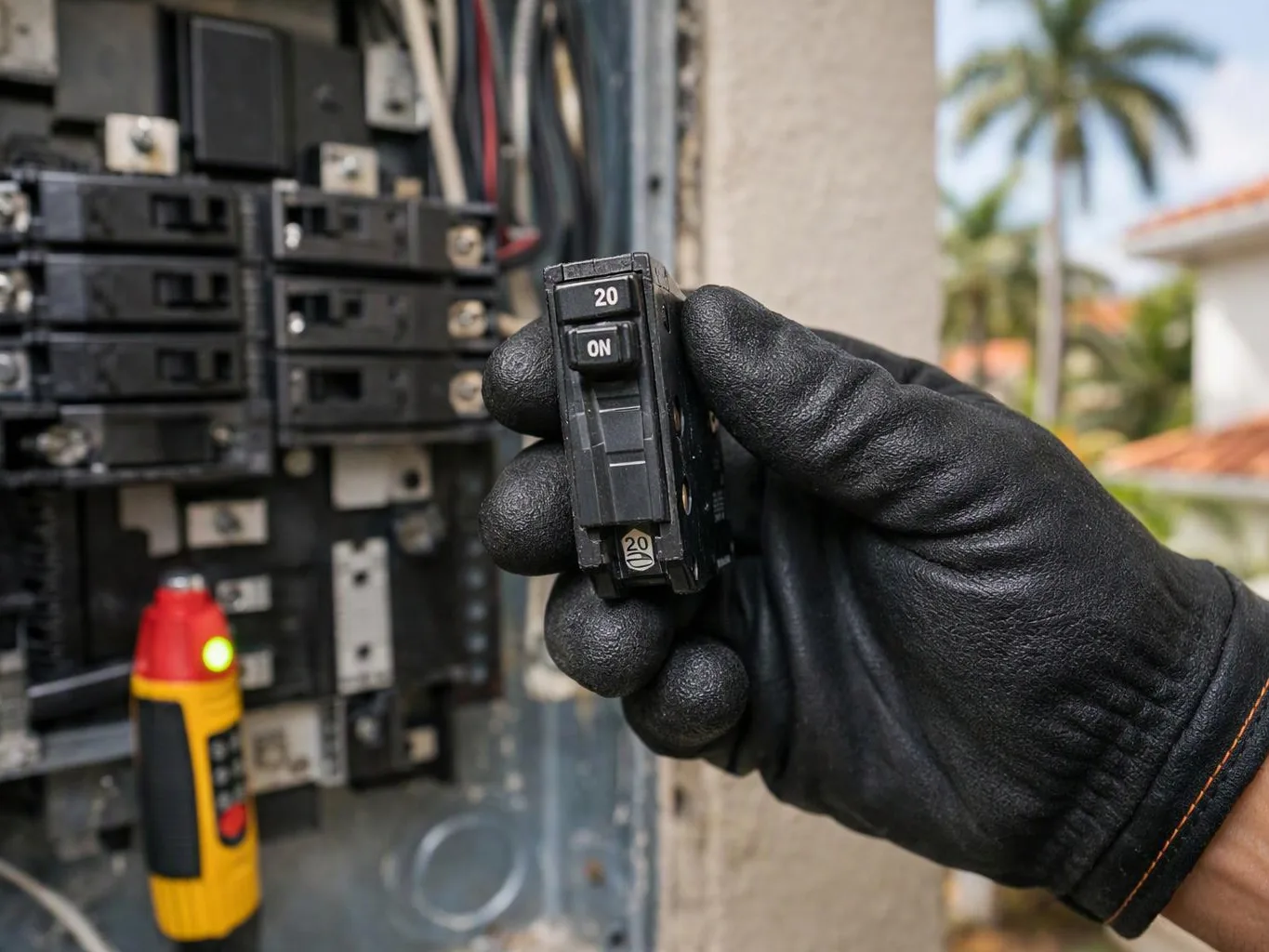
A breaker can trip when the circuit still has an overload, short, damaged wire, or connected device fault. We inspect the breaker, load, wiring, and downstream devices to find the remaining cause. Resetting the breaker repeatedly is not a safe substitute for diagnosis.
How should a homeowner respond to exposed wiring?
A homeowner should avoid touching exposed wiring and keep people away from the area. If safe, stop using the affected device and request electrical help. Earth Electric can inspect the wiring, circuit protection, and grounding before explaining the repair or replacement scope.