What does an electrical safety inspection check?
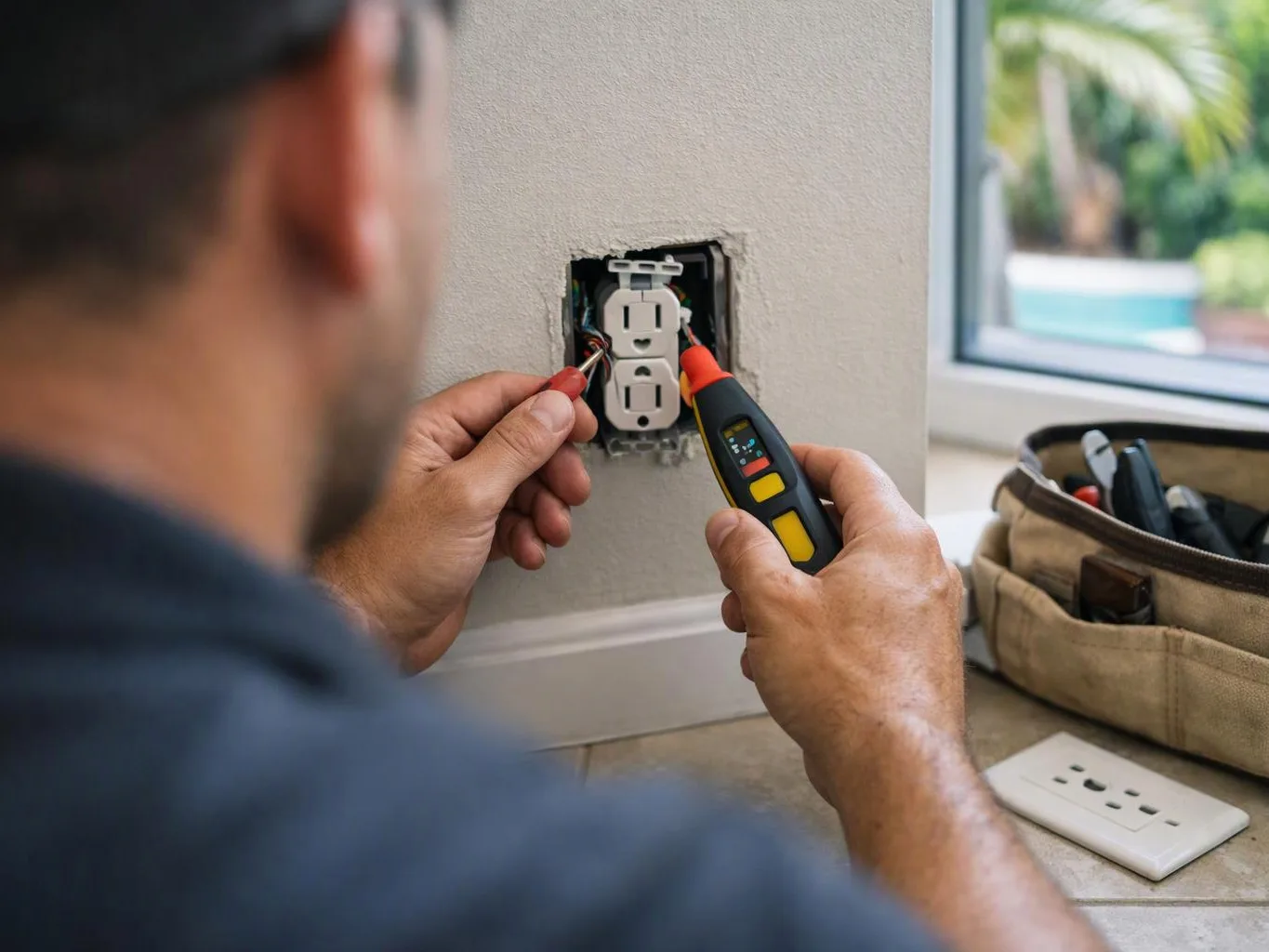
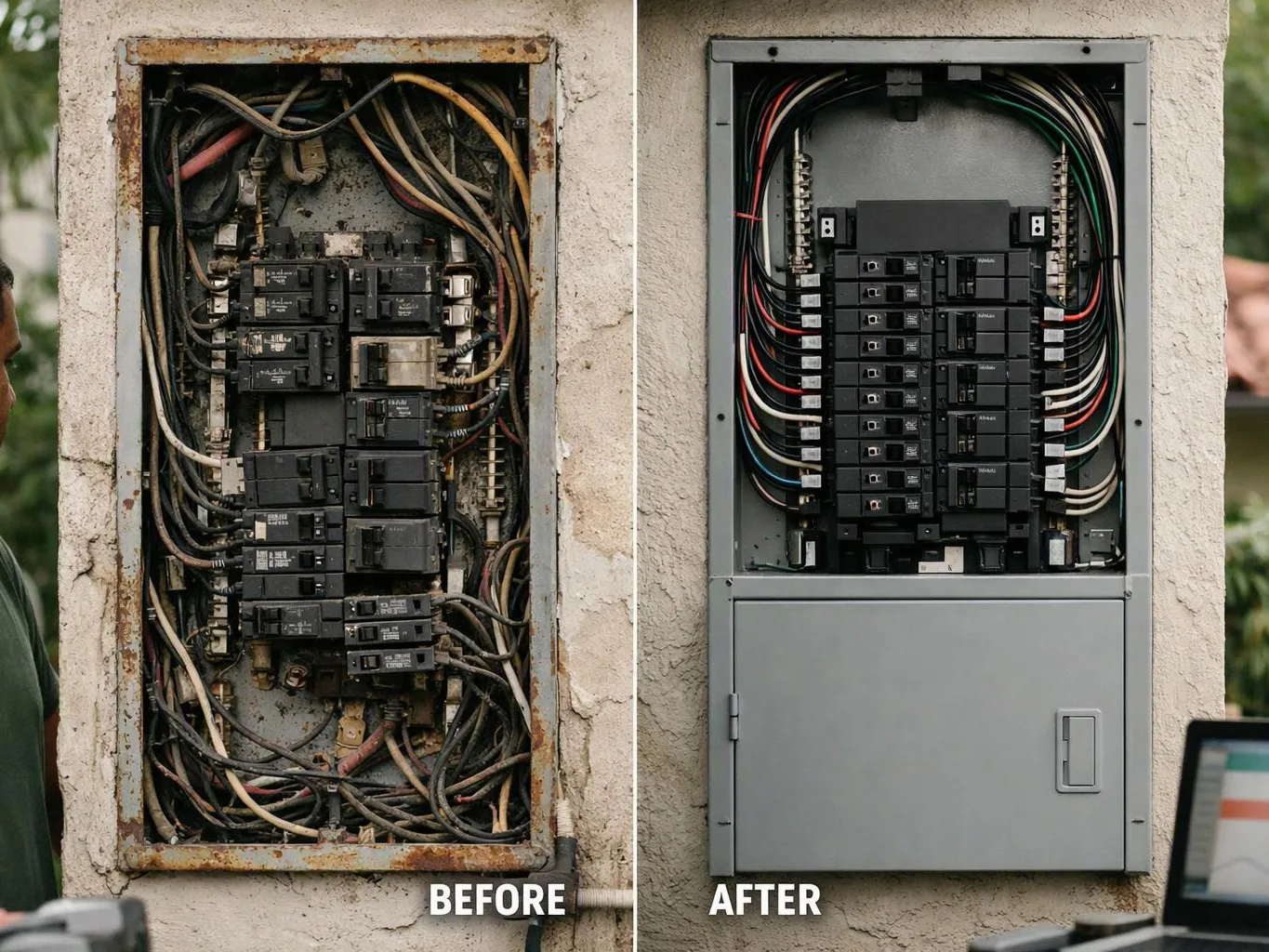
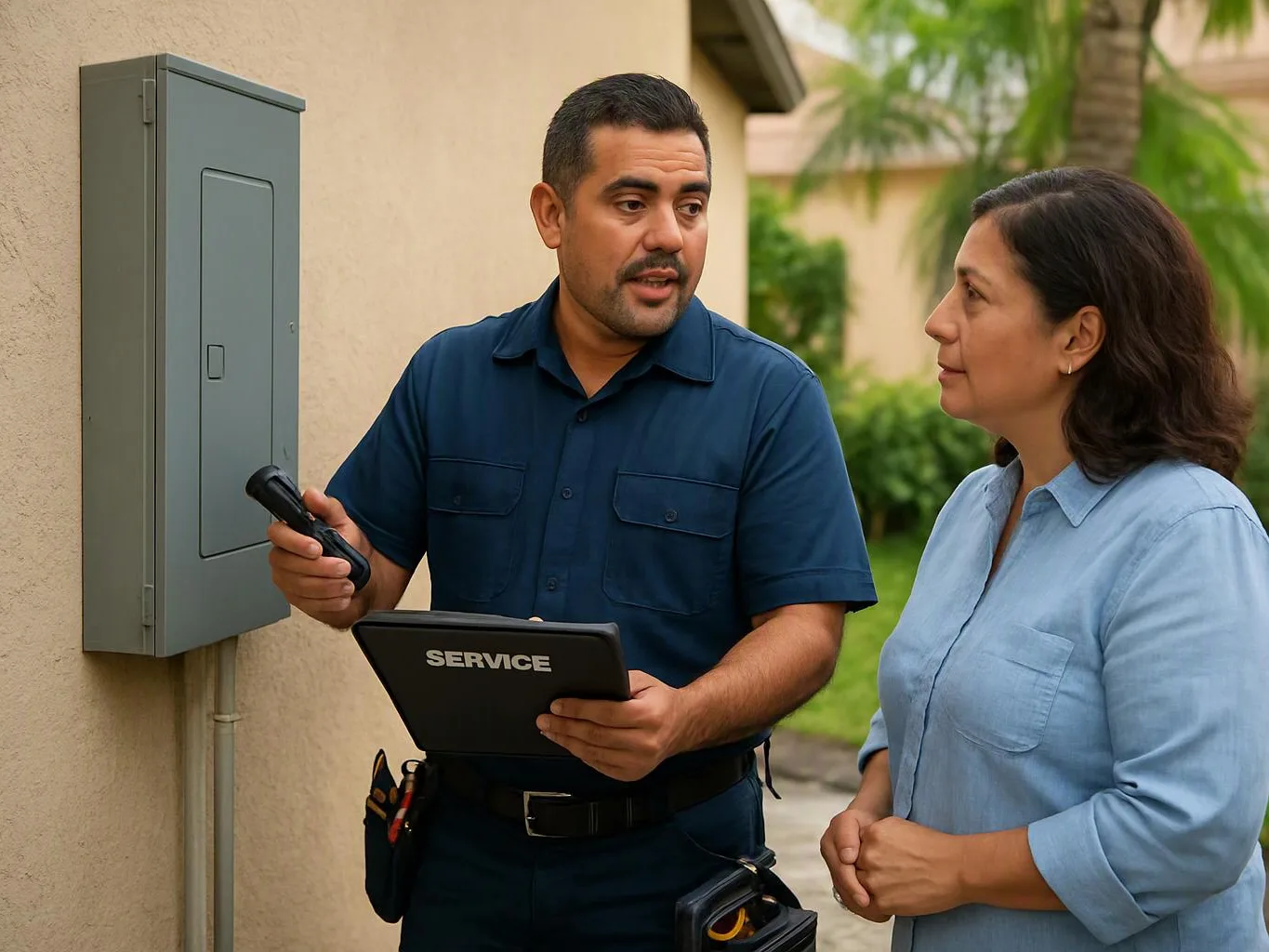
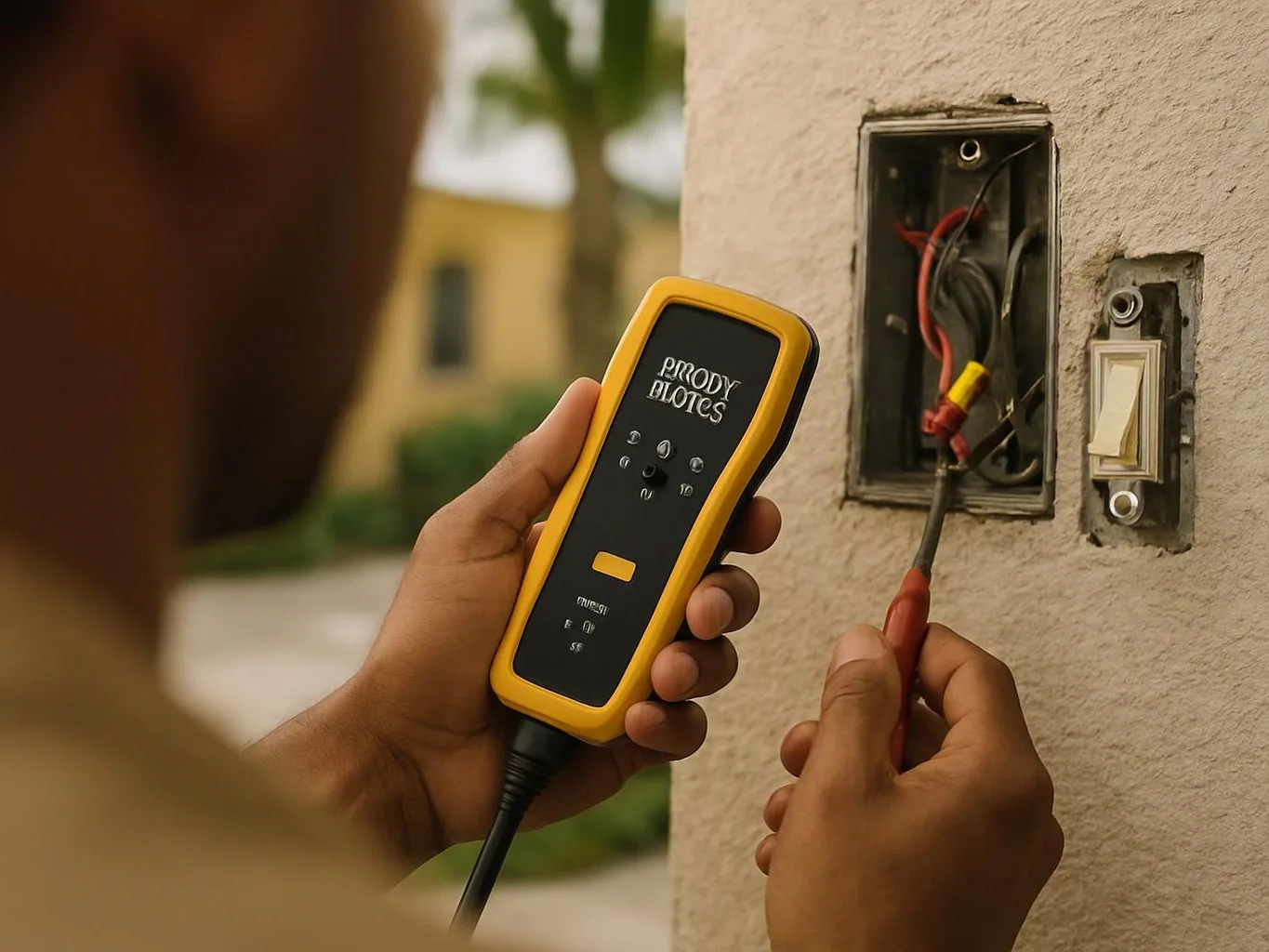
Wiring condition is checked for damaged insulation, loose connections, heat marks, and exposed conductors. We also inspect accessible panels, breakers, grounding points, outlets, and switches. Earth Electric records observed conditions and explains which findings need repair or deeper troubleshooting. The inspection gives you a safety review, but repair work is scoped separately when a defect needs correction.
How can I tell whether this inspection fits my property?
An electrical safety inspection fits homes and businesses that need a broad review of visible electrical conditions. The service suits property owners planning repairs, maintenance, a lease, or a sale. A single active fault may need troubleshooting as well. We use the reported symptom and property type to set the right inspection scope.
Which part of the property decides the inspection scope?
The affected circuit and the accessible electrical areas decide the inspection scope. A property with a warm outlet needs outlet, wiring, breaker, and panel checks tied to that circuit. A broader safety review may include more outlets, switches, and visible electrical equipment. Earth Electric explains the scope before work begins.
What material changes how long the inspection takes?
The amount and access of electrical material changes the inspection time. Dense wiring, hard-to-reach panels, multiple circuits, and several affected outlets require more checking than one accessible receptacle. We review the property layout and reported symptoms first, then explain the scope needed for a useful inspection.
Why do circuit breakers keep tripping after a reset?
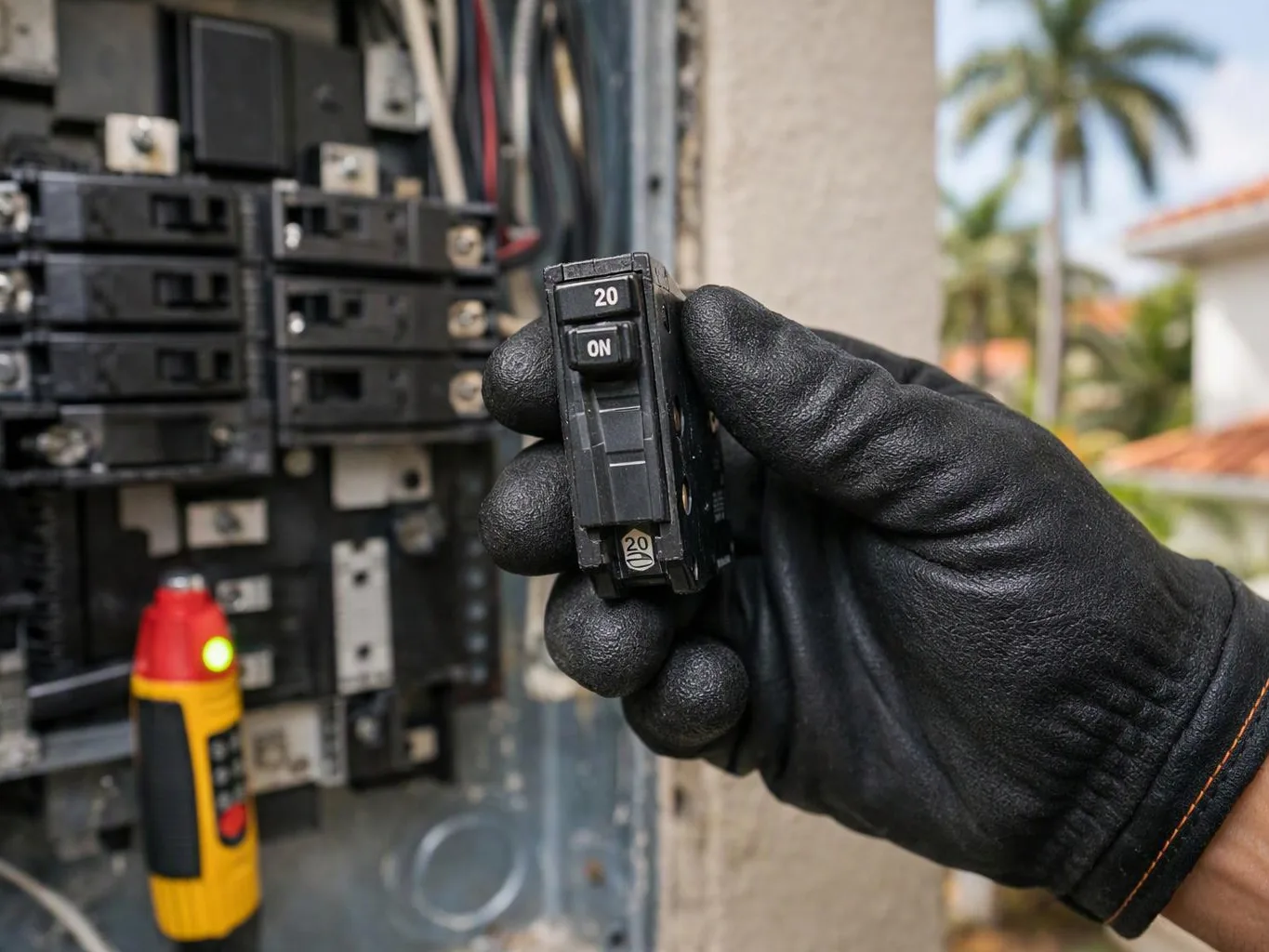
Repeated breaker trips often point to an overload, short circuit, damaged wiring, or a failing connected device. A reset does not identify the cause. We inspect the affected circuit, breaker, outlets, switches, and visible wiring, then determine whether the property needs repair or further electrical troubleshooting.
When does an outlet problem need a wider inspection?
An outlet problem needs a wider inspection when it feels warm, smells burnt, shows discoloration, or affects other devices. Those signs can involve the receptacle, connected wiring, circuit breaker, or panel. Stop using the outlet and keep the circuit off when safe to do so until the condition is checked.
How does a safety inspection differ from electrical troubleshooting?
An electrical safety inspection reviews accessible parts for unsafe conditions, while troubleshooting follows a specific fault to find its cause. Earth Electric can use the reported symptom to decide whether one service or both services fit the property. A repair estimate is separate when the inspection finds damaged wiring, a failed breaker, or another defect.