How do I choose the right outlet for each room?
GFCI protection is the right starting check for rooms where water or damp conditions create added shock risk. Earth Electric matches the receptacle to the room, device, circuit, and exposure. We also consider weather resistance for outdoor locations and child safety for family spaces. The existing circuit gets checked before we recommend the final outlet.
Which material changes how long outlet installation takes?
The wall and box material can change the work because access affects how the outlet box and wiring are handled. Drywall, masonry, and finished surfaces each require different access care. We inspect the installation point first, then explain the work needed for the receptacle, box, cover plate, and circuit connection.
How does an outlet installation visit move from the first call to the last step?
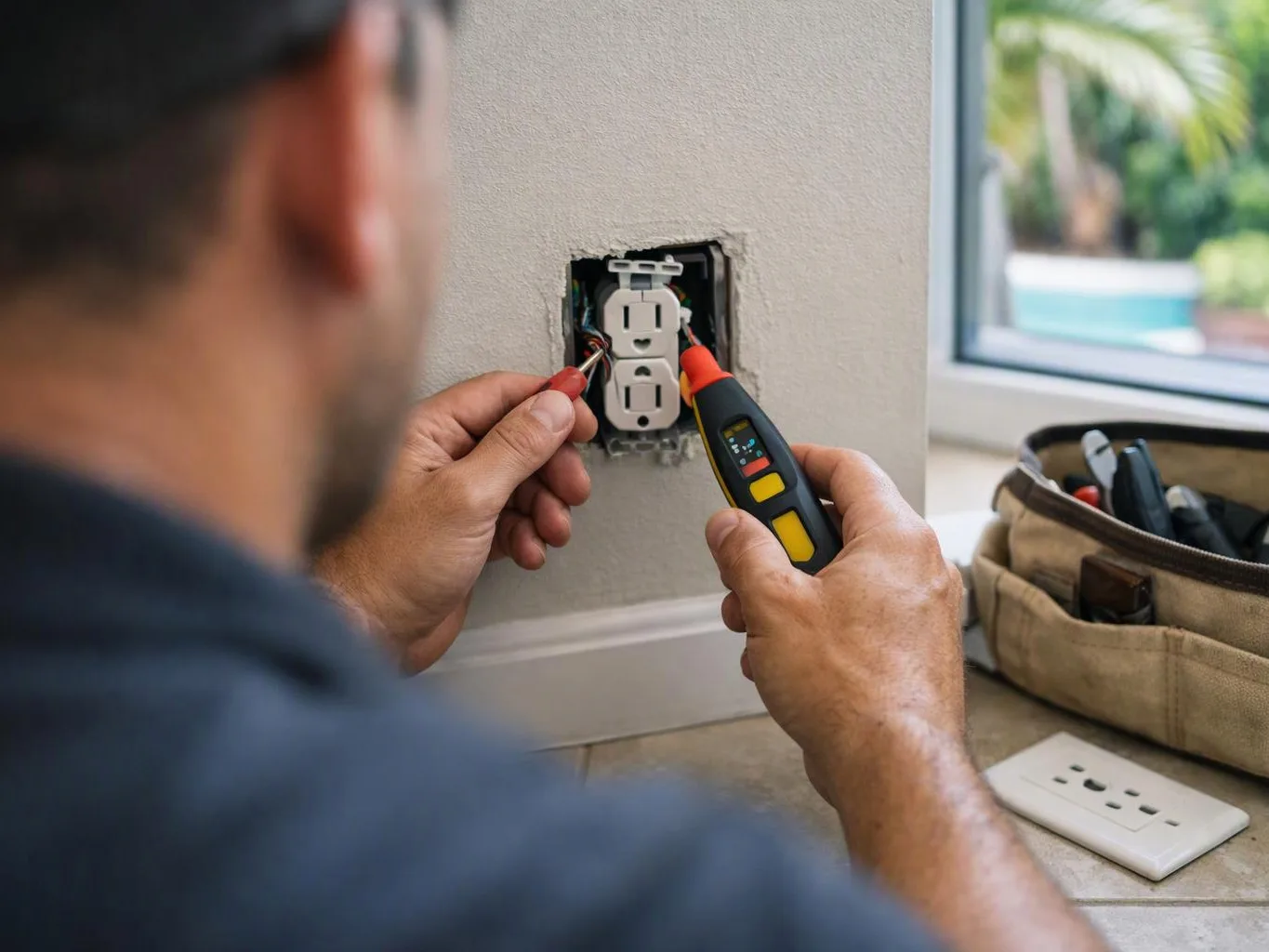
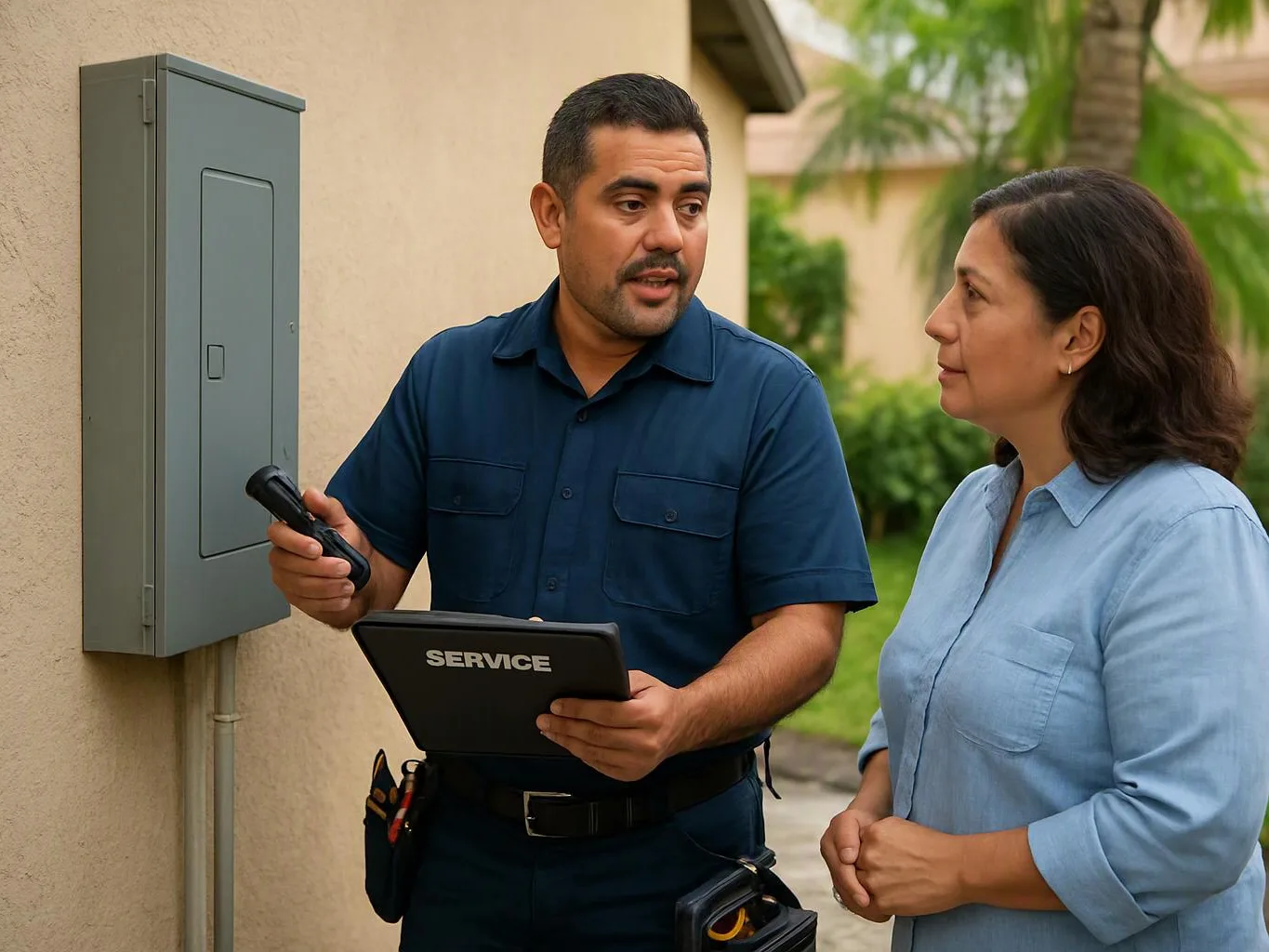
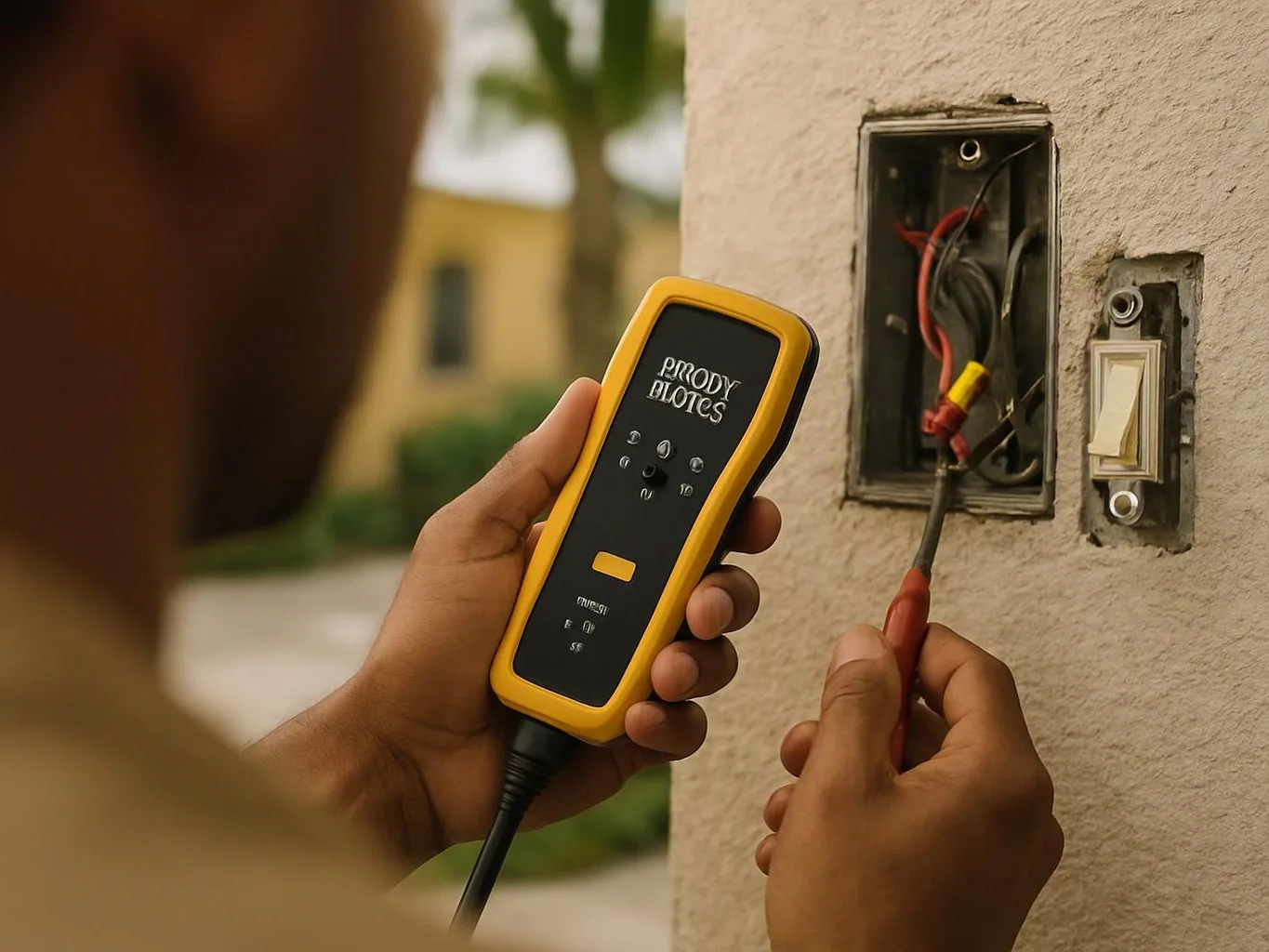
Outlet installation moves from room review to circuit inspection, outlet selection, connection, and testing. We first discuss the device and the outlet problem. Next, we inspect the box and wiring, set the scope, install the receptacle, and test the completed connection. We then explain what was done and any concern that needs separate repair.
How can a customer tell whether outlet installation fits the property?
Outlet installation fits when the property needs a new connection point or a sound replacement receptacle. A damaged circuit, repeated breaker trip, burning smell, or panel fault points to troubleshooting first. We inspect the outlet and branch circuit so the work matches the actual electrical problem.
What should I do before requesting a new outlet?
Record the room, intended device, outlet location, and visible symptoms before requesting the work. Stop using an outlet that sparks, feels hot, smells burnt, or has a cracked faceplate. Photos can show the receptacle and surrounding wall, but they cannot replace an electrical inspection. Earth Electric uses those details to discuss the initial scope.
When should an outlet be replaced instead of repaired?
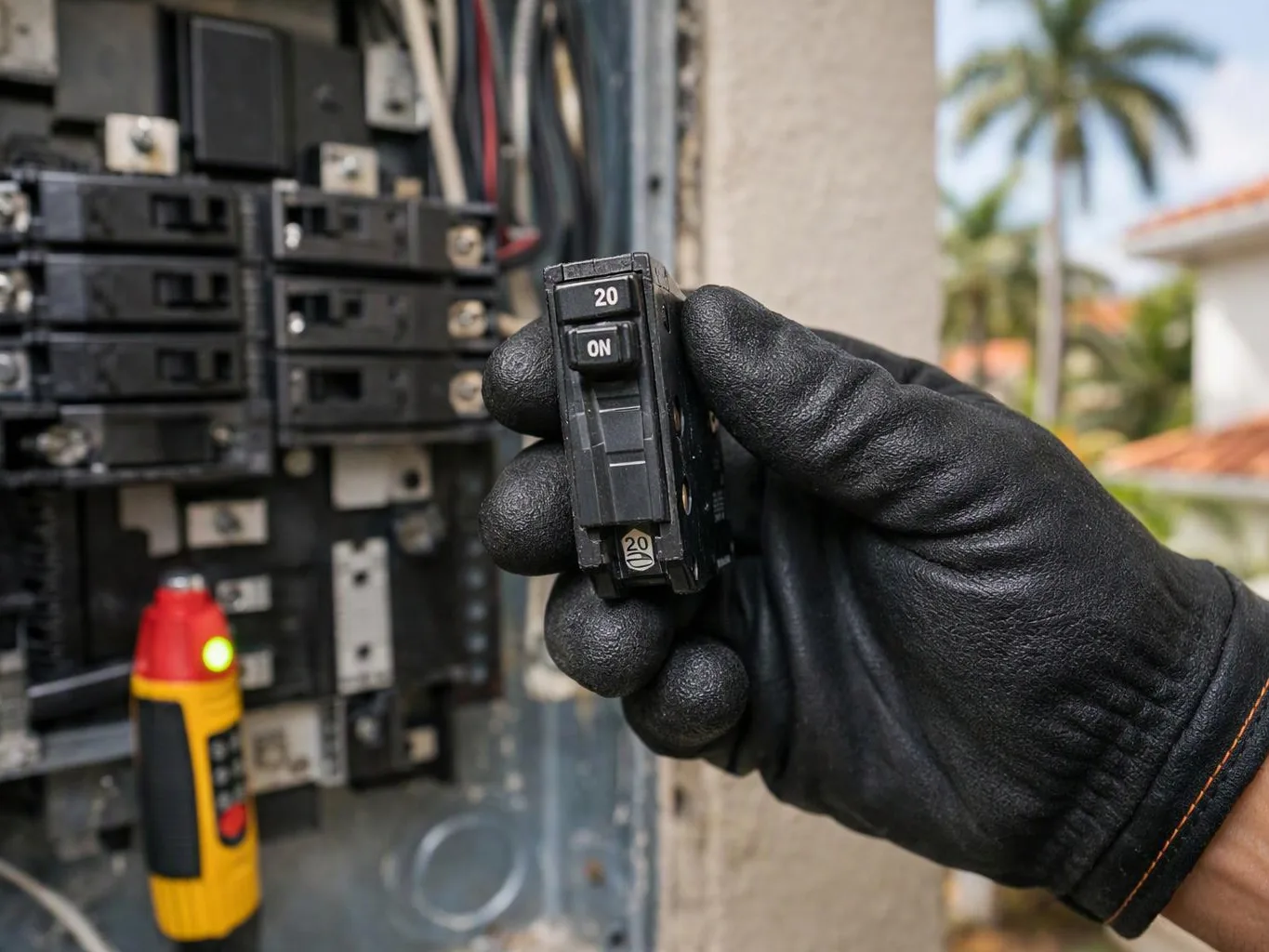
A damaged, loose, cracked, or worn receptacle often calls for replacement after the circuit is checked. Repair may address a loose connection or related wiring issue, but the outlet itself still needs inspection. We test the circuit and explain whether the receptacle, box, wiring, or breaker needs attention.
Why does a new outlet keep losing power?
A new outlet can lose power because of a tripped safety device, loose connection, overloaded circuit, or upstream fault. We trace the circuit and test the receptacle instead of treating the wall plate as the whole problem. Stop resetting the outlet if it trips again, then request electrical troubleshooting.