What is included in dedicated circuit installation?
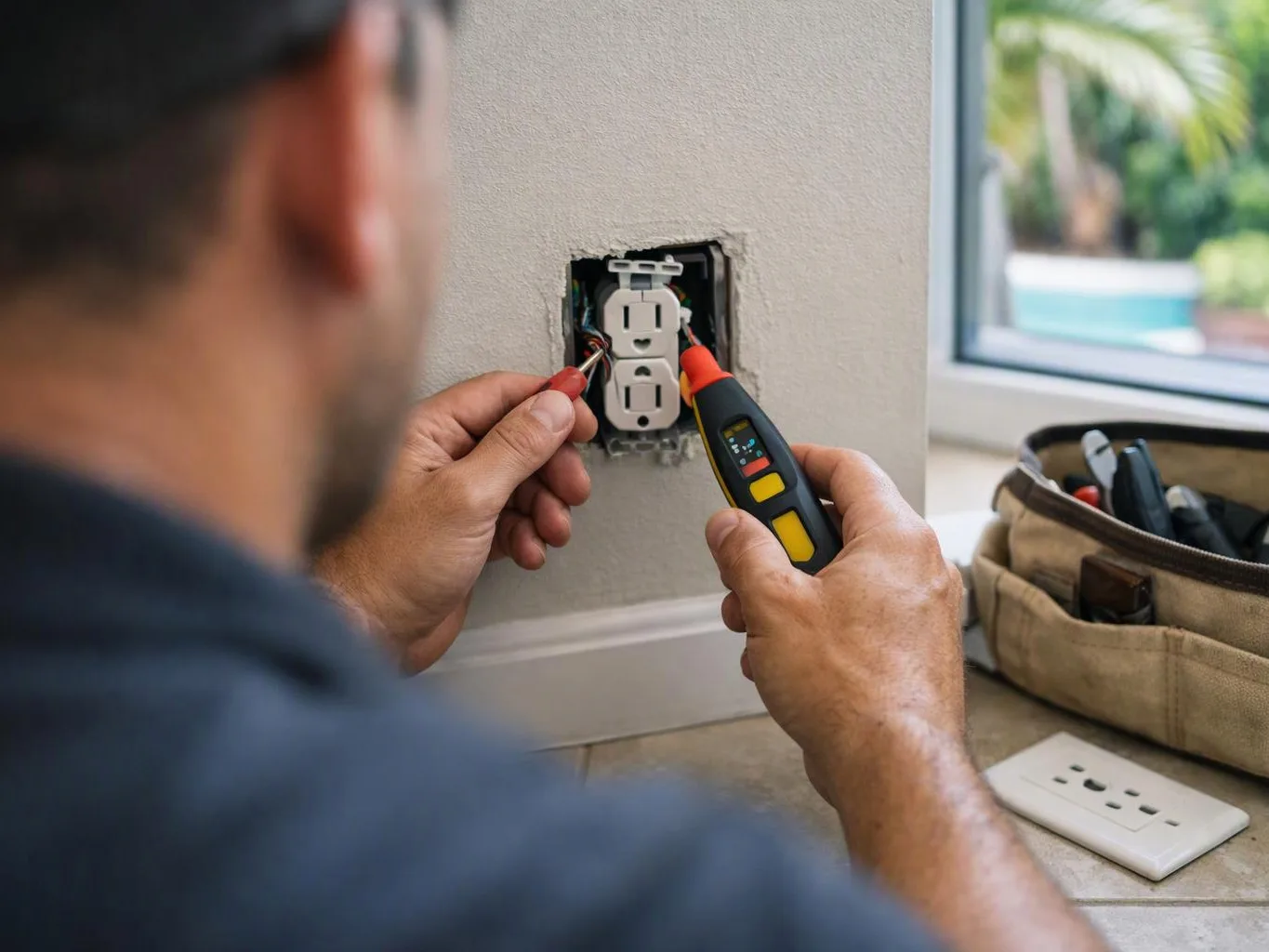
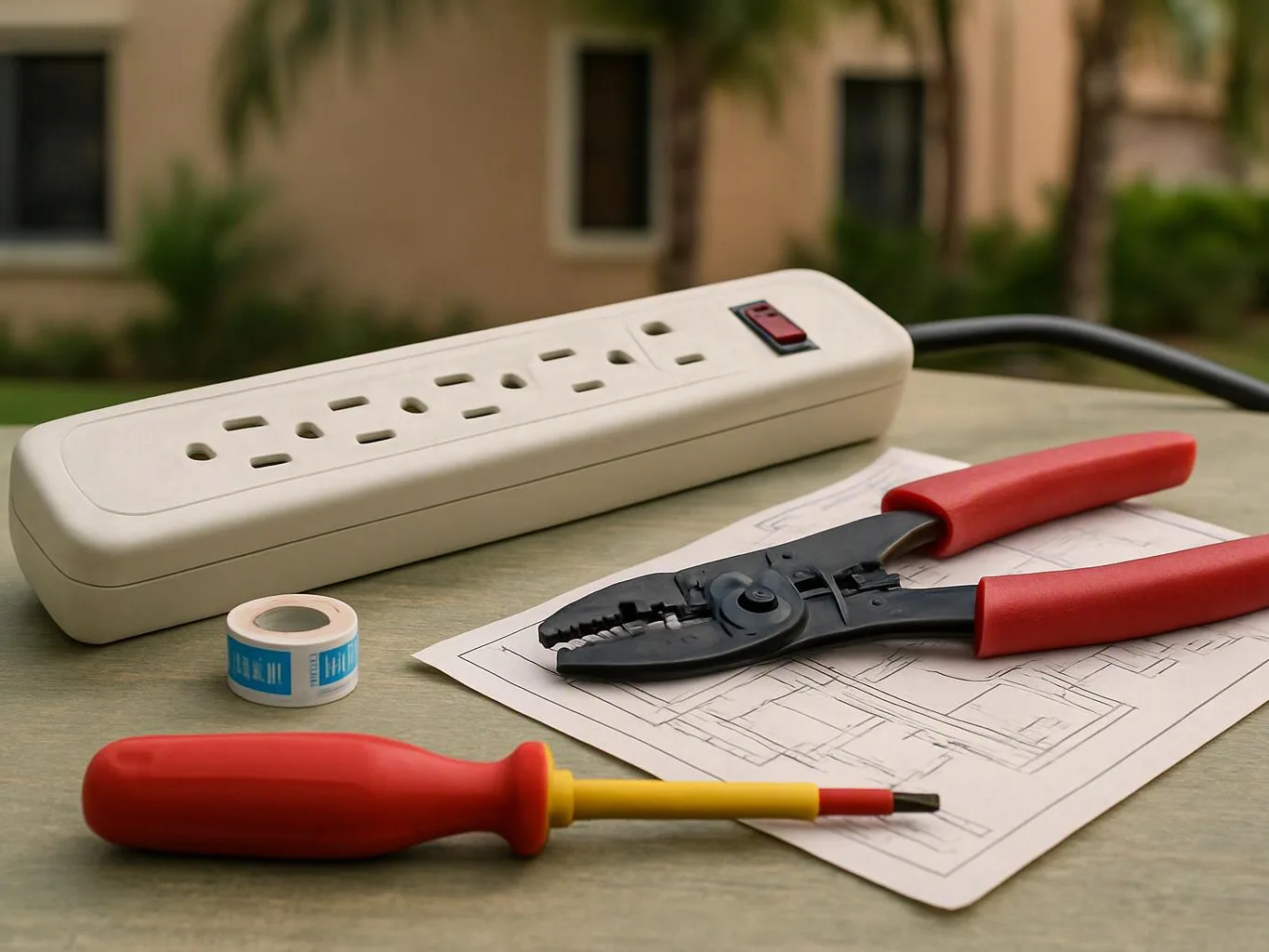
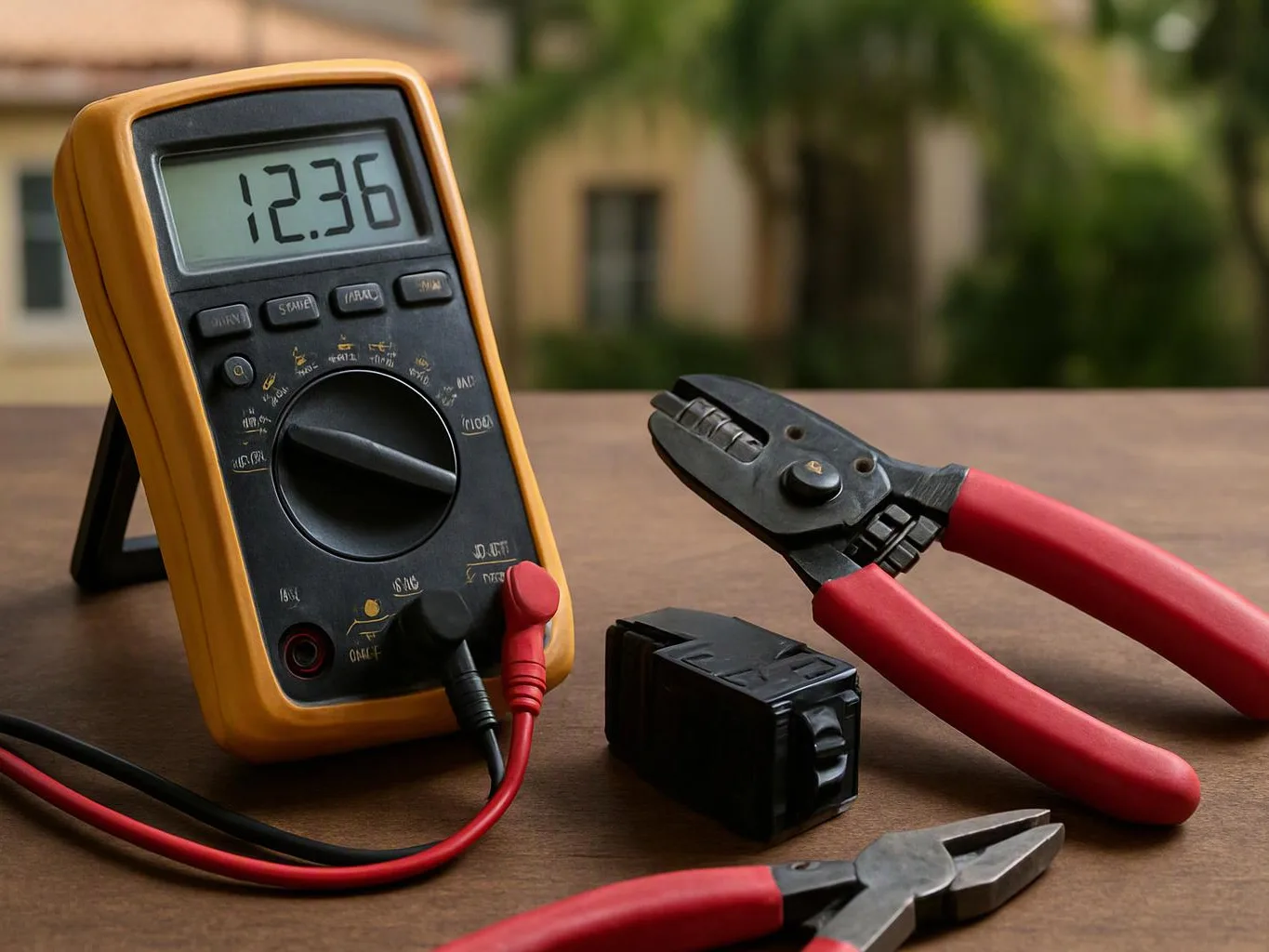
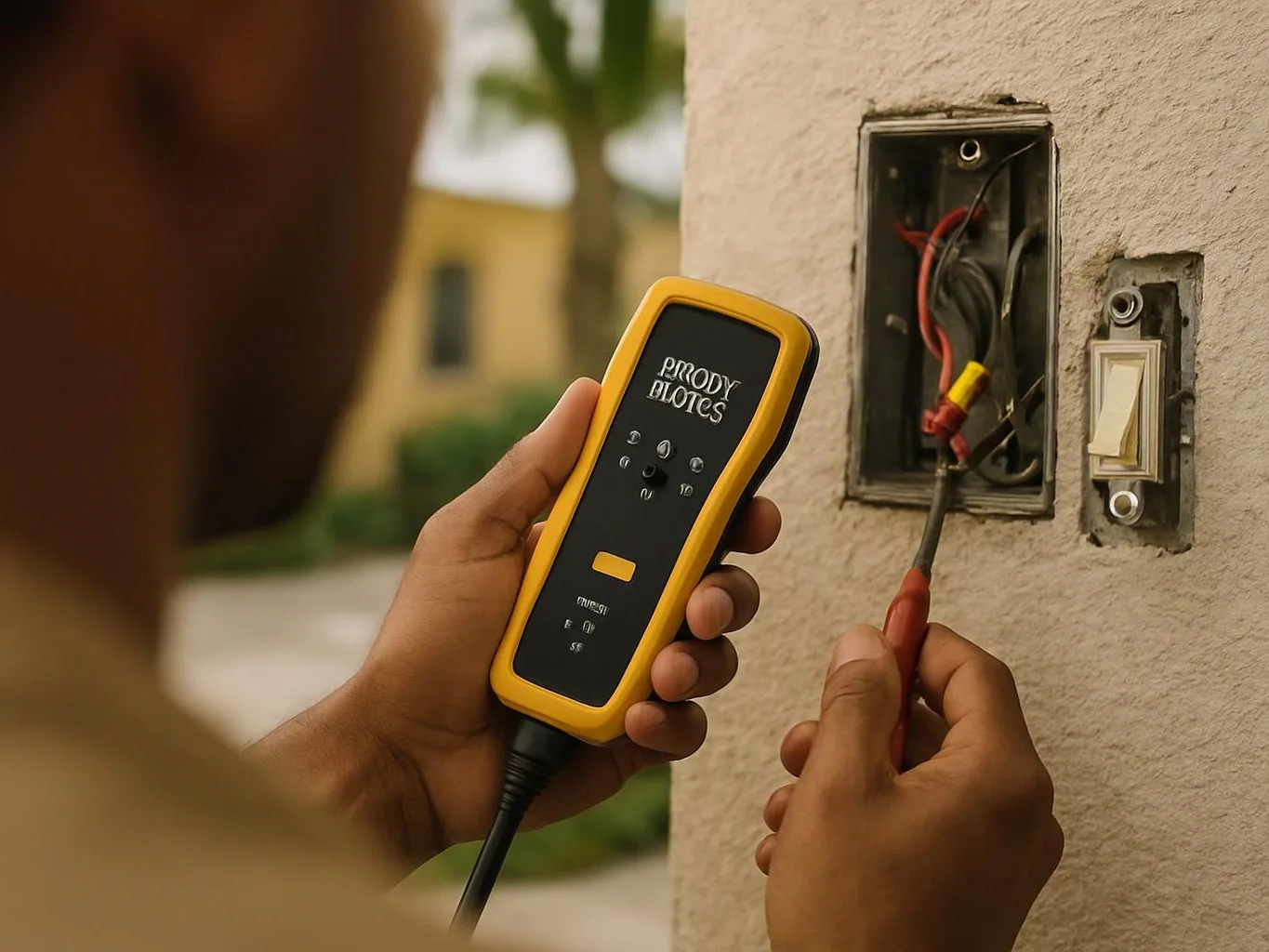
Electrical cable planning, panel inspection, breaker connection, grounding review, outlet or equipment connection, and circuit testing are included. Earth Electric reviews the intended load before work starts. The exact scope depends on panel condition, access, cable routing, and the equipment connection.
What should be checked before this work is scheduled?
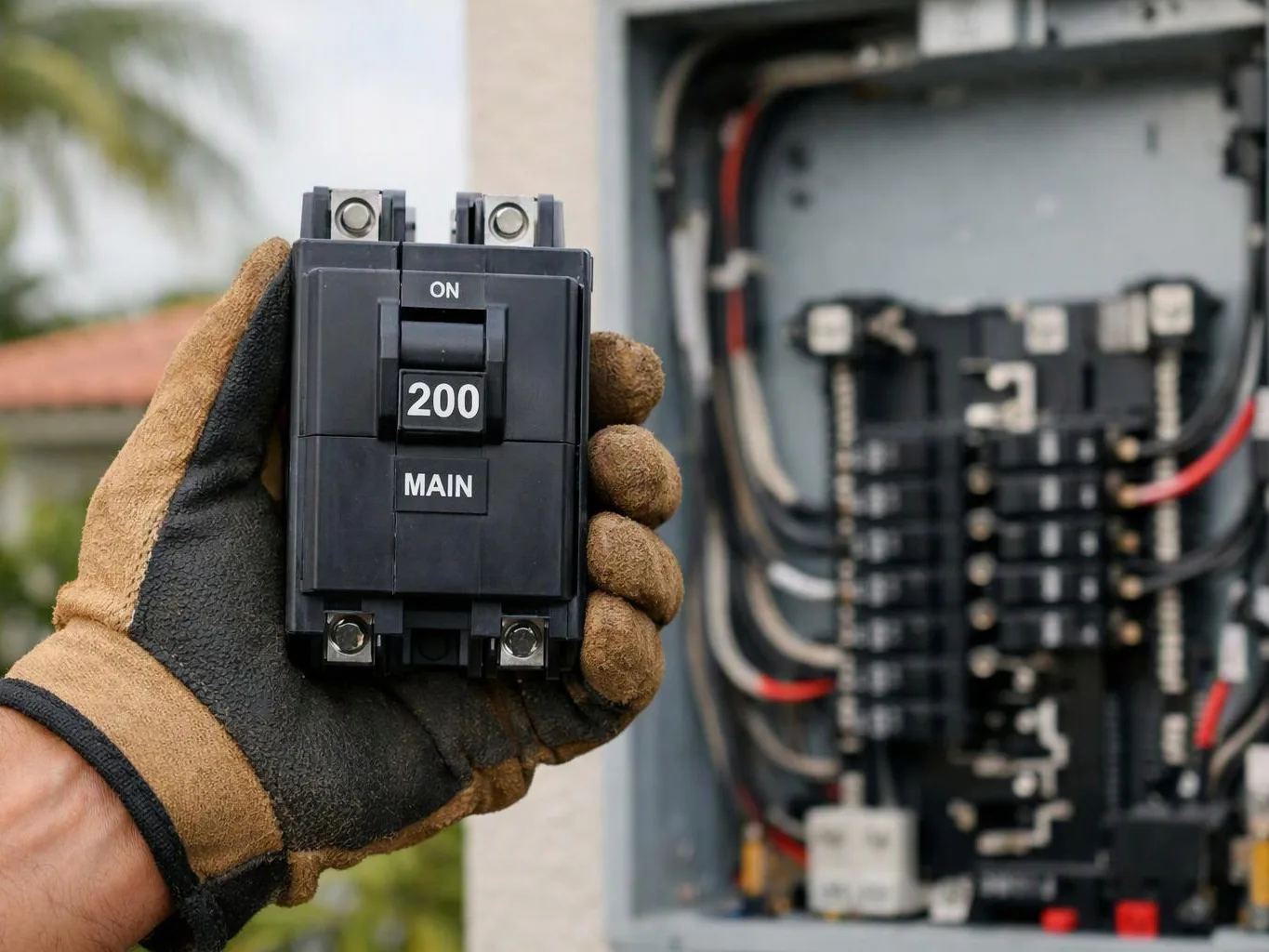
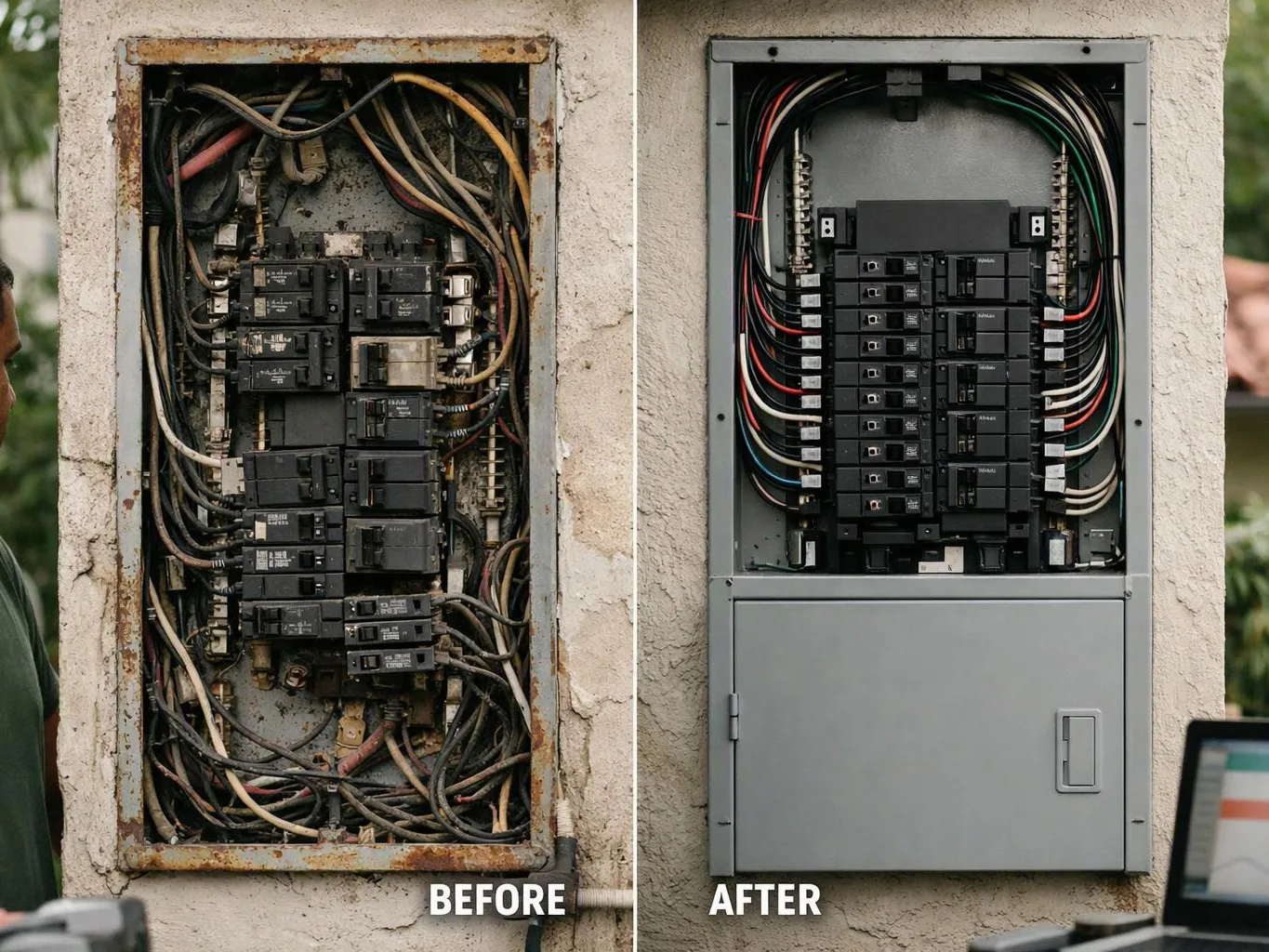
The service panel, intended equipment load, breaker space, cable route, access, and grounding path should be checked first. We also look for heat marks, damaged wiring, and repeated breaker trips. These findings decide whether installation alone fits or related electrical repairs belong in the scope.
Who is a good fit for dedicated circuit installation?
Homeowners and businesses are good fits when one intended load needs its own circuit. Earth Electric reviews the equipment, panel, and cable route before installation. A utility outage, damaged main panel, or broad wiring fault calls for troubleshooting or repair instead.
What happens at each stage of the installation?
The work starts with a load and panel review, then moves to route planning, circuit connection, grounding, and testing. We explain the scope before installation. The final check confirms that the circuit reaches the intended outlet or equipment connection.
Which panel condition can change the installation scope?
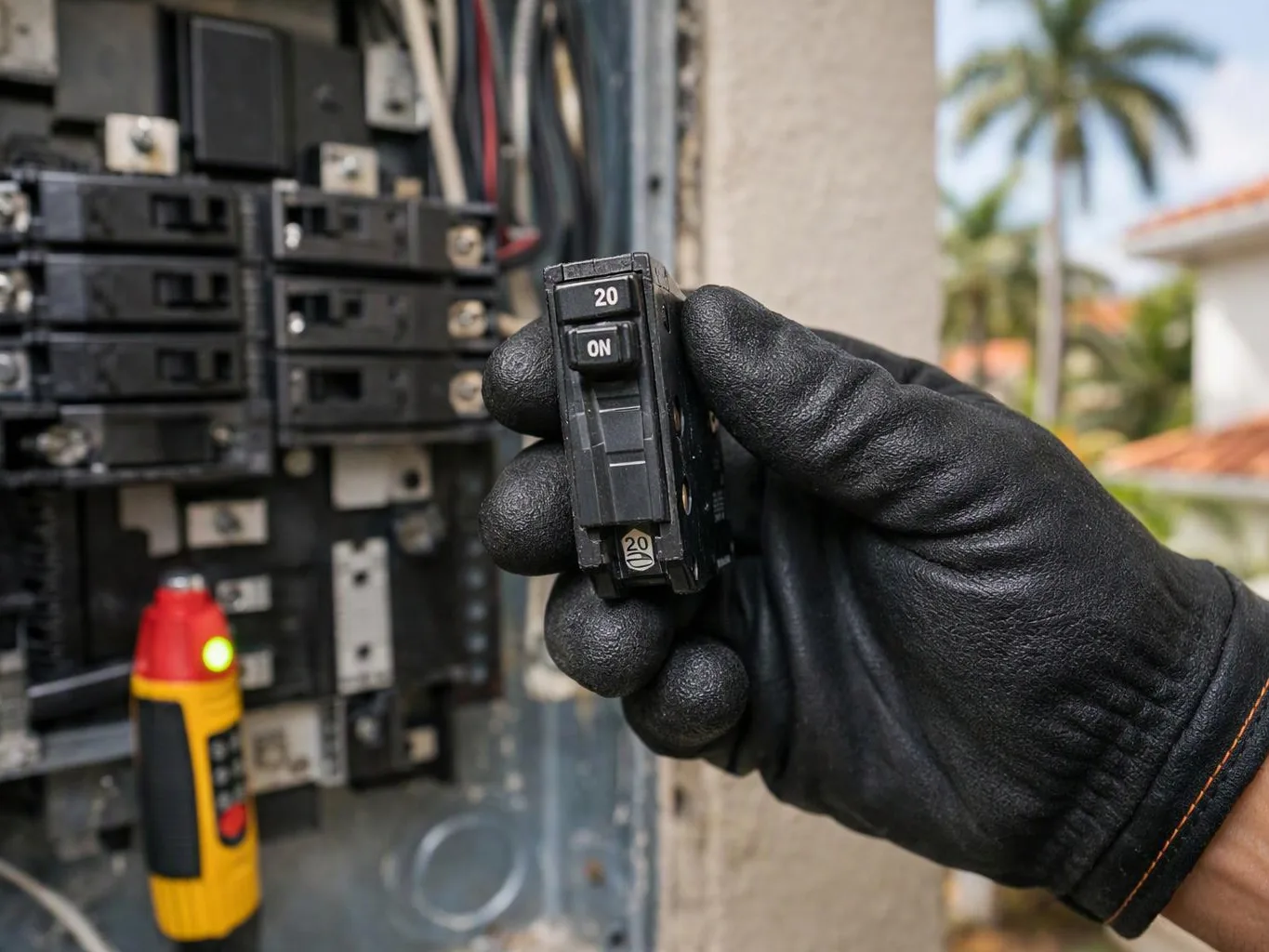
Limited breaker space, heat damage, loose connections, or an unsuitable panel can change the installation scope. We inspect those conditions before adding a circuit. Related panel repairs must be addressed when they affect safe connection of the new breaker.
How do I request a quote for this electrical work?
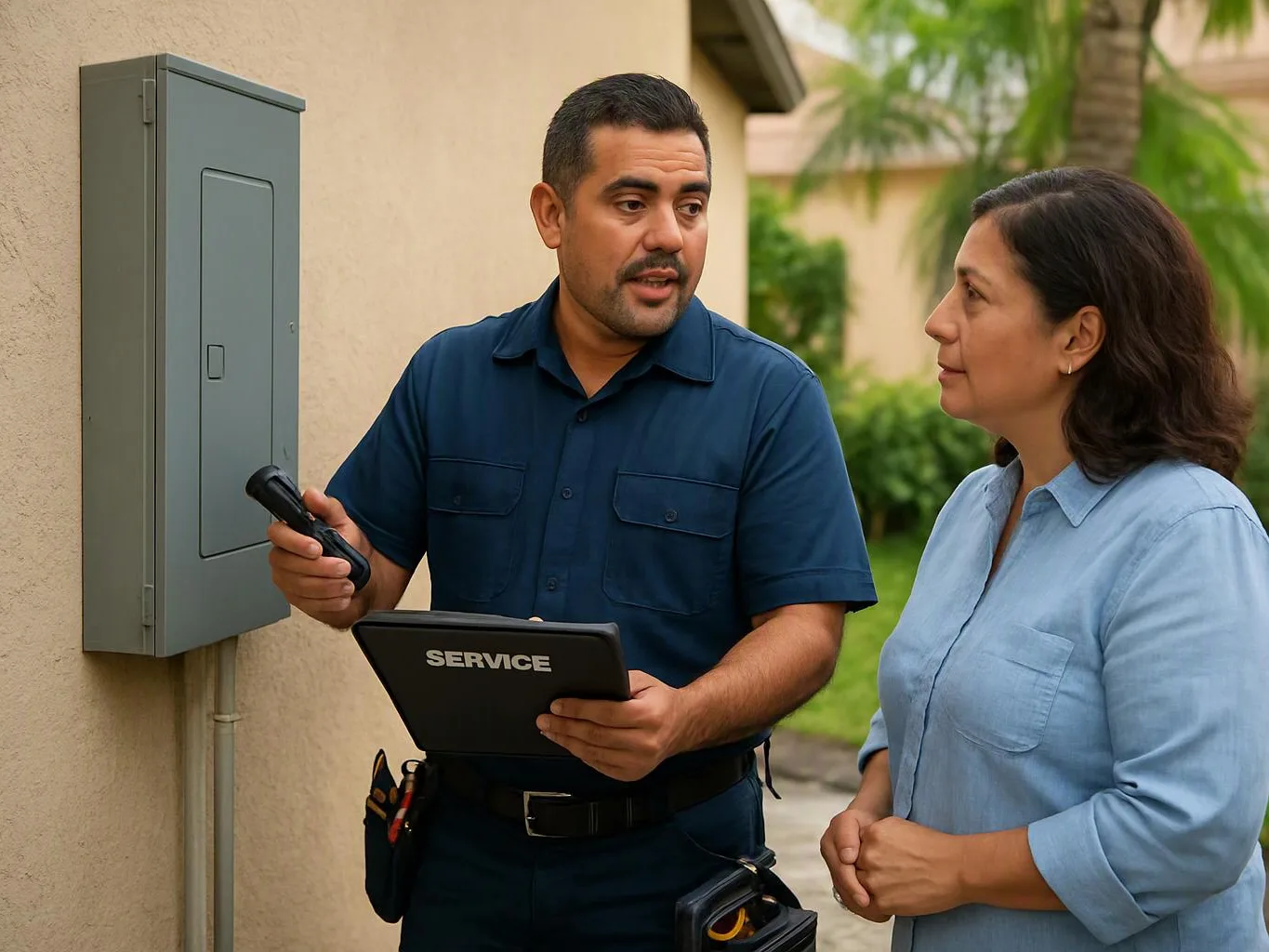
A quote starts with the equipment details, property type, panel information, access, and planned circuit location. Earth Electric reviews those details and provides a free estimate. Photos can help explain the panel and equipment when they can be taken safely.
Why does grounding matter on a new circuit?
Grounding provides a safe path for fault current when a problem reaches exposed metal. We check the grounding conductor and connection points during installation. Stop using the circuit if you notice sparks, burning smells, or heat around the panel or outlet.