Questions About Carbon Monoxide Detector Installation
What does the crew look at first during detector installation?
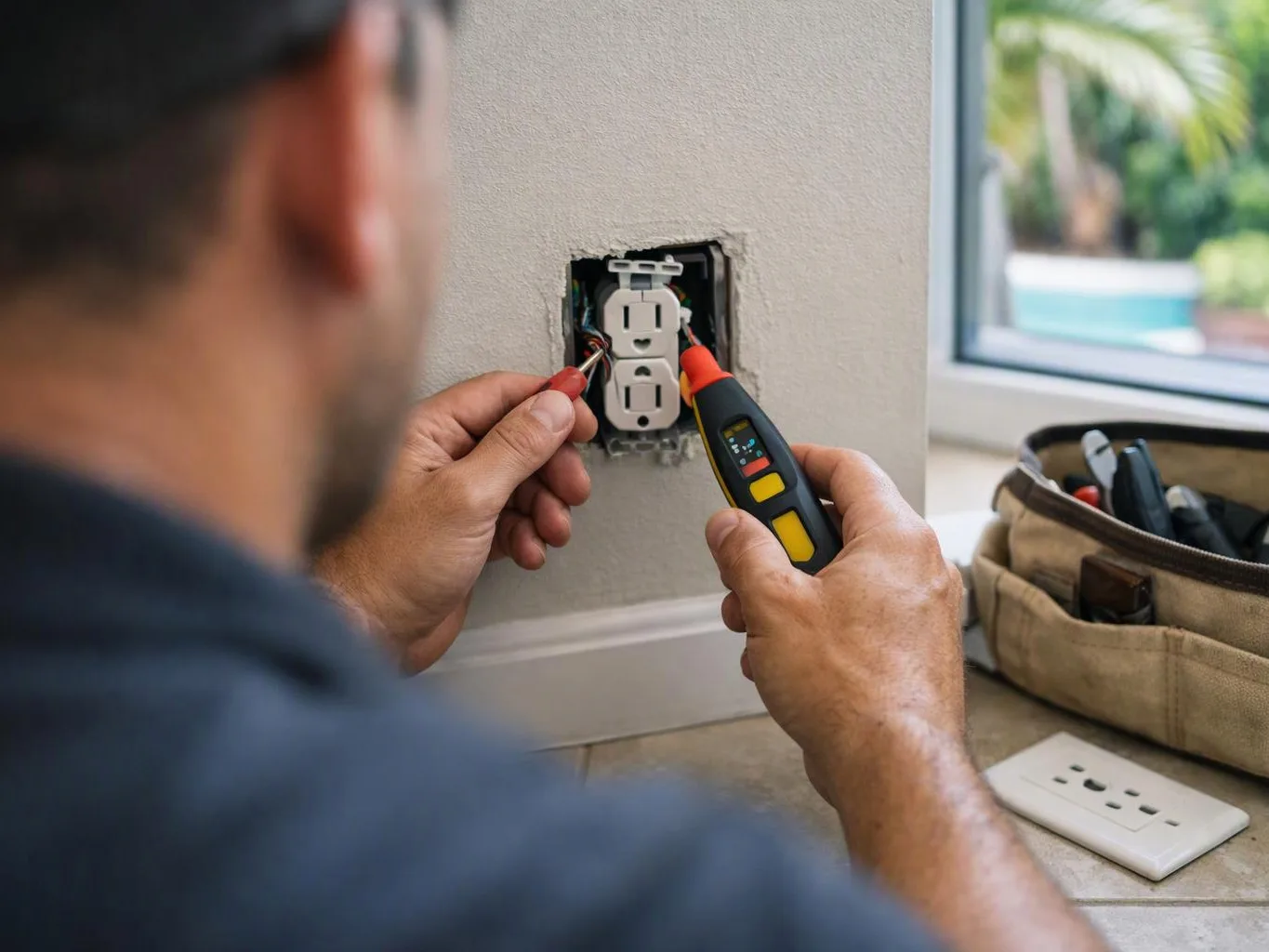
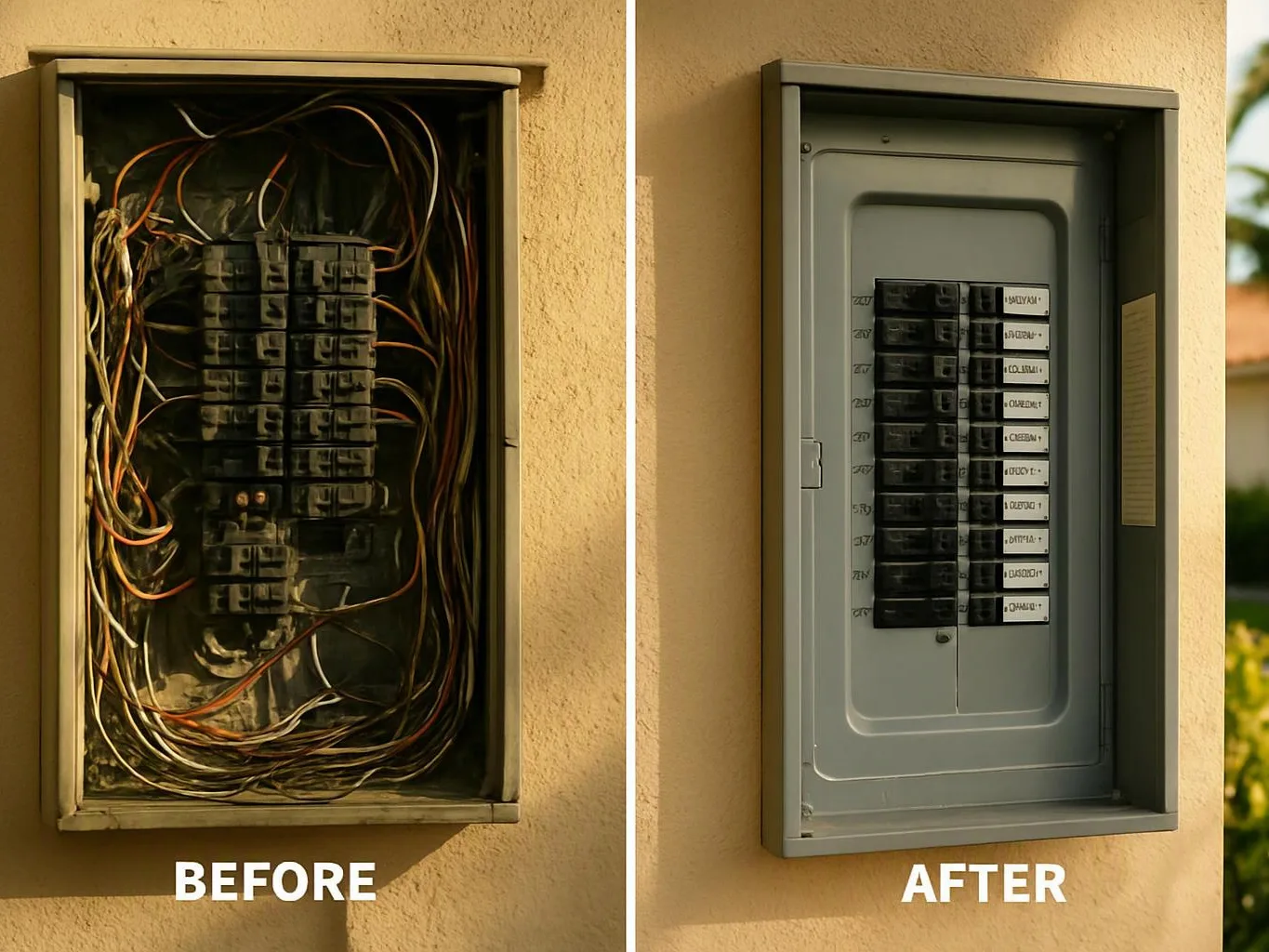
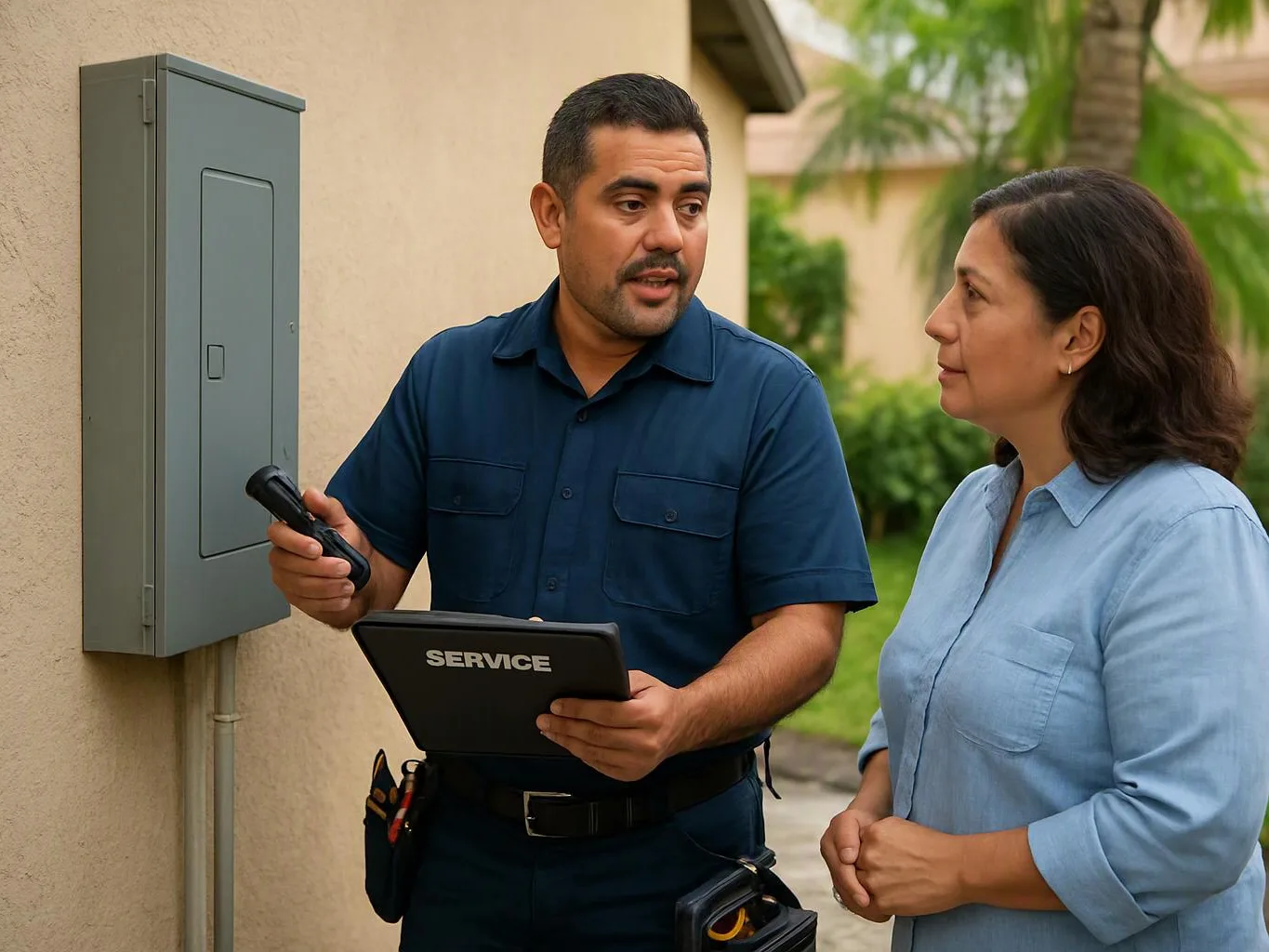
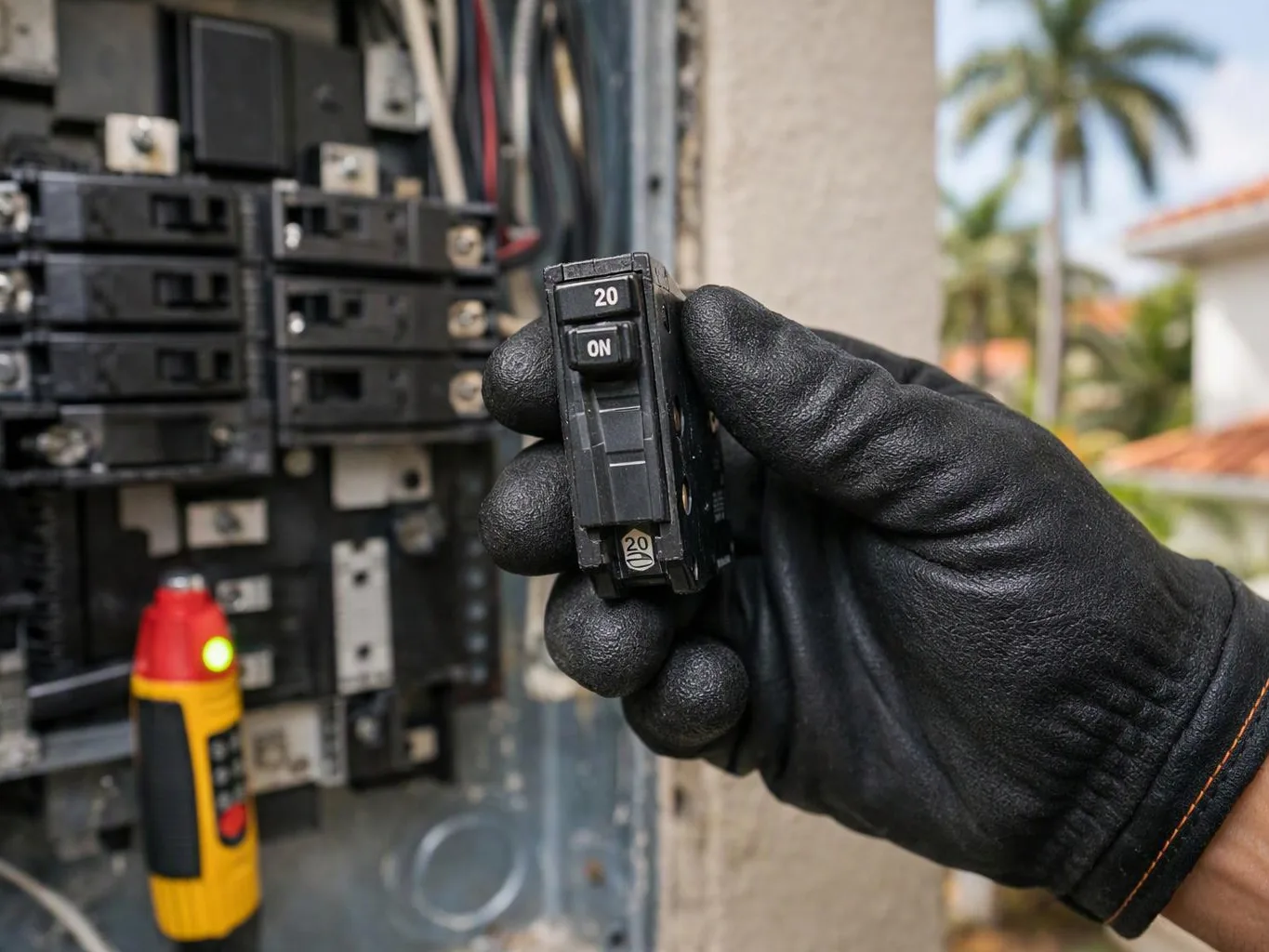
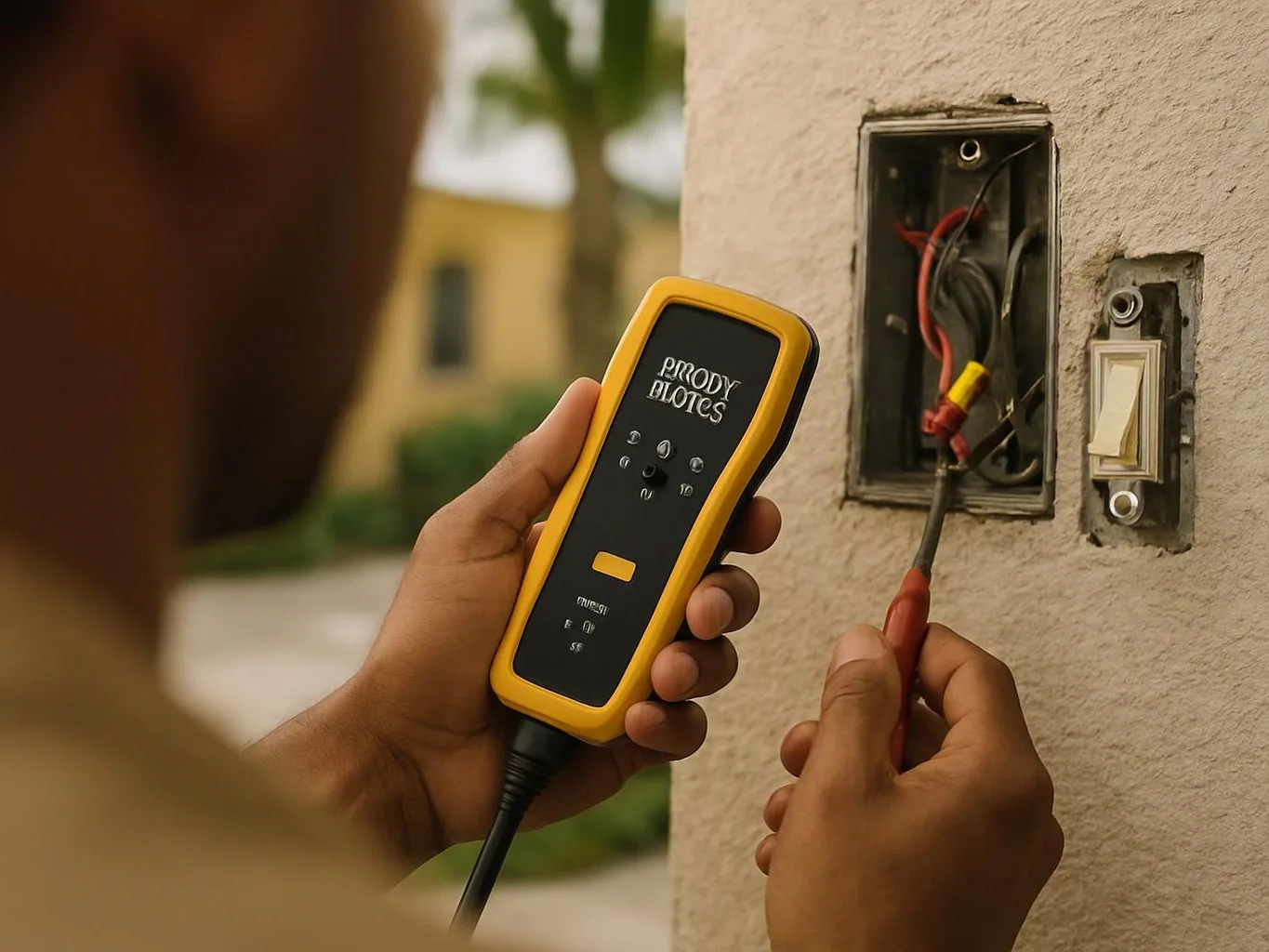
The existing detector and its power source receive the first check. We review the test function, battery, wiring, mounting point, and visible damage. Nearby conditions also matter because an alarm may reflect fumes or ventilation concerns. These checks help us define the electrical work without treating every alarm as a simple device failure.
What should be checked before installation is scheduled?
The alarm history, detector location, power access, and visible wiring should be checked before scheduling. Photos of the detector and mounting area can help describe the request. We also need to know whether anyone has symptoms or whether a gas, vent, or appliance concern exists. Safety hazards require emergency action before electrical scheduling.
Who is a good fit for detector installation, and who needs a different service?
Property owners, approved tenants, managers, and businesses are good fits for detector installation. We handle the electrical connection, mounting, replacement, and testing within scope. Gas leaks, blocked vents, failing fuel-burning appliances, and medical symptoms need the appropriate emergency or specialty response before installation work.
Which part of the job changes the estimate?
Existing power access, wiring condition, detector count, mounting work, and related electrical repairs change the estimate. We review those conditions before providing a free estimate. The estimate covers the agreed electrical scope, while gas, appliance, or ventilation repairs may require separate service.
When should I request detector installation after an alarm?
Request installation after the property is safe and the alarm source has been checked. A repeated alarm can involve sensor failure, low batteries, combustion fumes, or another hazard. We can assess the electrical side, but occupants should leave and call emergency services when anyone feels ill or a dangerous condition is suspected.
How do I know whether the detector or wiring is the problem?
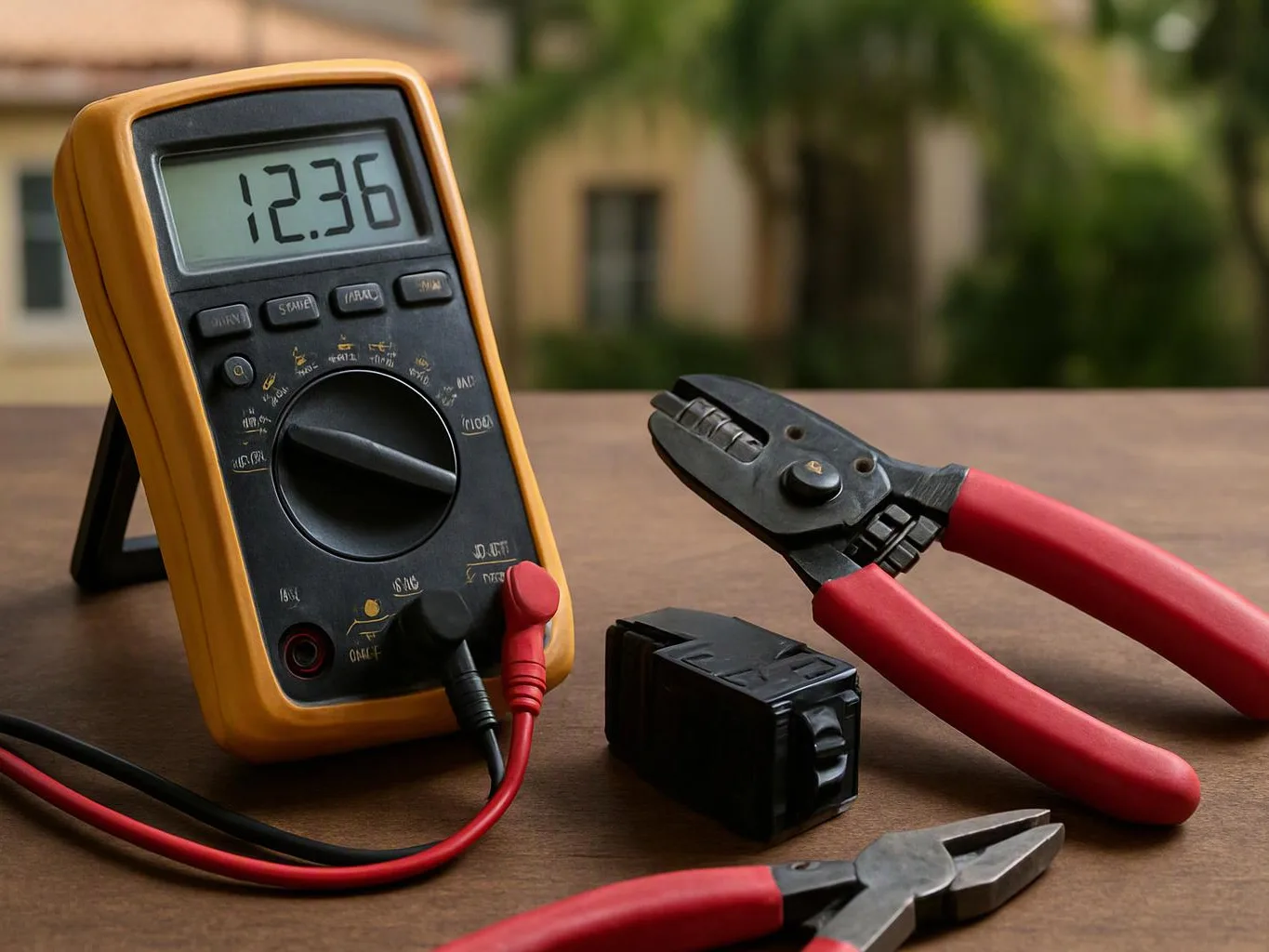
A failed test response, damaged wiring, lost power, or repeated false alarms can point to different issues. We test the detector and inspect its power and wiring before selecting a replacement. The inspection also helps separate electrical faults from gas, vent, appliance, or combustion concerns.