Circuit Breaker Replacement Mistakes: Common Errors That Cause Repeat Trips
Circuit breaker replacement mistakes include incorrect breaker sizing, loose or miswired connections, incompatible parts, unresolved overloads, and ignored panel damage. Earth Electric checks the circuit, breaker compatibility, connections, and panel condition before completing a replacement so repeat trips are addressed at the source.
Get a Free EstimateWhy Circuit Breaker Replacement Mistakes Cause Repeat Trips
Circuit breaker replacement mistakes cause repeat trips when the replacement does not match the circuit or when the underlying electrical fault remains unresolved.
A circuit breaker provides overcurrent protection by opening an electrical circuit when current becomes unsafe. We inspect the breaker, branch circuit, and connected load so repeat tripping points to a real correction instead of a temporary reset.
The Replacement Errors We Check First
We start with the parts that determine whether a replacement breaker can protect the circuit correctly. The table shows the common error, the risk it creates, and the correction we make.
| Error | Possible result | What we check |
|---|---|---|
| Wrong breaker rating | Poor circuit protection or repeat tripping | Breaker sizing and circuit wiring |
| Incompatible breaker type | Unsafe or unreliable panel connection | Panel and manufacturer compatibility |
| Loose or miswired connection | Heat, arcing, or immediate trips | Wire terminals and conductor placement |
| Unresolved overload or fault | The new breaker keeps tripping | Connected load and circuit condition |
| Damaged panel connection | Unstable breaker contact | Bus bar, corrosion, and heat damage |
Each error can involve a different repair. We identify the source before deciding whether the job needs circuit breaker replacement, circuit breaker repair, wiring repair, or electrical panel repair.
Installing a Breaker With the Wrong Rating
A breaker with the wrong rating can fail to protect the circuit correctly or trip repeatedly because the breaker and circuit are mismatched.
The ampere rating must suit the circuit wiring and its intended overcurrent protection. We verify breaker sizing and inspect the branch circuit before installing a replacement breaker.
The correction may involve replacing the mismatched part or addressing wiring that does not support the intended protection. We explain the required work before completing it, and our estimate covers the actual correction identified during inspection.
Using an Incompatible Breaker Type
An incompatible breaker can create an unsafe panel connection or fail to operate as intended, even when its rating appears suitable.
Electrical panels accept specific breaker types approved by the manufacturer. We compare the replacement breaker with the electrical panel and confirm compatibility before installation.
The correction may require a compatible replacement breaker or panel repair when the connection has been affected. We do not treat a similar-looking part as a suitable match.
Leaving a Loose Wire Connection
A loose wire connection can create heat, arcing, and unstable current flow that causes the replacement breaker to trip again.
A conductor must sit securely under the correct terminal connection. We inspect the wire terminal for looseness, heat damage, and signs of electrical arcing.
The repair can involve correcting the termination or replacing damaged wiring and parts. We test the connection after the correction so the breaker is not left carrying an unstable connection.
Connecting the Circuit to the Wrong Terminal
A wire connected to the wrong terminal can leave the circuit incorrectly configured and cause immediate or recurring breaker trips.
Branch circuit wiring uses distinct paths for the hot conductor and neutral conductor. We trace each conductor and confirm that each connection reaches the correct breaker terminal or neutral bar.
The fix may be a terminal correction or additional circuit repair if the miswiring caused damage. We verify the circuit configuration before restoring normal use.
Replacing the Breaker Without Testing the Circuit
Replacing a breaker without testing the circuit leaves faults such as short circuits and ground faults undiscovered.
A new breaker can trip because the electrical fault remains in the wiring, equipment, or connected load. We perform circuit testing to identify the condition that caused the original trip.
The repair depends on the test result and may involve circuit wiring, a device, or a panel connection. Testing helps us correct the fault instead of repeatedly resetting the breaker.
Ignoring an Overloaded Circuit
An overloaded circuit continues to trip because the connected electrical demand remains greater than the circuit can safely carry.
Several appliances or a high-demand appliance can create an overload on one branch circuit. We review the connected load and identify which equipment or circuit condition is causing the demand.
The correction may involve changing the load arrangement, repairing the branch circuit, or planning an appropriate circuit improvement. Replacing the breaker alone does not remove an overload.
Installing a Breaker in a Damaged Panel
A damaged electrical panel can prevent a replacement breaker from making a reliable connection and can contribute to repeat trips.
We inspect the bus bar, breaker seating area, and surrounding panel for corrosion, loose contact, and heat damage. Panel damage can affect both the breaker and the electrical panel connection.
The correction may require electrical panel repair or a broader replacement when the panel cannot support a safe connection. We explain the condition before doing work beyond the breaker itself.
Resetting the New Breaker Without Finding the Cause
Repeatedly resetting a new breaker does not correct the fault that caused the trip and can allow a wiring or equipment problem to continue.
A recurring trip is a warning that the circuit safety problem remains active. We treat the breaker reset as a temporary step and look for the electrical fault before returning the circuit to service.
The needed correction may involve the breaker, wiring, panel, or connected equipment. We provide circuit breaker repair or replacement based on the condition we find.
Overlooking a Faulty Appliance or Connected Device
A faulty appliance or connected device can trip a correctly installed breaker, so the load connected to the circuit must also be considered.
A short circuit or ground fault may start inside an appliance, fixture, or other device on the branch circuit. We test the circuit and consider connected equipment when the breaker keeps tripping.
The correction may focus on the device, its cord, or the circuit supplying it. We help separate an equipment fault from a breaker replacement problem before installing another part.
How We Correct a Breaker Replacement Problem
Our process connects the breaker inspection to the cause of the trip. Earth Electric checks the circuit, panel, and replacement part before closing the work.
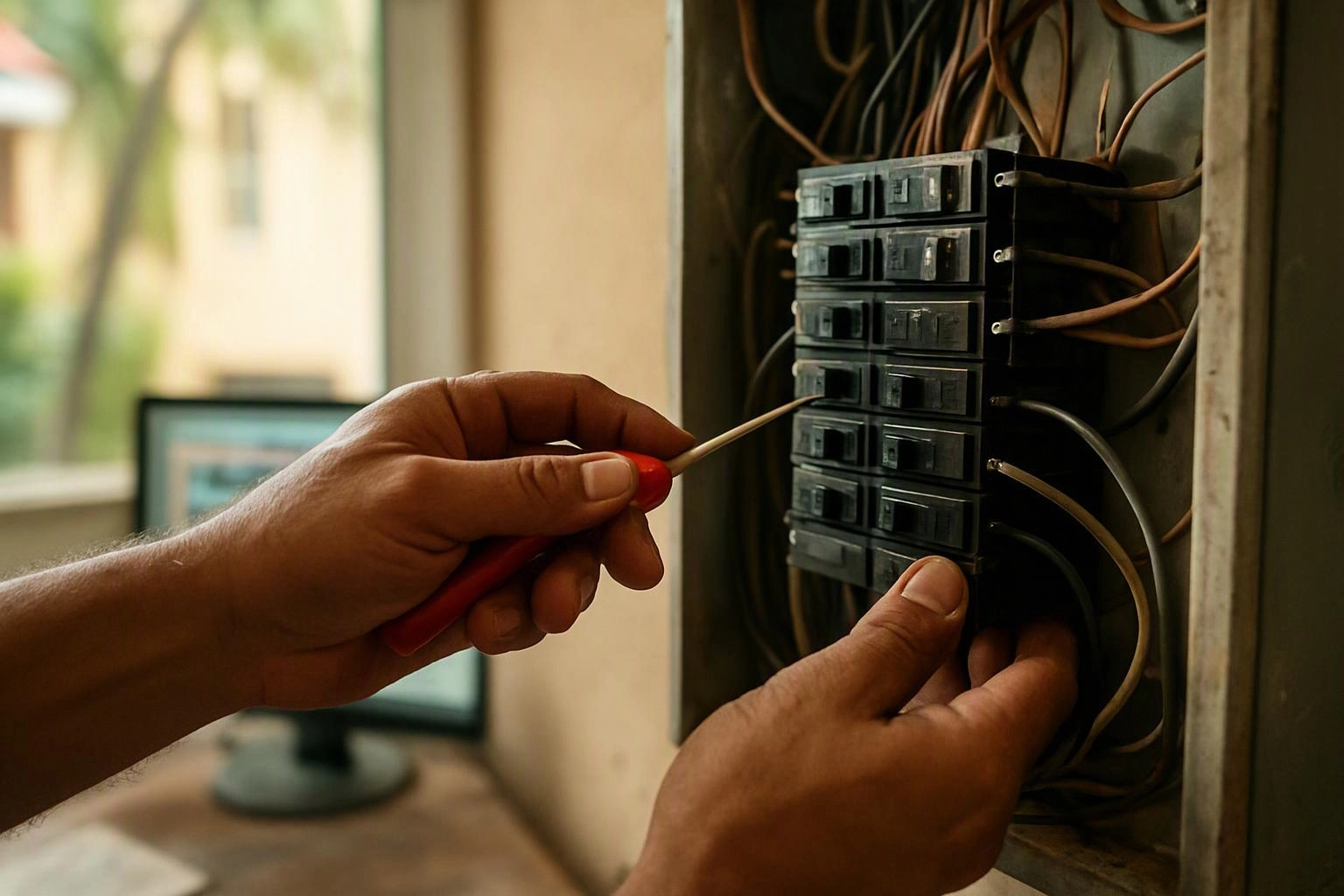
Our team completes the work based on the condition found during diagnosis. This approach helps address repeat tripping at the source.
What Changes the Cost of Correcting a Breaker Replacement Mistake?
The cost depends on whether the work involves only a compatible breaker or also requires circuit diagnosis, wiring repair, panel repair, or correction of an overloaded circuit; Earth Electric can provide an exact quote after inspecting the work.
Access to the panel, the condition of the bus bar, the length of circuit diagnosis, and the extent of heat or wiring damage can change the work involved. We explain which parts of the correction affect the estimate.
A quote should show whether the scope includes circuit breaker replacement, circuit breaker repair, testing, wiring repair, or electrical panel repair. We provide the estimate after reviewing the actual circuit and panel condition.
When to Call Earth Electric Instead of Replacing the Breaker Yourself
Call Earth Electric when a breaker trips repeatedly, the panel shows heat or damage, the circuit sparks or smells burned, or the correct replacement and wiring cannot be verified safely.
Turn off equipment connected to the affected circuit when you can do so safely. Do not open the panel or handle damaged wiring while signs of an electrical fault remain.
How to Prevent Repeat Trips After a Breaker Replacement
Preventing repeat trips requires confirming breaker compatibility, checking wire terminations, testing the circuit, evaluating the connected load, and inspecting the panel.
We verify the breaker rating and manufacturer compatibility before installation. We also check the branch circuit for a loose connection, short circuit, ground fault, overload, or faulty appliance.
Keeping the panel accessible and reporting burning smell, sparking, or unusual heat helps us identify problems early. Our team tests the completed work and explains any load or equipment issue that could cause another trip.
For circuit breaker replacement or circuit breaker repair, contact Earth Electric to arrange an inspection and request an exact quote.
Questions About Circuit Breaker Replacement Mistakes
Can replacing a circuit breaker stop it from tripping?
Yes, replacing a circuit breaker can stop tripping when the original breaker is faulty and the circuit has no unresolved fault. Earth Electric tests the circuit and verifies compatibility before deciding that replacement is the correct fix.
Why does a new circuit breaker keep tripping?
A new circuit breaker keeps tripping when the circuit has an overload, short circuit, ground fault, wiring problem, panel issue, or faulty connected device. Circuit testing identifies which condition remains after the replacement.
Can the wrong breaker damage an electrical panel?
Yes, the wrong breaker can create a poor connection, heat, arcing, or damage at the panel and bus bar. We inspect the panel before installing a compatible replacement.
Should I reset a breaker that trips repeatedly?
No, a breaker that trips repeatedly should not be reset again without finding the cause. Turn off connected equipment when safe and arrange circuit testing to locate the electrical fault.
What should I do if a breaker smells burned after replacement?
Turn off the affected circuit when safe and call Earth Electric if a breaker smells burned after replacement. A burning smell can indicate heat damage, a loose connection, panel damage, or another electrical fault.
Related Resources
Emergency Electrical Repair Cost Factors: What Changes a 24-Hour Electrician Quote
What It CostsElectrical Panel Upgrade Cost Factors: Size, Capacity, Wiring, and Installation Scope
How Long It TakesHow Long Does an Emergency Electrical Repair Take?
How Long It TakesHow Long Does an Electrical Panel Upgrade Take?